
Three Ingredient Peanut Butter Cookies

The Ultimate Guide to Three Ingredient Peanut Butter Cookies: Simple, Delicious, and Effortless
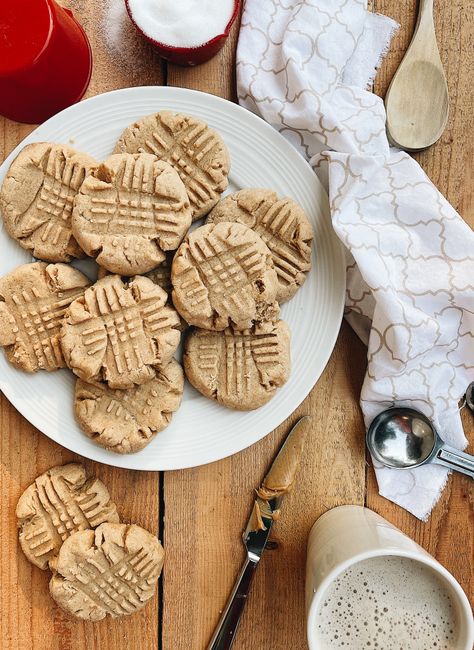
The allure of homemade cookies is undeniable, but the perceived effort often deters aspiring bakers. Enter the three-ingredient peanut butter cookie: a minimalist masterpiece that delivers maximum flavor and satisfaction with astonishing simplicity. This guide delves deep into the world of these incredibly easy treats, exploring their origins, variations, troubleshooting, and the sheer joy they bring. Forget complicated recipes with endless lists of ingredients and obscure techniques; these cookies are designed for everyone, from seasoned bakers to absolute novices. Their inherent simplicity makes them a perfect candidate for quick cravings, emergency dessert situations, and even involving children in the kitchen. The beauty lies in the fact that with just three pantry staples, you can conjure up a batch of warm, fragrant, and utterly delicious cookies in under 30 minutes. This is not a recipe that requires precise measurements or specialized equipment, further cementing its status as the ultimate stress-free baking endeavor. The foundational trio – peanut butter, sugar, and an egg – works in perfect harmony to create a chewy, slightly crisp, and intensely peanut buttery cookie that will leave you wondering why you ever bothered with more complex recipes.
The magic of the three-ingredient peanut butter cookie lies in its fundamental components and how they interact. Peanut butter, the star of the show, provides the rich, nutty flavor and a significant portion of the cookie’s structure and fat content. The type of peanut butter used can subtly alter the final texture and taste. Creamy peanut butter tends to yield a smoother, more uniform cookie, while crunchy varieties introduce delightful textural variations. Natural peanut butters, which often have oil separation and a more intense peanut flavor, can sometimes require slight adjustments to the sugar or egg for optimal consistency. Sugar, typically granulated, acts as the sweetener and plays a crucial role in achieving the desired texture. It caramelizes during baking, contributing to the cookie’s golden-brown hue and its characteristic crisp edges and chewy interior. The finer the granulation of the sugar, the more readily it will dissolve, impacting the overall chewiness. Finally, the egg serves as the binder, holding all the ingredients together and contributing to the cookie’s structure and moisture. It also adds a touch of richness. While a large egg is standard, the size can influence the final texture. A slightly smaller egg might result in a chewier cookie, while a larger one could lead to a slightly softer texture. The precise ratio of these three ingredients is key to achieving the perfect balance, and while variations exist, the classic combination consistently delivers exceptional results. Understanding these basic principles allows for minor experimentation and customization without straying from the core simplicity that makes these cookies so beloved.
The beauty of this recipe is its inherent adaptability, allowing for numerous delicious twists without compromising the three-ingredient ethos. One of the most popular and effective variations involves introducing chocolate chips. This simple addition transforms the cookies into a classic peanut butter chocolate chip delight. The rich, melted chocolate complements the nutty peanut butter perfectly, creating a symphony of flavors. The amount of chocolate chips can be adjusted to personal preference, from a subtle hint to an abundance of chocolatey goodness. Another delightful variation is the addition of a touch of vanilla extract. While technically a fourth ingredient, a mere teaspoon of vanilla extract can significantly enhance the overall flavor profile, adding a subtle warmth and depth that elevates the peanut butter notes. For those who enjoy a bit of texture and crunch, chopped nuts like pecans or walnuts can be folded into the dough. These additions not only provide a pleasant textural contrast but also introduce complementary nutty flavors. A sprinkle of sea salt flakes on top of the cookies before baking is another simple yet impactful modification. The coarse salt crystals provide bursts of salty flavor that cut through the sweetness and further accentuate the peanut butter, creating a sophisticated sweet-and-salty experience. For a more decadent treat, consider a drizzle of melted chocolate or a dollop of peanut butter icing after the cookies have cooled. These embellishments, while adding more ingredients, can be done on a per-cookie basis, allowing the base recipe to remain a true three-ingredient marvel. The ease with which these variations can be implemented is a testament to the robust nature of the core recipe, making it a versatile canvas for culinary creativity.
Troubleshooting common issues when making three-ingredient peanut butter cookies is surprisingly straightforward, often stemming from minor adjustments in ingredient ratios or baking conditions. One frequent concern is cookies that spread too much and become thin and greasy. This is typically caused by peanut butter that is too oily or too much sugar. If your peanut butter is naturally very oily, consider draining off a tablespoon or two of the excess oil before mixing. Alternatively, a slightly less sugary dough might help. Ensuring your oven temperature is accurate is also crucial; an oven that runs too hot can cause excessive spreading. Another common issue is cookies that are too dry and crumbly. This can occur if the egg is too small, the peanut butter is too dry, or the cookies are overbaked. Using a large egg is recommended, and if your peanut butter is very stiff, you might consider adding an extra teaspoon of peanut butter or a tiny splash of milk or water to the dough to increase moisture. Be mindful of baking time; it’s better to slightly underbake than overbake for a chewier cookie. If your cookies are not firm enough after cooling, it might indicate underbaking. They will continue to set as they cool, but if they remain excessively soft, a few extra minutes in the oven on the next batch might be necessary. Sticking to the recommended baking time and visually checking for golden-brown edges is a good indicator. Another common question revolves around the consistency of the dough. If the dough is too sticky to handle, it might be too warm or contain too much sugar. Chilling the dough for 15-30 minutes can help firm it up. If it’s too dry and falls apart, as mentioned, adding a touch more peanut butter or a liquid can resolve this. The key to successful troubleshooting is understanding how each ingredient contributes to the final outcome and making small, targeted adjustments rather than drastic changes.
The nutritional profile of three-ingredient peanut butter cookies, while not their primary selling point, is worth considering for those mindful of their intake. The dominant ingredients, peanut butter and sugar, contribute significantly to the caloric content and macronutrient breakdown. Peanut butter is a good source of protein and healthy fats, with a notable amount of monounsaturated and polyunsaturated fats. It also provides dietary fiber and essential minerals like magnesium, potassium, and zinc. However, it is also calorie-dense, meaning a small serving can contribute a considerable number of calories. Sugar, primarily granulated, offers empty calories, providing sweetness and contributing to the cookie’s texture but offering little to no nutritional value. Eggs, while a good source of protein and various vitamins and minerals, are also a source of cholesterol. Therefore, while these cookies can be enjoyed as an occasional treat, moderation is key, especially for those managing their calorie or sugar intake. When considering variations, the nutritional impact shifts. Adding chocolate chips increases sugar and fat content. Including nuts will add more healthy fats, fiber, and protein. Opting for natural peanut butter with no added sugar can help reduce the overall sugar content. For those seeking a slightly healthier version, experimentation with sugar substitutes or reduced-fat peanut butter could be explored, though this may alter the texture and flavor profile significantly. Ultimately, the nutritional value is directly proportional to the ingredients used and the portion size consumed.
The historical lineage of the three-ingredient peanut butter cookie, while not as extensively documented as more complex culinary creations, is rooted in the American tradition of simple, home-baked goods. The rise of peanut butter as a common pantry staple in the early 20th century, coupled with the accessibility of sugar and eggs, paved the way for such minimalist recipes. Early cookbooks and women’s magazines often featured simplified recipes for popular treats, designed to be achievable with readily available ingredients and minimal effort. The peanut butter cookie, in its various forms, has been a constant presence in American kitchens for decades, evolving alongside popular baking trends. The "three-ingredient" designation, however, is a more recent, perhaps internet-driven, phenomenon that highlights the essence of this particular iteration. It taps into the modern desire for quick, easy, and no-fuss recipes that deliver on taste. This streamlined approach resonates with busy individuals, novice bakers, and anyone seeking a no-fail dessert solution. The recipe’s enduring popularity can be attributed to its perfect marriage of convenience and flavor. It represents a culinary democratization, proving that delicious, satisfying treats don’t always require elaborate ingredients or advanced skills. It’s a testament to the power of fundamental ingredients and their ability to create something truly special with minimal intervention. This simplicity is not a sign of inferiority but rather a celebration of efficient culinary design.
The cultural significance of the three-ingredient peanut butter cookie lies in its embodiment of comfort, nostalgia, and accessible joy. For many, these cookies evoke memories of childhood kitchens, warm afternoons, and the simple pleasure of a homemade treat. They are the epitome of "comfort food" – easy to make, familiar in flavor, and reliably delicious. In a world that often feels overcomplicated, the three-ingredient cookie offers a delightful return to simplicity. It’s a recipe that can be passed down through generations, a tangible link to familial traditions. Its accessibility also makes it a powerful tool for teaching children about baking. The minimal ingredients and straightforward process allow young bakers to experience the satisfaction of creating something from scratch, fostering a sense of accomplishment and a lifelong appreciation for home cooking. Furthermore, in an era where time is a precious commodity, the speed and ease of preparation make these cookies a go-to for impromptu gatherings, last-minute potluck contributions, or simply as a pick-me-up after a long day. They are a testament to the idea that culinary delight doesn’t need to be complicated or expensive. The shared experience of making and enjoying these cookies, regardless of skill level, fosters a sense of connection and community. Their cultural resonance is found not just in their taste but in the feelings and memories they evoke, solidifying their place as a beloved and enduring classic.
The art of perfecting the three-ingredient peanut butter cookie lies in understanding the subtle nuances of each component and their interaction. While the recipe appears deceptively simple, a few key considerations can elevate your cookies from good to exceptional. The choice of peanut butter is paramount. Opt for a good quality, unsweetened or lightly sweetened peanut butter for the best flavor and texture. Natural peanut butters, while offering intense flavor, can sometimes require a slight adjustment to the sugar content due to their varying oil content. Creamy peanut butter generally yields a smoother cookie, while crunchy adds an enjoyable textural element. If using crunchy, ensure the nut pieces are relatively uniform in size for even baking. The type of sugar also plays a role. Granulated sugar is standard, contributing to chewiness and crispness. Fine granulated sugar will dissolve more readily, resulting in a softer, chewier cookie. Brown sugar, while technically a fourth ingredient, can be incorporated in small amounts (replacing a portion of the granulated sugar) to add moisture and a slight caramel note, but this moves away from the true three-ingredient simplicity. The egg, typically a large egg, acts as the binder. Ensure it’s at room temperature for easier incorporation into the dough. The consistency of the dough is a critical indicator of success. It should be thick and slightly sticky, but manageable. If the dough is too crumbly, it might be too dry; a tablespoon more peanut butter or a tiny splash of milk can help. If it’s too sticky, chilling the dough for 15-30 minutes can firm it up. The method of shaping the cookies also influences their final form. Gently rolling the dough into balls and then flattening them slightly with a fork in a classic crosshatch pattern is traditional and helps with even baking. Don’t press too firmly, as this can compress the dough and lead to denser cookies. Baking time is crucial for achieving the desired texture. For chewy cookies, bake until the edges are golden brown and the centers still appear slightly soft. They will continue to firm up as they cool. Overbaking will result in dry, crumbly cookies. Resting the cookies on the baking sheet for a few minutes after removing them from the oven allows them to set before transferring them to a wire rack for complete cooling. Mastering these small details transforms a simple recipe into a consistently excellent one, ensuring every batch is a delightful triumph.


