
Authentic Sicilian Granita Al Limone

Authentic Sicilian Granita al Limone: A Timeless Refreshment
The essence of Sicilian summer is captured in its simplest, most profound form: Granita al Limone. This frozen dessert, a beloved staple across the island, transcends mere sweetness to offer a vibrant, palate-cleansing experience. Unlike the creamy, airy texture of ice cream or sorbet, authentic Sicilian granita al limone boasts a distinctive crystalline structure. Its defining characteristic is its icy, granular texture achieved through a specific preparation method, a deliberate departure from homogenized freezing. The foundation of this iconic treat is remarkably straightforward, relying on the potent simplicity of just a few high-quality ingredients: fresh lemons, sugar, and water. The magic lies not in complexity, but in the meticulous attention to detail and the inherent quality of the produce. This is not a dessert to be rushed; its creation is a meditative process, a testament to patience and the pursuit of perfection. The result is a taste of pure sunshine, a refreshing counterpoint to the Mediterranean heat, and an enduring symbol of Sicilian culinary heritage.
The history of granita is intertwined with the Arab presence in Sicily, dating back to the 9th century. The Arabs introduced the concept of "sharbat," a sweetened fruit beverage, and the idea of chilling it. Over centuries, this evolved into the granita we know today. Early versions likely used snow collected from Mount Etna, mixed with fruit juices and syrups. This practice of using natural ice, a precious commodity, continued for generations. The technique of "neve di Etna" or "etna snow" was a sophisticated method of preserving snow in underground chambers called "neviere." This allowed for the creation of refreshing treats even during the hottest months. As refrigeration technology advanced, the need for natural snow diminished, but the core method of freezing and scraping to create the characteristic granular texture remained. The focus shifted to readily available ingredients like fresh citrus fruits, with lemon (limone) becoming the undisputed star due to Sicily’s abundant and exceptional lemon harvests. The regional variations in granita reflect the diverse agricultural landscape of Sicily. While lemon is ubiquitous, other flavors like almond (mandorla), pistachio (pistacchio), coffee (caffè), and mulberry (gelsi) also hold significant cultural importance. However, Granita al Limone stands as the quintessential representative, its bright, zesty profile embodying the spirit of the island. Its preparation, while seemingly simple, demands a deep understanding of the freezing process to achieve the desired texture. This is not a quick churn; it’s a slow, deliberate transformation of liquid to icy crystals.
The precise textural difference between authentic Sicilian granita and other frozen desserts is critical to its identity. Ice cream, for instance, is characterized by its smooth, creamy consistency due to the high fat content (cream or milk) and rapid churning, which incorporates air and breaks down ice crystals. Sorbet, while fruit-based, is also typically churned to achieve a finer, less icy texture than granita. Granita al limone, on the other hand, embraces its inherent iciness. The freezing process involves periodically scraping the mixture with a fork or whisk, breaking up the large ice crystals that form. This manual intervention is what gives granita its signature granular, almost flaky, quality. It creates a sensation in the mouth that is both intensely cold and refreshingly coarse, allowing the sharp citrus flavor to cut through without being dulled by creaminess. This texture is not a flaw; it is the defining characteristic, a deliberate artistic choice that elevates it beyond mere refreshment. The process requires patience, as repeated scraping and freezing are essential to achieve the perfect balance between icy shards and melt-in-your-mouth coolness. This granular nature also means that granita melts more quickly than ice cream or sorbet, making it a fleeting but intensely satisfying experience. The visual appearance of authentic granita al limone is also distinctive, often presenting a slightly cloudy, pale yellow hue, further emphasizing its natural origins and minimal processing.
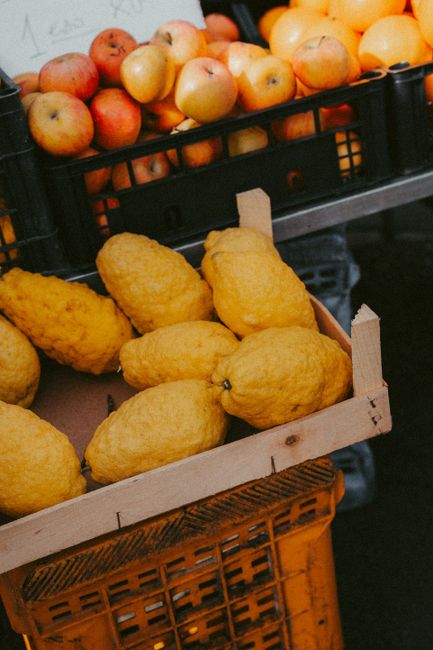
The quality of lemons is paramount for an exceptional Granita al Limone. Sicily is renowned for its lemons, particularly the "Femminello" variety, which is highly aromatic and has a perfect balance of tartness and sweetness. These lemons possess a thicker rind, rich in fragrant oils, contributing significantly to the overall aroma and depth of flavor. The zest of these lemons is intensely perfumed and should be utilized to its fullest potential. The juice should be freshly squeezed, avoiding any bitterness that can arise from over-pressing or incorporating too much of the white pith. The ideal lemon for granita is one that offers a vibrant acidity that is not overwhelming, balanced by a subtle sweetness that naturally occurs in high-quality citrus. The aroma is as important as the taste, and Sicilian lemons deliver this in abundance. The scent alone evokes the sun-drenched groves and the essence of the Mediterranean. When selecting lemons, look for those with a bright, unblemished skin and a firm, heavy feel. Organic lemons are highly recommended to ensure the absence of pesticides, especially when using the zest. The variety of lemon can subtly alter the final flavor profile; some are more acidic, others more floral, but all good Sicilian lemons will yield a superior granita. The key is to harness their natural brilliance without masking it with excessive sugar or artificial additives.
The fundamental ingredients for authentic Granita al Limone are deceptively simple: fresh lemon juice, sugar, and water. The ratio of these ingredients is crucial for achieving the correct flavor balance and texture. A common starting point for the sugar-to-water ratio is a 1:1 simple syrup, meaning equal parts sugar and water heated until the sugar dissolves. This syrup is then cooled before being combined with the lemon juice. The amount of sugar is not merely for sweetness; it also plays a role in the freezing process. Sugar lowers the freezing point of water, which helps to prevent the granita from becoming a solid block of ice. The ideal flavor profile is one where the tartness of the lemon is prominent, but not so sharp that it puckers the mouth. The sweetness should be present to round out the flavor and provide a pleasant contrast to the acidity, but it should never overpower the lemon. A typical proportion might involve using the juice of 4-6 lemons (depending on size and juiciness), 1 to 1.5 cups of water, and 1 to 1.5 cups of sugar. However, this is a guideline, and personal preference plays a significant role. Some prefer a tarter granita, while others enjoy a slightly sweeter rendition. The best approach is to taste and adjust as you go. For an even more intense lemon flavor, the zest of one or two of the lemons can be infused into the sugar syrup during its preparation. This allows the fragrant oils from the peel to permeate the syrup, adding another layer of citrus complexity.
The traditional method of preparing Granita al Limone is an art form, a testament to patience and tactile engagement. It begins with creating a sugar syrup. In a saucepan, combine the water and sugar. Heat gently, stirring constantly, until the sugar is completely dissolved. Avoid boiling vigorously, as this can lead to a cloudy syrup. Once dissolved, remove from heat and let it cool completely. While the syrup cools, zest one or two of the lemons, ensuring you only get the yellow part and avoid the bitter white pith. Squeeze the lemons to extract the juice. Strain the lemon juice to remove any pulp or seeds. Once the sugar syrup is cool, combine it with the fresh lemon juice and the lemon zest (if using). Stir well to ensure everything is thoroughly integrated. This is where tasting and adjusting begins. Add more sugar if you prefer it sweeter, or a touch more lemon juice if you desire more tartness. The mixture should be intensely flavored, as the freezing process will slightly mute the taste. Pour the lemon mixture into a shallow, freezer-safe container. The wider and shallower the container, the faster the freezing process will be. Place the container in the freezer. After about 45 minutes to an hour, ice crystals will begin to form around the edges of the container. This is the critical stage. Remove the container from the freezer and use a fork or a whisk to scrape the frozen crystals from the sides and bottom, breaking them up and incorporating them into the unfrozen liquid. Return the container to the freezer. Repeat this scraping process every 30-45 minutes for at least 3-4 hours, or until the granita has reached a consistently granular, icy texture. The more frequently you scrape, the finer and more delicate the texture will be. The final consistency should be like coarse, icy snow, easily spoonable but with a distinct crystalline structure.
The presentation and enjoyment of Granita al Limone are as important as its preparation. Traditionally, it is served in small, chilled glasses or ceramic bowls. The act of spooning the granular ice into a glass is part of the sensory experience. It is a dessert meant to be savored slowly, allowing the icy crystals to melt on the tongue, releasing their vibrant lemon flavor. Granita al Limone is often enjoyed as a refreshing breakfast item in Sicily, particularly during the warmer months. It is also a popular mid-morning or afternoon snack, a perfect antidote to the midday heat. Many Sicilians will accompany their granita with a warm brioche, a soft, slightly sweet bread, often with a "tuppo" (a small bun on top). The contrast between the cold, tart granita and the warm, soft brioche is a delightful culinary pairing. The granita is scooped directly from its frozen state and served immediately to preserve its texture. It is not meant to be held at room temperature for extended periods, as it will quickly melt. The visual appeal is one of simplicity; the pale yellow hue and granular texture are its inherent beauty. Garnish is minimal, often just a thin slice of fresh lemon or a sprig of mint, if any at all, to avoid detracting from the pure lemon flavor. The focus is entirely on the purity of taste and texture.
Variations and authentic touches elevate Granita al Limone beyond its basic recipe. While the core ingredients remain constant, regional nuances and personal preferences create subtle but meaningful differences. The use of specific lemon varieties, as mentioned, can impart distinct aromatic qualities. Some Sicilian grandmothers swear by infusing the sugar syrup with the lemon zest overnight in the refrigerator, allowing for a deeper flavor extraction. Another authentic touch involves a very small amount of alcohol, such as a tablespoon of limoncello, added just before the final scraping stages. This can help to achieve a slightly smoother texture, as alcohol also lowers the freezing point of water. However, this is a delicate addition, and too much can prevent proper freezing. The sweetness level is also a highly personal element. While the recipe provided offers a balanced starting point, some prefer a distinctly tarter granita, while others lean towards a more pronounced sweetness. Tasting and adjusting the balance of sugar and lemon juice is paramount. For those seeking an even more intense lemon experience, a touch of citric acid can be added, but this is generally avoided in the most traditional preparations where the focus is on the natural fruit. The key to authenticity lies in respecting the simplicity of the ingredients and the labor-intensive, yet rewarding, process of achieving the perfect granular texture. It is a dessert that celebrates the bounty of the land and the art of mindful creation.
The enduring popularity of Granita al Limone speaks to its timeless appeal. In an era of increasingly complex and elaborate desserts, this humble frozen treat stands as a beacon of purity and refreshment. Its accessibility, requiring only a few basic ingredients and some patience, makes it a beloved dessert that can be recreated in kitchens worldwide. Yet, the true magic of authentic Sicilian Granita al Limone lies in the quality of its components and the tradition behind its preparation. It is more than just a frozen dessert; it is a sensory journey, a taste of Sicily’s sun-drenched landscapes and its rich culinary heritage. Its vibrant citrus flavor, its invigoratingly icy texture, and its simple elegance combine to create an experience that is both deeply satisfying and profoundly refreshing. It is a reminder that sometimes, the most extraordinary pleasures are found in the most unpretentious of forms, a testament to the power of natural flavors and the art of patient creation. Whether enjoyed for breakfast on a warm Sicilian morning or as a palate cleanser after a hearty meal, Granita al Limone remains an unparalleled symbol of summer refreshment.


