
Grilled Chicken Teriyaki Skewers With Miso Ranch

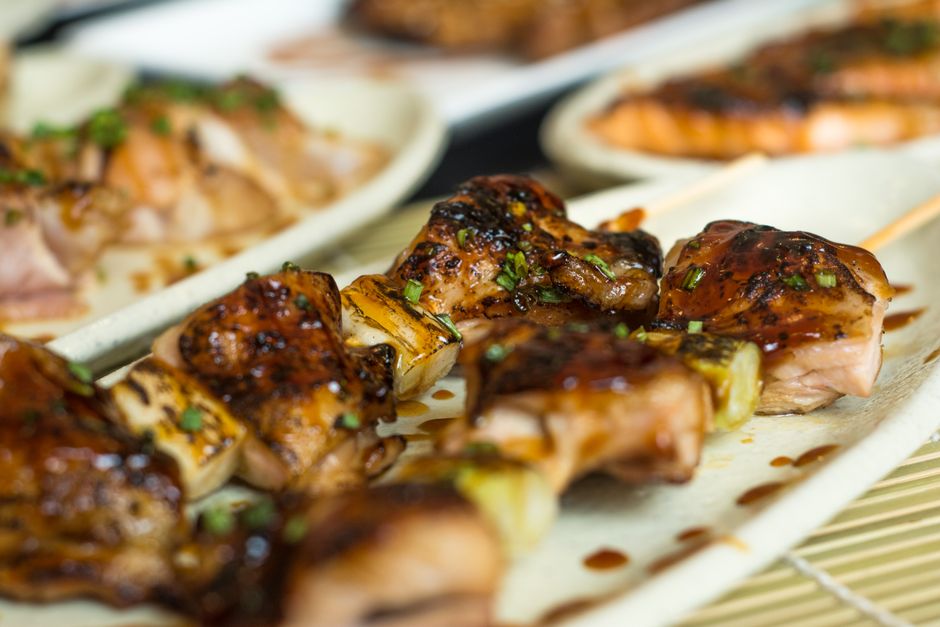
Grilled Chicken Teriyaki Skewers with Miso Ranch: A Culinary Masterpiece
This article delves into the intricate details of crafting exceptional grilled chicken teriyaki skewers, elevating the classic with a sophisticated miso ranch dipping sauce. We will explore ingredient selection, marination techniques, grilling best practices, and the nuanced flavor profile of the accompanying miso ranch, providing a comprehensive guide for home cooks and culinary enthusiasts. The aim is to equip readers with the knowledge to replicate and even enhance this dish, ensuring maximum flavor impact and an enjoyable cooking experience. Understanding the fundamental components and their interactions is key to achieving a truly memorable meal.
The foundation of any great teriyaki dish lies in the quality of its marinade. For these grilled chicken teriyaki skewers, a balanced teriyaki sauce is paramount. This typically involves a harmonious blend of soy sauce, mirin (sweet rice wine), sake (Japanese rice wine), and sugar. The soy sauce provides the savory umami base, while mirin and sake contribute sweetness and depth. The sugar, often brown sugar for its molasses notes, further caramelizes during grilling, adding a delightful crust and enhanced sweetness. Freshly grated ginger and garlic are essential aromatics, infusing the marinade with pungent, warm notes that cut through the richness of the chicken. Some recipes incorporate a touch of sesame oil for a nutty undertone, though its inclusion should be judicious to avoid overpowering the other flavors. For optimal tenderness and flavor absorption, it is recommended to cut boneless, skinless chicken thighs into uniform, bite-sized pieces. Thighs are preferred over breasts due to their higher fat content, which results in a juicier and more forgiving grilled product. Marination time is crucial. A minimum of 30 minutes is adequate for flavor to penetrate, but an overnight marination in the refrigerator will yield the most profound results, allowing the enzymes in the soy sauce and the acidity from sake to tenderize the meat further.
The construction of the skewers themselves is a practical consideration that impacts grilling efficiency and presentation. Wooden skewers are the most common choice and require soaking in water for at least 30 minutes prior to use. This prevents them from burning on the grill, ensuring the chicken cooks evenly without the skewers turning to ash. Bamboo skewers are also a viable option. For even cooking and to prevent smaller pieces from falling through the grill grates, it’s advisable to thread the chicken onto the skewers without overcrowding. Leaving a small space between each piece allows heat to circulate freely, promoting consistent searing and reducing the risk of steaming rather than grilling. If incorporating vegetables onto the skewers, consider those that grill well and complement the teriyaki flavor profile. Bell peppers, in various colors for visual appeal, red onions, and pineapple chunks are excellent choices. Pineapple, in particular, not only adds a sweet and tangy counterpoint to the savory chicken but also contains bromelain, an enzyme that can further tenderize the meat. When threading vegetables, ensure they are cut into similar sizes as the chicken to promote even cooking.
Grilling technique is where the magic of char and caramelization truly happens. Preheat your grill to medium-high heat. A well-oiled grill grate is essential to prevent sticking. Once the grill is hot, place the skewers directly over the heat. The key to achieving a beautiful sear and preventing the teriyaki glaze from burning is to manage the heat. The sugars in the teriyaki marinade can burn quickly, so it’s important to monitor the skewers closely. Grilling time will vary depending on the thickness of the chicken and the heat of your grill, but generally, each side will require 4-6 minutes of cooking. During this time, avoid excessive flipping, which can disrupt the searing process. The goal is to achieve distinct char marks and a deep, caramelized glaze. If the glaze begins to darken too quickly, you can move the skewers to a cooler part of the grill or a warming rack to finish cooking. Internal temperature is the most reliable indicator of doneness. Chicken is safely cooked when it reaches an internal temperature of 165°F (74°C). Using an instant-read thermometer inserted into the thickest part of a chicken piece will ensure accurate assessment.
The miso ranch dipping sauce introduces a complex and intriguing counterpoint to the sweet and savory teriyaki. This sauce bridges the gap between Japanese and Western flavor profiles, offering a creamy, tangy, and deeply umami experience. The foundation of the ranch dressing is typically mayonnaise, sour cream, and/or Greek yogurt. A combination of mayonnaise and sour cream provides a rich, tangy base, while Greek yogurt can be used to lighten the sauce and add an extra layer of tang. Buttermilk is often incorporated to achieve the characteristic runny consistency of ranch dressing, though it can be omitted if a thicker dip is desired. The flavor elements that elevate this from a standard ranch are the miso paste and the additional Japanese-inspired ingredients. White miso paste (shiro miso) is recommended for its milder, sweeter, and less assertive flavor, which blends harmoniously with the other ingredients without overpowering them. Red miso (aka miso) could be used for a more robust, fermented flavor, but white miso is generally preferred for this application.
The aromatic components of the miso ranch are crucial for its depth of flavor. Finely minced garlic, similar to a traditional ranch, is a must. Fresh chives and parsley offer a herbaceous freshness that balances the richness. A touch of rice vinegar or lemon juice provides acidity, cutting through the fattiness of the mayonnaise and sour cream, and brightening the overall flavor profile. Salt and freshly ground black pepper are essential for seasoning to taste. The key to integrating the miso is to ensure it is fully incorporated. Whisking it thoroughly with a small amount of the liquid base before adding it to the rest of the ingredients will prevent clumps and ensure an even distribution of flavor. For an even smoother consistency, some cooks prefer to lightly warm the miso paste with a tablespoon of water or even some of the ranch base to help it dissolve more readily.
The preparation of the miso ranch is straightforward, but allowing it to meld in the refrigerator for at least 30 minutes, or ideally longer, is highly recommended. This resting period allows the flavors to marry and deepen, creating a more cohesive and satisfying dipping sauce. The textural contrast between the tender, slightly charred chicken and the cool, creamy miso ranch is a significant element of this dish’s appeal. The saltiness of the miso, coupled with the tang of the ranch, beautifully complements the sweet and savory notes of the teriyaki. The umami from the miso echoes and amplifies the umami already present in the teriyaki glaze, creating a layered and sophisticated flavor experience.
For an enhanced presentation and added textural interest, consider garnishing the grilled chicken teriyaki skewers with toasted sesame seeds and thinly sliced green onions (scallions). The sesame seeds add a subtle nutty flavor and a visually appealing speckled finish. The green onions provide a fresh, oniony bite and a vibrant green contrast. These garnishes are not merely decorative; they contribute to the overall sensory experience of the dish. The crunch of the sesame seeds against the tender chicken and the slight bite of the green onions add another dimension of texture.
When it comes to pairing these grilled chicken teriyaki skewers with miso ranch, consider simple side dishes that won’t compete with the main flavors. Steamed jasmine rice is a classic and excellent choice, its subtle fragrance and slightly sticky texture providing a perfect base for the teriyaki-glazed chicken. A simple side of steamed or lightly blanched broccoli or asparagus also offers a fresh, vegetal counterpoint. For a more substantial meal, a light Asian-inspired slaw, perhaps with a ginger-sesame dressing, could be a good accompaniment. The acidity in the slaw would also cut through the richness of the chicken and sauce.
In conclusion, grilled chicken teriyaki skewers with miso ranch represent a sophisticated yet accessible culinary creation. By focusing on high-quality ingredients, meticulous preparation techniques, and a thoughtful balance of flavors, home cooks can achieve a dish that is both visually appealing and incredibly delicious. The interplay between the sweet and savory teriyaki marinade, the perfectly grilled chicken, and the complex umami-rich miso ranch creates a memorable dining experience. This dish offers a unique fusion of flavors that appeals to a wide range of palates, making it an ideal choice for casual weeknight dinners, backyard barbecues, or even more formal gatherings. Mastery of this recipe lies in understanding the nuances of each component and how they come together to create a harmonious whole. The detailed exploration of marinade composition, skewer construction, grilling methodologies, and the nuanced development of the miso ranch dipping sauce provides a comprehensive framework for culinary success. The inclusion of garnishes and suggested pairings further enhances the overall dish, demonstrating the interconnectedness of flavor, texture, and presentation in creating a truly exceptional meal.


