
Healthier Slow Cooker Beef Stew I

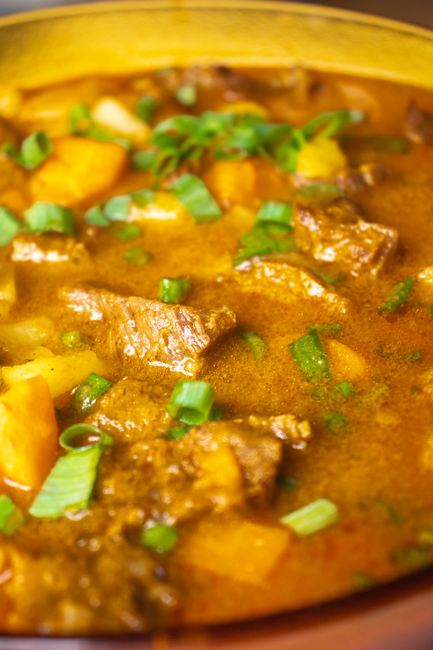
Healthier Slow Cooker Beef Stew: A Nourishing and Flavorful Family Favorite
This article delves into creating a healthier slow cooker beef stew, emphasizing lean protein, abundant vegetables, and mindful ingredient choices to maximize nutritional value without sacrificing taste. Slow cooker beef stew, a perennial comfort food, can be transformed from a calorie-dense, potentially greasy meal into a nutrient-rich, satisfying experience. The foundation of this healthier rendition lies in selecting the right cuts of beef, incorporating a vibrant array of vegetables, and employing smart cooking techniques that enhance flavor while minimizing added fats. We will explore ingredient substitutions, preparation methods, and tips for maximizing the health benefits of this classic dish, ensuring it remains a go-to for busy weeknights and comforting weekend meals.
The cornerstone of a healthier beef stew is the protein. Opting for leaner cuts of beef is paramount. Instead of fatty chuck roast, which is traditionally used for its tenderness and marbling, explore options like beef sirloin tip, top round, or even lean stewing beef specifically labeled as lean. These cuts have less intramuscular fat, which translates to fewer saturated fats and a lighter overall dish. When purchasing beef, look for cuts with minimal visible fat. Trimming any excess fat from the edges of the beef before cubing is another crucial step. While some fat contributes to flavor, excessive amounts are unnecessary for a delicious stew, especially when other flavor enhancers are employed. The size of the beef cubes also plays a role. Smaller, more uniform cubes will cook more evenly and distribute their flavor throughout the stew. Aim for roughly 1-inch cubes for optimal texture and cooking time. Browning the beef before adding it to the slow cooker is an essential flavor-building step. This process, known as the Maillard reaction, creates complex savory notes that are difficult to replicate. To make this healthier, instead of searing the beef in large amounts of oil or butter, utilize a non-stick skillet with just a tablespoon or two of olive oil or even a light spray of cooking oil. Brown the beef in batches to avoid overcrowding the pan, which steams rather than sears. This ensures a good crust and deepens the umami profile of the stew.
Vegetables are where a healthier beef stew truly shines, offering a nutritional powerhouse and vibrant color. The traditional stew often features potatoes and carrots, which are excellent, but expanding the vegetable repertoire is key to boosting vitamins, minerals, and fiber. Include a generous amount of chopped onions and garlic as aromatics. These foundational flavors are not only delicious but also offer antioxidant properties. Celery, another stew staple, adds a subtle savory note and fiber. Beyond these classics, consider incorporating a medley of root vegetables such as parsnips, turnips, and rutabagas. These offer a slightly different sweetness and texture than potatoes and are rich in various nutrients. For an added dose of vitamins and antioxidants, throw in diced sweet potatoes. Their natural sweetness complements the savory beef, and they are packed with Vitamin A. Bell peppers, in various colors (red, yellow, orange), add sweetness, crunch, and a significant boost of Vitamin C. Mushrooms are a fantastic addition, providing an earthy depth of flavor and a good source of B vitamins and selenium. Leafy greens, such as spinach or kale, can be stirred in during the last 30 minutes of cooking. They wilt down beautifully, adding iron, calcium, and a wealth of other essential micronutrients without significantly altering the stew’s texture. Frozen vegetables are also a convenient and nutritious option. Peas, corn, and green beans can be added directly to the slow cooker, often without thawing, offering convenience and a good dose of fiber and vitamins. The key is to use a diverse range of vegetables, ensuring a colorful and nutrient-dense final product. The more variety, the broader the spectrum of vitamins, minerals, and antioxidants your stew will provide.
The liquid base and seasonings are crucial for both flavor and health. Instead of relying solely on high-sodium beef broth, opt for low-sodium or no-salt-added versions. This significantly reduces the overall sodium content of the stew. For an even richer flavor without added sodium, consider using a combination of low-sodium broth and water, or even a homemade bone broth if time permits. Bone broth is a nutritional goldmine, packed with collagen and minerals. Tomato paste is another vital ingredient for depth of flavor and richness. Look for unsalted tomato paste to control sodium intake. A splash of Worcestershire sauce can add a significant umami punch, but be mindful of its sodium content. Use a reduced-sodium variety if available, or a small amount of a high-quality product. Herbs and spices are your best friends in creating flavor without relying on salt. Bay leaves, thyme, rosemary, and parsley are classic choices that impart distinct savory notes. Fresh herbs offer a brighter flavor profile than dried, so consider adding a few sprigs of fresh thyme or rosemary during cooking and a sprinkle of fresh parsley as a garnish. Smoked paprika can add a wonderful smoky depth, mimicking the flavor often achieved through long braising with fatty meats. A pinch of red pepper flakes can add a subtle warmth without making the stew spicy. For thickening, avoid using a flour slurry made with butter. Instead, once the stew is cooked, you can carefully remove a cup of the liquid, whisk in a tablespoon or two of cornstarch or arrowroot powder until smooth, and then return it to the slow cooker to thicken. Alternatively, the natural starch released from the vegetables, especially if you include potatoes or sweet potatoes, can contribute to a thicker consistency.
Cooking method optimization is central to a healthier slow cooker beef stew. The slow cooker’s gentle, low-temperature cooking is inherently healthier as it requires less added fat to prevent sticking and promotes nutrient retention. Preheating your slow cooker is not typically necessary; simply add your ingredients. Layering is important: place tougher root vegetables at the bottom, followed by the beef, and then the more delicate vegetables on top. This ensures even cooking. When determining the cooking time, consult your slow cooker’s manual, but generally, beef stew cooks on low for 6-8 hours or on high for 3-4 hours. It’s crucial to ensure the beef is tender and the vegetables are cooked through. Overcooking can lead to mushy vegetables and dry meat, so keep an eye on it. The beauty of a slow cooker is its set-it-and-forget-it nature, making it ideal for busy schedules. However, for the healthiest outcome, resisting the urge to add more salt during the cooking process is paramount. Taste and adjust seasonings only at the very end, opting for fresh herbs or a squeeze of lemon juice to brighten flavors if needed, rather than additional salt.
Portion control and serving suggestions play a role in the overall health profile of your meal. While a hearty stew can be very filling, be mindful of portion sizes, especially if you are aiming for weight management. A standard serving size is typically around 1.5 to 2 cups. To make your beef stew a complete and balanced meal, consider serving it with whole grains. Brown rice, quinoa, or a small piece of whole-wheat bread are excellent accompaniments that add fiber and complex carbohydrates. Avoid refined grains like white rice or white bread, which offer less nutritional value. For an even lighter option, serve the stew over a bed of steamed spinach or cauliflower rice. These lower-carbohydrate alternatives maintain the satisfaction of a hearty meal without the added calories and carbohydrates of traditional grains. When it comes to garnishes, think healthy and flavorful. Freshly chopped parsley or chives add a burst of freshness and visual appeal. A dollop of plain Greek yogurt or a spoonful of salsa can add a creamy tang without the fat of sour cream. A sprinkle of toasted sunflower seeds or pumpkin seeds can add a satisfying crunch and healthy fats.
Beyond the immediate health benefits of the ingredients, a healthier slow cooker beef stew can be a cornerstone of a balanced diet. The high protein content from the lean beef contributes to satiety, helping you feel fuller for longer and potentially reducing overall calorie intake. The abundance of fiber from the vegetables aids digestion, promotes gut health, and helps regulate blood sugar levels. The diverse array of vitamins and minerals present in the colorful vegetable medley supports a wide range of bodily functions, from immune support to energy production. By consciously choosing lean proteins, maximizing vegetable intake, and moderating sodium, you are creating a meal that is not only delicious and comforting but also actively contributes to your well-being. The slow cooker method itself is energy-efficient and requires minimal active cooking time, making healthy eating more accessible for busy individuals and families. The ability to prepare a nourishing meal in advance also reduces the temptation to reach for less healthy convenience foods.
Making healthier slow cooker beef stew is an achievable goal that prioritizes nutrient density and robust flavor. By focusing on lean beef cuts, a diverse and abundant selection of vegetables, and smart seasoning choices, you can transform this classic comfort food into a truly wholesome meal. The simplicity of the slow cooker method further enhances its appeal, offering a convenient path to delicious and nourishing dinners. Experiment with different vegetable combinations, explore various herbs and spices, and discover the joy of a healthier, heartier beef stew that satisfies both your taste buds and your nutritional goals. This approach ensures that your slow cooker beef stew remains a beloved family tradition, adapted for modern health-conscious living.


