
No Fail Pie Crust Iii

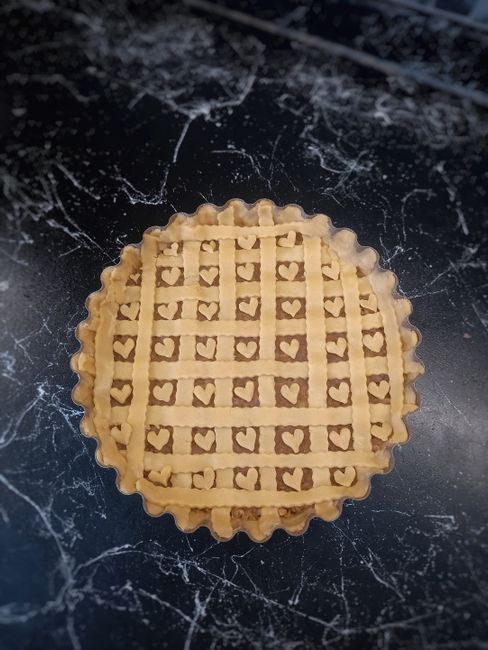
No-Fail Pie Crust III: The Ultimate Guide to Flaky, Tender Pastry Perfection
Achieving a truly no-fail pie crust is the holy grail for many home bakers. The quest for a flaky, tender pastry that doesn’t shrink, become tough, or crack during baking can be a daunting one. While "no-fail" is a bold claim, the techniques and ratios presented in this comprehensive guide, often referred to as "No-Fail Pie Crust III" in popular baking circles, represent a significant leap towards consistent, superior results. This article will dissect the science behind a successful pie crust, offer detailed instructions, provide troubleshooting tips, and explore variations, ensuring bakers of all levels can master this fundamental yet often elusive pastry.
The foundation of any remarkable pie crust lies in understanding the interplay of its core ingredients: flour, fat, water, and salt. Flour provides the structural framework, gluten development being the key. However, excessive gluten development leads to toughness. Fat, whether butter, shortening, or a combination, is the primary agent for flakiness. It coats flour particles, inhibiting gluten formation and creating steam pockets during baking that separate layers of dough. Water, while essential for binding ingredients and activating gluten, must be used judiciously. Too much water results in a tough, dense crust, while too little makes the dough crumbly and difficult to handle. Salt not only enhances flavor but also contributes to crust tenderness by slightly weakening gluten bonds.
The "No-Fail Pie Crust III" methodology emphasizes precise ratios and specific techniques. A common starting point for a standard 9-inch double crust is 2.5 cups of all-purpose flour, 1 teaspoon of salt, 1 cup (2 sticks) of unsalted butter, and ½ cup of ice-cold water. Some variations advocate for a blend of butter and shortening for optimal flavor and flakiness, as shortening possesses a higher melting point and can create more distinct layers. For instance, a 50/50 ratio of butter to vegetable shortening is popular, delivering both the rich flavor of butter and the structural integrity of shortening. The fat must be kept extremely cold, almost frozen, throughout the entire process. This is paramount for creating the characteristic flaky layers.
The method begins with combining the dry ingredients – flour and salt – in a large bowl. The fat is then cut into the flour. This can be achieved using a pastry blender, two forks, or a food processor. The goal is to create a mixture where the fat is present in pea-sized to almond-sized pieces, interspersed throughout the flour. These larger pieces of fat will melt during baking, leaving behind air pockets and creating the flaky texture. Overworking the dough at this stage is a common pitfall, leading to a tougher crust. If using a food processor, pulse the ingredients until the desired consistency is reached, being careful not to over-process. The fat should be visible in distinct pieces, not fully incorporated into a paste.
Next comes the addition of ice-cold water. This is where precision is critical. Start with ½ cup of ice-cold water, adding it a tablespoon at a time, and gently mixing with a fork or your hands until the dough just begins to come together. The dough should be shaggy and not overly wet. It’s better to add a little more water than to add too much initially. The key is to hydrate the flour sufficiently for it to bind, but not to develop excessive gluten. When you squeeze a bit of the dough, it should hold its shape without being sticky or crumbly. Over-mixing at this stage is also detrimental. Gentle handling is key.
Once the dough has just come together, it’s time to form it into discs. Divide the dough in half, shaping each half into a flat disc, about ¾ to 1 inch thick. This flattening before chilling helps to make rolling out the dough easier later. Wrap each disc tightly in plastic wrap and refrigerate for at least 30 minutes, and ideally 1-2 hours, or even overnight. Chilling is crucial for several reasons. It allows the gluten to relax, making the dough easier to roll and preventing shrinkage. It also firms up the fat, ensuring it remains in distinct pieces during rolling and baking, which is essential for flakiness.
Rolling out the chilled dough requires care. Lightly flour your work surface and your rolling pin. Begin rolling from the center of the dough outwards, rotating the dough frequently to prevent sticking and to ensure an even circle. If the dough starts to crack or tear, gently press it back together or patch it with a small piece of dough. Resist the urge to add more flour to the surface if it sticks; instead, lift the dough and lightly flour the surface underneath. Roll the dough to about ⅛ inch thickness and a size that will fit your pie plate with an overhang.
Transferring the rolled dough to the pie plate is another technique that requires practice. For a single crust, you can gently fold the dough in half or quarters, then unfold it into the pie plate. Alternatively, you can loosely roll the dough around your rolling pin and then unroll it over the pie plate. Gently ease the dough into the plate, pressing it into the bottom and up the sides without stretching. Stretching the dough will cause it to shrink during baking. Trim any excess dough, leaving about a 1-inch overhang. For a double crust, prepare both discs in this manner.
Crimping the edges of the pie crust not only provides a decorative finish but also seals the crust, preventing filling from bubbling out during baking. This can be done by folding the overhang under the edge of the pie plate and then crimping with your fingers or a fork. For a decorative edge, you can use your thumb and forefinger to create a fluted pattern, or use a fork to press indentations. For a double-crust pie, place the second rolled-out disc over the filling, then trim and crimp the edges to seal the top and bottom crusts together. Vent the top crust by cutting slits with a sharp knife to allow steam to escape.
Baking temperature and time are also critical for a no-fail crust. For a single-crust pie baked with filling, the temperature often starts higher (around 425°F or 220°C) for the first 15-20 minutes to set the crust, then is reduced to a lower temperature (around 375°F or 190°C) for the remainder of the baking time. This initial high heat helps to "set" the crust quickly, preventing it from becoming soggy. For a pre-baked (blind-baked) crust, typically 375°F (190°C) is used. Blind baking involves baking the crust without filling, often with pie weights or dried beans, to ensure it’s fully cooked and firm. This is crucial for pies with uncooked fillings or those that require a very firm bottom crust.
Blind baking a pie crust involves lining the unbaked crust with parchment paper or aluminum foil, filling it with pie weights, dried beans, or rice, and baking it until partially set. Then, the weights are removed, and the crust is baked for a few more minutes until golden brown. Docking the crust (pricking it all over with a fork) before lining it with parchment and weights helps prevent the bottom from puffing up.
Troubleshooting common pie crust problems is an essential part of the no-fail journey. If your crust shrinks excessively, it’s likely due to overworking the dough, insufficient chilling, or stretching the dough during rolling or transferring to the pie plate. A tough crust is almost always a result of too much water or overdevelopment of gluten. A soggy bottom crust indicates insufficient pre-baking (if required) or a filling that is too wet. Cracks in the dough during rolling can be managed by gentle patching, ensuring the dough is sufficiently chilled, and not being too aggressive with the rolling pin.
Variations on the no-fail pie crust abound, catering to specific needs and preferences. A whole wheat pie crust can be made by substituting a portion of the all-purpose flour with whole wheat flour, though this can result in a slightly denser crust. Adding herbs or spices to the dough can impart unique flavors, perfect for savory pies. For an egg-free recipe, the water ratio might need slight adjustment, and ensuring the fat is very cold remains paramount. Gluten-free pie crusts require specialized flour blends and binders like xanthan gum, and the methodology might differ significantly.
The "No-Fail Pie Crust III" principle is not a single magical recipe, but rather a philosophy of meticulous technique and understanding ingredient interactions. It emphasizes: keeping ingredients, particularly the fat and water, ice-cold; precise measurement of ingredients; gentle handling of the dough to minimize gluten development; adequate chilling time for both the dough and the finished crust; and proper baking temperatures and techniques. Mastering these elements will consistently yield a pie crust that is exceptionally flaky, tender, and a perfect vehicle for any sweet or savory filling. The reward for this dedication is a truly exceptional pastry that elevates any pie from ordinary to extraordinary. The visual cues of a perfectly golden-brown crust, with distinct layers that shatter lightly with each bite, are testament to the successful application of these no-fail principles. Consistent practice and attention to detail are the ultimate keys to achieving this sought-after pastry perfection.


