
Banana Pudding With Ladyfingers

The Ultimate Guide to Classic Banana Pudding with Ladyfingers: A Southern Staple Reimagined
Banana pudding with ladyfingers is more than just a dessert; it’s a cornerstone of Southern culinary tradition, a nostalgic comfort food evoking memories of family gatherings and warm summer afternoons. This iconic dish, characterized by its creamy custard, ripe banana slices, and delicate ladyfingers, offers a delightful interplay of textures and flavors. Mastering this classic recipe involves understanding the nuances of the custard’s consistency, the sweetness of the bananas, and the perfect balance to achieve a dessert that is both elegant and deeply satisfying. This comprehensive guide will delve into every aspect of creating the ultimate banana pudding with ladyfingers, from ingredient selection to advanced techniques, ensuring your dessert is a showstopper.
The foundation of any exceptional banana pudding lies in its custard. A well-made custard should be smooth, rich, and possess a subtle sweetness that complements the fruit without overpowering it. The primary ingredients for a classic vanilla custard include milk, egg yolks, sugar, cornstarch (or flour), and vanilla extract. The type of milk used significantly impacts the final richness; whole milk is the preferred choice for its higher fat content, resulting in a creamier, more luxurious texture. Low-fat or skim milk can be used, but the custard will be noticeably less rich. Egg yolks are crucial for emulsifying the custard and contributing to its velvety consistency. For a truly decadent pudding, separating the yolks and whites carefully is essential, as any trace of yolk in the whites can prevent them from whipping properly if meringue is being used as a topping. Sugar provides sweetness and also plays a role in the custard’s thickening process. While granulated sugar is standard, some recipes might incorporate brown sugar for a deeper, caramel-like note. Cornstarch is the most common thickening agent, offering a neutral flavor and a smooth finish. Flour can also be used, but it can sometimes impart a slightly pasty texture if not cooked thoroughly. Vanilla extract is indispensable for its aromatic qualities, and using high-quality pure vanilla extract will elevate the flavor profile considerably. A touch of salt is often overlooked but vital for balancing sweetness and enhancing the overall flavor.
The preparation of the custard involves a precise cooking method. Typically, milk is heated gently in a saucepan. In a separate bowl, egg yolks, sugar, and cornstarch are whisked together until pale and well combined. This mixture, known as a slurry, is then tempered by gradually whisking a small amount of the hot milk into it. Tempering prevents the egg yolks from scrambling when introduced to the full heat of the milk. Once tempered, the egg yolk mixture is slowly poured back into the saucepan with the remaining milk. The custard is then cooked over medium-low heat, stirring constantly, until it thickens sufficiently. This thickening process is critical; the custard should coat the back of a spoon and hold its shape when a line is drawn through it with a finger. Overcooking can lead to a scrambled egg texture, while undercooking will result in a runny pudding. Once thickened, the custard is removed from the heat, and vanilla extract and butter (if used) are stirred in until fully incorporated. The butter adds an extra layer of richness and a glossy finish. Cooling the custard properly is also important. It should be cooled gradually to prevent a skin from forming on the surface. To achieve this, the custard is often covered directly with plastic wrap, pressing the wrap against the surface of the pudding to eliminate any air pockets. Chilling the custard completely in the refrigerator for at least 2-3 hours, or preferably overnight, allows it to set and its flavors to meld.
The choice of bananas is paramount. Overripe bananas are the ideal selection for banana pudding. Their natural sugars are concentrated, and their texture is soft and creamy, which translates beautifully into the pudding. Underripe or perfectly yellow bananas will not provide the same depth of flavor or the desired soft texture. Browning on the skin is a good indicator of ripeness, as long as the banana itself is not mushy or fermented. Slicing the bananas just before assembly is recommended to prevent them from oxidizing and turning brown or mushy. The thickness of the banana slices is a matter of personal preference, but ½-inch thick slices offer a good balance of flavor and texture within the pudding. Some recipes advocate for lightly caramelizing the banana slices in a pan with a touch of butter and sugar before adding them to the pudding. This technique intensifies their sweetness and adds a subtle caramelized flavor, creating a more sophisticated layer to the dessert. However, for a truly classic and simple approach, fresh, ripe banana slices are perfectly acceptable and often preferred for their pure, unadulterated flavor.
Ladyfingers, also known as savoiardi, are the iconic biscuit used in this dessert. Their light, airy, and slightly crisp texture is designed to absorb the custard and soften beautifully without becoming completely disintegrated. The quality of ladyfingers can vary, and opting for good quality, store-bought ladyfingers is generally recommended. Some bakers prefer to make their own ladyfingers, but this adds a significant layer of complexity to an otherwise straightforward dessert. When assembling, the ladyfingers can be layered in various ways. Some recipes call for soaking the ladyfingers briefly in milk or a liqueur (like sherry or rum) before layering them. This step adds moisture and flavor but can also lead to a mushier pudding if overdone. For a classic approach, simply layering dry ladyfingers is sufficient, as they will absorb moisture from the custard as the pudding chills. Arranging the ladyfingers in a single layer at the bottom of the serving dish, and then alternating with layers of custard and banana slices, is the traditional method. Ensure each layer is well-distributed for a balanced bite.
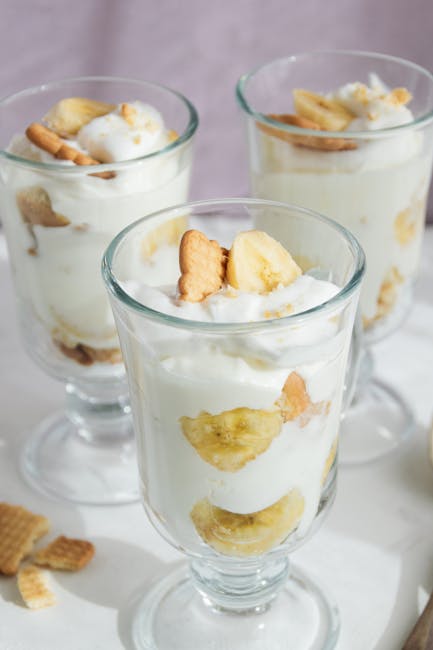
The assembly of the banana pudding is where all the components come together. A clear glass serving dish is often used, allowing the beautiful layers of custard, bananas, and ladyfingers to be admired. Start with a layer of ladyfingers, ensuring they are packed relatively snugly. Spoon a generous amount of the chilled custard over the ladyfingers, making sure to reach the edges of the dish. Distribute a layer of banana slices evenly over the custard. Repeat these layers, typically two or three times, depending on the size of your dish and the quantity of ingredients. The final layer should be custard, creating a smooth surface. For those who prefer a topping, there are several traditional options. A meringue topping, whipped from egg whites and sugar until stiff peaks form, is a classic Southern choice. The meringue can be spooned decoratively over the custard and then lightly browned under a broiler or with a kitchen torch to create a toasted marshmallow-like finish. Alternatively, whipped cream, either homemade or store-bought, provides a lighter and more refreshing topping. A dusting of nutmeg or a few decorative banana slices can be added for garnish. The assembled pudding needs to chill for several hours, or ideally overnight, to allow the ladyfingers to soften and the flavors to meld. This resting period is crucial for achieving the perfect texture.
Variations and enhancements to the classic banana pudding exist, catering to different tastes and preferences. For those who enjoy a bit more complexity, adding a layer of crushed vanilla wafers or shortbread cookies beneath the ladyfingers can introduce a delightful crunch and complementary flavor. Some bakers incorporate a small amount of brandy or rum into the custard or use it to soak the ladyfingers for an adult twist. A drizzle of caramel sauce over the finished pudding can add an extra layer of sweetness and visual appeal. For a richer custard, a portion of the milk can be substituted with heavy cream. The type of vanilla can also be varied; using vanilla bean paste instead of extract will impart tiny vanilla bean specks and a more intense vanilla flavor. Even the fruit can be altered, with some adventurous cooks experimenting with adding sliced strawberries or peaches alongside the bananas, though this deviates significantly from the classic. The key to any successful variation is to maintain the balance of textures and flavors that define this beloved dessert.
Troubleshooting common issues is also part of mastering banana pudding. If the custard is too thin, it may not have been cooked long enough or the cornstarch was not dispersed properly. Insufficient cooking is the most common culprit. If the custard is lumpy, it was likely cooked too quickly or overcooked, causing the eggs to scramble. Gentle heat and constant stirring are the antidotes. A skin forming on the custard can be prevented by covering it directly with plastic wrap while cooling. If the ladyfingers become too soggy, they were likely soaked for too long or the pudding sat for an extended period before being eaten. Conversely, if they remain too firm, the pudding may not have chilled long enough. Ensuring adequate chilling time is vital for the ladyfingers to absorb moisture. Too much browning on a meringue topping can be avoided by watching it closely under the broiler or torch; a light golden hue is the desired outcome.
The cultural significance of banana pudding with ladyfingers cannot be overstated, particularly in the American South. It is a dessert that transcends generations, often passed down through family recipes. Its presence at potlucks, family reunions, and holiday gatherings is almost guaranteed. The simplicity of its ingredients and preparation belies its profound emotional resonance. It is a taste of home, a symbol of comfort and tradition. Understanding its origins, which are believed to be rooted in the early 20th century, and its evolution through various regional adaptations, adds another layer to its appreciation. The ladyfinger, a European biscuit, was adopted and adapted, becoming an integral part of this distinctly American dessert.
In conclusion, crafting the perfect banana pudding with ladyfingers is an achievable goal with attention to detail and an understanding of the fundamental principles involved. From selecting the ripest bananas and preparing a flawlessly smooth custard to layering the delicate ladyfingers and achieving the desired chill, each step contributes to the final masterpiece. Whether enjoyed as a simple, unadorned classic or enhanced with personal flourishes, this timeless dessert continues to capture hearts and palates, solidifying its status as a cherished culinary icon. Its enduring popularity is a testament to its inherent deliciousness and its powerful ability to evoke feelings of nostalgia and comfort, making it a true staple in the repertoire of home bakers and professional chefs alike. The interplay of creamy custard, sweet bananas, and tender ladyfingers creates a symphony of textures and flavors that is both comforting and sophisticated, proving that sometimes, the simplest recipes are indeed the most profound.


