Fried Rice Restaurant Style
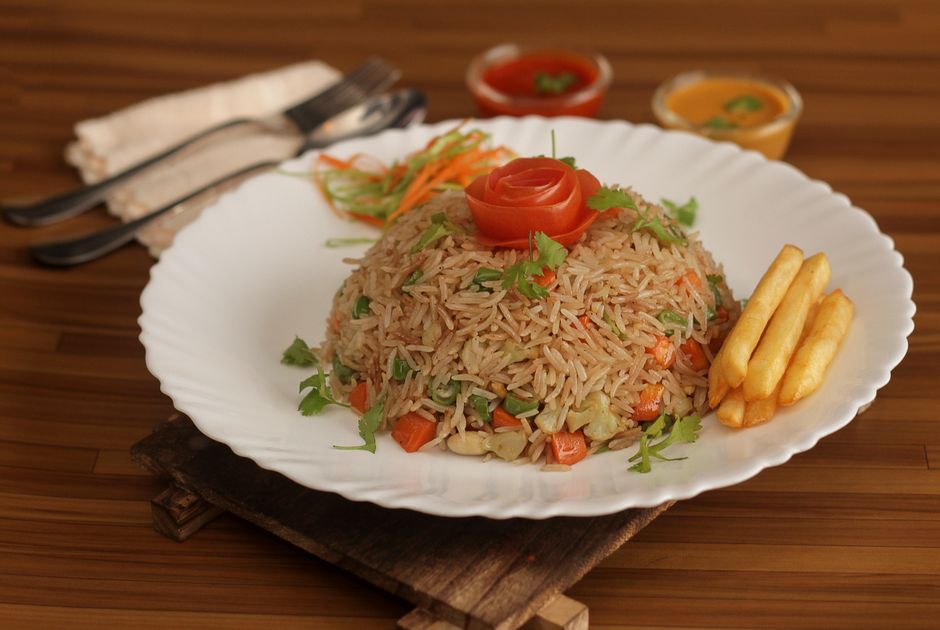
Mastering Restaurant-Style Fried Rice: The Ultimate Guide to Achieving Authentic Flavor and Texture
Achieving the perfect restaurant-style fried rice at home is a culinary pursuit that hinges on understanding and replicating key techniques and ingredient choices. While seemingly simple, the fluffy, individual grains of rice, infused with savory flavors and punctuated by tender vegetables and proteins, are a testament to a precise cooking methodology. The fundamental goal is to achieve "wok hei," a smoky, slightly charred essence that is the hallmark of expertly stir-fried dishes, particularly evident in fried rice. This is not a flavor that can be easily replicated with a standard home stovetop and pan, but by focusing on high heat, the right rice, and strategic ingredient preparation, you can get remarkably close. The misconception that fried rice is simply cooked rice mixed with other ingredients is the first hurdle to overcome. It’s an active, dynamic cooking process that requires speed, controlled heat, and a keen awareness of how each component contributes to the final dish.
The cornerstone of exceptional fried rice is, unequivocally, the rice itself. Using freshly cooked, warm rice is a recipe for a mushy, clumpy disaster. The ideal rice for fried rice is day-old, chilled rice. This is because refrigerating cooked rice allows the moisture content to reduce, and the starches to firm up, resulting in individual grains that are less likely to stick together during the high-heat cooking process. When the rice cools and ages, the individual starch molecules within the grains crystallize, making them firmer and more resistant to breaking down and becoming gummy when exposed to intense heat. Ideally, you want a medium-grain or long-grain white rice, such as jasmine or basmati, which have a good balance of starch and a slightly fluffy texture when cooked. Avoid short-grain or glutinous rice, as these are designed to be sticky and will lead to an undesirable texture in fried rice. The cooking method for the rice also matters. It should be cooked until just done, not overcooked to the point of being mushy. A slightly al dente texture is preferable, as it will continue to cook slightly in the wok. When preparing the rice the day before, cook it, spread it thinly on a baking sheet, and allow it to cool completely before covering and refrigerating. This allows for maximum moisture evaporation. If you find yourself without day-old rice, you can expedite the process by cooking fresh rice, then immediately spreading it thinly on a baking sheet and placing it in the refrigerator for at least an hour, or even the freezer for 15-20 minutes, though be careful not to freeze it solid.
The high heat and the vessel used are critical for achieving that coveted "wok hei." A traditional wok, with its sloped sides and large surface area, is designed to maximize heat distribution and allow for rapid stirring and tossing of ingredients. The curved shape ensures that ingredients are constantly moving and exposed to the hottest part of the wok, while also allowing for some ingredients to rest briefly on the cooler sides. For home cooks, a well-seasoned cast-iron skillet or a heavy-bottomed stainless steel pan can serve as a viable alternative, though achieving true wok hei will be more challenging. The key is to preheat the wok or pan to an extremely high temperature before adding any oil. You should see a slight shimmer of heat waves rising from the surface. Once the wok is smoking hot, add your cooking oil. High smoke point oils are essential. Peanut oil, canola oil, grapeseed oil, or vegetable oil are all excellent choices. Avoid olive oil or butter, as they will burn at the required temperatures, imparting an unpleasant flavor. The oil should heat up almost instantly. The rapid heating of the oil and the wok allows ingredients to sear and caramelize quickly, rather than steam, contributing to both flavor and texture. The tossing and stirring motion inherent in wok cooking is not just for show; it ensures even cooking, prevents sticking, and exposes fresh surfaces to the heat for optimal caramelization and flavor development.
The order of ingredient addition in restaurant-style fried rice is a science designed to ensure each component cooks perfectly without becoming overcooked or undercooked. A common and effective sequence involves starting with aromatics, followed by proteins, then vegetables, and finally the rice and sauce. This method allows each element to reach its peak flavor and texture. Begin by heating your wok or pan until smoking hot, then add your high-smoke-point oil. Immediately add your minced garlic and ginger. Stir-fry them vigorously for about 15-30 seconds until fragrant, being careful not to burn them. This infuses the oil with their essential flavors. Next, add your protein. If using raw chicken, shrimp, or beef, cut it into bite-sized pieces and stir-fry until nearly cooked through. If using pre-cooked protein, such as char siu pork or leftover cooked chicken, add it briefly to heat through and pick up some of the wok’s flavor. Remove the cooked protein from the wok and set aside. This prevents it from overcooking while the vegetables and rice are being prepared.
Next, the vegetables enter the stage. For optimal texture, use vegetables that cook relatively quickly and are cut into uniform, bite-sized pieces. Common choices include finely diced carrots, peas, corn, diced onions, and thinly sliced bell peppers. Add these to the hot wok and stir-fry until they are crisp-tender, meaning they are cooked through but still retain a slight bite. Overcooked, mushy vegetables will detract significantly from the overall quality of the fried rice. The goal is a vibrant medley of textures. If using harder vegetables like broccoli florets or asparagus, consider pre-blanching them for a minute or two to ensure they cook through at the same rate as softer vegetables. Once the vegetables are almost tender, push them to the sides of the wok, creating a well in the center.
This central well is where the magic of the egg happens. Crack one or two eggs into the well and immediately begin to scramble them with your spatula. Once the eggs are mostly cooked, break them up and toss them with the vegetables and any residual aromatics in the wok. This process ensures that the egg is evenly distributed throughout the dish and becomes finely incorporated, rather than large, distinct omelet-like pieces. Some restaurants prefer to cook the egg separately and then chop it before adding it back in, which also yields excellent results. The key is to achieve small, integrated pieces of cooked egg that bind the other ingredients together.
Now, it’s time for the star of the show: the rice. Add your chilled, day-old rice to the wok. Use your spatula to break up any clumps. The heat of the wok will quickly warm the rice. Stir-fry the rice, tossing it frequently, for about 2-3 minutes, allowing it to heat through and absorb some of the flavors from the aromatics, oil, and vegetables. This step is crucial for ensuring each grain of rice is separate and toasted, contributing to the characteristic texture of restaurant fried rice. As you stir-fry, try to ensure that the rice grains are individual and not sticking together. If the wok seems too dry, you can add a little more oil.
The final, crucial element is the sauce. A good fried rice sauce is a balance of salty, savory, and slightly sweet flavors. A common and highly effective restaurant-style sauce comprises soy sauce (or a combination of light and dark soy sauce for depth of color and flavor), oyster sauce (for umami and a hint of sweetness), a touch of sesame oil (for aroma and nutty flavor, added at the end), and sometimes a pinch of sugar to balance the saltiness. Some recipes also include Shaoxing wine (Chinese cooking wine) for an added layer of complexity and a subtle sweetness. Pre-mixing your sauce in a small bowl before you begin cooking is paramount. When the rice has heated through and is individual, pour the sauce evenly over the rice and other ingredients. Immediately begin to toss and stir vigorously to coat everything evenly. Continue to stir-fry for another 1-2 minutes, allowing the sauce to caramelize slightly and meld with the ingredients. This is where the final touches of "wok hei" are developed. The high heat will cause the sauce to bubble and reduce, clinging to the rice grains and creating a glossy finish.
The optional, but highly recommended, addition of a protein can elevate your fried rice to the next level. Popular choices include diced chicken, shrimp, pork, or beef. For chicken, breast or thigh meat works well, diced into small, uniform pieces. Marinating chicken in a mixture of soy sauce, Shaoxing wine, cornstarch, and a little oil for at least 15-20 minutes before cooking will ensure it remains tender and flavorful. Shrimp should be peeled and deveined, and cooked quickly to avoid becoming rubbery. For beef, flank steak or sirloin cut thinly against the grain and marinated similarly to chicken will yield excellent results. Pork, particularly char siu (Chinese BBQ pork) or diced pork belly, adds a rich, savory element. When incorporating protein, it’s generally cooked separately and then added back in towards the end of the cooking process, or cooked in the wok before the aromatics to infuse the oil with its flavor. The key is to cook the protein to just done before adding it back, preventing it from becoming tough or dry during the subsequent high-heat stir-frying.
The choice of vegetables is also a significant factor in achieving restaurant-quality fried rice. While classic choices like peas, carrots, and corn are staples, consider incorporating other quick-cooking vegetables that add both color and flavor. Finely diced bell peppers (red, yellow, or green) contribute sweetness and a pleasant crunch. Diced onions, or even scallions for a milder onion flavor, add depth. Mushrooms, such as shiitake or button mushrooms, sliced thinly, offer an earthy umami. For a fresh, bright flavor, a handful of chopped bok choy or spinach can be added towards the very end of the cooking process, wilting quickly from the residual heat. The key to successful vegetable integration is uniformity in size and consistent cooking times. Harder vegetables should be cut smaller or blanched beforehand to ensure they are crisp-tender alongside the softer ingredients.
The technique of "breaking up" the rice is crucial. When you add the cold, clumpy rice to the wok, it will resist separation. Use a sturdy spatula to gently but firmly press down and break apart any large clumps. The high heat and constant stirring will eventually coax the individual grains to separate. The goal is to have distinct, separate grains of rice, each lightly coated in the sauce and infused with flavor. Avoid aggressive mashing, which can crush the grains. The motion should be one of lifting and tossing, allowing the heat to work its magic.
Seasoning is an art form in fried rice. The base is typically soy sauce, but the type matters. Light soy sauce provides saltiness and umami, while dark soy sauce adds a richer color and a slightly more complex, less salty flavor. Oyster sauce is a vital component for many, adding a sweet and savory depth that is difficult to replicate. A touch of white pepper is often used instead of black pepper for a cleaner spice. For an extra layer of authenticity, some restaurants use a small amount of MSG (monosodium glutamate), which is a flavor enhancer that amplifies the savory notes. If you are sensitive to MSG or choose to avoid it, the other flavor components can still create a delicious dish, but it’s worth noting its common use in restaurant settings. A dash of rice wine vinegar or a squeeze of fresh lime juice at the very end can add a subtle brightness and cut through the richness.
The art of stir-frying itself is a rapid, high-heat process that requires constant motion. This is why mise en place, having all your ingredients prepped and ready to go before you start cooking, is absolutely essential. Once the wok is hot and the oil is shimmering, there is no time to chop onions or measure soy sauce. Everything should be within easy reach. The cooking process for fried rice, from start to finish, should ideally take no more than 5-7 minutes. This rapid cooking ensures that the ingredients are perfectly tender-crisp and that the rice remains distinct. The high heat creates the "wok hei," the smoky, slightly charred flavor that is the hallmark of great fried rice. This elusive flavor comes from the rapid vaporization of moisture from the ingredients and the caramelization of sugars and proteins on the scorching hot surface of the wok.
Finally, the garnish. While not strictly part of the cooking process, a thoughtful garnish can enhance the visual appeal and add a final layer of flavor. Chopped fresh scallions (green onions), sprinkled generously over the top, add a fresh, oniony bite. A drizzle of toasted sesame oil just before serving provides a wonderful aroma and nutty finish. Some variations may include a sprinkle of toasted sesame seeds or a few sprigs of fresh cilantro. The emphasis in restaurant-style fried rice is on distinct, well-cooked components that create a harmonious blend of flavors and textures, rather than an overwhelming amount of garnish. The core of the dish is the perfectly cooked rice, infused with savory notes and punctuated by tender ingredients. Mastering these techniques will allow you to recreate that authentic restaurant experience in your own kitchen.