
Easy Indian Butter Chicken

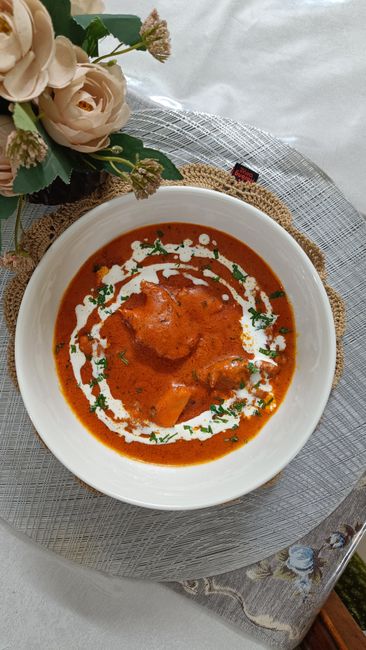
The Ultimate Guide to Easy Indian Butter Chicken: A Flavorful Culinary Journey
Butter chicken, or Murgh Makhani, is a beloved Indian dish celebrated globally for its rich, creamy, and subtly spiced tomato-based gravy, tender chicken, and luxurious mouthfeel. While often perceived as complex and time-consuming, this guide demystifies the process, offering a straightforward and accessible approach to creating authentic, restaurant-quality butter chicken in your own kitchen. Forget lengthy marination times and obscure ingredients; this recipe focuses on readily available components and efficient techniques to deliver maximum flavor with minimal fuss. The magic lies in balancing the tang of tomatoes with the sweetness of cream and the warmth of Indian spices, creating a symphony of tastes that is both comforting and exotic. Mastering this dish unlocks a gateway to a world of Indian cuisine, proving that authentic flavors are not beyond reach. This article will delve into the core components of butter chicken, provide a detailed recipe for an easy version, explore common variations, offer tips for achieving perfect texture and flavor, and suggest ideal accompaniments to complete your culinary experience. We will also touch upon the history and cultural significance of this iconic dish, adding a layer of appreciation to your cooking endeavor.
Understanding the Core Components of Butter Chicken
At its heart, butter chicken is a masterful interplay of a few key elements: tender chicken, a luscious tomato-based gravy, and a rich, creamy finish. The chicken, traditionally tandoori-marinated and grilled or baked, provides a smoky depth and succulent texture. However, for an easier approach, pan-seared or baked chicken thighs or breasts work exceptionally well, absorbing the flavors of the sauce beautifully. The gravy is a complex yet harmonious blend of tomatoes, onions, ginger, garlic, and a symphony of Indian spices. The sweetness of the tomatoes, the pungency of ginger and garlic, and the earthy warmth of spices like garam masala, coriander, and cumin are crucial. Finally, the "butter" in butter chicken is paramount, contributing to its signature richness and velvety texture. This is achieved through generous amounts of butter, cream, and often a touch of yogurt or cashew paste for added creaminess and depth. The balance between these elements is what elevates butter chicken from a simple curry to an extraordinary culinary experience. Understanding these foundational pillars allows for greater flexibility and adaptation, enabling home cooks to achieve outstanding results without needing specialized equipment or advanced culinary skills. The quality of each component directly influences the final outcome, making thoughtful selection and preparation essential.
The Easy Butter Chicken Recipe: Step-by-Step
This recipe is designed for simplicity without compromising on the authentic flavors of butter chicken.
Yields: 4-6 servings
Prep time: 15 minutes
Cook time: 30-40 minutes
Ingredients:
-
For the Chicken:
- 500g boneless, skinless chicken thighs or breasts, cut into bite-sized pieces
- 2 tablespoons plain yogurt
- 1 teaspoon ginger-garlic paste (or finely grated ginger and garlic)
- 1/2 teaspoon red chili powder (adjust to taste)
- 1/4 teaspoon turmeric powder
- 1/2 teaspoon garam masala
- Salt to taste
- 1 tablespoon oil (for searing)
-
For the Gravy:
- 2 tablespoons unsalted butter
- 1 tablespoon oil
- 1 large onion, finely chopped
- 2 teaspoons ginger-garlic paste
- 1 (400g) can crushed tomatoes (or 4-5 ripe tomatoes, puréed)
- 1/2 cup water (or chicken broth)
- 1 teaspoon ground coriander
- 1/2 teaspoon ground cumin
- 1/4 teaspoon red chili powder (adjust to taste)
- 1/4 teaspoon turmeric powder
- 1/2 teaspoon garam masala
- 1/4 teaspoon fenugreek leaves (kasuri methi), crushed (optional, but highly recommended)
- Salt to taste
-
For Finishing:
- 1/4 cup heavy cream
- 1 tablespoon unsalted butter
- 1 teaspoon sugar (optional, to balance acidity)
- Fresh cilantro, chopped, for garnish
Instructions:
-
Marinate the Chicken (Quick Marinade): In a medium bowl, combine chicken pieces with yogurt, ginger-garlic paste, red chili powder, turmeric powder, garam masala, and salt. Mix well to coat the chicken evenly. Let it sit for at least 10 minutes while you prepare the gravy base. This quick marinade infuses the chicken with flavor and helps tenderize it.
-
Sear the Chicken: Heat 1 tablespoon of oil in a large skillet or pot over medium-high heat. Add the marinated chicken in a single layer (you may need to do this in batches to avoid overcrowding). Sear for 3-4 minutes per side, until lightly browned and cooked through. Remove the chicken from the skillet and set aside.
-
Sauté Aromatics: In the same skillet (no need to clean it), add 2 tablespoons of butter and 1 tablespoon of oil over medium heat. Once the butter has melted, add the chopped onion and sauté until softened and translucent, about 5-7 minutes.
-
Add Ginger-Garlic Paste and Spices: Add 2 teaspoons of ginger-garlic paste to the skillet and sauté for about a minute until fragrant. Be careful not to burn it. Then, add the ground coriander, ground cumin, red chili powder, and turmeric powder. Stir well and cook for another 30 seconds, allowing the spices to bloom.
-
Simmer the Tomato Base: Pour in the crushed tomatoes (or tomato purée) and water (or chicken broth). Stir to combine, scraping up any browned bits from the bottom of the pan. Bring the mixture to a simmer, then reduce heat to low, cover, and let it cook for 10-15 minutes, allowing the flavors to meld and the sauce to thicken slightly. Stir occasionally.
-
Blend the Gravy (Optional but Recommended for Smoothness): For a restaurant-quality smooth gravy, carefully transfer the tomato-onion mixture to a blender or immersion blender. Blend until smooth and creamy. Return the puréed sauce to the skillet. If you prefer a more rustic texture, you can skip this step and continue directly to the next.
-
Incorporate the Chicken and Finish: Add the seared chicken pieces back into the skillet with the gravy. Stir in the garam masala and crushed fenugreek leaves (if using). Season with salt to taste. Simmer gently for another 5-10 minutes, allowing the chicken to absorb the flavors of the sauce and cook through completely.
-
Add Creaminess: Stir in the heavy cream and the remaining 1 tablespoon of butter. If using sugar, add it now to balance any acidity from the tomatoes. Cook for another 2-3 minutes, stirring gently, until the sauce is heated through and has a rich, creamy consistency. Do not boil after adding the cream, as it can curdle.
-
Serve: Garnish with fresh chopped cilantro. Serve hot with your favorite Indian bread or rice.
Tips for Achieving Perfect Texture and Flavor
Achieving that signature butter chicken perfection involves a few nuanced techniques. Firstly, the quality of tomatoes is paramount. Ripe, flavorful tomatoes will contribute a natural sweetness and depth that canned varieties might struggle to replicate. If using fresh tomatoes, blanching them, peeling, and then puréeing will yield a smoother sauce. Secondly, "blooming" your spices by gently toasting them in oil or butter before adding liquids unlocks their full aromatic potential. This process intensifies their flavors and creates a more complex taste profile. For the chicken, while thighs are naturally more forgiving and tender, breasts can be used if trimmed of excess fat and not overcooked. Searing the chicken first, rather than adding it raw to the sauce, locks in juices and provides a pleasant texture contrast. The kasuri methi (dried fenugreek leaves), though optional, adds a distinct aromatic dimension that is characteristic of authentic butter chicken. Crushing it between your palms before adding releases its essential oils. The final addition of cream and butter should be done gently and at the very end, with minimal cooking time. Overheating can cause the cream to split, compromising the smooth, luxurious texture. Lastly, tasting and adjusting seasoning throughout the cooking process is crucial. A pinch of sugar can balance the acidity of the tomatoes, while additional salt or a touch more garam masala can elevate the overall flavor. Don’t be afraid to experiment and find your personal perfect balance. The marination, though short in this easy version, still plays a vital role in tenderizing and flavoring the chicken, making the yogurt a key component.
Variations and Enhancements
While this recipe provides a solid foundation, butter chicken can be adapted to suit various dietary preferences and flavor profiles. For a vegan butter chicken, replace chicken with paneer cubes, firm tofu, or mixed vegetables like cauliflower, potatoes, and peas. Use coconut milk or cashew cream instead of dairy cream, and a plant-based butter substitute or coconut oil. The yogurt in the marinade can be replaced with a dairy-free alternative like soy or almond yogurt. For a spicier rendition, increase the red chili powder, add a pinch of cayenne pepper, or incorporate finely chopped green chilies along with the onions. A touch of smoky flavor can be achieved by marinating the chicken with a pinch of smoked paprika or by using a charcoal smoking technique at the very end, though this is more advanced. Adding a small amount of cashew paste (soaked cashews blended with a little water) along with the tomatoes can further enhance the creaminess and add a subtle nutty undertone, a common practice in many authentic recipes. Some regional variations might include a hint of cardamom or cinnamon in the spice blend for a more complex aroma. Experimentation is key to discovering your favorite iteration of this classic dish. Even small additions like a squeeze of lemon juice at the end can brighten the flavors.
Serving Suggestions: What to Pair with Your Easy Butter Chicken
The true enjoyment of butter chicken is often amplified by its perfect accompaniments. The most classic pairing is undoubtedly Basmati rice. Its long, fragrant grains are ideal for soaking up the rich, flavorful gravy. Steaming or cooking it plain allows the butter chicken to be the star of the show. Another essential accompaniment is Indian bread. Naan, especially garlic naan, is a perennial favorite, its soft, chewy texture perfect for scooping up every last drop of sauce. Roti or chapati, a whole wheat unleavened bread, offers a healthier and equally satisfying option. For a refreshing contrast to the richness of the curry, a simple Raita (yogurt-based condiment with cucumber, mint, or spices) is a wonderful choice. A fresh green salad with a light vinaigrette can also cut through the richness. For a more complete Indian meal, consider serving it alongside a dal (lentil dish) or a simple vegetable side dish like a quick stir-fry of green beans or spinach. The vibrant colors and diverse textures of these accompaniments create a balanced and enjoyable dining experience. Don’t underestimate the power of a simple side of pickled onions or lime wedges to add a zesty kick.
A Brief Culinary History of Butter Chicken
Butter chicken, or Murgh Makhani, hails from Delhi, India, and is widely attributed to Kundan Lal Jaggi, one of the founders of the Moti Mahal restaurant. The dish is believed to have originated in the late 1940s or early 1950s. The story goes that the restaurant had leftover tandoori chicken, and to prevent it from drying out, they simmered it in a rich, creamy tomato-based gravy. This improvisation led to the creation of what would become a global culinary phenomenon. Initially, the recipe involved tandoori-marinated chicken, which was then simmered in a gravy made from tomatoes, butter, cream, and a blend of spices. The dish quickly gained popularity for its indulgent texture and complex yet comforting flavors. Its widespread appeal can be attributed to its accessibility to a broad palate, offering a taste of Indian cuisine without being overwhelmingly spicy. Over the years, the recipe has seen countless variations, but the core elements of tender chicken, a rich tomato gravy, and the signature buttery, creamy finish remain constant, solidifying its place as a cornerstone of Indian gastronomy. This historical context adds a layer of appreciation to the dish, reminding us of its humble beginnings and its incredible journey to global fame.
SEO Optimization Considerations:
Throughout this article, keywords such as "easy Indian butter chicken," "Murgh Makhani recipe," "simple butter chicken," "quick butter chicken," "authentic butter chicken," "Indian curry," "chicken curry," "creamy chicken," and "tomato-based curry" have been naturally integrated. The structure is designed for readability with clear headings and bullet points, making it easy for search engines to crawl and index. The detailed ingredient list and step-by-step instructions provide valuable content that users searching for butter chicken recipes will find helpful. The inclusion of tips, variations, serving suggestions, and historical context further enhances the article’s comprehensiveness and its potential to rank well in search results. The use of descriptive language and addressing common user queries (like "how to make butter chicken easily") contributes to its SEO effectiveness. The focus on actionable advice and clear instructions targets users actively seeking to cook this dish.


