South Carolina She Crab Soup
South Carolina She-Crab Soup: A Culinary Icon of the Lowcountry
South Carolina’s she-crab soup is more than just a regional delicacy; it is a culinary institution, a testament to the bounty of the Atlantic coast, and a dish deeply interwoven with the history and culture of the Lowcountry. This creamy, rich, and profoundly flavorful bisque, characterized by its star ingredient – the roe (or "eggs") of female blue crabs – offers a luxurious taste experience that embodies the essence of Southern hospitality and coastal cuisine. Its origins are as rich and complex as its flavor profile, often attributed to Charleston, a city renowned for its gastronomic heritage. While specific recipes may vary from family kitchens to upscale restaurants, the core elements remain constant, a symphony of fresh seafood, creamy dairy, aromatic vegetables, and the unmistakable briny essence of the sea. Understanding she-crab soup involves delving into its ingredients, preparation, historical context, and its enduring appeal.
The defining ingredient, and the source of the soup’s name, is the "she" crab, specifically the roe of mature female blue crabs. This roe, when cooked, imparts a distinctive coral hue and a deeper, more complex, umami-rich flavor to the soup, setting it apart from standard crab bisque. The blue crab itself, Callinectes sapidus, is indigenous to the Atlantic coast of North America and is a cornerstone of the region’s seafood industry. Harvesting these crabs, particularly the mature females, is a specialized practice, and the roe is a prized component, contributing significantly to the soup’s luxurious texture and unparalleled taste. The roe is typically mashed into a paste or blended into the soup base, allowing its rich flavor to permeate every spoonful. The quality of the crab meat used is equally paramount. Generous portions of succulent, hand-picked lump crab meat, ideally from fresh, locally sourced blue crabs, are essential for an authentic and satisfying she-crab soup. This commitment to fresh, high-quality seafood is a hallmark of Lowcountry cooking.
Beyond the star crab, the foundation of a truly exceptional she-crab soup lies in its carefully selected aromatics and vegetables. A mirepoix, traditionally consisting of finely diced onions, celery, and bell peppers, forms the aromatic base. While green bell peppers are common, some variations might incorporate red or yellow bell peppers for added sweetness and color. Garlic is often included, lending its pungent depth. The creamy texture is achieved through a roux, a mixture of butter and flour, which is cooked to varying degrees depending on the desired color and flavor. This roux thickens the soup, creating a velvety consistency that coats the palate. Heavy cream is the dairy component that elevates the soup to its signature richness, while milk or half-and-half can be used to temper the intensity for a lighter, though still luxurious, mouthfeel. Some recipes may also incorporate evaporated milk for an extra layer of creaminess without excessive dilution.
The liquid base of she-crab soup is typically a combination of seafood stock or fish fumet, and sometimes clam juice or even a splash of dry sherry or white wine. The seafood stock, ideally made from crab shells and other fish scraps, provides a concentrated essence of the ocean, further enhancing the crab’s flavor. The sherry or wine adds a subtle complexity and acidity, balancing the richness of the cream and crab. Seasoning is crucial for bringing all the elements together. Salt and freshly ground black pepper are fundamental. A touch of cayenne pepper or hot sauce is often added to provide a gentle warmth that complements the sweetness of the crab and the creaminess of the soup. Some chefs might also incorporate Old Bay seasoning, a popular blend of celery salt, paprika, black pepper, and other spices, which is particularly well-suited to seafood. The slow simmering process allows the flavors to meld and deepen, transforming simple ingredients into a sophisticated and comforting dish.
The history of she-crab soup is closely tied to the maritime traditions and culinary ingenuity of Charleston and the broader Lowcountry region. While an exact origin date is elusive, its popularity surged in the late 19th and early 20th centuries. Early iterations were likely simpler, reflecting the readily available ingredients of coastal dwellers. The addition of crab roe, however, marked a significant evolution, elevating it from a basic crab soup to a more refined dish. Legend often credits Bill Gregg, a restaurateur in Charleston, with popularizing the soup in the early 20th century, even reportedly serving it to President Woodrow Wilson. The soup became a staple in Charleston’s fine dining establishments and a symbol of the city’s culinary prowess. Its enduring presence on menus across South Carolina is a testament to its beloved status. The preparation itself was, and often still is, a labor of love, involving the careful selection and preparation of crabs, the meticulous creation of the base, and the patient simmering. This hands-on approach underscores the deep connection between the dish and the people who prepare it.
Preparing authentic South Carolina she-crab soup is a nuanced process that demands attention to detail and the use of high-quality ingredients. The initial step involves preparing the crab. This might include steaming whole crabs to extract the meat and body, or utilizing pre-cooked crab meat. The roe is carefully separated from the female crabs. The mirepoix (onions, celery, bell pepper) is finely diced and sautéed in butter until softened and translucent, releasing its aromatic compounds. Garlic is then added and cooked briefly until fragrant. Flour is whisked into the sautéed vegetables and butter to create a roux. This roux is cooked for a few minutes to eliminate the raw flour taste and develop a slightly nutty aroma. The liquid components, such as seafood stock and sherry, are gradually whisked into the roux, ensuring a smooth, lump-free base. The soup is then brought to a simmer, and the crab roe is mashed into a paste and stirred in, imbuing the broth with its characteristic color and flavor. The lump crab meat is added towards the end of the cooking process to prevent it from breaking down too much. Heavy cream is incorporated to achieve the desired richness and velvety texture. The soup is gently heated, but not boiled, to prevent curdling. Seasoning with salt, pepper, and a touch of cayenne or hot sauce is the final touch, adjusted to individual preference. Garnishes can include a swirl of cream, a sprinkle of fresh parsley or chives, or even a few extra pieces of lump crab meat.
The SEO considerations for an article about South Carolina she-crab soup are centered on attracting readers who are actively searching for information on this specific dish. Keywords will naturally include "South Carolina she-crab soup," "she-crab soup recipe," "Lowcountry crab soup," "Charleston she-crab soup," "best she-crab soup," and variations thereof. Including terms related to ingredients such as "blue crab," "crab roe," "seafood bisque," and "creamy crab soup" will also broaden the reach. The historical and cultural aspects, such as "Lowcountry cuisine," "Charleston food history," and "Southern seafood traditions," can attract a different but relevant audience. Optimizing for these keywords involves strategically placing them within the title, headings, subheadings, and throughout the body of the article, ensuring natural integration and avoiding keyword stuffing. The article’s structure, with clear headings and concise paragraphs, enhances readability for both users and search engine crawlers. Providing detailed information about ingredients, preparation, and historical context contributes to the article’s authority and comprehensiveness, which are key ranking factors.
Variations of she-crab soup exist, reflecting the personal touch of individual cooks and regional interpretations. While the core ingredients remain consistent, some chefs might add a hint of nutmeg for warmth, a touch of Worcestershire sauce for depth, or even a small amount of tomato paste for a subtle earthiness. The thickness of the soup can also vary, from a thinner bisque to a more substantial chowder-like consistency. The type of sherry used, or whether it’s used at all, can subtly alter the flavor profile. Some modern interpretations might explore alternative thickening agents or incorporate different types of seafood alongside the crab. However, the hallmark of authentic she-crab soup remains the presence of crab roe, the use of quality crab meat, and the creamy, rich base that defines this Lowcountry classic. The debate over the inclusion of "real" she-crab soup, referring to the roe, versus a more general crab bisque is a recurring theme among purists.
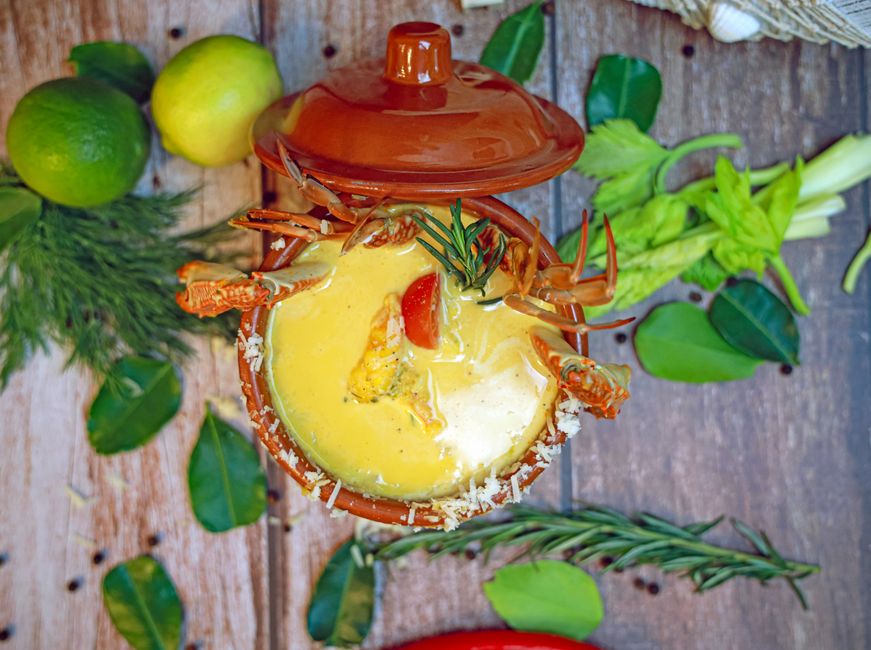
She-crab soup’s enduring popularity stems from its ability to evoke a sense of place and tradition. It is a dish that speaks of the coast, of fresh catches, and of generations of culinary heritage. It is a dish often found on the menus of historic restaurants in Charleston, contributing to the city’s reputation as a culinary destination. It is also a dish lovingly prepared in home kitchens, passed down through families. Its luxurious texture and deep, complex flavor make it a perfect choice for special occasions or for those seeking a truly indulgent seafood experience. The visual appeal, with its creamy texture and the occasional flecks of crab meat, further enhances its allure. The subtle orange hue imparted by the crab roe is instantly recognizable to those familiar with the dish.
The economic impact of she-crab soup, while not on the scale of major industries, is intrinsically linked to the local seafood economy. The demand for fresh blue crabs, particularly female crabs, supports local fishermen and seafood distributors. Restaurants that feature she-crab soup contribute to the culinary tourism sector, drawing visitors who are eager to experience authentic regional flavors. The sourcing of ingredients, from local seafood to regional produce, further strengthens the local economy. The preservation of traditional recipes and cooking methods also plays a role in maintaining a connection to the area’s cultural and culinary heritage. The very existence of she-crab soup as a signature dish reinforces the identity and appeal of South Carolina as a gastronomic destination.
In conclusion, South Carolina she-crab soup is a culinary masterpiece, a reflection of the Lowcountry’s rich history, abundant natural resources, and enduring culinary traditions. Its distinctive flavor, derived from the prized roe of female blue crabs, combined with a creamy, savory base and generous chunks of fresh crab meat, creates an unparalleled gastronomic experience. From its humble origins to its status as a beloved regional icon, she-crab soup continues to delight palates and serve as a delicious ambassador of South Carolina’s vibrant coastal cuisine. Its continued presence on menus and in home kitchens ensures that this culinary treasure will be savored for generations to come. The inherent SEO value lies in the specificity of the search term and the wealth of information available to satisfy user intent, ranging from seeking recipes to understanding the cultural significance of this iconic dish.