
Best Cutting Boards For Meat

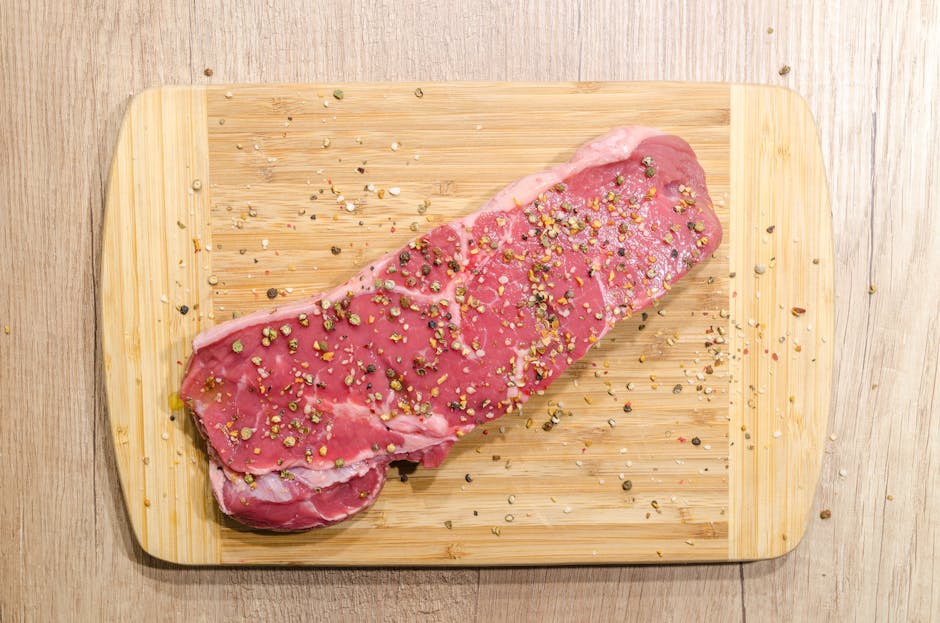
The Ultimate Guide to Choosing the Best Cutting Boards for Meat
Selecting the optimal cutting board for handling raw meat is paramount for both food safety and culinary efficiency. The material, size, design, and maintenance of a cutting board directly influence its ability to prevent cross-contamination, protect knives, and withstand the rigors of meat preparation. This comprehensive guide will delve into the critical factors that define a superior cutting board for meat, exploring the pros and cons of various materials, highlighting essential design features, and offering practical advice for proper care and hygiene, all with the aim of empowering consumers to make informed purchasing decisions and enhance their kitchen safety and functionality.
Material Matters: A Deep Dive into Cutting Board Surfaces for Meat
The material of a cutting board is the single most significant determinant of its suitability for meat preparation. Each material possesses distinct characteristics that affect its durability, knife-friendliness, ease of cleaning, and importantly, its ability to harbor or resist bacteria.
Wood: The Traditional Choice with Caveats
Wood cutting boards, particularly those made from hardwoods like maple, cherry, or walnut, have been a staple in kitchens for centuries. Their natural aesthetic appeal and gentle impact on knife edges are undeniable advantages. The porous nature of wood, however, presents a significant challenge when it comes to hygiene, especially with raw meat.
- Maple: Dense and durable, maple is a popular choice. Its tight grain minimizes liquid absorption, making it relatively resistant to staining and odor retention. Maple boards are known for their ability to self-heal minor knife marks, a characteristic that can prevent bacteria from becoming permanently embedded.
- Cherry and Walnut: These woods offer a richer aesthetic than maple and are also quite dense. Their natural oils contribute to some degree of water resistance. Like maple, they are relatively kind to knife edges.
- Bamboo: While often marketed as a sustainable and durable option, bamboo is technically a grass, not a hardwood. Its composite structure can be harder on knife edges than solid hardwoods, leading to faster dulling. Furthermore, bamboo boards are typically constructed from many small pieces glued together. The adhesives used can be a concern, and the seams between the pieces can be more prone to moisture infiltration and bacteria growth if not meticulously maintained. While many bamboo boards are marketed as safe for raw meat, ongoing research and expert opinions often lean towards denser hardwoods for superior hygiene.
- Teak: Teak is naturally resistant to moisture and decay due to its high oil content. This makes it a good choice for kitchens where humidity is a concern. However, teak can be an expensive option, and its hardness can be slightly more demanding on knife edges compared to maple.
Pros of Wood Cutting Boards for Meat:
- Knife-Friendly: Hardwoods are generally gentler on knife blades, helping them to stay sharp for longer.
- Aesthetics: Many wood boards possess a natural beauty that enhances kitchen décor.
- Self-Healing Properties: Some hardwoods can naturally “heal” minor cuts, reducing potential hiding places for bacteria.
- Non-Slip: Wood provides good traction, preventing ingredients from sliding around.
Cons of Wood Cutting Boards for Meat:
- Hygiene Concerns: The porous nature of wood makes it more susceptible to absorbing juices and harboring bacteria, especially with raw meat. Thorough and frequent sanitization is crucial.
- Staining and Odor Retention: Red meats and strong-smelling ingredients can leave stains and lingering odors if not cleaned promptly and effectively.
- Requires Seasoning: Wood boards need regular oiling (seasoning) with food-grade mineral oil or beeswax to prevent drying, cracking, and warping.
- Can be Heavy: Larger, thicker wood boards can be quite heavy.
Plastic (Polypropylene/Polyethylene): The Hygienic Workhorse
Plastic cutting boards, typically made from polypropylene or polyethylene, are widely favored for their superior hygiene and ease of cleaning, making them a strong contender for meat preparation.
- Polypropylene: This material is known for its durability and resistance to stains and odors. It’s also relatively lightweight and less abrasive to knives than some other plastics.
- High-Density Polyethylene (HDPE): HDPE is a very dense and non-porous plastic that is exceptionally hygienic. It resists staining and is easy to sanitize. Many professional kitchens opt for HDPE boards due to their robustness and ease of cleaning.
Pros of Plastic Cutting Boards for Meat:
- Exceptional Hygiene: Non-porous plastic is easy to clean and sanitize, significantly reducing the risk of bacterial cross-contamination.
- Dishwasher Safe: Most plastic cutting boards are dishwasher safe, allowing for thorough sterilization at high temperatures.
- Resistant to Stains and Odors: Unlike wood, plastic is highly resistant to absorbing stains and lingering smells from raw meats.
- Lightweight: Generally lighter than wood, making them easier to handle and maneuver.
- Affordable: Plastic cutting boards are typically more budget-friendly than high-quality wood options.
Cons of Plastic Cutting Boards for Meat:
- Knife Damage: Plastic can be harder on knife edges than wood, leading to faster dulling of blades.
- Scratches and Grooves: Frequent use and cutting can create nicks and grooves in the plastic surface, which can harbor bacteria even after washing. Boards with deep scratches should be replaced.
- Environmental Concerns: Plastic production and disposal have environmental implications.
Other Materials (Less Common for Meat):
- Glass: While visually appealing and easy to clean, glass cutting boards are extremely damaging to knife edges and can even cause knives to chip or break. They are not recommended for regular meat preparation.
- Stone (Marble, Granite): Similar to glass, stone is very hard and will quickly dull knives. It’s also porous and can stain.
- Composite Materials (e.g., Epicurean): These boards are made from compressed wood fibers and resin. They are non-porous, dishwasher safe, and relatively knife-friendly. They offer a good balance of hygiene and durability, making them a strong alternative to both wood and traditional plastic.
Key Design Features for Meat Cutting Boards
Beyond material, several design elements contribute to the functionality and safety of a cutting board for meat.
- Size and Thickness: The ideal size of a cutting board depends on the amount of counter space available and the typical size of the cuts of meat being prepared. A board that is too small can lead to juices spilling onto the counter and increases the risk of cross-contamination. For larger cuts of meat, a substantial board, at least 12×18 inches and 1-1.5 inches thick, provides ample working space and stability. Thicker boards are generally more durable and less prone to warping.
- Juice Grooves: This is a crucial feature for meat preparation. A well-designed juice groove, often referred to as a "drip groove" or "moat," runs around the perimeter of the board. Its purpose is to catch and contain meat juices, preventing them from running off the board and onto countertops. This not only maintains a cleaner workspace but also helps to prevent the spread of bacteria. The depth and width of the groove are important; too shallow, and it won’t effectively hold liquids.
- Non-Slip Base/Feet: A stable cutting board is essential for safety. Boards with rubberized feet or a textured underside will grip the countertop, preventing the board from sliding during vigorous chopping or slicing. This significantly reduces the risk of accidents.
- Handle: Some cutting boards incorporate handles, either cut-outs or integrated grips. These make the board easier to lift, carry, and maneuver, especially when transferring chopped meat or cleaning.
- Color Coding (for Professional and Safety-Conscious Home Cooks): In professional kitchens, color-coded cutting boards are a standard practice for preventing cross-contamination. Different colors are designated for different food types (e.g., red for raw meat, blue for fish, green for vegetables, yellow for poultry). While not strictly necessary for all home cooks, adopting a similar system can enhance food safety, especially for households with allergies or immunocompromised individuals. It’s advisable to dedicate a separate board solely for raw meat.
Maintaining Hygiene: The Unsung Hero of Meat Cutting Boards
Even the best cutting board for meat is ineffective if not properly cleaned and sanitized. Bacteria from raw meat can pose serious health risks if not eliminated.
- Immediate Cleaning: Clean your cutting board immediately after use, especially after preparing raw meat. Do not let it sit with meat juices on it.
- Washing:
- Plastic Boards: Wash thoroughly with hot, soapy water. Many are dishwasher safe, which is the most effective method for sterilization.
- Wood Boards: Wash by hand with hot, soapy water. Avoid soaking wood boards, as this can lead to warping and cracking. Use a stiff brush to scrub the surface and get into any minor grooves.
- Sanitizing:
- Plastic Boards: After washing, sanitize with a diluted bleach solution (1 tablespoon bleach per gallon of water) or a commercial kitchen sanitizer. Allow to air dry.
- Wood Boards: For wood, after washing, you can sanitize with a diluted vinegar solution (equal parts white vinegar and water) or by rubbing the surface with a cut lemon and salt, then rinsing thoroughly. Some people also use hydrogen peroxide. For deep sanitization, some sources suggest a quick pass with a very hot iron over a damp cloth on the board, but extreme caution is advised with this method. A more practical approach for wood is diligent cleaning and regular oiling to maintain its integrity and minimize bacterial penetration.
- Drying: Always dry cutting boards thoroughly after washing and sanitizing. Standing them upright on their side allows air to circulate and prevents moisture from being trapped, which can promote bacterial growth.
- Seasoning Wood Boards: For wood boards, apply a food-grade mineral oil or a beeswax-based conditioner every few weeks or whenever the board looks dry. This replenishes the wood’s natural oils, prevents it from drying out and cracking, and creates a more water-resistant surface.
- Replacing Damaged Boards: Inspect your cutting boards regularly for deep cuts, nicks, or deep scratches, especially on plastic boards. These grooves can harbor bacteria that are difficult to remove, even with sanitizing. When a board becomes excessively grooved or shows signs of significant wear, it’s time to replace it. For wood boards, significant warping or cracking also necessitates replacement.
Best Practices for Meat Preparation on Cutting Boards
Beyond selecting the right board and maintaining it, incorporating specific practices during meat preparation further enhances safety and efficiency.
- Separate Boards: This is paramount for preventing cross-contamination. Designate one cutting board exclusively for raw meat. Use separate boards for ready-to-eat foods, vegetables, and other ingredients.
- Clean as You Go: Wipe down your cutting board and utensils frequently during food preparation, especially when switching between different food items.
- Handle Raw Meat Carefully: Avoid touching your face, hair, or other surfaces after handling raw meat without washing your hands thoroughly.
- Wash Hands Frequently: Wash your hands with soap and warm water for at least 20 seconds after handling raw meat, before and after preparing food, and after using the restroom.
- Don’t Use a Cutting Board for Multiple Purposes Without Thorough Cleaning: If you must use the same board for different tasks, wash and sanitize it thoroughly between each use.
Conclusion: Investing in Your Kitchen’s Safety and Efficiency
The choice of a cutting board for meat is not merely an aesthetic decision; it is a critical component of kitchen safety and culinary success. By understanding the distinct properties of wood and plastic, prioritizing features like juice grooves and non-slip bases, and committing to rigorous cleaning and sanitization practices, consumers can significantly reduce the risk of foodborne illness and protect their valuable knives. A well-chosen and well-maintained cutting board is an investment in a safer, more efficient, and more enjoyable cooking experience. Whether you opt for the natural charm of hardwood with diligent upkeep or the hygienic simplicity of high-quality plastic, the key lies in informed selection and unwavering attention to hygiene.


