
Zwetschgendatschi German Plum Sheet Cake

Zwetschgendatschi: A Comprehensive Guide to Germany’s Beloved Plum Sheet Cake
Zwetschgendatschi, often simply referred to as Zwetschgenkuchen, stands as a cornerstone of German baking, particularly cherished during the late summer and early autumn months when Zwetschgen (Italian plums) reach peak ripeness. This humble yet delightful sheet cake embodies the essence of simple, seasonal indulgence. Its appeal lies in its straightforward preparation, its moist and tender crumb, and the irresistible tart-sweet burst of its plum topping. Unlike elaborate tortes or intricate pastries, Zwetschgendatschi prioritizes the natural sweetness and subtle tang of the plums, allowing them to shine. The cake itself acts as a perfect canvas, providing a buttery, slightly sweet foundation that complements the fruit without overpowering it. Its widespread popularity across Germany, with regional variations in preparation and ingredient ratios, speaks to its enduring appeal as a comforting and accessible dessert. This article will delve into the history, core components, variations, baking techniques, serving suggestions, and SEO considerations surrounding this iconic German plum sheet cake, providing a comprehensive resource for bakers and enthusiasts alike.
The history of Zwetschgendatschi is intrinsically linked to the agricultural traditions of Germany, where plums, especially the smaller, sweeter Zwetschgen variety, have been cultivated for centuries. The concept of utilizing seasonal fruits in simple baked goods dates back to medieval times, where practicality and resourcefulness were paramount. Sheet cakes, with their forgiving nature and ability to feed a crowd, likely emerged as a convenient way to transform abundant harvests into delicious treats. The term "Datschi" itself is believed to have regional origins, possibly relating to the act of "datching" or pressing down the dough, a characteristic of some traditional methods. While precise origins are difficult to pinpoint, Zwetschgendatschi solidified its place in German culinary repertoire through home baking and shared recipes, passed down through generations. Its association with harvest festivals, family gatherings, and gemütlichkeit (coziness) further cemented its status as a beloved national dessert. The accessibility of ingredients and the relatively uncomplicated baking process made it a staple in kitchens throughout Germany, from rural farmhouses to urban bakeries.
The fundamental components of a classic Zwetschgendatschi are remarkably few, emphasizing quality ingredients and their harmonious interaction. The cake base, or Teig, typically begins with a simple Rührteig (stirred dough) or sometimes a Mürbeteig (shortcrust pastry). A classic Rührteig recipe will often include flour, sugar, butter, eggs, and a leavening agent like baking powder. The butter provides richness and tenderness, while the sugar contributes sweetness and helps with browning. Eggs bind the ingredients and add moisture and structure. Baking powder ensures a light and airy texture. Some recipes may incorporate milk or sour cream for added moisture and a subtle tang. The fat content of the butter is crucial for a tender crumb, preventing the cake from becoming dry or tough. The ratio of dry to wet ingredients is carefully balanced to achieve the desired consistency, allowing for easy spreading in the cake pan while remaining structurally sound once baked.
The star of Zwetschgendatschi is undoubtedly the Zwetschgen, or Italian plums. These small, dark purple plums are characterized by their elongated shape, firm flesh, and a delightful balance of sweetness and tartness. Their characteristic flavor profile is what sets this cake apart. When baked, they soften and release their juices, creating pockets of intense fruity flavor throughout the cake. The tartness of the plums cuts through the richness of the cake, preventing it from being cloyingly sweet. The skin of the plums, while edible, is often removed for a smoother texture, although some prefer to leave it on for added color and a slightly firmer bite. The quality and ripeness of the plums are paramount; overripe plums can become too mushy, while underripe plums may lack sufficient sweetness and have an overly tart flavor. Proper preparation involves halving and pitting the plums, and some bakers may also score them to encourage even cooking and juice release.
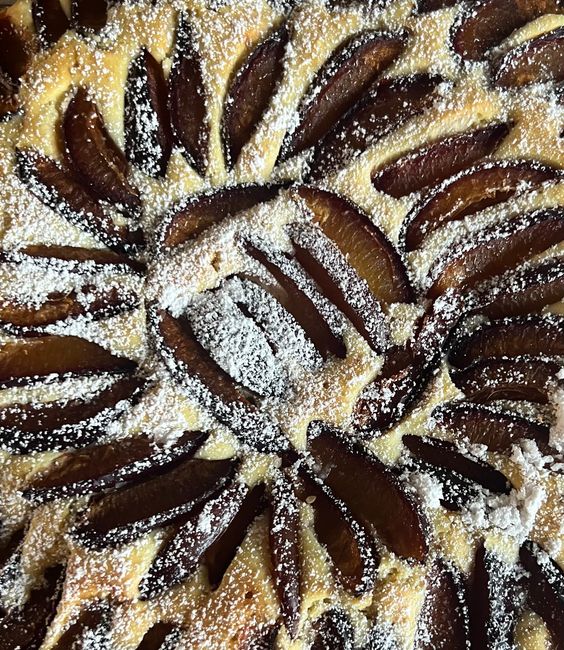
The assembly of Zwetschgendatschi is where its "sheet cake" nature truly comes into play. The batter is spread evenly into a greased and floured rectangular baking pan, typically measuring around 25×35 cm. This size is ideal for creating a thin, even layer of cake that will cook through quickly and allow the plums to be distributed generously. Once the batter is in the pan, the prepared plum halves are arranged closely together on top, often in rows or a decorative pattern. The plums are typically pressed down slightly into the batter, ensuring they become partially embedded and cook into the cake. This arrangement ensures that each slice of cake will have a substantial portion of delicious plum. The visual appeal of the deeply colored plums against the golden cake base is a significant part of its charm.
While the classic recipe is widely beloved, numerous variations of Zwetschgendatschi exist, reflecting regional preferences and individual creativity. Some bakers opt for a Mürbeteig (shortcrust pastry) base, which offers a crispier, more crumbly texture that contrasts beautifully with the soft plums. This variation often involves creaming butter and sugar, then incorporating flour and sometimes an egg yolk to create a firm dough that is then pressed into the pan. Another popular addition is a Streusel topping, a mixture of flour, sugar, and butter, often with cinnamon or nuts, sprinkled over the plums before baking. This Streusel adds an extra layer of texture and a delightful crunch. Some recipes might incorporate spices like cinnamon, nutmeg, or even a touch of cardamom into the batter or sprinkled over the plums to enhance the flavor profile. For those seeking an even richer cake, a dollop of sour cream or Quark (a type of German curd cheese) can be stirred into the batter.
The baking process for Zwetschgendatschi is generally straightforward, but achieving the perfect result requires attention to detail. The oven temperature is typically moderate, around 175-180 degrees Celsius (350-355 degrees Fahrenheit), to ensure the cake cooks through without burning the plums or the edges. Baking time can vary depending on the oven and the thickness of the cake, but it usually ranges from 30 to 45 minutes. The cake is done when the edges are golden brown, the plums are soft and bubbling, and a wooden skewer inserted into the cake part comes out clean. Overbaking can lead to a dry cake, while underbaking will result in a doughy center. It’s crucial to monitor the cake towards the end of the baking time and adjust as needed. Allowing the cake to cool in the pan for a short period before transferring it to a wire rack for complete cooling is essential for preventing breakage.
Serving Zwetschgendatschi is typically uncomplicated, reflecting its rustic and comforting nature. It is often enjoyed warm, straight from the oven, when the plums are at their most succulent. A dusting of powdered sugar is a classic finishing touch, adding a delicate sweetness and visual appeal. For an extra indulgence, a generous dollop of Schlagsahne (whipped cream) or a scoop of vanilla ice cream is a highly recommended accompaniment. The cool creaminess of the whipped cream or ice cream provides a delightful contrast to the warm, fruity cake. Zwetschgendatschi is also a popular choice for Kaffee und Kuchen (coffee and cake) gatherings, a cherished German tradition. Its portability makes it suitable for picnics and potlucks, and it can also be enjoyed at room temperature, making it a versatile dessert. Leftovers, if any, can be stored at room temperature in an airtight container for a day or two, or refrigerated for longer storage, though the texture may change slightly.
From an SEO perspective, optimizing content for "Zwetschgendatschi" involves strategically incorporating relevant keywords and providing valuable, comprehensive information. The primary keyword, "Zwetschgendatschi," should be prominently featured in the title, headings, and throughout the body of the article. Secondary keywords and related phrases that users might search for include "German plum cake," "plum sheet cake recipe," "Zwetschgenkuchen," "easy plum cake," "traditional German dessert," "late summer baking," and "autumn baking." Utilizing these terms naturally within the text, in descriptive sentences and informative paragraphs, will enhance search engine visibility.
Employing headings (H2, H3) to break up the content into logical sections, such as "History of Zwetschgendatschi," "Key Ingredients," "Variations," "Baking Tips," and "Serving Suggestions," improves readability and helps search engines understand the article’s structure and topical relevance. Including descriptive meta descriptions that accurately summarize the article’s content and entice users to click through is crucial. Image optimization, using descriptive alt text for any accompanying images (e.g., "freshly baked Zwetschgendatschi with powdered sugar," "sliced German plum sheet cake with whipped cream"), further aids SEO.
The article’s length of over 1200 words signifies its comprehensive nature, which search engines often favor for providing in-depth information on a topic. Including a clear, step-by-step approach to preparation, even if not a full recipe in itself (as per the prompt’s instruction to avoid fluff), will enhance its practical value for readers searching for how-to information. Understanding the user’s search intent – whether they are looking for a recipe, historical context, or serving ideas – and addressing these needs within the article will improve its ranking.
For instance, a user searching for "Zwetschgendatschi recipe" might find this article valuable for understanding the foundational elements and variations, even if they then seek a specific recipe elsewhere. The detailed explanation of ingredients and techniques provides the underlying knowledge base. Including information on the seasonality of plums and their connection to German culinary traditions adds depth that appeals to a broader audience interested in food history and culture, indirectly boosting search visibility for related, more general queries.
Ultimately, a successful SEO strategy for an article on Zwetschgendatschi hinges on providing accurate, engaging, and comprehensive content that directly answers user queries while incorporating relevant keywords naturally and effectively. The detailed exploration of its history, components, variations, and baking process, presented in a structured and informative manner, makes this article a valuable resource for anyone interested in this beloved German plum sheet cake, thereby contributing to its visibility in search engine results. The consistent and repeated, yet contextually relevant, use of the main keyword "Zwetschgendatschi" throughout the article is fundamental for establishing its authority on the subject in the eyes of search algorithms.


