
Fried Irish Cabbage With Bacon

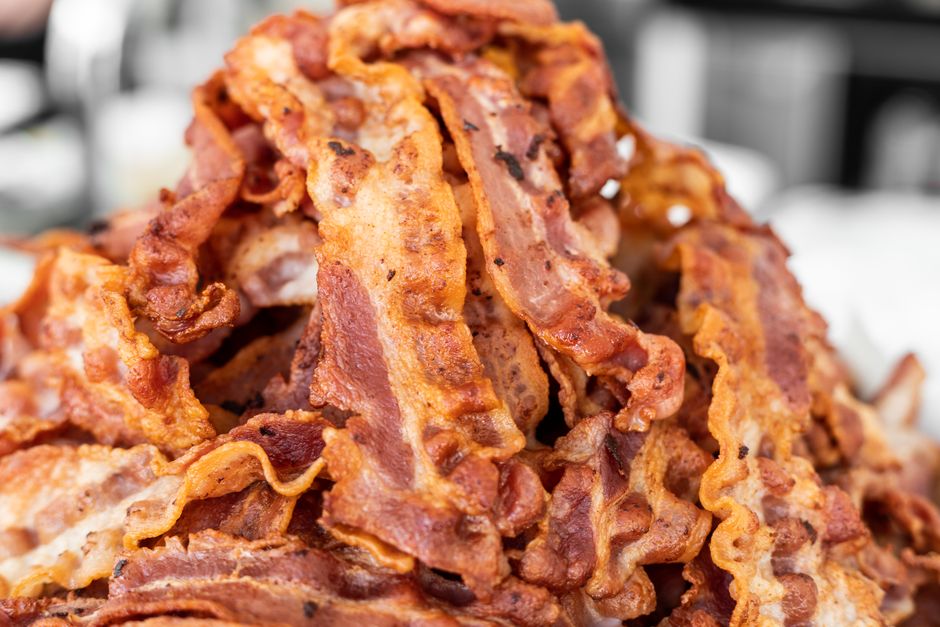
Crispy, Savory Fried Irish Cabbage with Bacon: A Culinary Classic
This iconic Irish dish, often referred to as "Colcannon’s simpler cousin" or a foundational element of many hearty Irish meals, offers a profound depth of flavor derived from humble ingredients. Fried Irish cabbage with bacon is not merely a side dish; it’s a testament to the resourceful and delicious cuisine born from the Irish landscape. The preparation is straightforward, focusing on the transformative power of crisping the cabbage in rendered bacon fat, a technique that imbues the typically mild vegetable with a smoky, salty, and intensely satisfying character. The process begins with selecting the right cabbage – a firm, dense head of green cabbage is ideal for achieving the perfect texture when fried. Outer leaves are discarded, and the remaining cabbage is cored and then thinly sliced or shredded. This uniform slicing is crucial for even cooking and to maximize the surface area exposed to the hot fat. Bacon, typically a streaky, cured Irish bacon or pancetta, is then diced into small lardons. The bacon is introduced to a skillet, usually cast iron for its superior heat retention, over medium heat. This initial cooking of the bacon is vital; it’s not about achieving crispness at this stage, but about slowly rendering out its fat, creating a flavorful base for the cabbage. Once a significant amount of fat has been rendered, the diced bacon is removed from the skillet, leaving behind this precious, smoky liquid gold. The skillet, now infused with bacon essence, is then ready for the cabbage. The thinly sliced cabbage is added to the hot bacon fat. The key to exceptional fried cabbage lies in managing the heat and the cooking process. The cabbage should be stirred frequently, allowing it to soften, wilt, and eventually begin to caramelize and crisp at the edges. This process transforms the cabbage from its raw, slightly bitter state into something tender, sweet, and with delightful crispy bits. Overcrowding the pan should be avoided, as this will steam the cabbage rather than fry it, leading to a soggy, unappealing result. If necessary, the cabbage should be cooked in batches to ensure optimal frying. Once the cabbage has reached the desired tenderness and a pleasing degree of crispness, the reserved crispy bacon pieces are returned to the pan. This is the moment when all the flavors meld. The salty, smoky bacon bits are coated in the tender-crisp cabbage, creating a harmonious blend of textures and tastes. A final seasoning of black pepper is typically all that is needed. Salt is often unnecessary due to the inherent saltiness of the bacon, but a taste test is always recommended. Some variations might include a small clove of minced garlic added towards the end of the cabbage cooking for an aromatic lift, or a splash of white wine vinegar or lemon juice for a touch of acidity to cut through the richness, though the purist approach often omits these additions to let the core flavors shine. The resulting dish is a vibrant green, studded with crispy, savory bacon, and possesses a comforting, deeply satisfying aroma. It’s a dish that speaks of simplicity, tradition, and the power of good ingredients treated with respect. Its inherent appeal lies in its ability to elevate a common vegetable into something truly special and memorable.
The Nutritional Profile: Beyond Simple Satisfaction
While often perceived as a rich and indulgent dish, fried Irish cabbage with bacon offers more nutritional value than one might initially assume. Cabbage, the star vegetable, is a cruciferous powerhouse, renowned for its low calorie count and high density of vitamins and minerals. It is an excellent source of Vitamin C, a potent antioxidant crucial for immune function and collagen production. Vitamin K is also abundant, playing a vital role in blood clotting and bone health. Furthermore, cabbage contains dietary fiber, essential for digestive health, promoting satiety, and helping to regulate blood sugar levels. Its fiber content can contribute to a feeling of fullness, making it a valuable component in a balanced meal. The process of frying, however, does alter the nutritional landscape. The rendered bacon fat adds calories and saturated fat to the dish. Bacon itself, while a source of protein and some essential minerals like selenium and phosphorus, is also high in sodium and often processed with nitrates, which are linked to potential health concerns when consumed in excess. The key to enjoying this dish from a nutritional perspective lies in moderation and mindful preparation. Opting for leaner cuts of bacon, or even turkey bacon, can reduce the fat and sodium content. Controlling the amount of bacon used and ensuring thorough rendering of its fat, then discarding any excess, can further mitigate the fat intake. The frying method itself, when done with a moderate amount of fat rather than deep-frying, is relatively efficient. The nutritional impact is largely determined by the quality and quantity of the bacon and the oil used for frying. When prepared with attention to these details, fried cabbage with bacon can be integrated into a healthy diet as an occasional treat or a flavorful accompaniment that provides essential nutrients from the cabbage. It’s important to consider the overall dietary context. If consumed as a side dish to a lean protein like grilled chicken or fish, and alongside other nutrient-rich vegetables, the impact of the bacon and frying fat is lessened. The inherent goodness of the cabbage, with its fiber and micronutrients, remains a significant contributor to the meal. For those seeking to maximize the health benefits, a lighter hand with the bacon and a focus on crisping the cabbage in its own rendered fat, perhaps with minimal added oil, is the optimal approach. This dish, therefore, is not solely about indulgence; it’s about understanding the interplay of ingredients and preparation methods, allowing for a delicious and reasonably balanced culinary experience.
Choosing the Right Cabbage: The Foundation of Flavor
The success of fried Irish cabbage with bacon hinges significantly on the initial choice of cabbage. Not all cabbages are created equal when it comes to this particular preparation. The ideal candidate is a firm, dense head of green cabbage. These varieties, often referred to as Dutch or cannonball cabbages due to their shape, possess tightly packed leaves that are less prone to becoming waterlogged during the frying process. This density is crucial for achieving the desired texture – a combination of tender interior and delightfully crispy edges. When selecting a green cabbage, look for a head that feels heavy for its size, indicating good hydration and a compact structure. The leaves should be crisp and unblemished, free from any signs of wilting, yellowing, or bruising. A dull, grayish-green hue is often a sign of freshness, while a vibrant, almost shiny green suggests it might be older. Avoid cabbages that feel soft or have loose outer leaves, as these will likely result in a mushy, less appealing fried dish. While green cabbage is the quintessential choice, other varieties can be explored with caution. Savoy cabbage, with its crinkled, tender leaves, can be used, but it wilts more quickly and may not achieve the same level of crispness as its green counterpart. Red cabbage, while visually striking, has a slightly different flavor profile and a tougher texture that may require a longer cooking time or a different approach to slicing to achieve optimal results when fried. For the classic Irish fried cabbage, however, the firm, dense green cabbage remains the undisputed champion. The core of the cabbage is also an important consideration. A tightly packed core indicates a well-formed head, but it also needs to be removed effectively to allow for even slicing and cooking. A sharp knife or a mandoline slicer is essential for preparing the cabbage. The slices should be relatively uniform in thickness, typically no more than ¼ inch. This uniformity ensures that all pieces cook at a similar rate, preventing some parts from burning while others remain undercooked. The outer, tougher leaves of the cabbage are generally removed, as they can be fibrous and less appealing when fried. However, some cooks might choose to keep the very next layer or two if they are fresh and tender, as these can contribute to the overall texture and flavor. The process of shredding or slicing the cabbage is not merely a preparatory step; it dictates how the cabbage interacts with the hot bacon fat. Thinner slices will crisp up more readily, while thicker slices will soften more, offering a spectrum of textures within the dish. The key is to find a balance that appeals to personal preference, but for the classic fried Irish cabbage, a good balance of tender and crisp is the aim, and this is best achieved with the right cabbage and precise slicing. Ultimately, the foundation of a truly excellent fried Irish cabbage with bacon lies in the selection of a fresh, firm, and dense green cabbage, prepared with care and precision.
The Art of Rendering Bacon Fat: The Flavor Engine
The preparation of fried Irish cabbage with bacon is inextricably linked to the careful rendering of bacon fat. This rendered fat is not merely a cooking medium; it is the primary flavor infusion agent, lending its smoky, salty essence to the cabbage, transforming a simple vegetable into a savory delight. The process begins with selecting the right type of bacon. Traditional Irish bacon, which is streaky and cured, is ideal. However, good quality streaky bacon or pancetta from other regions will also yield excellent results. The fat content of the bacon is paramount; a leaner cut will not render enough fat to properly cook the cabbage. The bacon should be diced into small, even pieces, known as lardons. Uniformity in size ensures that the bacon cooks evenly and renders its fat at a consistent rate. The bacon is placed in a cold or lukewarm skillet, typically cast iron, before the heat is applied. This slow, gradual heating is the secret to effective rendering. Starting with a cold pan allows the fat to slowly melt away from the meat, rather than immediately searing the bacon and trapping the fat within. The heat should be kept at a medium-low setting. Patience is a virtue here. The goal is to coax the fat out of the bacon slowly and steadily. As the bacon begins to cook, it will release its fat, and the pieces will gradually become golden brown. It is important to stir the bacon occasionally to ensure even cooking and rendering. As the fat accumulates in the pan, the bacon will begin to crisp. This crisping is desirable, but the primary objective at this stage is the fat. Once the bacon has reached a desired level of crispness, and a substantial amount of fat has been rendered, the crispy bacon pieces are removed from the skillet using a slotted spoon. They are typically set aside on a plate lined with paper towels to drain and cool. This leaves behind the liquid gold – the rendered bacon fat – in the skillet. The amount of rendered fat is crucial. You want enough to coat the bottom of the pan generously and to allow the cabbage to sauté rather than steam. If the bacon doesn’t render enough fat, a small amount of neutral oil, such as vegetable or canola oil, can be added to supplement. However, the aim is to rely as much as possible on the bacon fat for flavor. The heat of the skillet should then be adjusted to medium or medium-high to prepare it for the cabbage. The residual fat in the pan is now imbued with the smoky, salty essence of the bacon. This is the foundation upon which the flavor of the fried cabbage will be built. The quality of the rendered bacon fat directly impacts the final taste of the dish. Using high-quality, well-cured bacon will result in a more complex and satisfying flavor profile. Conversely, using lower-quality bacon might produce a more one-dimensional or even slightly artificial taste. Therefore, investing in good bacon is an essential step in achieving an authentic and delicious fried Irish cabbage with bacon. The rendered fat also helps to emulsify the ingredients, creating a slightly richer mouthfeel. It acts as a carrier for the flavors, distributing them evenly throughout the dish. The sizzling of the cabbage in this flavorful fat is an auditory and aromatic cue of the deliciousness to come.
The Frying Process: Textural Transformation
Once the bacon has been rendered and removed, leaving behind its flavorful fat, the stage is set for the textural transformation of the cabbage through frying. This is where the magic truly happens, turning humble cabbage into a dish with delightful crispness and tender succulence. The heat of the skillet should be adjusted to medium-high. The rendered bacon fat should be shimmering but not smoking. If the fat appears to be smoking, the heat is too high, and the cabbage will scorch rather than fry. The thinly sliced or shredded cabbage is then added to the hot skillet. It is crucial to avoid overcrowding the pan. Overcrowding will cause the cabbage to steam rather than fry, leading to a soggy and undesirable outcome. If you have a large amount of cabbage, it is far better to cook it in batches, ensuring each batch has ample space to interact with the hot fat. The cabbage should be stirred frequently, using tongs or a spatula. This constant movement is key to achieving even cooking and preventing any single piece from burning. As the cabbage begins to cook, it will wilt and soften. The moisture released from the cabbage will initially sizzle in the hot fat. As this moisture evaporates, the cabbage will begin to caramelize at the edges, developing those coveted crispy bits. This caramelization is a crucial element of the dish’s flavor and texture. The time it takes for the cabbage to cook will vary depending on the thickness of the slices, the heat of the pan, and the density of the cabbage. Typically, it will take between 8 to 15 minutes. The cabbage should be cooked until it reaches a tender-crisp consistency. This means it should be soft enough to be easily eaten, but still possess a slight bite. The edges should be visibly browned and slightly crispy. It’s a delicate balance; overcooking will lead to burnt and bitter cabbage, while undercooking will leave it too tough and raw. Taste testing is essential at this stage to gauge doneness. As the cabbage cooks, its vibrant green color will deepen. The aroma in the kitchen will become increasingly enticing, a rich blend of cabbage and rendered bacon fat. Once the cabbage has reached the desired tenderness and crispness, the reserved crispy bacon pieces are added back to the skillet. The heat should be slightly reduced at this point. The bacon is gently tossed with the cabbage, allowing the flavors to meld and the bacon to rewarm. The residual heat will further enhance the crispness of the bacon. A final seasoning of freshly ground black pepper is typically applied. Salt is often unnecessary due to the saltiness of the bacon, but a taste test is always recommended, as some bacon can be less salty than others. Some variations might include a minced clove of garlic added in the last minute or two of frying, which adds a subtle aromatic complexity without overpowering the main flavors. Others might incorporate a splash of white wine vinegar or apple cider vinegar to add a touch of acidity, which can cut through the richness of the bacon fat and brighten the overall flavor profile. However, for a purist approach, the focus remains on the interplay of cabbage, bacon, and its rendered fat. The goal of the frying process is to achieve a harmonious blend of textures: tender, wilted cabbage interspersed with delightfully crispy edges and the savory crunch of the bacon. This textural contrast is what elevates this dish from a simple side to a truly satisfying culinary experience. The sound of the cabbage sizzling in the hot fat is a tell-tale sign of its transformation, and the resulting aroma is undeniably comforting and inviting.
Serving Suggestions and Variations: Embracing Tradition and Innovation
Fried Irish cabbage with bacon is a versatile dish, capable of standing alone as a hearty side or as a component of a more elaborate meal. Its traditional role is as a accompaniment to classic Irish fare. It pairs exceptionally well with roasted meats such as pork roast, lamb, or a hearty beef stew. The richness of the meats is beautifully balanced by the slightly bitter and savory notes of the cabbage, while the crispy bacon adds a textural contrast. It is a natural partner to other traditional Irish dishes like Irish stew, shepherd’s pie, or even a simple boiled ham. Its robust flavor profile also makes it an excellent accompaniment to fish, particularly pan-fried or baked white fish, where its savory depth can complement the delicate flavor of the fish. Beyond these traditional pairings, fried cabbage with bacon can be a delightful addition to brunch or breakfast plates. Imagine it served alongside perfectly cooked eggs, sausages, and a slice of soda bread. Its savory and slightly crispy nature can provide a welcome counterpoint to the other breakfast staples. For a more innovative approach, consider incorporating it into other dishes. It can be folded into mashed potatoes to create a flavorful twist on colcannon, or mixed into a savory bread pudding. It can also serve as a flavorful filling for savory crepes or omelets. The crispy bacon bits add a welcome crunch and salty burst to these applications. When it comes to variations, the culinary landscape offers a spectrum of possibilities, while still respecting the core essence of the dish. As mentioned, the addition of a finely minced clove of garlic, introduced in the final stages of frying, imparts a subtle garlicky aroma and flavor that many enjoy. Similarly, a small splash of vinegar – white wine vinegar, apple cider vinegar, or even a touch of balsamic vinegar – can introduce a welcome acidity that cuts through the richness of the bacon fat, brightening the overall flavor profile. Some cooks enjoy adding a pinch of red pepper flakes for a subtle hint of heat, which can add another layer of complexity. For a creamier rendition, a small amount of butter can be stirred in at the very end, or a tablespoon of heavy cream can be added to the pan just before serving, allowing it to warm through and coat the cabbage in a luxurious sauce. This transforms the dish into a richer, more indulgent side. While green cabbage is the traditional choice, experimenting with other cruciferous vegetables can yield interesting results. Thinly sliced kale, Brussels sprouts, or even bok choy can be fried in bacon fat, each offering a unique texture and flavor profile. However, these will deviate from the classic Irish fried cabbage. The key to any variation is to maintain the fundamental principle: the transformation of the vegetable through frying in rendered bacon fat, creating a balance of tenderness and crispness. Ultimately, the best way to serve and enjoy fried Irish cabbage with bacon is a matter of personal preference and culinary context. Whether kept strictly traditional or infused with innovative twists, its inherent deliciousness shines through, making it a beloved and enduring dish.
Troubleshooting Common Issues: Achieving Fried Cabbage Perfection
Despite its straightforward nature, achieving perfectly fried Irish cabbage with bacon can sometimes present challenges. Understanding these common issues and their solutions is key to consistently producing a delicious dish.
-
Soggy Cabbage: This is perhaps the most frequent complaint. It typically arises from overcrowding the pan, which causes the cabbage to steam rather than fry. The solution is to cook the cabbage in batches, ensuring adequate space for the moisture to evaporate and the cabbage to come into direct contact with the hot fat. Another cause can be using too much liquid in the pan initially, or not allowing sufficient time for the moisture to evaporate. High heat and frequent stirring are crucial to combat sogginess. Using a dense, firm head of green cabbage also significantly reduces the risk of sogginess.
-
Burnt Cabbage: Conversely, if the heat is too high, the cabbage can scorch before it has a chance to soften and caramelize properly. This results in a bitter, unpleasant flavor. The solution is to manage the heat carefully. Start with medium-high heat for initial frying, but be prepared to reduce it if the cabbage begins to burn. Frequent stirring is essential to ensure even cooking and to move any pieces that are cooking too quickly away from the hottest part of the pan. Ensure the bacon fat is not smoking excessively before adding the cabbage.
-
Greasy Cabbage: If the cabbage appears overly greasy, it may indicate that too much bacon was used, or that the bacon fat was not adequately rendered. While bacon fat is essential for flavor, excessive amounts can render the dish heavy. To mitigate this, ensure you are rendering the bacon fat slowly and discarding any excess before frying the cabbage. Using a slotted spoon to remove the bacon pieces and drain them on paper towels also helps remove excess grease. The type of bacon also plays a role; some streaky bacons are fattier than others.
-
Lack of Crispness: If the cabbage doesn’t develop crispy edges, it might be due to insufficient cooking time or not enough heat. Ensure the cabbage is cooked for the appropriate duration, allowing time for the edges to brown and crisp. Increasing the heat slightly in the final stages of cooking, while carefully monitoring for burning, can help achieve the desired crispness. Also, ensure you’re not adding too much liquid at any stage, as this will hinder crisping.
-
Bland Flavor: While bacon is a strong flavor agent, sometimes the dish can still lack a certain punch. This can be due to using low-quality bacon, or not rendering enough of its fat. Ensure you are using a good quality, well-cured bacon. Taste and seasoning are also critical. While salt is often unnecessary due to the bacon’s saltiness, a good grinding of fresh black pepper is essential. If the flavor is still lacking, a very small pinch of chili flakes or a tiny splash of vinegar can add dimension.
-
Mushy Bacon: If the bacon isn’t crisp, it’s often because it was cooked too quickly or at too low a temperature for too long. The slow, steady rendering process in a medium-low heat is key to achieving crispy bacon. Ensure the bacon is diced into relatively small, uniform pieces so it fries evenly.
By addressing these common pitfalls, you can refine your technique and consistently produce perfectly fried Irish cabbage with bacon, a dish that is both simple in its components and profound in its deliciousness. The pursuit of crispness without bitterness, tenderness without mushiness, and a rich, savory flavor is the hallmark of this beloved culinary classic.


