
Tag Dairy Free Soup

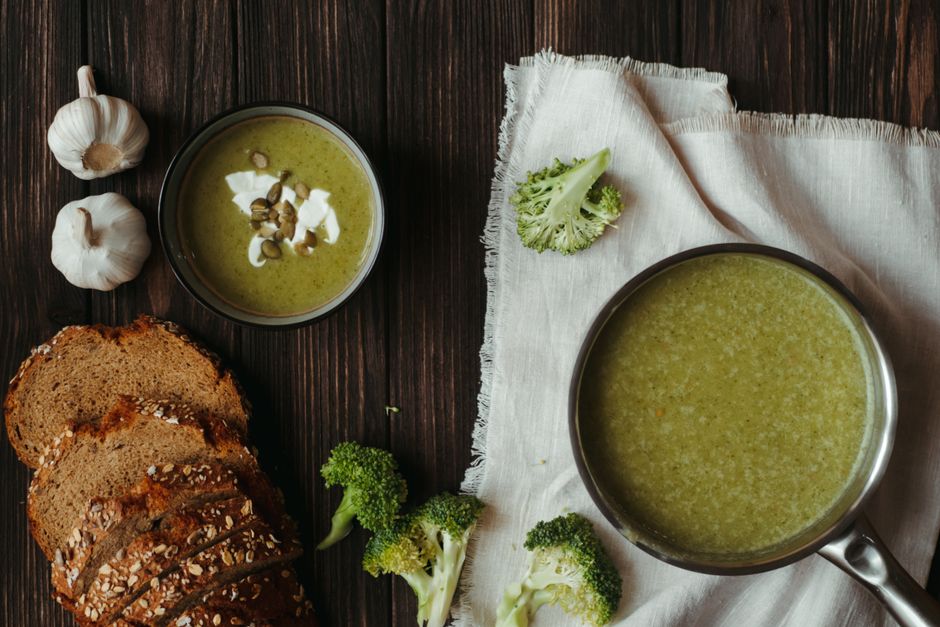
Dairy-Free Soups: A Comprehensive Guide to Flavorful and Wholesome Options
Navigating the culinary landscape of dairy-free living, particularly when it comes to comfort food staples like soup, can present unique challenges. However, the absence of dairy does not equate to an absence of flavor or creamy indulgence. This comprehensive guide explores the vast and delicious world of dairy-free soups, offering practical advice, ingredient insights, and recipe inspiration for those seeking hearty, satisfying, and allergy-conscious meals. From vibrant vegetable broths to rich and velvety purees, dairy-free soups are not only accessible but also incredibly versatile, catering to a wide range of dietary needs and taste preferences. The key lies in understanding how to substitute traditional dairy components without sacrificing texture or depth of flavor. This involves exploring a variety of plant-based milks, fats, and thickening agents, alongside a focus on building robust flavor profiles through herbs, spices, and aromatics. Whether you are lactose intolerant, vegan, or simply aiming to reduce dairy intake, this article will equip you with the knowledge to create exceptional dairy-free soups that will become cherished additions to your recipe repertoire.
The foundation of any great soup, dairy-free or otherwise, lies in its broth. For dairy-free variations, a high-quality vegetable broth is paramount. Opt for store-bought organic vegetable broth for convenience, or create your own by simmering vegetable scraps such as onion skins, carrot peels, celery ends, and herb stems in water for an extended period. This homemade broth offers a more concentrated and nuanced flavor. For added depth, consider using mushroom broth, which imparts an earthy, umami-rich character that can often mimic the savory notes found in traditionally dairy-based soups. Nutritional yeast is another indispensable tool in the dairy-free pantry, lending a cheesy, savory flavor without any dairy. Sprinkle it into broths, sauces, and purees to elevate their complexity. When aiming for a creamy texture without dairy, several plant-based alternatives come to the forefront. Unsweetened coconut milk, particularly the full-fat canned variety, provides a rich and luxurious base, ideal for curries and bisque-style soups. Be mindful of its distinct flavor profile, which pairs exceptionally well with spices like ginger, turmeric, and cumin. Cashew cream, made by soaking raw cashews and blending them with water until smooth, offers a neutral yet wonderfully creamy consistency, perfect for enriching a variety of soups without imparting a strong flavor. Almond milk, while thinner, can be used as a lighter base or as a liquid component in conjunction with other thickening agents. Soy milk, when unsweetened, can also contribute to creaminess, though some individuals may have soy sensitivities. For thickening, beyond the natural starchiness of pureed vegetables, consider ingredients like pureed white beans (cannellini or great northern), which add both creaminess and protein, or a roux made with dairy-free butter or oil and flour. A slurry of cornstarch or arrowroot powder can also effectively thicken liquids without altering the flavor profile significantly.
Exploring specific categories of dairy-free soups reveals the breadth of possibilities. Vegetable-forward soups are inherently adaptable. A hearty lentil soup, for instance, gains depth from a mirepoix of onions, carrots, and celery, and can be made even more satisfying with the addition of diced tomatoes and a generous amount of herbs like thyme and rosemary. For a creamy vegetable option, a roasted root vegetable soup – think butternut squash, sweet potato, or parsnip – is a natural choice. Roasting the vegetables intensifies their sweetness and creates a richer flavor base. Pureeing them with vegetable broth and a touch of full-fat coconut milk or cashew cream results in a velvety smooth and deeply flavorful soup. Tomato soup, a classic comfort food, can be elevated to dairy-free perfection. Instead of cream, consider blending in a handful of soaked cashews or using a richer, more concentrated tomato paste in addition to crushed tomatoes. A touch of smoked paprika can add an unexpected layer of complexity. When venturing into globally inspired dairy-free soups, the options expand even further. Thai coconut curry soups, brimming with aromatic spices, lemongrass, ginger, and chili, naturally lend themselves to a coconut milk base, offering an explosion of flavor and a satisfying creamy texture. Indian dals, such as red lentil or yellow split pea, are traditionally dairy-free and rely on a fragrant tempering of spices (tadka) for their incredible depth. These are often thickened by the natural breakdown of the legumes during cooking. Mexican-inspired black bean or tortilla soups can be made creamy by pureeing some of the beans into the broth and topping with avocado, cilantro, and dairy-free crema alternatives.
For those seeking a more substantial and protein-rich dairy-free soup, legumes and grains play a crucial role. Hearty bean soups, utilizing cannellini beans, kidney beans, or chickpeas, provide a filling and nutritious base. Adding vegetables like kale or spinach towards the end of cooking boosts the nutritional profile. Quinoa or barley can be incorporated into brothy soups to add texture and a satisfying chew. A classic chicken noodle soup can be reinterpreted in a dairy-free manner by using a flavorful chicken broth (ensure it’s free from dairy additives) and ensuring the noodles are egg-free and dairy-free. The noodles themselves contribute to the body of the soup. For a robust and filling experience, consider a mushroom barley soup. The earthy mushrooms and chewy barley create a deeply satisfying texture, and the broth can be enriched with a touch of soy sauce or tamari for umami. When focusing on protein, consider adding shredded chicken or shredded tofu to brothy soups. A Thai-inspired tom yum or tom kha, when made dairy-free, often utilizes chicken or shrimp broth and coconut milk for its signature creamy and tangy profile. The protein from the seafood or chicken adds significant substance.
The art of seasoning is paramount in crafting exceptionally flavorful dairy-free soups. Beyond salt and pepper, consider a diverse array of herbs and spices. Fresh herbs like parsley, cilantro, chives, and dill can add bright, fresh notes, especially when stirred in just before serving. Dried herbs like thyme, rosemary, oregano, and bay leaves are excellent for infusing flavor into broths during the simmering process. Aromatic vegetables such as garlic, onions, leeks, and shallots form the flavor backbone of many soups. Sautéing them until softened and slightly caramelized unlocks their natural sweetness and depth. Spices offer a vast spectrum of flavor. Smoked paprika can add a smoky depth without meat. Cumin, coriander, and turmeric are staples in many globally inspired soups, offering warmth and earthy complexity. Chili flakes or fresh chilies can provide a welcome kick of heat. A squeeze of lemon or lime juice at the end of cooking can brighten flavors and cut through richness, a technique that is particularly effective in dairy-free soups where acidity can sometimes be less pronounced. For those who enjoy a hint of sweetness, a small amount of maple syrup or agave nectar can be used to balance savory and acidic notes, especially in vegetable-based soups. The judicious use of umami-rich ingredients like mushrooms (fresh or dried), tomato paste, soy sauce or tamari, and nutritional yeast can significantly enhance the savory character of dairy-free soups.
When it comes to practical considerations for dairy-free soup preparation and storage, several points are worth noting. Many dairy-free soups, particularly those based on broths and vegetables, freeze exceptionally well. Allow the soup to cool completely before transferring it to airtight containers or freezer-safe bags. When reheating, gentle warming on the stovetop or in the microwave is recommended to prevent scorching or separation, especially for soups containing coconut milk or cashew cream. For soups with a creamy component, a small amount of liquid – either broth or a splash of the chosen plant-based milk – may need to be added during reheating to restore the desired consistency. Store leftover dairy-free soups in the refrigerator for up to 3-4 days. Always taste and adjust seasonings before serving, as flavors can sometimes meld and deepen over time. When purchasing ingredients, always check labels carefully for hidden dairy derivatives. Ingredients like whey, casein, lactose, and butterfat are common dairy components to watch out for in broths, pre-made sauces, and even some spice blends. Opting for certified dairy-free products or brands known for their allergen-friendly offerings can provide peace of mind. For homemade broths, this label scrutiny is less of a concern, but it’s still wise to be aware of any processed ingredients you might be adding.
The culinary journey of dairy-free soup making is an exploration of vibrant flavors, satisfying textures, and wholesome ingredients. By understanding the principles of dairy-free substitution and embracing a diverse range of plant-based ingredients, you can unlock a world of delicious and nourishing soup options. From simple vegetable broths to rich and creamy purees, dairy-free soups are a testament to the versatility and adaptability of plant-based cooking, proving that comfort food can be both indulgent and health-conscious. The ability to create these comforting dishes without dairy not only caters to specific dietary needs but also expands the palate, introducing new flavor combinations and culinary techniques. The emphasis on fresh produce, aromatic spices, and nutrient-dense legumes and grains ensures that each spoonful is a delightful experience. The adaptability of these recipes means they can be tailored to individual preferences and seasonal availability, making them a sustainable and enjoyable part of any diet. Furthermore, the widespread availability of dairy-free alternatives and the increasing awareness of plant-based cooking have made this culinary niche more accessible than ever before. The focus on whole, unprocessed ingredients inherently promotes a healthier approach to eating, without compromising on taste or satisfaction. The process of creating dairy-free soups can also be a rewarding personal endeavor, allowing for experimentation and creativity in the kitchen. The knowledge gained from mastering these techniques can be applied to a multitude of other dishes, further enhancing one’s culinary skills and promoting a more inclusive approach to food preparation for families and friends with varying dietary requirements. Ultimately, dairy-free soups are more than just a dietary substitute; they are a celebration of flavorful, healthy, and inclusive cuisine.


