
Easy Japanese Fried Rice

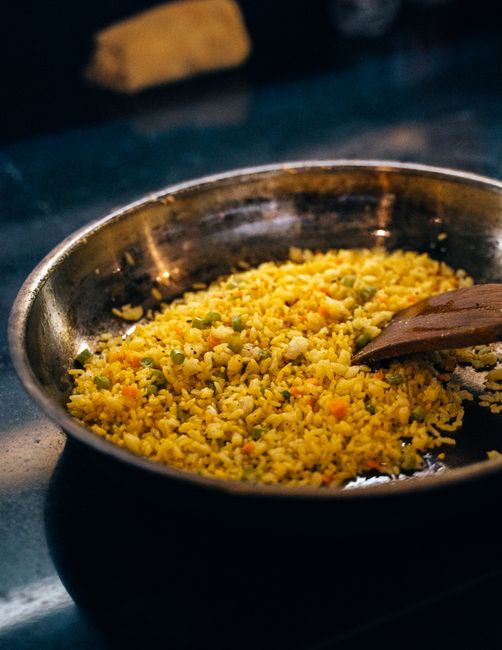
The Ultimate Guide to Effortless Japanese Fried Rice: A Flavorful Adventure in Your Kitchen
Japanese fried rice, or chahan (チャーハン), is a beloved dish renowned for its simplicity, versatility, and incredibly satisfying umami flavor. Far from being just a quick meal, authentic chahan is a culinary art form, achievable even for novice home cooks. This comprehensive guide will equip you with the knowledge and techniques to create restaurant-quality Japanese fried rice, exploring variations, ingredient choices, and troubleshooting tips to ensure a consistently delicious outcome. We’ll delve into the foundational elements that make chahan so special, demystifying the process and empowering you to experiment with your own culinary creations. Forget bland, greasy fried rice; prepare to unlock the secrets to vibrant, flavorful, and truly authentic Japanese fried rice.
The Cornerstone of Great Chahan: Perfectly Cooked Rice
The absolute most critical element for exceptional Japanese fried rice is the rice itself. This isn’t just about any rice; it’s about day-old, chilled, short-grain Japanese rice. Why? Freshly cooked rice contains a high moisture content. When this moisture hits the hot wok, it steams the rice rather than frying it, resulting in a mushy, clumpy texture. Day-old rice, having been refrigerated, has already released much of its excess moisture. The individual grains are drier and firmer, allowing them to separate beautifully in the wok and achieve that signature fluffy, distinct texture. When purchasing Japanese rice, look for varieties labeled "sushi rice" or koshihikari, which are ideal for their slightly sticky yet firm texture.
The cooking process for your rice should be meticulous. Rinse the rice under cold running water in a fine-mesh sieve until the water runs clear. This removes excess starch. For every cup of rice, use approximately 1.2 cups of water. Cook it according to your rice cooker’s instructions or on the stovetop. Once cooked, let it cool completely, then refrigerate it for at least 12 hours, or preferably 24 hours. Before using it in your chahan, gently break up any clumps with your hands or a fork, being careful not to mash the grains. This simple step is the secret weapon for superior chahan.
Essential Ingredients for Authentic Flavor
While chahan is adaptable, a few core ingredients form its flavor backbone.
- Soy Sauce (Shoyu): This is the primary source of saltiness and umami. Opt for a good quality Japanese soy sauce, such as Kikkoman or Yamasa. Their nuanced flavor profile is distinct from other types of soy sauce.
- Sesame Oil: A small amount of toasted sesame oil adds a wonderfully nutty aroma and depth of flavor. Use it judiciously; too much can overpower the other ingredients.
- Sake or Mirin: A splash of sake (Japanese rice wine) or mirin (sweet Japanese rice wine) adds complexity and helps to tenderize any proteins. Sake provides a drier, more subtle flavor, while mirin offers a touch of sweetness.
- Salt and White Pepper: These are essential for seasoning. White pepper is traditionally used in chahan for its milder, less pungent flavor compared to black pepper, allowing the other ingredients to shine.
- Aromatics: Garlic and ginger are indispensable. Finely mince them to ensure they distribute their flavor evenly throughout the fried rice.
- Egg: The egg acts as a binder and adds a delightful richness and texture. Beating it lightly before adding it to the wok is crucial for even cooking.
The Art of the Wok: High Heat, Quick Cooking
Japanese fried rice is a dish that demands high heat and swift cooking. A wok is the ideal vessel due to its curved shape, which allows for rapid and even heat distribution and facilitates tossing. If you don’t have a wok, a large, heavy-bottomed skillet will suffice.
The process typically involves cooking the ingredients in stages to ensure each component is cooked to perfection without becoming soggy or burnt.
- Heating the Wok: Place your wok or skillet over high heat. Let it get smoking hot before adding any oil. This ensures the ingredients sear quickly.
- Adding Oil: Add a neutral, high-smoke-point oil like vegetable oil, canola oil, or peanut oil. Swirl to coat the bottom and sides.
- Aromatics First: Add the minced garlic and ginger. Stir-fry for about 15-30 seconds until fragrant, being careful not to burn them.
- Protein (if using): If you’re including protein like diced chicken, pork, shrimp, or tofu, add it now and stir-fry until it’s almost cooked through.
- Egg Incorporation: Push the ingredients to the side of the wok, creating a well in the center. Pour in the lightly beaten egg. Let it set for a few seconds, then scramble it gently, breaking it into small pieces. Once the egg is mostly cooked, mix it with the other ingredients.
- The Rice: Add your cold, day-old rice to the wok. Break up any clumps with your spatula. Stir-fry, tossing the rice continuously, for 3-5 minutes, ensuring each grain is heated and lightly fried. This is where the magic happens, allowing the grains to develop a slightly toasted flavor.
- Flavoring: Drizzle in the soy sauce, sake/mirin, and a touch of sesame oil. Continue to toss and stir-fry, ensuring the sauce is evenly distributed and absorbed by the rice.
- Seasoning and Finishing: Taste and adjust seasoning with salt and white pepper. Add any vegetables at this stage and stir-fry until tender-crisp. For a final flourish, you can add a few drops of toasted sesame oil off the heat.
Common Variations and Flavor Boosters
The beauty of chahan lies in its adaptability. Here are some popular and delicious variations:
- Kaisen Chahan (Seafood Fried Rice): Incorporate diced shrimp, scallops, squid, and crab meat. Ensure seafood is cooked through quickly to prevent it from becoming tough.
- Buta Chahan (Pork Fried Rice): Diced pork belly or lean pork loin are excellent choices. Marinating the pork in a little soy sauce, sake, and cornstarch beforehand can tenderize it and add extra flavor.
- Tori Chahan (Chicken Fried Rice): Diced chicken thigh or breast work well. Similar to pork, marinating is recommended.
- Yasai Chahan (Vegetable Fried Rice): Load up on your favorite vegetables. Popular choices include finely diced carrots, peas, corn, edamame, chopped scallions, bell peppers, and mushrooms. For optimal texture, add firmer vegetables like carrots and peas earlier in the cooking process, and more delicate ones like scallions towards the end.
- Chashu Chahan: Utilize leftover braised pork belly (chashu) for an incredibly rich and savory chahan. The rendered fat from the chashu adds an unparalleled depth of flavor.
- Kimchi Chahan: For a spicy kick, add chopped kimchi and its brine during the last few minutes of cooking. This variation is a fusion delight.
- Curry Chahan: Sprinkle in a teaspoon or two of Japanese curry powder with the soy sauce for a fragrant, spiced fried rice.
Tips for Enhancing Flavor and Texture:
- Don’t Overcrowd the Wok: Cook in batches if necessary. Overcrowding will lower the wok’s temperature, leading to steaming rather than frying, and a less desirable texture.
- Prep All Ingredients in Advance: Chahan cooks very quickly. Having all your vegetables diced, proteins chopped, and sauces measured out before you start is crucial. This is known as mise en place.
- Use High Heat: As mentioned, high heat is key. Ensure your burner is on its highest setting and your wok is properly preheated.
- The Sizzle Test: Listen for that satisfying sizzle when ingredients hit the hot wok. This indicates you’ve achieved the correct temperature.
- Don’t Over-Sauce: Too much soy sauce can make the rice soggy. Start with a modest amount and adjust to your taste.
- Garnish Wisely: Freshly chopped scallions, a sprinkle of toasted sesame seeds, or a drizzle of extra toasted sesame oil can elevate the final presentation and flavor.
Troubleshooting Common Chahan Issues
Even with the best intentions, you might encounter a few bumps on your chahan journey. Here’s how to address them:
- Mushy Rice: This is almost always a sign of using freshly cooked rice or not enough heat. Ensure you’re using day-old, chilled rice and that your wok is screaming hot.
- Bland Flavor: Insufficient soy sauce or other seasonings is the culprit. Taste and adjust, adding more soy sauce, a pinch of salt, or a dash of white pepper.
- Sticking: If your rice is sticking excessively, your wok might not be hot enough, or you may not have used enough oil. Ensure proper wok preheating and adequate oil.
- Burnt Bits: This indicates the heat is too high for too long, or that aromatics like garlic were added too early. Keep the ingredients moving and adjust heat as needed.
- Uneven Cooking: This can happen if ingredients aren’t prepped into uniform sizes or if the wok is overcrowded. Consistent chopping and batch cooking are solutions.
The Importance of Quality Ingredients
While chahan is known for its simplicity, the quality of your ingredients significantly impacts the final taste. Investing in good quality Japanese soy sauce, fresh aromatics, and flavorful proteins will make a noticeable difference. Similarly, using a good quality toasted sesame oil adds a distinct aroma that is hard to replicate with substitutes.
Beyond the Basics: Advanced Techniques and Flavor Pairings
Once you’ve mastered the foundational chahan, you can explore more advanced techniques. Some chefs advocate for adding a small amount of dashi powder or a dash of fish sauce for an extra layer of umami. For a richer, more savory experience, consider searing your proteins separately before adding them back into the wok.
The versatility of chahan also extends to its pairing with other dishes. It’s a perfect accompaniment to ramen, udon, tempura, or served as a standalone light meal. A simple side of pickled ginger (gari) can offer a refreshing contrast to the rich flavors of the fried rice.
Conclusion: Your Gateway to Delicious Home-Style Japanese Cuisine
Japanese fried rice, or chahan, is a testament to the power of simple, quality ingredients and precise cooking techniques. By understanding the crucial role of day-old rice, the importance of high heat, and the art of balancing flavors, you can consistently create a dish that is both comforting and exciting. This guide has provided you with the essential knowledge to embark on your chahan adventure. Experiment with different proteins and vegetables, discover your favorite flavor combinations, and don’t be afraid to adjust seasonings to your personal preference. With practice, you’ll be whipping up delicious, authentic Japanese fried rice that will impress your family and friends, proving that restaurant-quality chahan is well within your reach. Embrace the process, savor the aromas, and enjoy the incredible satisfaction of creating this classic Japanese comfort food in your own kitchen.


