
Better Than Moms Meatloaf

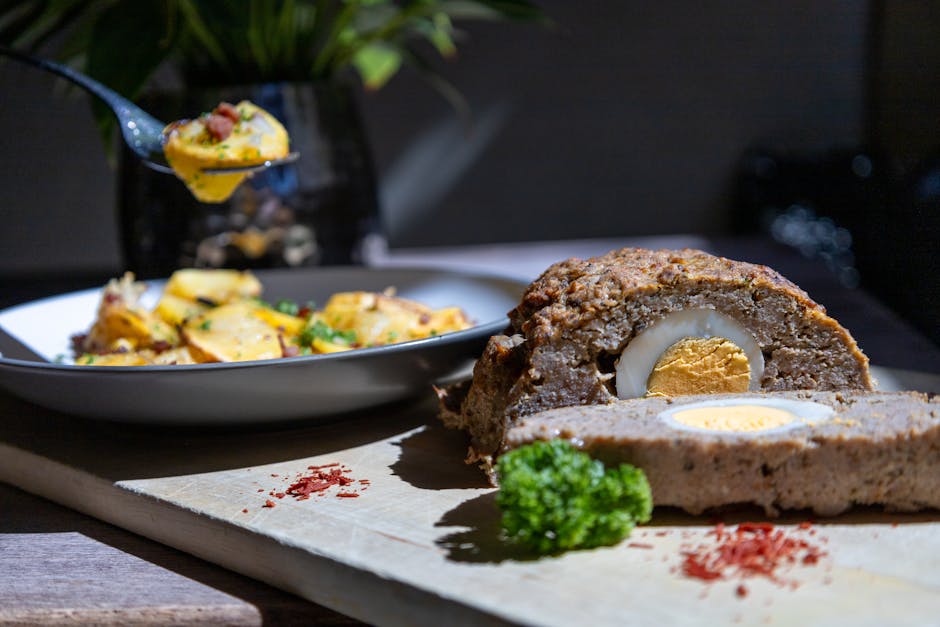
The Ultimate Mom-Approved Meatloaf: A Recipe for Unforgettable Flavor and Nostalgia
Forget everything you thought you knew about meatloaf. This isn’t the bland, dry, or overly greasy version that haunted school cafeterias or hurried weeknight dinners. This is the meatloaf that evokes memories of warm kitchens, comforting aromas, and the unparalleled taste of home. It’s the recipe that generations of mothers have perfected, a culinary legacy passed down, and now, we’re dissecting its secrets to achieve that truly exceptional, "better than Mom’s" outcome. Achieving this level of deliciousness isn’t about a single, magical ingredient; it’s a symphony of technique, ingredient selection, and thoughtful layering of flavors. We’ll delve into the foundational elements, exploring how to elevate each component from the ground beef itself to the tantalizing glaze that crowns this masterpiece. This article will serve as your comprehensive guide, a blueprint for recreating that cherished taste and, for many, surpassing the beloved original. Prepare to unlock the secrets to a meatloaf that will become your own signature dish, a benchmark against which all others are measured.
The Crucial Foundation: Beef Selection and Fat Content
The cornerstone of any great meatloaf is, unequivocally, the meat. For a flavor profile that rivals the best, a blend of beef cuts is paramount. While a single type of ground beef can suffice, a judicious combination unlocks a depth of taste and a superior texture. Aim for a mix that balances richness with a satisfying bite. A common and highly effective pairing is 80/20 ground chuck. The 80% lean to 20% fat ratio is not arbitrary; this fat is flavor. It renders during the cooking process, basting the meatloaf from within, ensuring moisture and a succulent mouthfeel. Overly lean beef, like 90/10, often results in a dry, crumbly meatloaf that is inherently less forgiving. If you opt for a leaner blend, increasing the moisture content through other ingredients becomes even more critical.
Beyond chuck, consider incorporating a smaller percentage of a richer cut, such as ground brisket or short rib. These cuts bring a more intense beefy flavor and a slightly coarser texture that adds complexity. A ratio of approximately 70% chuck to 30% brisket or short rib can elevate the meatloaf from good to extraordinary. The key is to source high-quality meat from a reputable butcher. Freshly ground meat, with a slightly coarser grind, will hold its shape better and offer a more pleasing textural contrast than pre-packaged, finely ground options. Avoid pre-mixed meatloaf blends; they often contain a higher proportion of breadcrumbs or fillers than ideal. The goal is pure, unadulterated beef flavor, with just enough fat to contribute to moisture and richness.
The Binding Agents: Achieving Perfect Consistency and Moisture
The binding agents in meatloaf are critical for holding the mixture together and, more importantly, for contributing to its moisture and tenderness. While eggs are the traditional binder, their role extends beyond mere cohesion. They contribute protein that coagulates, providing structure. However, relying solely on eggs can sometimes lead to a slightly rubbery texture. The true magic lies in the intelligent use of breadcrumbs and their preparation.
Stale bread, torn or pulsed into coarse crumbs, is superior to commercial breadcrumbs. This is because stale bread has lost a significant amount of its moisture, allowing it to absorb the liquids within the meatloaf mixture more effectively without becoming mushy. Panko breadcrumbs, while offering a delightful crispness in other applications, are generally too airy and light for the interior of a classic meatloaf. They can absorb liquid too quickly and disintegrate, leading to a less cohesive loaf.
The secret to maximizing the binding and moisture-retaining power of breadcrumbs is to pre-soak them. A common and highly effective method is to combine the breadcrumbs with milk. This milk-soaked breadcrumb mixture, often referred to as "panade," creates a paste that seamlessly integrates with the ground meat. The milk not only softens the breadcrumbs but also contributes a subtle richness. The ratio of breadcrumbs to milk is important; you want a mixture that is saturated but not soupy. Aim for enough milk to moisten the breadcrumbs thoroughly, allowing them to form a cohesive paste. This panade acts as a sponge, absorbing excess moisture during the cooking process and releasing it back into the meatloaf, ensuring a tender and juicy result.
Beyond breadcrumbs and eggs, some recipes incorporate other binders like finely grated raw potato or even cooked oatmeal. While these can contribute to moisture, they can also alter the texture and flavor profile significantly. For a classic, deeply satisfying meatloaf, the milk-soaked breadcrumb panade remains the gold standard. The amount of panade should be proportional to the amount of meat; too little will result in a crumbly loaf, while too much can make it dense and gummy.
The Aromatic Foundation: Building Layers of Flavor
The soul of "better than Mom’s" meatloaf lies in its aromatic foundation. This is where vegetables and seasonings are introduced to build complexity and depth of flavor, complementing the richness of the beef. The standard onion and garlic are non-negotiable, but their preparation matters.
Finely dicing yellow or sweet onions and sautéing them until softened and translucent is crucial. Raw onions, while providing a sharp bite, can overwhelm the delicate flavors of the meat and may not fully meld into the loaf. Sautéing caramelizes the natural sugars in the onions, transforming them into a sweet, savory component that forms the backbone of the flavor profile. Similarly, minced garlic should be sautéed briefly with the onions to release its pungent aroma and mellow its harshness. Avoid burning the garlic, as this will impart a bitter taste.
Beyond the foundational aromatics, consider incorporating other finely diced vegetables. Bell peppers, particularly red or green, add a subtle sweetness and a hint of vegetal earthiness. Celery, when finely diced, provides a subtle herbaceous note and contributes to the overall moisture content. Mushrooms, when finely chopped and sautéed until their moisture has evaporated, impart a deeply savory, umami-rich flavor that is a game-changer for meatloaf. The key is to mince these vegetables very finely, almost to the point of a paste, so they meld seamlessly into the meat mixture and don’t create discernible chunks. This ensures that every bite is infused with their flavors.
Seasoning is another critical element. Salt and freshly ground black pepper are essential, but their quantity needs to be adjusted based on the saltiness of other ingredients (like Worcestershire sauce or soy sauce). A generous amount of dried herbs, such as thyme, sage, or marjoram, adds a classic, comforting fragrance. Consider a pinch of dried red pepper flakes for a subtle warmth. Worcestershire sauce is a secret weapon for many meatloaf aficionados. Its complex blend of vinegar, molasses, anchovies, and spices adds a significant depth of umami and a tangy counterpoint to the richness of the meat. A tablespoon or two can make a remarkable difference.
The Art of Mixing: Avoiding Overworking the Meat
One of the most frequently overlooked aspects of meatloaf preparation is the mixing technique. It’s tempting to vigorously combine all the ingredients, but this can be detrimental to the final texture. Overworking the ground meat develops the gluten, leading to a tough, dense, and rubbery meatloaf.
The goal is to combine the ingredients just until they are evenly distributed. Think of it as gentle integration rather than aggressive mixing. Once the sautéed vegetables, panade, eggs, and seasonings have been added to the ground beef, use your hands or a very gentle spatula to fold and blend. Continue mixing only until you can no longer see distinct streaks of any single ingredient. It’s better to err on the side of slightly under-mixed than over-mixed. The heat of the cooking process will further bind the ingredients.
When forming the loaf, handle the meat mixture with a light touch. Pressing too firmly can also lead to a dense loaf. Simply shape the mixture into a uniform loaf on a baking sheet or in a loaf pan. A uniform shape ensures even cooking, preventing the edges from drying out before the center is cooked through. If using a loaf pan, lightly grease it to prevent sticking.
The Glaze: A Sweet and Tangy Crown of Flavor
The glaze is the crowning glory of a truly exceptional meatloaf. It provides a delightful sweet and tangy contrast to the savory meat, creates a beautiful caramelized crust, and adds an irresistible visual appeal. While ketchup is the traditional base for many glazes, elevating it with additional ingredients unlocks a superior flavor profile.
A simple yet effective glaze can be made by combining ketchup with brown sugar and a splash of vinegar (apple cider or white vinegar are good choices). The brown sugar provides sweetness and helps with caramelization, while the vinegar cuts through the richness and adds a welcome tang. For an even more complex flavor, consider incorporating Dijon mustard, a touch of Worcestershire sauce, or even a dash of hot sauce for a subtle kick. The ratio of ingredients in the glaze is a matter of personal preference, but a good starting point is a balanced blend of sweet, savory, and acidic components.
Apply the glaze generously during the last 20-30 minutes of baking. This allows it to caramelize and set without burning. Some home cooks prefer to apply the glaze in multiple thin layers during the latter half of cooking for maximum flavor development and an even sheen. Avoid applying the glaze too early in the baking process, as the sugars can burn before the meatloaf is fully cooked. The aroma that emanates from the oven as the glaze caramelizes is a preview of the deliciousness to come.
The Cooking Process: Temperature, Time, and Resting
Achieving the perfect internal temperature is paramount for both safety and texture. Meatloaf should be cooked to an internal temperature of at least 160°F (71°C). Using an instant-read meat thermometer is essential for accuracy. Overcooking will result in a dry, tough meatloaf, while undercooking poses a food safety risk.
The cooking temperature for meatloaf typically ranges from 350°F to 375°F (175°C to 190°C). A moderate oven temperature allows for even cooking without scorching the exterior. Baking time will vary depending on the size and thickness of the meatloaf, but generally falls between 45 minutes and 1 hour 15 minutes.
Resist the urge to slice the meatloaf immediately after removing it from the oven. Like any roasted meat, meatloaf benefits from a resting period. Allowing the meatloaf to rest for 10-15 minutes tented loosely with foil allows the juices to redistribute throughout the loaf. This significantly contributes to its moisture and tenderness. Cutting into it too soon will cause those precious juices to run out onto the baking sheet, leaving you with a drier final product.
Variations and Enhancements: Personalizing Your Masterpiece
While this recipe focuses on the classic, the beauty of meatloaf lies in its versatility. Once you’ve mastered the fundamentals, feel free to experiment.
- Spicy Kick: Add finely chopped jalapeños or a generous pinch of cayenne pepper to the meat mixture.
- Cheesy Goodness: Incorporate shredded cheddar, Gruyère, or Parmesan cheese directly into the meat mixture or layer it in the center.
- Smoky Depth: Add a tablespoon of smoked paprika to the seasonings or a dash of liquid smoke.
- Vegetable Powerhouse: Beyond the aromatics, consider finely grated zucchini, carrots, or even sweet potato. Ensure they are squeezed dry to avoid adding excess moisture.
- Global Inspiration: Experiment with different herbs and spices. Italian herbs, Indian garam masala, or even a touch of soy sauce and ginger can transform the flavor profile.
The Final Verdict: A Recipe for Enduring Deliciousness
Recreating that sought-after, "better than Mom’s" meatloaf is an achievable goal. It requires attention to detail, a commitment to quality ingredients, and an understanding of fundamental cooking techniques. From the careful selection of beef and the precise preparation of binders to the artful layering of aromatics and the final flourish of a perfect glaze, each step contributes to the ultimate flavor and texture. This is more than just a recipe; it’s an homage to comfort food, a celebration of culinary tradition, and an opportunity to create your own enduring legacy of deliciousness. By mastering these principles, you’ll produce a meatloaf that is not only deeply satisfying but also capable of evoking the same warmth and joy that has made this dish a beloved classic for generations.


