Menas Simple Steamed Asparagus
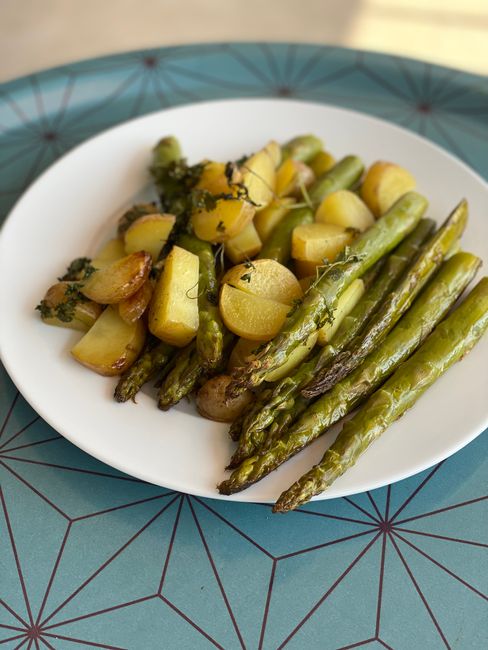
The Elegant Simplicity of Steamed Asparagus: A Culinary Cornerstone
Steamed asparagus, a dish often perceived as a mere accompaniment, is in fact a testament to the profound satisfaction derived from unadorned, quality ingredients. Its elegance lies not in complex preparation or exotic flavor profiles, but in its inherent freshness, vibrant color, and delicate yet distinct taste. This seemingly simple preparation method, steaming, is precisely what elevates asparagus from a common vegetable to a culinary cornerstone, unlocking its natural sweetness and crisp-tender texture. The nutritional density of asparagus, coupled with its versatility, makes it a frequent flyer on health-conscious and gourmet menus alike. Mastering the art of steaming asparagus is a foundational skill for any home cook seeking to create healthy, delicious, and visually appealing dishes. The key lies in understanding the vegetable’s characteristics, the principles of steam cooking, and the subtle nuances that distinguish perfectly steamed spears from their overcooked counterparts.
Understanding Asparagus: The Foundation of Flavor
Before delving into the mechanics of steaming, a thorough appreciation for the star ingredient is paramount. Asparagus, a member of the lily family, boasts a distinctive flavor profile characterized by a slightly earthy, sweet, and subtly bitter note. Its texture, when properly cooked, offers a satisfying crispness that yields to a tender bite. The visual appeal of asparagus, with its vibrant green stalks crowned by tightly closed, bud-like tips, is equally important. These tips are not merely decorative; they are packed with flavor and nutrients, and their integrity is a key indicator of successful steaming. Asparagus spears vary in thickness, and this thickness directly influences cooking time. Thin spears, often referred to as "pencil" asparagus, cook rapidly, while thicker "jumbo" spears require a slightly longer duration. Understanding this variation is crucial for achieving uniform doneness across a batch of spears. The seasonality of asparagus also plays a role. Spring is its prime season, yielding the freshest and most flavorful stalks. However, with modern agricultural techniques and global sourcing, asparagus is available year-round, though peak season offerings generally present the superior quality.
The Science and Art of Steaming: Unlocking Asparagus’s Potential
Steaming, at its core, is a gentle cooking method that utilizes moist heat to cook food. Unlike boiling, where food is submerged in water, steaming cooks food in the vapor produced by boiling water. This distinction is critical for asparagus. Boiling can leach out nutrients and create a waterlogged, mushy texture. Steaming, conversely, preserves the integrity of the asparagus spear, retaining its vibrant color, crisp texture, and delicate flavor. The steam effectively transfers heat to the asparagus without directly exposing it to water, minimizing nutrient loss and preventing the vegetable from becoming saturated. The process involves creating a steamy environment above a pot of simmering water. A steamer basket, insert, or even a tightly fitting lid that creates a sealed chamber are essential tools. The water level in the pot must be carefully monitored; it should be high enough to produce sufficient steam but not so high that it touches the bottom of the steamer basket. As the water boils, it generates steam, which envelops the asparagus, cooking it evenly and efficiently. The duration of steaming is the most critical variable. Overcooking asparagus results in limp, dull spears with a loss of flavor and nutrients. Under-cooking leaves them too tough and fibrous. The goal is a bright green hue and a tender-crisp texture – yielding to the bite but still offering a noticeable resistance.
Essential Equipment for Perfect Steamed Asparagus
The beauty of steamed asparagus lies in its minimal equipment requirements. While specialized gadgets exist, the fundamental tools are readily available in most kitchens. A saucepan or pot is the foundation, of a size appropriate to accommodate the asparagus and a steamer basket. A steamer basket is the most common and effective tool. These can be made of stainless steel, bamboo, or silicone and often feature adjustable diameters to fit various pot sizes. Alternatively, a steamer insert – a perforated metal bowl that sits inside a pot – can be used. For those without dedicated steaming equipment, a tight-fitting lid for a pot can create a makeshift steaming environment. Placing a small amount of water in the bottom of the pot and arranging the asparagus on a heatproof plate or bowl that rests on a few metal cookie cutters or crumpled foil, ensuring it doesn’t touch the water, can also work. A timer is an indispensable tool for ensuring precise cooking. Asparagus cooking times are short, and even a minute or two can make a difference between perfect and overcooked. Tongs are essential for safely removing the hot asparagus from the steamer basket. Finally, a sharp knife for trimming the woody ends of the asparagus is a must for proper preparation.
Step-by-Step Guide: Mastering the Technique
Achieving perfectly steamed asparagus is a straightforward process that, with attention to detail, yields consistent, delicious results.
-
Selection and Preparation: Begin by selecting fresh, firm asparagus spears with vibrant green color and tightly closed tips. Discard any limp or wilted stalks. To prepare, wash the asparagus thoroughly under cool running water. Next, identify and trim the woody ends. The easiest way to do this is to hold a spear near its base and gently bend it. It will naturally snap at the point where the woody part transitions to tender. Alternatively, use a sharp knife to cut off approximately one to two inches from the bottom of each spear. For spears of varying thickness, it’s often best to group similar thicknesses together for steaming to ensure even cooking.
-
Setting Up the Steamer: Pour about one to two inches of water into the bottom of your saucepan or pot. Ensure the water level is below the bottom of your steamer basket when it’s in place. Bring the water to a rolling boil over high heat.
-
Arranging the Asparagus: Once the water is boiling vigorously, carefully place the prepared asparagus spears into the steamer basket. Arrange them in a single layer if possible, avoiding overcrowding, which can lead to uneven steaming. If using thicker spears, they can be placed upright, tips facing upwards, to prevent them from becoming waterlogged.
-
Steaming: Place the steamer basket containing the asparagus into the pot, ensuring it is suspended above the boiling water. Cover the pot tightly with a lid to trap the steam.
-
Timing is Key: Begin timing immediately after covering the pot. The cooking time will vary depending on the thickness of the asparagus:
- Thin spears (pencil asparagus): 3-5 minutes
- Medium spears: 5-7 minutes
- Thick spears (jumbo asparagus): 7-10 minutes
Begin checking for doneness at the lower end of the recommended time range. The asparagus is ready when it is bright green and tender-crisp – yielding easily to a fork or knife but still retaining a slight bite. Avoid overcooking, which will result in a loss of color and texture.
-
Immediate Serving: Once cooked to perfection, immediately remove the steamer basket from the pot using tongs. The asparagus will continue to cook slightly from residual heat, so it’s crucial to stop the cooking process.
Seasoning and Serving Suggestions: Enhancing the Simplicity
While steamed asparagus is delightful on its own, a few simple enhancements can elevate its flavor and presentation. The goal is to complement, not overpower, the natural taste of the vegetable.
-
The Classic Trio: The most traditional and universally appealing seasoning for steamed asparagus is a drizzle of good quality olive oil, a squeeze of fresh lemon juice, and a pinch of sea salt and freshly ground black pepper. The olive oil adds richness and mouthfeel, the lemon juice provides a bright, acidic counterpoint, and the salt and pepper enhance the inherent flavors.
-
Butter Lover’s Delight: For a richer experience, melted butter can be used instead of or in addition to olive oil. A sprinkle of garlic powder or finely minced fresh garlic can also be added to the melted butter for an aromatic boost.
-
Parmesan Perfection: A generous dusting of grated Parmesan cheese is another popular accompaniment. The salty, nutty notes of Parmesan pair exceptionally well with the sweetness of asparagus.
-
Herbal Infusions: Fresh herbs can add a burst of flavor and color. Consider finely chopped parsley, chives, dill, or even a hint of mint. Tossing the steamed asparagus with these herbs just before serving can infuse them with their delicate aromas.
-
A Touch of Heat: For those who enjoy a subtle kick, a pinch of red pepper flakes can be added during the final few minutes of steaming or sprinkled on top before serving.
-
Beyond the Basics: For more adventurous palates, consider a light balsamic glaze, a sprinkle of toasted sesame seeds, or even a drizzle of a light vinaigrette. The key is to maintain a delicate balance, allowing the asparagus to remain the star.
Nutritional Powerhouse: The Health Benefits of Steamed Asparagus
Steamed asparagus is not just a delicious and visually appealing vegetable; it is also a nutritional powerhouse, offering a wealth of vitamins, minerals, and beneficial compounds that contribute to overall health and well-being. Its low-calorie, high-fiber profile makes it an excellent choice for weight management and digestive health.
-
Vitamins Galore: Asparagus is an exceptional source of Vitamin K, essential for blood clotting and bone health. It also provides a significant amount of Vitamin A, crucial for vision, immune function, and cell growth, and Vitamin C, a potent antioxidant that supports the immune system and collagen production. Furthermore, it contains good levels of folate (Vitamin B9), particularly important for cell division and DNA synthesis, making it a valuable food for pregnant women. Other B vitamins, including B1, B2, and B3, are also present, contributing to energy metabolism.
-
Mineral Richness: This humble vegetable is a good source of essential minerals. Potassium is abundant, helping to regulate blood pressure and fluid balance. Iron is present, vital for oxygen transport in the blood. Magnesium plays a role in over 300 biochemical reactions in the body, including muscle and nerve function. Phosphorus is important for bone and teeth health, and zinc contributes to immune function and wound healing.
-
Antioxidant Powerhouse: Asparagus is rich in various antioxidants, including flavonoids and phenolic compounds. These compounds help to neutralize harmful free radicals in the body, reducing oxidative stress and protecting cells from damage. This can contribute to a lower risk of chronic diseases such as heart disease and certain cancers.
-
Digestive Health Champion: The high fiber content of asparagus is a significant health benefit. Dietary fiber aids in promoting regular bowel movements, preventing constipation, and supporting a healthy gut microbiome. Fiber also contributes to feelings of fullness, which can be beneficial for weight management.
-
Detoxification Support: Asparagus contains a compound called asparagine, an amino acid that acts as a natural diuretic, helping the body to eliminate excess fluid and toxins. This can contribute to a gentle detoxification process.
-
Low Calorie, High Impact: With approximately 20 calories per cup, steamed asparagus is an incredibly low-calorie food, making it an ideal choice for those seeking to maintain a healthy weight or reduce calorie intake without sacrificing nutritional value or flavor.
Troubleshooting Common Issues: Perfecting the Technique
Even with simple preparations, challenges can arise. Understanding common pitfalls and their solutions will ensure consistent success.
-
Mushy Asparagus: This is the most frequent issue, almost always a result of overcooking.
- Solution: Reduce steaming time significantly. Start checking for doneness a minute or two earlier than you think necessary. Ensure your water is at a rolling boil when you start steaming. Don’t overcrowd the steamer basket, as this can lead to uneven cooking and require longer steaming times.
-
Woody or Tough Texture: This often stems from not trimming the woody ends sufficiently or from steaming asparagus that is past its prime.
- Solution: Be more diligent when trimming the woody ends. The "snap test" is reliable. If using a knife, cut off at least one to two inches from the bottom. Always select fresh, firm asparagus with vibrant color. If the asparagus is already slightly tough when raw, it will likely remain so even after steaming.
-
Uneven Cooking: This occurs when spears of vastly different thicknesses are steamed together or when the steamer is overcrowded.
- Solution: Separate asparagus spears by thickness and steam them in batches. Ensure the steamer basket is not packed too tightly, allowing steam to circulate freely around each spear.
-
Dull or Olive Green Color: This is a sign of overcooking and loss of chlorophyll.
- Solution: Adhere strictly to the recommended steaming times and check for doneness early. The ideal color is a vibrant, almost neon green.
-
Waterlogged Asparagus: This can happen if the water level in the pot is too high and touches the asparagus in the steamer basket.
- Solution: Ensure the water level is only one to two inches deep and that the steamer basket is elevated sufficiently above the water.
Conclusion: Embracing the Culinary Power of Simplicity
Steamed asparagus, in its unpretentious glory, embodies a fundamental truth in gastronomy: the most profound flavors often arise from the simplest preparations. By understanding the nuances of this remarkable vegetable and mastering the gentle art of steaming, home cooks can unlock its full potential, creating dishes that are both nourishing and deeply satisfying. This accessible technique requires minimal equipment and time, yet delivers a vibrant, flavorful, and nutrient-rich side dish that can grace any table, from a weeknight family meal to a sophisticated dinner party. The elegant simplicity of steamed asparagus, enhanced by a few well-chosen seasonings, serves as a powerful reminder that culinary excellence often lies not in complexity, but in celebrating the inherent quality of exceptional ingredients. It is a dish that educates the palate, nourishes the body, and consistently proves that sometimes, less truly is more.