
Chef Johns Pulled Pork Bbq
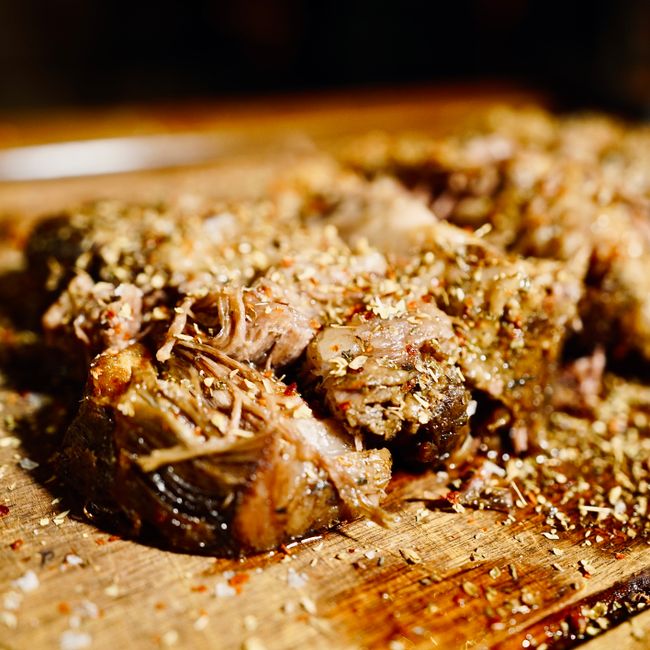
Chef John’s Pulled Pork BBQ: A Deep Dive into Smoky, Tangy Perfection
Chef John’s pulled pork BBQ isn’t just a recipe; it’s a culinary philosophy focused on achieving unparalleled smoky depth and a perfectly balanced tangy sauce. This approach prioritizes a slow, low cooking method that renders the pork shoulder incredibly tender, allowing it to shred effortlessly. The magic lies in the synergistic interplay of a robust dry rub, the transformative power of smoke, and a meticulously crafted barbecue sauce that complements, rather than overwhelms, the natural pork flavor. Achieving this level of BBQ perfection requires understanding the fundamental principles of pork shoulder preparation, the nuances of smoke infusion, and the art of sauce balancing.
The cornerstone of Chef John’s pulled pork is the pork shoulder, also known as the Boston butt or pork butt. This cut, with its generous marbling of fat and connective tissue, is ideally suited for low-and-slow cooking. The fat renders down during the prolonged cooking process, basting the meat and contributing to its incredible moisture and tenderness. Conversely, the connective tissues break down into gelatin, adding a rich mouthfeel and body to the final pulled pork. When selecting a pork shoulder, aim for a bone-in cut, as the bone can contribute additional flavor and moisture to the meat during cooking. The weight of the shoulder can vary, but a typical size for home cooks is between 5 and 8 pounds. It’s crucial to trim any excess, uniformly thick layer of fat from the surface, leaving a thin, even layer (about ¼ inch) to facilitate rendering and prevent the exterior from drying out. This initial preparation sets the stage for the flavor development that follows.
The dry rub is the first layer of flavor in Chef John’s pulled pork. It’s designed to penetrate the meat and create a flavorful crust, often referred to as the "bark," during the smoking process. A classic Chef John dry rub typically includes a base of brown sugar, which caramelizes and contributes to the bark’s color and sweetness. Paprika, both sweet and smoked, is essential for color and a mild smoky undertone. Black pepper provides a peppery bite, while garlic powder and onion powder offer foundational aromatic notes. Salt is crucial for both flavor and its role in the Maillard reaction, which is responsible for browning and flavor development. Some variations might incorporate cayenne pepper for a touch of heat, cumin for earthy depth, or even a hint of mustard powder for a subtle tang. The key is to apply the rub generously and evenly over the entire surface of the pork shoulder, ensuring all nooks and crannies are covered. Allow the rubbed pork to sit for at least 30 minutes, or ideally, several hours or overnight in the refrigerator, allowing the salt to begin its tenderizing and flavor-infusing work.
Smoking is the heart and soul of Chef John’s pulled pork. The choice of wood is critical in imparting the desired smoky flavor profile. For pork, mild woods like hickory and fruitwoods such as apple or cherry are highly recommended. Hickory offers a classic, robust smoke flavor that is synonymous with American barbecue, while apple and cherry provide a sweeter, more delicate smoke that complements the pork without overpowering it. Pecan is another excellent option, offering a nuttier, slightly sweeter smoke. Avoid strong woods like mesquite for pulled pork, as their intense flavor can easily become acrid and bitter. The smoking process is typically carried out at a low temperature, generally between 225°F and 250°F. This low temperature allows for a slow, even cook, giving the smoke ample time to penetrate the meat and break down the connective tissues. The duration of the smoking process will vary depending on the size of the pork shoulder and the smoker’s temperature, but expect it to take anywhere from 8 to 12 hours, or even longer.
Throughout the smoking process, monitoring the internal temperature of the pork is paramount. The target internal temperature for perfectly rendered pulled pork is typically between 195°F and 205°F. This is the temperature range where the collagen has fully broken down, resulting in exceptionally tender meat. A good quality meat thermometer is indispensable for this step. To help maintain moisture and promote smoke penetration, many pitmasters employ the "Texas Crutch" method, which involves wrapping the pork shoulder in butcher paper or foil once it has developed a good bark, typically when it reaches an internal temperature of around 160°F. This wrapping helps to steam the meat and push it through the stall, a period where the meat’s temperature plateaus. The butcher paper allows for more smoke to continue to penetrate while still retaining moisture, whereas foil creates a tighter seal, essentially braising the pork in its own juices.
Once the pork shoulder has reached the target internal temperature and is probe-tender (meaning a thermometer or probe slides into the meat with little to no resistance), it’s time for the crucial resting period. This is a step that is often overlooked but is vital for juicy pulled pork. Remove the pork from the smoker and let it rest, still wrapped, for at least 1 to 2 hours, or even longer. During this resting period, the juices that have been pushed to the center of the meat during cooking redistribute throughout the entire cut. This redistribution ensures that every bite of pulled pork is moist and flavorful. Skipping the rest will result in juices running out onto the cutting board, leaving the pork dry.
While the pork rests, Chef John’s barbecue sauce comes into play. The sauce is designed to be a flavorful accompaniment, enhancing the pork’s natural taste without masking it. A classic Chef John pulled pork sauce is often vinegar-based, providing a bright, tangy counterpoint to the richness of the pork. Key ingredients typically include apple cider vinegar, which offers a sharp, fruity acidity; ketchup, providing a tomato base and sweetness; Worcestershire sauce for umami depth; brown sugar or honey for sweetness and gloss; and a blend of spices such as black pepper, paprika, garlic powder, and sometimes a pinch of cayenne for heat. The sauce can be simmered to allow the flavors to meld and thicken. Some variations might include a touch of Dijon mustard for extra tang or a splash of bourbon for complexity. The goal is a sauce that is balanced, not overly sweet or overwhelmingly spicy, allowing the smoky pork flavor to shine through.
After resting, the pork shoulder is ready to be pulled. This can be done using two forks, meat claws, or even your hands if the pork is cool enough to handle. The meat should be so tender that it shreds with minimal effort. Once pulled, the meat is then tossed with a portion of the prepared barbecue sauce. The amount of sauce used is a matter of personal preference; some prefer their pulled pork lightly sauced, while others like it more thoroughly coated. The residual heat from the pork will warm the sauce.
The serving suggestions for Chef John’s pulled pork BBQ are as varied as barbecue itself. Classic accompaniments include soft, toasted buns, perfect for creating pulled pork sandwiches piled high. Coleslaw, with its creamy or vinegar-based tang, provides a refreshing contrast. Baked beans, corn on the cob, potato salad, and pickles are also traditional and popular pairings. For a more elevated presentation, the pulled pork can be served as a topping for nachos, baked potatoes, or even as a filling for tacos or quesadillas. The versatility of well-executed pulled pork makes it a crowd-pleaser for any occasion.
The science behind Chef John’s pulled pork revolves around low-temperature cooking and the breakdown of collagen. At temperatures below 140°F, the meat’s proteins begin to denature and tighten, squeezing out moisture. However, as the temperature rises above 160°F, a critical transformation occurs. Collagen, a tough connective tissue, begins to soften and eventually liquefy at temperatures between 160°F and 170°F. This gelatinization process is what gives pulled pork its signature unctuous texture and prevents it from becoming dry, even after hours of cooking. The smoke itself also plays a role in flavor development through compounds like guaiacol and syringol, which are released when wood burns. These compounds bind to the meat, imparting that characteristic smoky aroma and taste. The browning of the meat’s surface, known as the Maillard reaction, which is accelerated by the sugars and amino acids in the rub and the heat, also contributes significantly to the complex flavor profile.
To optimize SEO for this article, keywords such as "Chef John pulled pork," "smoked pork shoulder," "low and slow BBQ," "barbecue recipe," "pork butt recipe," "best pulled pork," "BBQ rub," "smoke pork," and "vinegar-based BBQ sauce" should be naturally integrated throughout the text. The article’s structure, with clear headings implied by the paragraph breaks, aids readability and search engine crawling. The comprehensive nature of the content, covering everything from meat selection to serving suggestions and the underlying science, provides a valuable resource for anyone searching for authentic and delicious pulled pork. Focusing on the "why" behind each step, such as the importance of resting or the role of collagen breakdown, adds depth and authority, further enhancing its SEO value by establishing expertise and trustworthiness. The detailed explanation of the cooking process, including temperature ranges and target internal temperatures, caters to the practical needs of home cooks, a key demographic for search queries related to recipes.
The longevity of Chef John’s pulled pork as a beloved dish lies in its inherent appeal: a rich, smoky, tender meat that is both comforting and deeply satisfying. The careful attention to detail, from the initial rub to the final sauce, distinguishes it from average barbecue. It’s a recipe that rewards patience and adherence to fundamental techniques. The ability to adapt the rub and sauce to individual preferences, while maintaining the core principles of low-and-slow smoking and proper resting, ensures that this pulled pork can be enjoyed in countless variations, each offering its own unique charm. This enduring popularity and adaptability make it a perennial favorite and a cornerstone of barbecue culture.





