
Very Chocolate Ice Cream

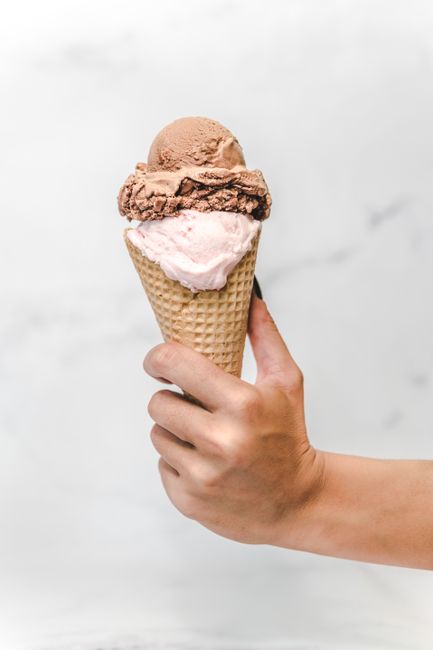
The Ultimate Guide to Very Chocolate Ice Cream: Deep Dive into Flavor, Texture, and Craftsmanship
Very chocolate ice cream, a rich and intense indulgence, transcends mere dessert status. It’s an experience, a testament to the power of cacao in its most unadulterated, frozen form. The “very” in its name isn’t a casual descriptor; it signifies a profound commitment to chocolate, a deliberate choice to showcase the inherent complexity and depth of this beloved ingredient. Unlike its milder counterparts, very chocolate ice cream prioritizes the distinct notes of cocoa, moving beyond simple sweetness to explore the spectrum of bitterness, earthiness, fruitiness, and even subtle floral or spicy undertones that high-quality chocolate possesses. This intensity requires a careful balance of ingredients and meticulous preparation to prevent overwhelming the palate and instead, create a harmonious, lingering flavor profile that satisfies the most discerning chocolate aficionados. The pursuit of truly very chocolate ice cream is a journey into understanding the nuances of different cacao varieties, roast profiles, and the delicate dance between fat, sugar, and the star ingredient.
The foundation of any exceptional very chocolate ice cream lies in the quality of the chocolate used. This isn’t a place for compromises. Generic cocoa powder or milk chocolate chips simply won’t suffice. Artisanal ice cream makers and discerning home cooks alike understand that the soul of their creation resides in the cacao. This often means employing dark chocolate with a high percentage of cocoa solids, typically ranging from 60% to 80% or even higher. Single-origin chocolates are highly prized for their ability to convey specific terroirs and flavor characteristics. For instance, a Madagascan chocolate might impart bright, fruity notes, while an Ecuadorian Arriba might offer more earthy, floral undertones. The origin of the bean, the fermentation process, and the roasting techniques all contribute to the final flavor profile of the chocolate and, consequently, the ice cream. Beyond bars, some makers utilize pure cocoa liquor, also known as cocoa mass, which is essentially ground cocoa nibs with no added sugar or fat. This provides an even more direct and unadulterated chocolate experience, allowing the inherent flavors of the bean to shine through with maximum impact. The selection of chocolate is the primary determinant of whether an ice cream is truly “very” chocolate or merely a sweetened, chocolaty offering.
The textural component of very chocolate ice cream is equally crucial in enhancing the overall sensory experience. While the flavor is paramount, a lackluster texture can detract significantly from the richness. The ideal very chocolate ice cream should be smooth, creamy, and dense, melting slowly on the tongue to release its complex chocolate notes. Achieving this ideal texture involves several factors. Firstly, the fat content plays a significant role. A higher proportion of dairy fat, typically from heavy cream, contributes to a luxurious mouthfeel and prevents ice crystal formation. Secondly, the sugar content, while necessary for sweetness and to lower the freezing point, must be carefully calibrated. Too little sugar results in a hard, icy product, while too much can lead to an overly sweet, cloying experience that masks the chocolate’s subtleties. Stabilizers, such as egg yolks (in custard-based ice creams), locust bean gum, or guar gum, are often employed to improve texture by binding water molecules and preventing the formation of large ice crystals, ensuring a consistently smooth consistency even after multiple freeze-thaw cycles. The churning process itself is vital; a well-churned ice cream incorporates air, creating a lighter, more desirable texture, but for very chocolate, the goal is often a denser, richer result, meaning churning might be done at a slightly slower speed or for a shorter duration to preserve that substantial feel.
The art of making very chocolate ice cream extends beyond simply melting chocolate into a base. It involves understanding the science of flavor extraction and emulsification. For custard-based very chocolate ice creams, the process begins with tempering egg yolks with a hot dairy mixture. This creates a rich, stable base that allows the chocolate to fully emulsify and contribute its full spectrum of flavors. Cocoa powder, often used in conjunction with melted chocolate, also requires careful handling. Dutch-processed cocoa, which has been treated with an alkali, has a smoother flavor and a darker color, while natural cocoa powder is more acidic and can contribute a tangier note. The choice between the two, or a blend, can significantly alter the final taste. The method of incorporating the chocolate is also important. Melting chocolate gently over a double boiler or in a microwave on low power prevents scorching and preserves its delicate flavor compounds. Some recipes involve blooming cocoa powder in hot liquid to intensify its flavor before adding it to the base. The interplay between the bitterness of the chocolate, the sweetness of the sugar, and the richness of the dairy is a delicate balance that requires careful attention to detail throughout the entire preparation process.
Exploring the diverse flavor profiles within the "very chocolate" category reveals a fascinating world of nuance. It’s not a monolithic entity but rather a spectrum defined by the specific chocolate used and the accompanying ingredients. "Intense Dark Chocolate" is the classic interpretation, featuring a high percentage of cacao, often in the 70-85% range, resulting in a profound bitterness balanced by subtle fruity or earthy notes. "Midnight Chocolate" might lean even darker, pushing the boundaries of bitterness for the truly adventurous, with a deep, almost savory complexity. "Chocolate Fudge Brownie" variations incorporate chunks of dense, fudgy brownie, adding textural contrast and a double dose of chocolate intensity. "Double Chocolate" often combines melted dark chocolate with cocoa powder, layering chocolate flavors for an even more profound impact. "Chocolate Chili" or "Chocolate Espresso" introduce complementary flavor notes that enhance and elevate the chocolate experience. The chili adds a gentle warmth that accentuates the cacao’s bitterness, while espresso deepens the roasted notes and adds a touch of bitterness that harmonizes beautifully with the chocolate. These successful pairings highlight how judicious addition of other ingredients can amplify, rather than dilute, the core chocolate flavor, demonstrating a sophisticated understanding of flavor synergy.
The role of different types of chocolate in achieving "very chocolate" status warrants further exploration. While dark chocolate is the undisputed champion, the specific type of dark chocolate significantly impacts the outcome. Single-origin dark chocolates are gaining immense popularity for their ability to showcase the unique characteristics of cacao from specific regions. For instance, a Venezuelan dark chocolate might offer notes of almond and coffee, while a Mexican chocolate could present hints of cinnamon and spice. These distinct flavor profiles translate directly into the ice cream, offering a more complex and engaging tasting experience. Beyond origin, the percentage of cacao solids is a crucial indicator. An 85% dark chocolate will deliver a much more intense chocolate flavor than a 60% bar. However, it’s important to note that a higher percentage doesn’t automatically equate to better flavor. The quality of the cacao beans and the roasting process are equally, if not more, important. Some chocolatiers also use specific blends of cacao beans to create proprietary flavor profiles that are then translated into their ice cream creations. The careful selection of these premium chocolate ingredients is the cornerstone of any truly exceptional very chocolate ice cream.
Beyond the primary chocolate components, other ingredients play a vital supporting role in amplifying the "very chocolate" experience. The fat source is critical. While heavy cream provides richness and a luxurious mouthfeel, some artisans experiment with other fats for subtle flavor nuances. Brown butter, for instance, can impart a toasty, nutty dimension that complements dark chocolate beautifully. Coconut cream can be used in vegan or dairy-free versions, offering a distinct tropical note that, when paired with the right chocolate, can create a unique and delicious profile. Sweeteners are not merely for taste; they influence texture and the freezing point. While granulated sugar is standard, alternative sweeteners like dark brown sugar or even a touch of molasses can add depth and complexity to the chocolate flavor. The judicious use of salt is also paramount. A pinch of flaky sea salt sprinkled on top or incorporated into the base can act as a flavor enhancer, cutting through the sweetness and intensifying the bitter notes of the chocolate, making the overall experience more vibrant. Vanillextract, when used sparingly, can round out the flavors and add a subtle aromatic complexity, but it should never overpower the chocolate.
The scientific principles behind successful very chocolate ice cream production are fascinating. Emulsification is key. The fat from the cream and chocolate needs to be dispersed evenly throughout the water-based components to create a smooth texture. Egg yolks, acting as natural emulsifiers, are crucial in traditional custard bases. They bind water and fat molecules, preventing separation and contributing to a richer mouthfeel. The Maillard reaction, responsible for browning and flavor development in cooked foods, also plays a role during the roasting of cocoa beans, contributing to the complex aroma and taste of chocolate. Understanding the freezing point depression caused by sugar and other dissolved solids is essential for achieving the right consistency. Too many solids can lead to a very hard ice cream, while too few can result in a mushy texture. The process of churning introduces air, creating a lighter texture, but for very chocolate ice cream, the goal is often a dense, rich result, meaning the churn time and speed are carefully controlled to avoid over-aeration.
For those venturing into home production of very chocolate ice cream, several key techniques can elevate the results. Firstly, investing in high-quality dark chocolate is non-negotiable. Opt for bars with at least 70% cacao content, preferably from reputable chocolatiers. Experiment with single-origin chocolates to discover unique flavor profiles. Secondly, consider using a combination of melted chocolate and good quality cocoa powder. This layered approach amplifies the chocolate intensity. Dutch-processed cocoa powder offers a smoother, darker flavor, while natural cocoa powder can provide a tangier, more complex note. Bloom the cocoa powder in a hot liquid (milk or cream) before adding it to the base to intensify its flavor. Thirdly, don’t shy away from egg yolks for a richer, smoother custard base. Temper them carefully to avoid scrambling. Fourthly, consider adding a pinch of espresso powder or a very small amount of chili powder to complement and enhance the chocolate flavor without being overtly discernible. Finally, allow the ice cream to "ripen" in the freezer for at least 24 hours after churning. This resting period allows the flavors to meld and the texture to firm up, resulting in a more cohesive and satisfying final product.
The enduring appeal of very chocolate ice cream lies in its unapologetic embrace of a singular, powerful flavor. It’s a dessert for those who crave depth, complexity, and an intense sensory experience. It’s a statement, a declaration of love for the rich, dark magic of cacao. From the meticulous sourcing of the finest chocolate to the precise balance of ingredients and the skilled craftsmanship involved in its creation, every element contributes to a truly exceptional frozen treat. The very chocolate ice cream is more than just a flavor; it’s a testament to the power of a well-executed concept, a celebration of a universally adored ingredient at its most potent and profound. Its ability to evoke memories, comfort, and pure unadulterated joy solidifies its status as a perennial favorite, a timeless indulgence that continues to captivate palates worldwide, always promising a deeply satisfying chocolate journey.


