
Gluten Free Peach Cobbler

Gluten-Free Peach Cobbler: A Comprehensive Guide to Achieving Perfect Texture and Flavor
Crafting a truly exceptional gluten-free peach cobbler requires a nuanced understanding of ingredient interactions, baking techniques, and flavor profiling. Unlike traditional cobblers, the absence of gluten necessitates careful consideration of flours, binders, and moisture management to prevent a dry, crumbly, or gummy outcome. This comprehensive guide delves into every aspect of creating a sublime gluten-free peach cobbler, from selecting the ripest peaches to achieving that coveted golden-brown, slightly crisp topping. We’ll explore essential flour blends, the role of starches, optimal sweetener choices, and the subtle art of coaxing out the natural sweetness and aromatic complexity of ripe peaches. Whether you are a seasoned gluten-free baker or embarking on your first attempt, this guide aims to equip you with the knowledge and confidence to produce a cobbler that rivals, and perhaps even surpasses, its gluten-containing counterpart.
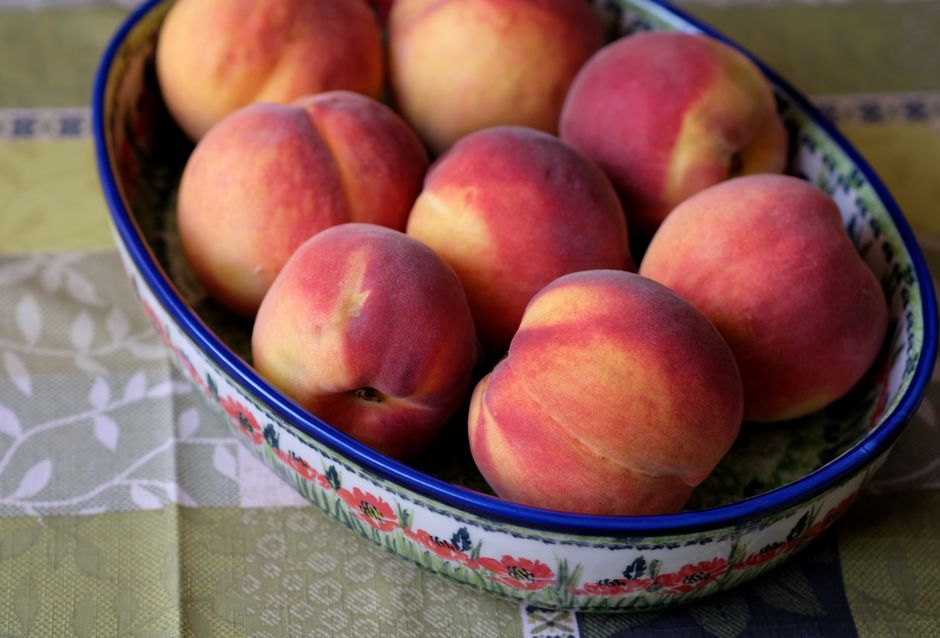
The foundation of any great peach cobbler lies in the quality of its star ingredient: the peaches. For a gluten-free rendition, the inherent moisture and flavor of the fruit become even more critical, as they contribute significantly to the overall texture and mouthfeel, compensating for the lack of gluten’s structural support. Opt for freestone peaches when possible, as they are easier to pit and slice, and tend to have a more concentrated flavor. Look for peaches that are fragrant, yield slightly to gentle pressure, and have a vibrant, unblemished skin. Avoid underripe peaches, which will be tart and hard, and overripe peaches, which can become mushy and watery during baking, potentially leading to a soggy cobbler base. If fresh, in-season peaches are unavailable, high-quality frozen or canned peaches (packed in juice, not syrup) can be a viable alternative. Thaw frozen peaches completely and drain them thoroughly before use, and drain canned peaches well to minimize excess liquid. The sweetness of your peaches will influence the amount of added sugar, so it’s advisable to taste them before adjusting the recipe. A mix of varieties can also add layers of flavor and texture to your cobbler.
The gluten-free flour blend is arguably the most pivotal element in achieving a successful gluten-free peach cobbler topping. A single gluten-free flour will rarely suffice. A well-balanced blend combines flours with different properties to mimic the structure, texture, and binding capabilities of wheat flour. A common and effective base includes a combination of a neutral-flavored starch, a protein-rich flour, and a slightly denser flour. For instance, a blend of white rice flour (for structure), almond flour (for richness and a slightly nutty flavor), and tapioca starch (for chewiness and binding) often yields excellent results. Other suitable components include sorghum flour, oat flour (certified gluten-free), buckwheat flour, or a pre-made gluten-free all-purpose flour blend. The key is to create a blend that provides structure without being gritty or dense, and that offers enough binding to hold the topping together. Experimentation is often necessary, as different gluten-free flour blends absorb moisture and react to leavening agents differently. Consider starting with a blend that is roughly 40% starches (like tapioca starch, potato starch, or cornstarch) and 60% denser flours (like brown rice flour, sorghum flour, or almond flour). The addition of xanthan gum or psyllium husk powder is typically crucial in gluten-free baking to provide the elasticity and binding that gluten normally offers. Xanthan gum, used in small quantities (typically ½ to 1 teaspoon per cup of flour blend), helps to emulsify ingredients, bind them together, and improve texture. Psyllium husk powder, on the other hand, absorbs a significant amount of liquid and creates a gel-like substance, which can contribute to a more bread-like texture. Use psyllium husk powder with caution, as too much can result in a gummy or overly dense topping.
The sweetness of the peach cobbler is a critical component that balances the tartness of the fruit and complements the richness of the topping. Granulated sugar is a common choice for both the fruit filling and the topping, providing sweetness and aiding in caramelization. However, for those seeking alternative sweeteners or a more nuanced flavor profile, options abound. Brown sugar, with its molasses content, adds a warm, caramelly depth to both the fruit and the topping. Coconut sugar offers a slightly lower glycemic index and a subtle caramel flavor. Maple syrup, while liquid, can impart a distinct woody sweetness and can be used in moderation in the fruit filling. When using liquid sweeteners, it’s important to account for the added moisture and potentially reduce other liquids in the recipe. Honey is another option, but its strong flavor can sometimes overpower the delicate taste of peaches. The amount of sweetener will depend on the ripeness of your peaches and personal preference. A good starting point for the fruit filling is typically ½ to ¾ cup of sugar per 6 cups of sliced peaches. The topping will usually require less sugar, around ¼ to ½ cup, depending on the desired level of sweetness and the inclusion of other sweet ingredients like brown sugar.
Beyond the primary flours and sweeteners, several other ingredients play a vital role in the texture and flavor of a gluten-free peach cobbler. Butter, when cold and cut into the dry ingredients for the topping, creates a flaky, biscuit-like texture, similar to traditional pie crusts. For a dairy-free option, solidified coconut oil or a high-quality vegan butter substitute can be used. The fat coats the gluten-free flour particles, preventing them from becoming tough and contributing to a tender crumb. Leavening agents, such as baking powder and baking soda, are essential for providing lift and lightness to the topping. Baking powder, a double-acting leavener, releases gas when mixed with liquid and again when heated. Baking soda, an alkali, reacts with acidic ingredients (like brown sugar or lemon juice) to produce carbon dioxide. Ensure your baking powder and baking soda are fresh for optimal results. A pinch of salt is crucial for enhancing all the flavors in the cobbler, balancing sweetness, and adding depth. Spices like cinnamon, nutmeg, and a touch of cardamom can elevate the peach flavor and add warmth to the topping. A squeeze of fresh lemon juice in the fruit filling not only brightens the peach flavor but also helps to activate baking soda if used and adds a touch of acidity that balances the sweetness. Vanilla extract, a classic flavor enhancer, adds aromatic complexity to both the fruit and the topping.
The preparation of the peach filling is a straightforward yet crucial step. Slice the prepared peaches into uniform pieces, approximately ½ inch thick. In a large bowl, gently toss the peach slices with your chosen sweetener, a tablespoon or two of your gluten-free flour blend or a thickening agent like cornstarch or tapioca starch, a pinch of salt, and any desired spices and lemon juice. The flour or starch acts as a binder and helps to thicken the juices released by the peaches during baking, preventing a watery cobbler. Some bakers prefer to pre-cook the peach filling slightly on the stovetop to soften them and begin the thickening process, especially if using firmer peaches or a very thick cobbler topping. This also allows for more control over the final consistency. However, many successful recipes opt for a raw filling that cooks entirely in the oven, resulting in a more natural, rustic texture.
The gluten-free cobbler topping can be approached in several ways, each yielding a distinct but delicious result. The most common method is a biscuit-style topping, where cold butter is cut into the dry gluten-free flour blend until it resembles coarse crumbs. This is then mixed with a liquid, such as milk (dairy or non-dairy), buttermilk, or even a bit of the peach juice, until just combined to form a soft, slightly sticky dough. This dough is then spooned or dropped onto the surface of the peach filling. Another popular approach is a crumble or streusel topping, which involves combining the gluten-free flour blend with sugar, spices, and cold butter or oil, and then crumbling it loosely over the peaches. This often results in a crispier, more cookie-like topping. Some recipes incorporate eggs into the topping mixture to add richness and binding. A common ratio for a biscuit-style topping might be 1 ½ cups of gluten-free flour blend, ½ cup of sugar, 1 ½ teaspoons of baking powder, ¼ teaspoon of salt, and ½ cup (1 stick) of cold butter, cut into small cubes, with ¼ to ½ cup of liquid added to form the dough. For a crumble, you might use a similar flour base but with a higher ratio of sugar and butter/oil, and a looser, more crumbly texture. Whichever method you choose, avoid overmixing the dough, as this can lead to a tough topping.
Baking the gluten-free peach cobbler requires careful temperature and timing to ensure both the fruit is cooked through and the topping is golden brown and set. Preheat your oven to a moderately high temperature, typically 375°F (190°C). A 9-inch pie plate or a similar-sized baking dish is ideal. Pour the prepared peach filling into the baking dish. Then, spoon or crumble the topping evenly over the fruit. For a biscuit-style topping, ensure it covers most of the fruit, leaving some gaps for the steam to escape. For a crumble, distribute it generously. Cover the dish loosely with foil for the first portion of the baking time to prevent the topping from browning too quickly while the fruit cooks and the topping sets. Bake for approximately 20-30 minutes with the foil. Then, remove the foil and continue baking for another 20-30 minutes, or until the topping is deeply golden brown, the fruit is bubbly, and the juices have thickened. The exact baking time will vary depending on your oven and the moisture content of your peaches. A toothpick inserted into the topping should come out clean, and the edges of the cobbler should be visibly bubbling.
Cooling the gluten-free peach cobbler is an often-overlooked but vital step. Allow the cobbler to cool for at least 15-20 minutes before serving. This allows the juices to settle and thicken further, preventing a soupy consistency. The topping will also firm up slightly as it cools. Serving warm is ideal, but completely cool cobbler can also be enjoyed.
Serving suggestions for gluten-free peach cobbler are plentiful. It is traditionally served warm, often with a dollop of whipped cream (dairy or coconut-based), a scoop of vanilla ice cream, or a drizzle of créme anglaise. The contrast in temperature and texture is divine. For a less traditional but equally delicious pairing, consider a sprinkle of toasted slivered almonds or pecans over the top just before serving, adding an extra layer of crunch and nutty flavor. A dusting of powdered sugar can also add an elegant finish.
Troubleshooting common issues in gluten-free peach cobbler is essential for achieving consistent success. A dry, crumbly topping often indicates too much flour or not enough fat or liquid in the topping mixture, or it could be a sign of over-baking. Conversely, a gummy or dense topping usually stems from overmixing the dough, using too much xanthan gum or psyllium husk powder, or not enough leavening. A watery filling can be due to under-draining the peaches, insufficient thickening agent, or not baking the cobbler long enough. If your topping is browning too quickly, it’s a clear indication to use foil during the initial baking phase. The key to overcoming these challenges lies in understanding the role of each ingredient and the importance of precise measurements. Always weigh your gluten-free flours for accuracy.
Storage and reheating of gluten-free peach cobbler are straightforward. Once cooled, any leftovers can be stored in an airtight container in the refrigerator for up to 3-4 days. Reheat individual portions gently in the microwave or oven until warmed through. Be mindful that the texture of the topping may soften slightly upon reheating, but the flavor will remain delicious.
Exploring variations on the classic gluten-free peach cobbler opens up a world of creative possibilities. Consider adding other fruits to the peach mixture, such as blueberries, raspberries, or even chunks of slightly tart apples. A touch of ginger, either fresh or ground, can add a zesty kick. For a more decadent topping, incorporate chopped nuts like walnuts or pecans, or even shredded coconut into the crumble. Some bakers also experiment with incorporating spices like cardamom, allspice, or even a pinch of cayenne pepper for a subtle warmth. Gluten-free peach cobbler can also be deconstructed into individual ramekins for elegant single-serving desserts. The possibilities are truly endless, allowing for personalization and adaptation to individual tastes and dietary needs.
Mastering gluten-free peach cobbler is a rewarding culinary endeavor. By understanding the intricacies of gluten-free flours, the balance of sweeteners and fats, and the delicate dance of baking temperatures and times, you can consistently produce a dessert that is both satisfying and exceptionally delicious. This comprehensive guide provides the foundational knowledge, and through practice and experimentation, you will undoubtedly develop your own signature gluten-free peach cobbler that will be a crowd-pleaser for all.


