Grilled Brined Pork Tenderloin

The Ultimate Guide to Grilled Brined Pork Tenderloin: Flavor, Tenderness, and Perfect Execution
Brining pork tenderloin before grilling is a culinary technique that elevates this already lean and tender cut to an unparalleled level of succulence and flavor. The process, seemingly simple, involves immersing the pork in a saltwater solution, often enhanced with aromatics and sweeteners, allowing it to absorb moisture and seasoning deep within its muscle fibers. This not only prevents the tenderloin from drying out during the high-heat cooking of grilling but also infuses it with a nuanced taste that complements its natural mildness. The result is a grilled pork tenderloin that is exceptionally juicy, incredibly tender, and boasts a richer, more complex flavor profile than its unbrined counterpart. This comprehensive guide delves into the science and art of brining and grilling pork tenderloin, covering everything from selecting the right cut to achieving that perfect sear and smoky finish.
The foundation of a superb brined pork tenderloin lies in the brine itself. A basic brine consists of water and salt, typically a ratio of one cup of kosher salt (or half a cup of table salt, as it’s finer) to four cups of water. However, the true magic happens when you introduce additional ingredients that contribute layers of flavor. Sugar, whether granulated, brown sugar, or honey, balances the saltiness and aids in caramelization during grilling, contributing to a beautiful, golden-brown crust. For pork tenderloin, a brine ratio of approximately 1/4 cup of kosher salt and 2 tablespoons of sugar per 4 cups of water is a good starting point. Beyond the sweet and salty, consider incorporating aromatics that enhance the pork’s inherent flavor. Whole peppercorns, bay leaves, garlic cloves (crushed or whole), fresh herbs like rosemary, thyme, or sage, and even citrus peels (lemon or orange) can impart subtle yet impactful notes. For a more robust flavor, consider adding a splash of soy sauce or Worcestershire sauce to the brine, which contribute umami and depth. The goal is to create a balanced brine that enhances, rather than overpowers, the natural taste of the pork.
The duration of brining is crucial and directly impacts the outcome. For pork tenderloin, which is a relatively thin cut, the brining time is shorter than for larger cuts of meat. Over-brining can lead to a mushy texture and an overly salty flavor. Generally, 2 to 6 hours is the optimal window for brining pork tenderloin in the refrigerator. Smaller tenderloins might be perfectly brined after 2-3 hours, while larger ones can benefit from up to 6 hours. It’s always better to err on the side of slightly less time than too much. Once the brining period is complete, it is essential to rinse the pork tenderloin thoroughly under cold running water. This step removes excess salt from the surface, preventing it from becoming overly seasoned during the grilling process. After rinsing, pat the tenderloin completely dry with paper towels. Moisture is the enemy of a good sear, and a dry surface is paramount for achieving that desirable crust. Any remaining moisture will steam the meat rather than allowing it to brown and develop those delicious Maillard reaction flavors.
Once the brined pork tenderloin has been rinsed and thoroughly dried, it’s time to consider seasoning it before grilling. While the brine has already imparted flavor, a light application of dry rub or seasoning further enhances the taste and creates an appealing exterior. This layer of seasoning can be as simple as coarse black pepper and a touch of garlic powder, or it can be more complex, incorporating paprika, onion powder, cumin, or chili powder for a smoky or spicy kick. If you used herbs in your brine, consider incorporating complementary herbs into your dry rub. For instance, if you brined with rosemary, a sprinkle of dried rosemary on the exterior would create a harmonious flavor profile. Avoid adding salt to your dry rub, as the pork is already seasoned from the brine. The dry rub should be applied evenly to all sides of the tenderloin.
The grill temperature and preparation are critical for achieving a perfectly cooked brined pork tenderloin. Pork tenderloin cooks quickly, making it ideal for direct grilling over medium-high heat. Aim for a grill temperature of around 400-450°F (200-230°C). Before placing the pork on the grill, ensure the grates are clean and well-oiled. This prevents sticking and contributes to a cleaner sear. A clean grill grate not only ensures the pork doesn’t adhere but also prevents bits of old food from imparting off-flavors. Oiling the grates can be achieved by dipping a paper towel in a high-heat cooking oil (like canola or vegetable oil) and using long tongs to rub it over the hot grates.
Grilling a brined pork tenderloin requires careful monitoring to prevent overcooking. The cooking time will vary depending on the thickness of the tenderloin and the exact temperature of your grill, but generally, it takes about 5-7 minutes per side for a medium-rare to medium finish. The key is to sear the exterior quickly to develop a beautiful crust while allowing the interior to reach the desired doneness. Use a meat thermometer to ensure accuracy. The ideal internal temperature for pork tenderloin is 145°F (63°C) for medium-rare, which is now considered safe and recommended by culinary authorities for optimal tenderness and juiciness. For a more well-done, though less tender, result, aim for 160°F (71°C). It is imperative to remove the pork from the grill when it reaches approximately 5°F below your target temperature, as it will continue to cook and rise in temperature while resting.
The resting period is as important as the grilling itself. Once removed from the heat, place the brined pork tenderloin on a clean cutting board and tent it loosely with aluminum foil. Allow it to rest for 5-10 minutes. This crucial step allows the juices to redistribute throughout the meat. If you cut into the tenderloin immediately after grilling, all those delicious juices will run out onto the cutting board, resulting in drier meat. The internal temperature will also continue to rise by a few degrees during this resting period, bringing it to your final desired doneness.
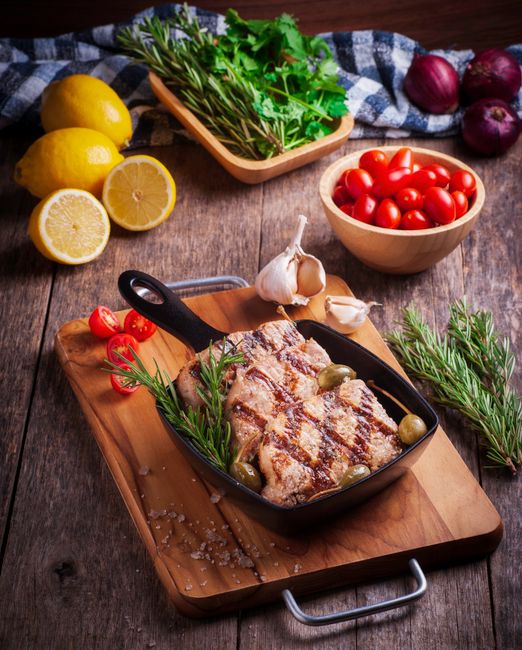
After resting, the brined pork tenderloin is ready to be sliced and served. Slicing against the grain is essential for maximum tenderness. Look for the direction of the muscle fibers and slice perpendicularly across them. This breaks down the connective tissues, making each bite incredibly tender and easy to chew. The grilled brined pork tenderloin can be served whole or sliced into medallions. It is incredibly versatile and pairs well with a wide range of accompaniments.
The applications for grilled brined pork tenderloin are extensive. It can be the star of a simple weeknight dinner, sliced and served with roasted vegetables, a fresh salad, or a side of mashed potatoes. For a more elegant presentation, it can be sliced and served with a pan sauce or a fruit chutney. Its tender and juicy texture makes it an excellent choice for sandwiches, wraps, or even as a protein addition to salads. Consider pairing it with a robust red wine, a crisp white wine, or even a craft beer. The smoky notes from the grill and the enhanced pork flavor from the brine will complement a variety of beverages.
Beyond the basic brine and grill, there are numerous ways to further enhance your grilled brined pork tenderloin experience. Consider finishing it with a glaze during the last few minutes of grilling. A simple honey-soy glaze, a balsamic reduction, or a BBQ sauce can add another layer of flavor and visual appeal. For a more herbaceous finish, brush the tenderloin with a compound butter infused with garlic, herbs, and lemon zest just after it comes off the grill. The residual heat will melt the butter, infusing the pork with additional aroma and richness. For those who enjoy a bit of heat, a spicy rub or a finishing drizzle of sriracha-lime sauce can be a welcome addition. Experimentation is key to discovering your personal favorite flavor profiles.
When selecting pork tenderloin, look for cuts that are uniformly colored, with no significant discoloration or bruising. The meat should be firm to the touch. While a bit of marbling is acceptable, pork tenderloin is inherently lean, and the brining process is designed to compensate for this leanness. Trim any excessive silverskin or fat, as these can become tough and chewy during grilling. For even cooking, it’s beneficial to ensure the tenderloin is of consistent thickness. If one end is significantly thicker than the other, you can tie the thinner end with butcher’s twine to create a more uniform shape.
Troubleshooting common issues with grilled pork tenderloin often centers around dryness or uneven cooking. If your pork is coming out dry, you may have overcooked it, or your brine may have been too dilute or not brined for long enough. Ensure you are using a meat thermometer and pulling the tenderloin off the grill at the correct temperature. Uneven cooking can sometimes be attributed to a grill with hot spots or an unevenly shaped tenderloin. Rotating the tenderloin frequently during grilling can help to promote more even cooking, and as mentioned, tying the tenderloin can help with consistency. If your pork is sticking to the grill, it’s a clear indication that your grill grates were not properly cleaned or oiled.
The versatility of grilled brined pork tenderloin extends to its ability to be prepared in advance. You can brine the pork tenderloin a day ahead of time and keep it refrigerated. After brining and rinsing, pat it dry and store it in an airtight container or resealable bag in the refrigerator until you are ready to grill. You can also prepare your dry rub in advance and have it ready to go. This makes weeknight grilling much more efficient. However, it’s generally best to grill the tenderloin the same day you plan to serve it for the freshest flavor and optimal texture.
In summary, mastering the art of grilled brined pork tenderloin involves understanding the principles of brining for moisture and flavor infusion, proper grilling techniques for searing and even cooking, and the essential resting period for juice redistribution. By following these guidelines and experimenting with different brine ingredients and dry rubs, you can consistently achieve a succulent, flavorful, and perfectly cooked pork tenderloin that will impress at any occasion. The combination of the tenderloin’s natural attributes, enhanced by the transformative power of brining and the irresistible char of the grill, creates a culinary experience that is both simple to execute and deeply satisfying. This method ensures that even this lean cut of pork delivers on tenderness and moisture, making it a go-to option for grilling enthusiasts seeking a reliably delicious and crowd-pleasing dish.