Colorado Green Chili Chile Verde
Colorado Green Chili: A Fiery Fixture of Southwestern Cuisine
Colorado Green Chili, often referred to as chile verde, is more than just a dish; it’s a cornerstone of Colorado’s culinary identity, a vibrant and complex symphony of flavors that speaks to the state’s agricultural heritage and its deep Southwestern roots. This slow-cooked stew, characterized by its verdant hue and a potent kick, is a testament to the transformative power of simple, high-quality ingredients. Unlike its red chili counterpart, which typically relies on dried chilies and ground meat, green chili celebrates the fresh, bright, and often fiery notes of roasted green chilies, simmered to perfection with succulent pork and a medley of aromatics. The resulting dish is a revelation – a rich, savory, and undeniably satisfying experience that has earned its place as a beloved staple across the Centennial State and beyond. Its popularity stems not only from its delicious taste but also from its versatility, serving as a standalone entree, a hearty topping for breakfast burritos, a flavorful accompaniment to fries, or even a decadent dip. The aroma alone, a complex dance of roasted peppers, savory pork, and earthy spices, is enough to ignite an appetite. This article delves into the heart of Colorado Green Chili, exploring its origins, key ingredients, the art of its preparation, regional variations, and its enduring cultural significance.
The soul of Colorado Green Chili lies in its namesake ingredient: green chilies. While various types can be employed, the Hatch chili, grown in New Mexico and often found in Colorado, is a highly prized choice due to its exceptional flavor profile, balancing heat with a subtle sweetness and a distinct smoky character when roasted. Pueblo green chilies, a local Colorado variety, also hold a special place in the hearts of many, offering a slightly different but equally delicious flavor. The roasting process is paramount. This isn’t a quick char; it’s a deliberate caramelization that coaxes out the chilies’ inherent sweetness, deepens their flavor, and lends a characteristic smoky undertone to the final dish. Roasting can be achieved through several methods, each contributing a nuanced layer of flavor. Open flame roasting directly over a gas burner or grill imparts an intense smoky char. Broiling in an oven provides a more uniform blistering of the skin, making it easier to peel. Even a cast-iron skillet can be used to achieve a satisfactory char. The goal is to blister the skin until it’s blackened in spots, signaling that the flesh beneath has softened and its flavors have intensified. Once roasted, the chilies are typically steamed in a covered bowl or plastic bag for a short period, allowing the trapped steam to loosen the skins, making them easy to remove. The seeds and membranes, which contain the majority of the chili’s heat, can be adjusted based on preference. For a milder chili, a significant portion of the seeds and membranes are removed. For those who crave a more intense heat, more are left intact. The type of green chili used also dictates the heat level; Anaheim and poblano peppers, while green, are milder than jalapeños or serranos, which can be incorporated for added fire.
Pork is the traditional protein for Colorado Green Chili, chosen for its ability to absorb flavors and contribute a rich, savory depth to the stew. The cut of pork is a matter of personal preference and desired texture. Pork shoulder (Boston butt) is a popular choice due to its intramuscular fat, which renders beautifully during the long cooking process, resulting in tender, melt-in-your-mouth pieces of meat. Pork loin can also be used, offering a leaner option, but it requires careful cooking to prevent it from becoming dry. The pork is typically cut into bite-sized cubes, seasoned generously with salt and pepper, and then seared to develop a flavorful crust before being added to the pot. This searing step is crucial for building layers of flavor and is a non-negotiable in achieving an authentic green chili. The Maillard reaction that occurs during searing creates complex aromatic compounds that contribute significantly to the overall taste of the dish.
Beyond the chilies and pork, a supporting cast of aromatics and seasonings elevates Colorado Green Chili from good to exceptional. Onions and garlic form the foundational aromatic base, sautéed until softened and fragrant before the chilies and pork are introduced. Cumin, a quintessential Southwestern spice, provides its signature earthy, warm notes, while oregano, often Mexican oregano for its more potent flavor, adds a herbaceous counterpoint. A touch of coriander can introduce a bright, citrusy hint. The liquid base for the chili is typically a combination of chicken broth or water, allowing the flavors of the chilies and pork to meld and concentrate. Some recipes might incorporate a small amount of tomatillos, which, while green, offer a tangy, acidic counterpoint that can cut through the richness of the pork and chilies. These tomatillos are usually roasted alongside the chilies or simmered until tender.
The preparation of Colorado Green Chili is a labor of love, a testament to the rewards of slow cooking. The process generally begins with roasting the green chilies as described above, followed by peeling and seeding them. The pork is then cut, seasoned, and seared in a large, heavy-bottomed pot or Dutch oven. Once the pork has a good sear, the onions and garlic are added to the same pot, sautéed until softened, and then the roasted green chilies are added. The spices are then stirred in, toasting them briefly to release their aromatic oils. The broth or water is poured in, bringing the mixture to a simmer. The pot is then covered, and the chili is left to cook gently for several hours, allowing the pork to become incredibly tender and the flavors to meld and deepen. The exact cooking time can vary, but a minimum of two to three hours is generally recommended, with many cooks opting for four to six hours for optimal results. During the cooking process, the chili will thicken naturally from the breakdown of the pork and chilies. If a thicker consistency is desired, some recipes call for pureeing a portion of the cooked chili and returning it to the pot, or incorporating a cornstarch slurry as a last resort, though this is generally avoided by purists.
Regional variations of Colorado Green Chili abound, reflecting the diverse culinary landscapes and traditions within the state. In Southern Colorado, particularly around Pueblo, where the eponymous Pueblo green chili is grown, the chili often has a distinct local character. These versions might emphasize a slightly more rustic approach, with chunkier pieces of pork and a robust chili flavor. Denver’s variations can sometimes lean towards a slightly smoother consistency or incorporate a wider array of spices. Some home cooks might add a pinch of cayenne pepper for an extra layer of heat, while others prefer to let the natural heat of the chilies shine. The inclusion of ingredients like potatoes or hominy is less common in traditional Colorado Green Chili but can be found in some adapted recipes. The defining characteristic, however, remains the focus on roasted green chilies and the slow-cooked, tender pork.
The cultural significance of Colorado Green Chili is undeniable. It’s a dish that brings people together, a source of pride for Coloradans, and a culinary ambassador for the state’s unique Southwestern identity. It’s a regular fixture at family gatherings, potlucks, and local festivals. The "Green Chili Trail" in Southern Colorado celebrates this heritage, highlighting restaurants renowned for their exceptional green chili. It’s a dish that evokes nostalgia and comfort, a taste of home for many. The popularity of green chili has also transcended state lines, with restaurants across the country offering their interpretations, though true aficionados will always point to Colorado for the most authentic experience.
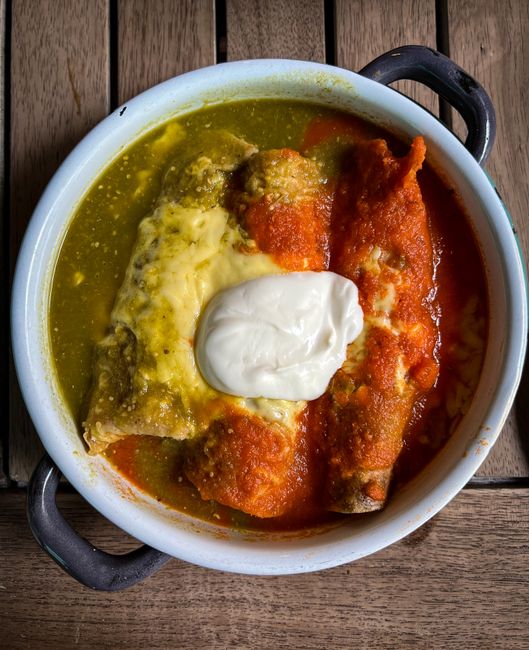
Serving Colorado Green Chili is as much about the experience as it is about the dish itself. While it can be enjoyed on its own, its true versatility shines when paired with other elements. Warm, crusty bread is an excellent vehicle for sopping up every last drop of the flavorful sauce. Sour cream, shredded cheddar cheese, and chopped cilantro are classic toppings that add creamy, savory, and fresh counterpoints. For breakfast, it’s an essential component of breakfast burritos, enveloping scrambled eggs, potatoes, and often bacon or sausage in a spicy, savory embrace. Smothering French fries with green chili creates a decadent dish, often referred to as "green chili fries." It can also be served over rice, enchiladas, or even as a hearty topping for nachos. The adaptability of green chili is a testament to its robust flavor profile, capable of complementing and enhancing a wide range of dishes.
In conclusion, Colorado Green Chili stands as a culinary icon, a delicious and enduring symbol of Southwestern flavor. Its preparation, rooted in the careful roasting of fresh green chilies and the slow, patient cooking of tender pork, yields a dish of unparalleled depth and complexity. The subtle variations found across the state speak to its adaptability and widespread appeal. More than just a meal, it’s a cultural touchstone, a dish that evokes a sense of place and tradition. The next time you encounter a bowl of vibrant, aromatic Colorado Green Chili, take a moment to appreciate the rich history and culinary artistry that has made it a beloved fixture of Colorado cuisine. Its influence continues to grow, solidifying its status as a must-try dish for any culinary adventurer exploring the American Southwest.