Best Non Toxic Cookware
The Ultimate Guide to Non-Toxic Cookware: Healthy Cooking Without Compromise
The kitchen is the heart of the home, and the tools we use to prepare our food directly impact our health. Traditional cookware, often coated with non-stick chemicals or made from reactive metals, can leach harmful substances into our meals, especially at high temperatures. Understanding the landscape of non-toxic cookware is crucial for anyone prioritizing a healthy lifestyle and seeking to minimize their exposure to potential toxins. This comprehensive guide explores the best non-toxic cookware materials, their benefits, drawbacks, and provides practical advice for making informed purchasing decisions.
Ceramic cookware, specifically those with a pure ceramic cooking surface (not to be confused with ceramic-coated aluminum), represents a popular non-toxic option. True ceramic cookware is derived from natural clay and fired at extremely high temperatures, creating a hard, inert, and non-reactive surface. This material does not contain PFOA, PFTE, lead, or cadmium. Its primary advantage lies in its natural non-stick properties when seasoned properly and its ability to withstand high heat without degrading. Ceramic is also an excellent conductor of heat, ensuring even cooking. However, some ceramic cookware can be prone to chipping if dropped, and its non-stick properties may diminish over time if not maintained. Thorough seasoning is vital for optimal performance, and it’s important to differentiate genuine ceramic from ceramic-coated aluminum, which may still contain trace amounts of the underlying metal. For cleaning, gentle scrubbing with a non-abrasive sponge is recommended, and soaking may be necessary for stubborn residue.
Stainless steel is a ubiquitous choice in kitchens worldwide, and for good reason. High-quality stainless steel cookware, particularly those with an 18/10 or 18/8 designation (referring to the chromium and nickel content), is generally considered safe and non-toxic. The chromium content creates a passive oxide layer that protects the underlying metal from corrosion and prevents leaching into food. Stainless steel is durable, scratch-resistant, and does not react with acidic foods like tomatoes or lemon juice. Its main drawback is its tendency to have hot spots if not designed with a multi-ply construction. Cheaper, thinner stainless steel pans often lack even heat distribution, leading to unevenly cooked food. Therefore, opting for tri-ply or five-ply stainless steel, where a core of aluminum or copper is sandwiched between layers of stainless steel, is highly recommended for superior heat conductivity and responsiveness. While generally safe, some individuals with nickel sensitivities might want to be cautious, although the nickel is typically bound within the alloy and not readily released. Cleaning is straightforward; most stainless steel can be washed with soap and water, and specialized stainless steel cleaners can tackle tougher stains.
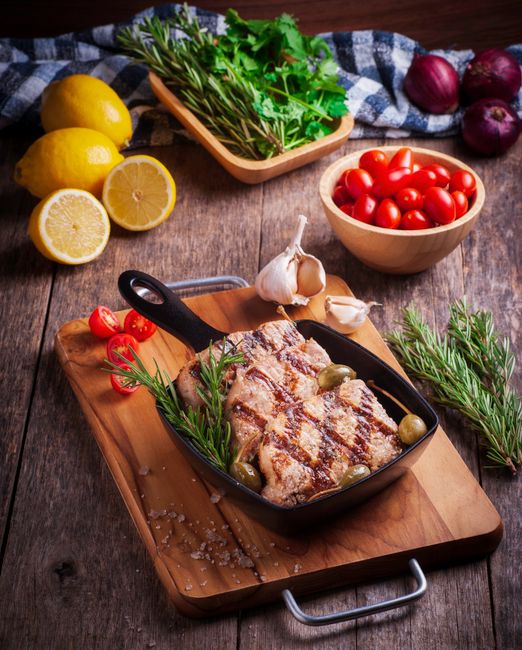
Cast iron cookware, a timeless classic, is lauded for its durability, heat retention, and the potential to leach small amounts of iron into food, which can be beneficial for those with iron deficiencies. Properly seasoned cast iron develops a natural non-stick surface that improves with use. It is inherently free from synthetic chemicals. Cast iron excels at searing, frying, and slow cooking. However, its weight can be a significant drawback for some users, and it requires diligent seasoning and maintenance to prevent rust. Acidic foods can react with unseasoned or poorly seasoned cast iron, potentially imparting a metallic taste and accelerating corrosion. It’s crucial to avoid prolonged soaking and to dry cast iron thoroughly immediately after washing. Regular re-seasoning is essential to maintain its non-stick properties and protect it from rust. For cleaning, a stiff brush or scraper is often sufficient, and a light coating of cooking oil after drying is recommended.
Enameled cast iron, like that produced by Le Creuset or Staub, combines the heat retention of cast iron with a non-reactive, non-toxic enamel coating. This coating, typically made from glass fused to the cast iron, creates a smooth, non-porous surface that does not react with food and is easy to clean. Enameled cast iron is excellent for stews, braising, and baking. It offers the benefits of cast iron without the need for extensive seasoning or the risk of rust. The enamel coating is generally very durable, but it can chip if subjected to severe impact. Like all cast iron, it is heavy. Cleaning is straightforward, usually involving soap and warm water. Avoid abrasive scrubbers that could scratch the enamel.
Glass cookware, such as Pyrex or CorningWare, is an excellent choice for baking and oven-to-table use. Made from tempered glass, it is inert, non-reactive, and does not leach any chemicals into food. Glass is easy to clean and does not retain odors or flavors. Its primary limitation is its fragility; it can shatter if exposed to extreme temperature changes or if dropped. It is not typically recommended for stovetop use due to the risk of thermal shock. Glass bakeware is dishwasher safe, though handwashing can help maintain its pristine appearance.
Stoneware cookware, similar to ceramic but often made from coarser clay, is another natural and non-toxic option. It is fired at lower temperatures than pure ceramic, resulting in a slightly more porous material. Like ceramic, it offers good heat retention and a naturally non-stick surface when seasoned. It is oven-safe and can be used for baking and roasting. However, its porosity means it can absorb moisture and stains over time, and it can be prone to chipping. Proper seasoning and careful cleaning are important for maintaining its longevity.
When evaluating cookware for toxicity, it’s important to understand the materials to avoid. Non-stick coatings, especially older Teflon or PTFE (polytetrafluoroethylene) based pans, are a primary concern. When overheated, PTFE can release toxic fumes (Perfluorooctanoic acid or PFOA, a chemical used in the manufacturing of PTFE, has been phased out in many countries, but older pans may still contain it). These fumes can cause flu-like symptoms known as "polymer fume fever" and are a particular danger to birds. Aluminum, while a good conductor of heat, can leach into food, especially when cooking acidic or alkaline substances. While modern aluminum cookware is often anodized or coated, making it safer, concerns about potential leaching remain for some consumers. Cookware with lead or cadmium glazes, particularly on older ceramic or stoneware items not specifically certified as lead-free, poses a significant health risk, especially for children. These heavy metals can leach into food and are highly toxic.
The selection of non-toxic cookware should also consider the cooking methods you employ most frequently. For high-heat searing and frying, cast iron or well-constructed stainless steel tri-ply pans are excellent choices. For baking and oven-to-table service, glass or enameled cast iron excel. If you prioritize convenience and a naturally slippery surface without synthetic coatings, investing in well-seasoned cast iron or pure ceramic is a worthwhile endeavor. For everyday cooking, versatile stainless steel offers a balance of durability, safety, and performance.
Beyond the material itself, the manufacturing process and certifications can provide further assurance. Look for certifications from organizations like NSF International, which tests and certifies products to protect public health. While specific "non-toxic" labels are rare, certifications related to food safety and material composition can offer peace of mind. When purchasing, reading reviews and researching the brand’s commitment to sustainable and healthy manufacturing practices can be invaluable.
Investing in quality non-toxic cookware is an investment in your health and well-being. By understanding the properties of different materials, being aware of potential toxins to avoid, and considering your personal cooking habits, you can confidently equip your kitchen with tools that promote healthy, delicious meals for years to come. Prioritizing longevity and proper care for your chosen cookware will further extend its lifespan and ensure its continued safety and performance.