Category Pickles And Preserves
Pickles and Preserves: A Culinary Deep Dive into Fermented and Preserved Foods
Pickles and preserves represent a significant category within the food industry, encompassing a broad spectrum of products preserved through various methods, primarily pickling (brining or marinating in an acidic solution) and preserving (using sugar, salt, or drying). This category is not only vital for extending shelf life and reducing food waste but also for enhancing flavor profiles, creating unique textures, and preserving nutritional value. The global market for pickles and preserves is substantial and continuously growing, driven by consumer demand for convenience, diverse flavors, and historically rooted food traditions. Understanding the intricacies of this category involves exploring the science behind preservation, the diverse range of ingredients and methods, market trends, and consumer preferences.
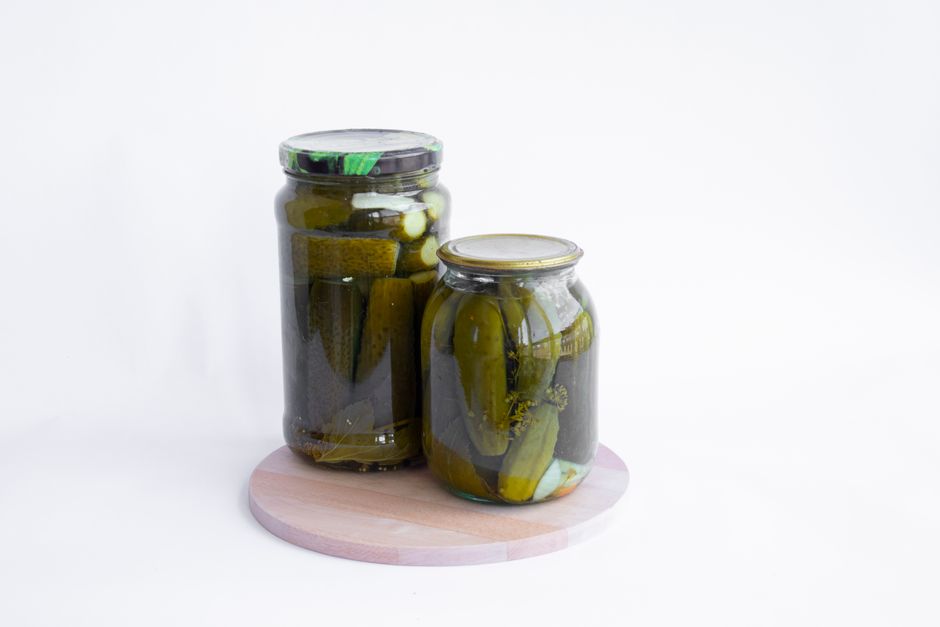
The core of pickling lies in the creation of an acidic environment that inhibits the growth of spoilage-causing microorganisms. This acidity is typically achieved through fermentation, where lactic acid bacteria convert natural sugars in the vegetables or fruits into lactic acid, or through the direct addition of vinegar. Fermentation, a time-honored preservation technique, offers a complex flavor profile due to the metabolic byproducts of the bacteria, including organic acids and volatile compounds that contribute to the characteristic tangy, sour, and sometimes pungent taste of fermented pickles. Common vegetables undergoing fermentation include cucumbers, cabbage (sauerkraut), radishes, and even carrots. The process requires careful control of temperature, salt concentration, and anaerobic conditions to favor the growth of desirable lactic acid bacteria and prevent the proliferation of pathogens or spoilage organisms. Factors such as water quality, the presence of natural yeasts and molds on the produce, and the initial microbial load all play crucial roles in the success of a fermentation. For instance, the brine’s salt concentration is critical; too low and undesirable bacteria can thrive, too high and it can inhibit the desired lactic acid fermentation. The temperature also influences the rate and type of fermentation; warmer temperatures favor faster fermentation but can also lead to softer pickles, while cooler temperatures result in slower fermentation and firmer textures.
Alternatively, quick pickling relies on the direct addition of vinegar, typically white vinegar, apple cider vinegar, or rice vinegar, to vegetables or fruits. This method is faster than fermentation and results in a crisper product with a more pronounced, sharp acidic flavor. Vinegar pickles often incorporate spices, herbs, and sweeteners like sugar to create a balanced sweet and sour taste. Common ingredients beyond cucumbers include onions, bell peppers, cauliflower, green beans, and even fruits like peaches and cherries. The choice of vinegar significantly impacts the final flavor; apple cider vinegar adds a subtle fruity note, while rice vinegar offers a milder, slightly sweet acidity. Spices such as dill, mustard seeds, coriander, peppercorns, and bay leaves are integral to developing the complex flavor profiles that consumers associate with pickles and preserves.
Preserves, in contrast to pickles that primarily rely on acidity, utilize sugar as the primary preservative agent. This is especially true for fruit preserves like jams, jellies, marmalades, and fruit butters. Sugar works by binding with water molecules, making them unavailable to microorganisms, thus preventing spoilage. The high sugar content creates an environment that is hostile to bacterial and fungal growth. The concentration of sugar is critical; generally, a ratio of 1:1 fruit to sugar is employed, though this can vary depending on the natural sugar content of the fruit and the desired texture and shelf life. The addition of pectin, a natural gelling agent found in fruits like apples, citrus, and berries, is crucial for achieving the characteristic gelled consistency of jams and jellies. Pectin requires acid and sugar to gel effectively. Without sufficient pectin, additional pectin can be added in powdered or liquid form. The cooking process for preserves also plays a role; heating not only dissolves the sugar and activates the pectin but also helps to sterilize the product and evaporate excess water, further concentrating the sugar and enhancing preservation. The spectrum of fruit preserves is vast, with regional variations and seasonal availability dictating popular choices. Strawberry jam, grape jelly, and apricot marmalade are ubiquitous, while more niche preserves like fig jam or rhubarb conserve cater to discerning palates.
The category extends beyond sweet fruit preserves to encompass savory preparations. Chutneys, for instance, are relishes often made from fruits, vegetables, and spices, typically cooked down with vinegar and sugar to a thick consistency. They can range from intensely sweet and fruity to fiery and spicy, often incorporating ingredients like ginger, garlic, chilies, and various aromatic spices. Indian cuisine boasts a rich tradition of chutneys, with countless regional variations. Relishes, a broader term, can include finely chopped pickled vegetables, often with a sweet or tangy dressing, and are commonly served as condiments with grilled meats, sandwiches, and other dishes. Corn relish, tomato relish, and mixed vegetable relish are popular examples.
Beyond these primary categories, other forms of preserved foods relevant to this market include pickled eggs, pickled fish (such as herring or salmon), and even pickled meats, though these are less common in mainstream Western markets. The preservation of fish often involves brining, smoking, or marinating in oil or vinegar, drawing on traditions from Northern European and Scandinavian cuisines. Pickled eggs, a simple yet satisfying snack, are typically hard-boiled eggs preserved in a brine of vinegar, water, salt, and spices.
The science behind effective preservation is multifaceted. Water activity (aw), a measure of the unbound water available for microbial growth, is a key factor. Both high salt concentrations (in pickles) and high sugar concentrations (in preserves) reduce water activity significantly. Acidity, measured by pH, is another critical element. A low pH (high acidity) inhibits the growth of most pathogenic bacteria. Pasteurization, a heat treatment process, is often employed for commercially produced pickles and preserves to further reduce the microbial load and extend shelf life, especially for products that are not intended for unrefrigerated storage. Understanding the interplay of salt, sugar, acid, temperature, and time is fundamental to food safety and quality within this category. For example, improperly canned or preserved foods can be susceptible to the growth of Clostridium botulinum, a bacterium that produces a deadly toxin. Strict adherence to recommended preservation guidelines is paramount.
The market for pickles and preserves is characterized by several key trends. Health and wellness concerns are influencing product development. Consumers are increasingly seeking products with lower sodium content, fewer artificial ingredients, and natural sweeteners. The demand for fermented foods has also surged due to perceived health benefits, particularly those associated with probiotics. Brands are responding by offering a wider range of naturally fermented pickles and sauerkraut. Transparency in sourcing and ingredients is also a growing consumer expectation, with a preference for locally sourced produce and simple, recognizable ingredient lists.
The artisanal and gourmet segment is a significant driver of innovation. Small-batch producers are experimenting with unique flavor combinations, exotic ingredients, and heritage recipes, appealing to consumers looking for premium and distinctive products. This includes pickles made with specialty vinegars, infused with herbs like rosemary or lavender, or incorporating unique vegetables like Romanesco cauliflower or heirloom tomatoes. Similarly, fruit preserves are being elevated with additions like chili flakes, star anise, or exotic fruits, moving beyond traditional offerings.
Convenience remains a powerful factor. Pre-sliced pickles, ready-to-eat relishes, and single-serving preserve portions cater to busy lifestyles. The demand for versatile products that can be used in multiple culinary applications, from sandwich toppings to glazes for meats, also influences product development. The foodservice industry, including restaurants, delis, and catering businesses, is a substantial consumer of pickles and preserves, relying on them for flavor, texture, and cost-effectiveness in a wide array of dishes.
E-commerce has opened new avenues for market reach. Consumers can now easily access a vast selection of pickles and preserves online, including niche and specialty products that may not be available in local brick-and-mortar stores. This has facilitated the growth of direct-to-consumer brands and expanded the geographic reach for smaller producers.
The category’s global appeal is evident in the diverse culinary traditions it supports. From the dill pickles of North America to the pickled vegetables of Eastern Europe, the kimchi of Korea, the tsukemono of Japan, and the countless chutneys and pickles of India, these preserved foods are integral to national and regional cuisines. This global diversity presents opportunities for product differentiation and market expansion. Introducing consumers to new forms of pickles and preserves from different cultures can be a successful strategy.
Challenges within the category include maintaining consistent quality and shelf life, managing production costs, and navigating evolving regulatory landscapes regarding food safety and labeling. The seasonality of fresh produce can also pose a sourcing challenge for year-round production. Competition is also intense, with a mix of large multinational corporations and a growing number of independent producers vying for market share.
In conclusion, the category of pickles and preserves is a dynamic and multifaceted sector of the food industry. Its foundation in preservation techniques, both ancient and modern, allows for a vast array of flavors, textures, and culinary applications. Driven by consumer demand for health, convenience, and unique taste experiences, the market continues to evolve. From the tang of fermented cucumbers to the sweetness of fruit preserves, and the complexity of artisanal relishes, pickles and preserves offer a rich landscape for culinary exploration and commercial opportunity. Understanding the science, market trends, and consumer preferences is key to navigating and succeeding within this enduring and versatile food category.