Scallops One Two Three
Scallops One Two Three: A Comprehensive Guide to These Marvelous Mollusks
Scallops, a celebrated bivalve mollusk, offer a culinary experience characterized by their delicate sweetness, tender texture, and remarkable versatility. Their distinctive fan-shaped shell, adorned with radiating ribs, hints at the treasures held within. Commercially, the term "scallop" most commonly refers to the adductor muscle, the plump, white portion responsible for the mollusk’s ability to snap its shell shut. This muscle is the prized component, sought after by chefs and home cooks alike for its superior flavor and texture. Understanding the different types of scallops available, their anatomical distinctions, and their optimal culinary applications is key to appreciating these ocean delicacies fully.
The world of scallops is broadly categorized into two main groups: bay scallops and sea scallops. This distinction is not merely geographical but also reflects significant differences in size, flavor profile, and texture. Bay scallops, the smaller of the two, are harvested from shallow, protected coastal waters and estuaries, often found in bays and inlets. They are typically smaller than a quarter in diameter and possess a more concentrated, intensely sweet flavor. Their smaller size means they cook very rapidly, making them ideal for dishes where a quick sear or incorporation into a sauce is desired. Bay scallops are often sold shucked and may be found fresh or frozen. Due to their delicate nature, they are more susceptible to overcooking, requiring a precise and brief cooking time. Their sweetness also lends itself well to pairing with ingredients that offer a contrasting or complementary flavor, such as bacon, lemon, or subtle herbs.
Sea scallops, on the other hand, are significantly larger, often measuring one to two inches in diameter. They are harvested from deeper, open ocean waters by commercial trawlers. Their adductor muscle is much more substantial, offering a firmer, meatier texture compared to bay scallops. The flavor of sea scallops is also distinct, possessing a less pronounced sweetness and a more subtle, oceanic brine. This more robust profile allows them to stand up to more assertive cooking methods and flavor pairings. Pan-searing is a classic and highly effective method for cooking sea scallops, achieving a beautiful caramelized crust while leaving the interior tender and moist. Their size makes them a visually appealing centerpiece for many dishes. Like bay scallops, sea scallops are widely available both fresh and frozen. The choice between bay and sea scallops often depends on the desired culinary outcome and the overall flavor profile of the dish being prepared.
Beyond the primary classification of bay and sea scallops, there are other nuances to consider. "Diver scallops" or "hand-dived scallops" are a premium category, primarily referring to sea scallops harvested through diving rather than trawling. This method is more labor-intensive and environmentally conscious, as it avoids the bycatch associated with trawling. Diver scallops are often considered superior in quality due to their careful handling and the fact that they are typically harvested from areas with pristine water conditions. They are often sold fresh and command a higher price point. The meticulous harvesting process ensures that the scallops are of exceptional quality, with a clean flavor and perfect texture.
When purchasing scallops, several indicators suggest freshness and quality. For whole scallops in their shells, look for shells that are tightly closed or that close when tapped. The interior meat should appear moist and plump, with no signs of drying or discoloration. For shucked scallops, the adductor muscle should be creamy white or pale ivory, with a slightly firm texture. Avoid scallops that appear excessively wet, translucent, or have a strong, unpleasant odor. A subtle, fresh sea smell is desirable; a fishy or ammoniac odor is a clear sign of spoilage. Scallops are highly perishable, so it is advisable to purchase them as close to their intended cooking time as possible. Proper storage is also crucial; keep fresh scallops refrigerated on ice and consume within one to two days.
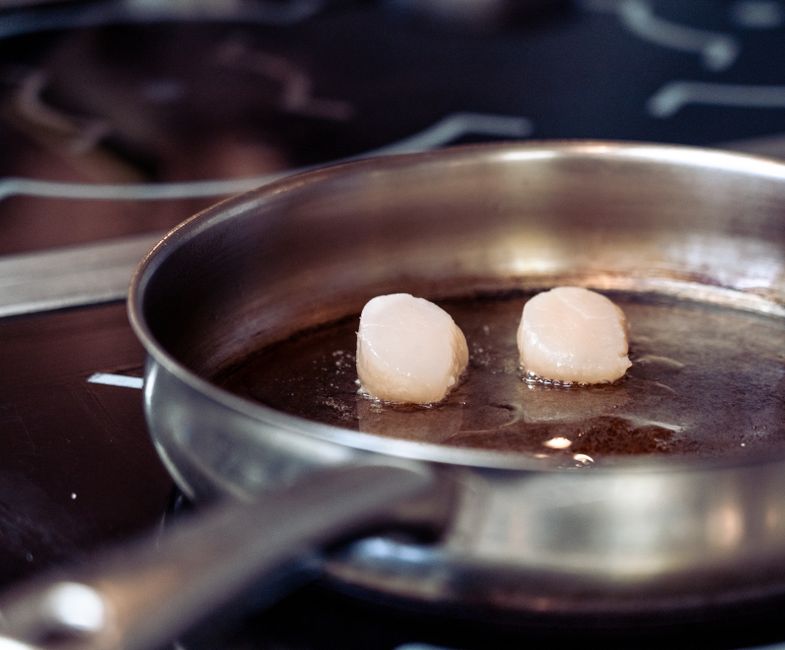
The culinary applications of scallops are as varied as they are delicious. Their inherent sweetness and tender texture make them a sought-after ingredient in a wide array of dishes, from simple appetizers to elegant main courses. Pan-searing is arguably the most iconic cooking method for scallops, particularly sea scallops. The key to a perfect sear lies in achieving a high enough temperature to create a golden-brown crust without overcooking the interior. This involves patting the scallops thoroughly dry, seasoning them simply with salt and pepper, and searing them in a hot pan with a bit of oil or butter for a short duration on each side. The goal is to achieve a beautiful Maillard reaction on the surface while retaining a translucent, almost raw, center. This technique highlights the natural sweetness and delicate texture of the scallop.
Beyond pan-searing, scallops lend themselves to numerous other preparations. They can be lightly poached in butter, white wine, or broth, resulting in an incredibly tender and subtly flavored morsel. Baking is another option, often done in conjunction with other ingredients such as breadcrumbs, herbs, or a creamy sauce. Scallops can also be incorporated into pasta dishes, risottos, and seafood stews, adding a touch of luxury and sweetness. For a more refined presentation, scallops can be thinly sliced and served raw as crudo or carpaccio, allowing their pure flavor to shine. This preparation requires the freshest, sushi-grade scallops.
When considering flavor pairings, the mild sweetness of scallops acts as a versatile canvas. Classic combinations often involve ingredients that offer a touch of acidity to cut through the richness, or a contrasting savory element. Lemon and butter are timeless partners, providing a bright, zesty counterpoint. Bacon, with its smoky, salty profile, offers a delightful contrast and is a popular addition, especially when paired with pan-seared scallops. Garlic, shallots, and white wine form a foundational flavor base for many scallop dishes, creating a fragrant and savory sauce. Fresh herbs such as parsley, chives, and dill add freshness and visual appeal. For those seeking bolder flavors, ingredients like chorizo, capers, or a hint of chili can complement the sweetness of scallops without overpowering them.
The nutritional profile of scallops is also noteworthy. They are an excellent source of lean protein, essential for muscle repair and growth. Scallops are also a good source of B vitamins, particularly vitamin B12, which is vital for nerve function and the formation of red blood cells. They contain minerals such as selenium, a powerful antioxidant that helps protect cells from damage, and zinc, important for immune function and wound healing. Furthermore, scallops are relatively low in calories and fat, making them a healthy and satisfying choice for a balanced diet. Their nutritional density, coupled with their culinary appeal, solidifies their position as a valuable foodstuff.
Economically and ecologically, the scallop industry is a significant one. However, like many seafood industries, it faces challenges related to sustainability. Responsible harvesting practices are crucial to ensure the long-term viability of scallop populations. Regulations are in place in many regions to manage fishing quotas, protect spawning grounds, and minimize environmental impact. Consumers can play a role by choosing scallops from sustainable sources, often identified by certifications or information provided by reputable seafood vendors. Understanding the origin of your scallops and supporting fisheries committed to best practices is an important consideration for conscious consumers.
The lifecycle and anatomy of a scallop are fascinating. These bivalves are filter feeders, drawing water through their siphons and extracting plankton and other organic matter for sustenance. Their shells serve as protection, and the adductor muscle, the part we commonly eat, is a powerful muscle that allows them to open and close their shells. Scallops have a simple nervous system, with eyespots located around the edge of their mantle that can detect changes in light and movement, helping them to sense predators. Their reproductive cycle involves the release of sperm and eggs into the water, leading to the fertilization and development of larvae. The distinct texture of the adductor muscle is due to its high concentration of specialized muscle fibers designed for rapid contraction.
In conclusion, scallops represent a superior culinary ingredient with a rich flavor, delicate texture, and nutritional benefits. Whether you are drawn to the concentrated sweetness of bay scallops or the substantial, meaty bite of sea scallops, understanding their distinctions, proper selection, and effective cooking methods will elevate your dining experience. From the simple elegance of a perfectly seared sea scallop to the intricate flavors of a scallop risotto, these marine gems offer a world of gastronomic possibilities, making them a timeless favorite in kitchens around the globe. Their adaptability ensures they can be enjoyed in a multitude of preparations, catering to diverse palates and culinary aspirations.