Asian Beef And Vegetable Stir Fry

Asian Beef and Vegetable Stir Fry: A Culinary Cornerstone of Flavor and Nutrition
Asian beef and vegetable stir fry stands as a testament to the power of simple, high-quality ingredients transformed through a dynamic cooking technique. This dish, ubiquitous across East Asian cuisines, is celebrated for its vibrant colors, complex textures, and deeply satisfying umami-rich flavor profile. Its inherent versatility allows for endless customization, making it a go-to meal for busy weeknights and a canvas for culinary exploration. The fundamental principle of stir-frying – rapidly cooking small, uniform pieces of food in a very hot wok or pan with a small amount of oil – ensures that vegetables retain their crisp-tender texture and vibrant hue, while the beef develops a tender, caramelized exterior. This method not only preserves nutrients but also creates an irresistible textural contrast that is a hallmark of Asian cooking. Beyond its gustatory appeal, stir-fry is a nutritional powerhouse. It offers lean protein from the beef, a plethora of vitamins, minerals, and fiber from a diverse array of vegetables, and can be made healthier by controlling the amount of oil and sodium used. Understanding the core components and techniques of this classic dish unlocks a world of delicious and wholesome possibilities.
The Foundation: Selecting and Preparing the Beef
The choice of beef is paramount to a successful stir fry. Thinly sliced, tender cuts are essential for achieving the desired texture and allowing for rapid cooking. Flank steak, sirloin steak, ribeye, or even tenderloin are excellent choices. The key is to select a cut with good marbling, which contributes to tenderness and flavor. Preparation begins with partially freezing the beef for about 30-45 minutes. This firming allows for precise, paper-thin slicing against the grain. Slicing against the grain shortens the muscle fibers, resulting in more tender bites. Once sliced, the beef should be marinated. A typical Asian marinade for beef stir fry includes soy sauce (for salinity and umami), Shaoxing wine (a Chinese cooking wine that adds depth and aroma), cornstarch (to tenderize the beef and create a silky coating that helps it brown and prevents it from drying out), and often a touch of sesame oil for nutty flavor and white pepper for a subtle heat. Some recipes also incorporate a bit of sugar to balance the savory notes and aid in caramelization. Marinating for at least 15-30 minutes, or up to several hours in the refrigerator, allows the flavors to penetrate the meat. Before cooking, it is crucial to drain any excess marinade.
The Supporting Cast: Mastering the Vegetable Selection and Preparation
The beauty of beef and vegetable stir fry lies in its adaptability to seasonal produce. The goal is to incorporate a variety of colors, textures, and flavors for both visual appeal and nutritional balance. Common and highly effective choices include:
- Broccoli: Florets offer a satisfying crunch and a wealth of vitamins C and K.
- Bell Peppers: Sliced thinly, these add vibrant color (red, yellow, green) and a touch of sweetness, along with vitamin C.
- Carrots: Julienne or thinly sliced, carrots contribute sweetness, a satisfying crunch, and beta-carotene.
- Snow Peas or Snap Peas: Their delicate sweetness and crisp texture are a classic stir-fry element.
- Mushrooms: Shiitake, cremini, or button mushrooms add an earthy depth and umami.
- Onions: Sliced yellow or red onions provide aromatic depth and a mild sweetness.
- Bok Choy or Napa Cabbage: These leafy greens wilt down beautifully, adding subtle sweetness and nutrients.
- Water Chestnuts: Sliced canned water chestnuts provide a unique, refreshing crunch.
- Bamboo Shoots: Offer a distinct texture and subtle flavor.
The principle of uniform cutting is critical for vegetables as well. All vegetables should be cut into similar-sized pieces to ensure they cook evenly. Harder vegetables like carrots and broccoli should be cut slightly smaller or blanched briefly before stir-frying to achieve a tender-crisp consistency alongside softer ingredients. Leafy greens should be roughly chopped. Preparation involves washing and drying all vegetables thoroughly, as excess moisture can steam the ingredients rather than allowing them to sear.
The Choreography of Cooking: Stir-Frying Techniques
The heat is the engine of stir-frying. A well-seasoned wok or a large, heavy-bottomed skillet is essential. High heat is required to achieve the characteristic "wok hei" – the smoky, charred aroma that elevates stir-fried dishes.
- Heating the Wok: Place the wok or skillet over high heat until it begins to lightly smoke.
- Adding Oil: Add a high smoke-point oil, such as peanut oil, canola oil, or vegetable oil. Swirl the oil to coat the sides of the wok.
- Searing the Beef: Add the marinated beef in a single layer, working in batches if necessary to avoid overcrowding the pan. Overcrowding will steam the beef instead of searing it, leading to a less desirable texture. Sear the beef until browned on all sides, about 1-2 minutes per side. Remove the beef from the wok and set aside.
- Stir-Frying Aromatics: Add a little more oil if needed. Add aromatics like minced garlic and grated ginger to the hot wok and stir-fry for about 30 seconds until fragrant. Be careful not to burn them.
- Cooking the Vegetables: Add the firmer vegetables first (e.g., carrots, broccoli) and stir-fry for a minute or two. Then add the softer vegetables (e.g., bell peppers, snow peas) and continue to stir-fry until they are crisp-tender, usually another 2-3 minutes. This rapid cooking process preserves their nutrients and vibrant colors.
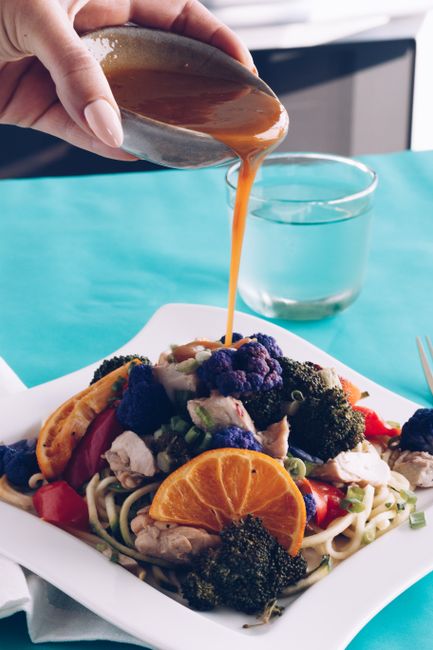
- Returning the Beef and Adding Sauce: Return the seared beef to the wok. Pour in the stir-fry sauce. The sauce typically consists of soy sauce, oyster sauce (for depth and umami), Shaoxing wine, a touch of sugar or honey, and often a thickening agent like cornstarch mixed with water or broth. Stir everything together quickly until the sauce thickens and coats the ingredients evenly.
- Finishing Touches: A drizzle of toasted sesame oil at the very end adds a final layer of aroma and flavor. Some may also add a sprinkle of toasted sesame seeds or sliced scallions for garnish.
The Harmonious Blend: Crafting the Stir-Fry Sauce
The sauce is the unifying element of the stir fry, bringing together the distinct flavors of the beef and vegetables. A well-balanced sauce is crucial. Common components include:
- Soy Sauce: The fundamental savory base, providing salinity and umami. Low-sodium soy sauce can be used to control sodium intake.
- Oyster Sauce: Adds a rich, complex, savory, and slightly sweet flavor profile, along with a glossy finish.
- Shaoxing Wine: Imparts a distinct aroma and depth, crucial for authentic Asian flavor. Mirin can be substituted if Shaoxing wine is unavailable, though the flavor will be slightly different.
- Sesame Oil: Toasted sesame oil adds a rich, nutty aroma and flavor. It’s best added at the end of cooking as its flavor can diminish with high heat.
- Sugar or Honey: Balances the savory and salty elements, and aids in caramelization.
- Cornstarch Slurry: A mixture of cornstarch and water (or broth) is used to thicken the sauce, creating a glossy coating that clings to the ingredients. The ratio is typically 1 tablespoon of cornstarch to 2 tablespoons of liquid.
Other additions to customize the sauce might include:
- Rice Vinegar: For a touch of acidity.
- Chili Garlic Sauce or Sriracha: For heat.
- Hoisin Sauce: For a sweet and savory depth.
- Fish Sauce: For an extra layer of umami (use sparingly).
The sauce should be mixed together in a bowl before being added to the wok. This ensures even distribution and prevents lumps of cornstarch.
Serving and Enjoyment
Asian beef and vegetable stir fry is traditionally served hot over steamed rice, such as jasmine or basmati rice. The rice acts as a neutral canvas, absorbing the delicious sauce and complementing the textures and flavors of the stir fry. For a complete meal, it can also be served with noodles. Garnishes like fresh cilantro, sliced green onions, toasted sesame seeds, or a drizzle of chili oil can elevate the presentation and add extra layers of flavor. The beauty of this dish lies in its immediate consumption; stir-fries are best enjoyed right after cooking when the vegetables are still crisp and the flavors are at their peak.
Nutritional Benefits and Health Considerations
This dish offers significant nutritional advantages. Lean beef provides high-quality protein essential for muscle repair and growth. The diverse array of vegetables contributes a wide spectrum of vitamins (A, C, K, B vitamins), minerals (potassium, magnesium, iron), and dietary fiber, which aids digestion and promotes satiety. The cooking method itself, rapid high-heat cooking, helps preserve these delicate nutrients.
To enhance the health profile:
- Control Oil Usage: Use just enough oil to prevent sticking. Consider using non-stick cookware.
- Opt for Lean Beef Cuts: Trim visible fat from the beef.
- Moderate Sodium: Use low-sodium soy sauce and be mindful of the salt content in other sauce ingredients like oyster sauce.
- Increase Vegetable Ratio: Don’t shy away from packing in extra vegetables.
- Whole Grains: Serve with brown rice or quinoa instead of white rice for added fiber and nutrients.
Common Variations and Flavor Profiles
The adaptability of Asian beef and vegetable stir fry means it can be tailored to numerous regional variations and personal preferences:
- Thai-Inspired: Incorporate fish sauce, lime juice, and Thai chilies for a vibrant, spicy, and tangy profile. Add ingredients like lemongrass and kaffir lime leaves for distinct aromatics.
- Korean-Inspired: Utilize gochujang (Korean chili paste) and sesame oil liberally. Marinate the beef in a mixture of soy sauce, garlic, ginger, pear juice (for tenderizing and sweetness), and gochujang. Serve with kimchi.
- Chinese-Inspired (Cantonese): Focus on lighter flavors with soy sauce, Shaoxing wine, and a touch of sugar. Use traditional Chinese vegetables and perhaps a sauce thickened with a bit of cornstarch and stock.
- Spicy Variations: Amp up the heat with ingredients like dried red chilies, Sriracha, chili flakes, or fresh jalapeños.
- Noodle Stir-Fries: Incorporate cooked noodles directly into the stir-fry towards the end of the cooking process, allowing them to absorb the sauce.
Conclusion
Asian beef and vegetable stir fry is more than just a recipe; it is a culinary philosophy that emphasizes freshness, speed, and flavor. Its ease of preparation, combined with its inherent health benefits and immense versatility, solidifies its place as a beloved and indispensable dish in kitchens worldwide. From the careful selection of beef and vibrant vegetables to the precise choreography of high-heat cooking and the harmonious balance of a well-crafted sauce, each element contributes to a dish that is both deeply satisfying and remarkably wholesome. Mastering this foundational technique opens the door to a universe of delicious and nutritious meals, adaptable to any palate and any occasion.