
Fluffy Maple Buttermilk Pancakes

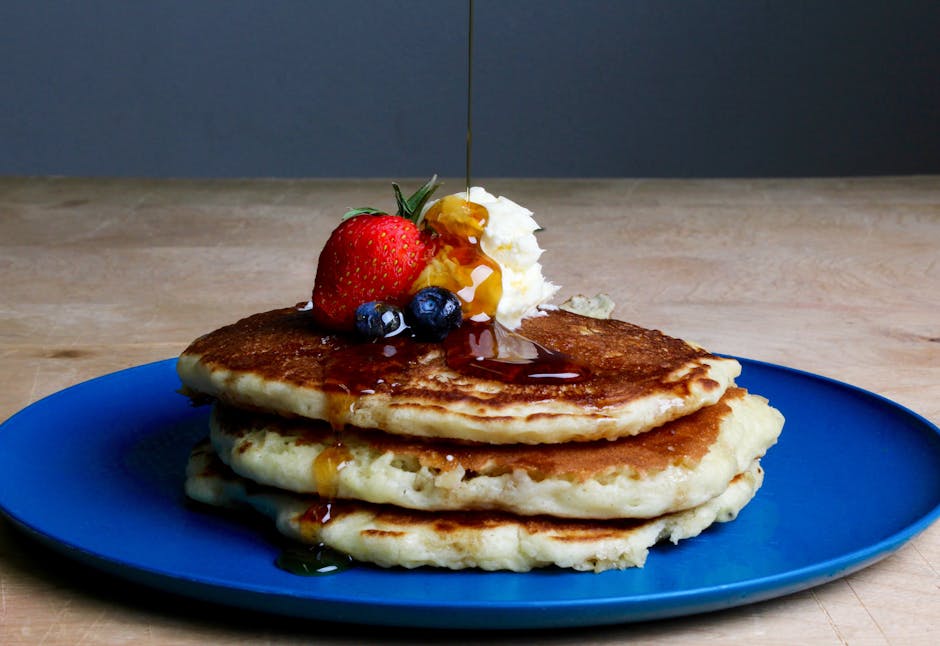
Fluffy Maple Buttermilk Pancakes: The Ultimate Guide to Perfect Breakfast Stacks
The quest for the perfect pancake is a culinary pilgrimage for many. It’s a pursuit of that ideal balance: a cloud-like interior, a golden-brown exterior, and a flavor profile that sings of comfort and indulgence. Among the pantheon of pancake variations, the fluffy maple buttermilk pancake reigns supreme. This isn’t merely a breakfast; it’s an experience. The tang of buttermilk, the subtle sweetness of maple, and the airy lightness that defies gravity combine to create a breakfast masterpiece that is both simple to execute and profoundly satisfying. This comprehensive guide will delve into every facet of creating these delectable discs, from understanding the science behind their fluffiness to mastering the art of their preparation, ensuring you can consistently produce pancakes that will elevate your morning routine.
The magic of buttermilk in pancake batter is undeniable. Its inherent acidity reacts with baking soda, a leavening agent, to produce carbon dioxide gas. This gas, trapped within the gluten network of the flour, expands during cooking, creating the signature airy, fluffy texture. The lactic acid in buttermilk also contributes a subtle yet distinct tang, which beautifully complements the sweetness of maple syrup and other toppings. For the most effective leavening, it’s crucial to use fresh buttermilk. If you don’t have buttermilk on hand, a simple homemade substitute can be created by mixing one tablespoon of white vinegar or lemon juice with one cup of milk and letting it sit for five to ten minutes until it curdles. This mimics the acidity of buttermilk and will yield similar leavening results. The temperature of your ingredients also plays a role. Room temperature eggs and buttermilk integrate more easily into the batter, leading to a smoother consistency and ultimately, a more tender pancake. Cold ingredients can lead to overmixing, a common pitfall that results in tough pancakes.
The flour is the structural backbone of your pancake. All-purpose flour is the standard choice, providing a good balance of gluten development and tenderness. For an even lighter pancake, some bakers opt for a combination of all-purpose flour and cake flour. Cake flour, with its lower protein content, develops less gluten, resulting in a more delicate crumb. The amount of flour dictates the batter’s consistency. Too much flour will result in dense, heavy pancakes, while too little will lead to a batter that spreads too thinly on the griddle, producing thin, crepe-like pancakes. The ideal batter should be thick but pourable, with a consistency similar to that of thick cream or melted ice cream. It should coat the back of a spoon without immediately sliding off. The key to achieving this perfect consistency lies in precise measurement. Spooning flour into your measuring cup and leveling it off with a straight edge is far more accurate than scooping directly from the bag, which can compact the flour and lead to an incorrect measurement.
Leavening agents are the architects of fluffiness. Baking soda and baking powder are typically used in tandem to ensure maximum rise and a tender crumb. Baking soda requires an acidic ingredient, like buttermilk, to activate, producing carbon dioxide. Baking powder, on the other hand, contains both an acid and a base, reacting when exposed to moisture and heat. The ratio of these leavening agents is critical. Too much can lead to an overwhelming chemical taste and a pancake that rises too quickly and then collapses. Too little will result in flat, dense pancakes. For every cup of flour, a common starting point is 1 teaspoon of baking powder and 1/4 teaspoon of baking soda. Always ensure your leavening agents are fresh. Baking soda and baking powder lose their potency over time, so check expiration dates. A simple test for baking powder is to add a teaspoon to hot water; it should fizz vigorously. For baking soda, add a teaspoon to a splash of vinegar; it should also bubble actively.
Eggs bind the ingredients together, add richness, and contribute to the overall structure and lift of the pancake. The yolks provide fat and emulsifiers, contributing to tenderness and a richer flavor, while the whites, when whipped, can add significant volume. For the fluffiest pancakes, some recipes advocate for separating the eggs, whipping the whites to stiff peaks, and then gently folding them into the batter at the very end. This technique, while adding an extra step, can result in an exceptionally light and airy pancake. However, for a consistently fluffy yet straightforward pancake, simply incorporating whole eggs into the batter will suffice. Ensure your eggs are at room temperature for easier incorporation.
The role of fat, typically melted butter or oil, is multifaceted. It contributes to tenderness by coating the flour particles and inhibiting excessive gluten development. It also adds a subtle richness and helps to create a desirable golden-brown crust during cooking. Unsalted butter is preferred as it allows for greater control over the salt content of the finished pancake. Melted butter, when added to the batter, should be slightly cooled to prevent it from cooking the eggs prematurely. For a richer flavor, browned butter can be used, imparting a nutty depth that complements the maple notes beautifully.
Sweeteners, beyond the implied sweetness of maple syrup, are typically minimal in a classic buttermilk pancake. A tablespoon or two of granulated sugar or brown sugar can enhance the flavor and aid in browning. Brown sugar, with its molasses content, adds a deeper, more caramel-like sweetness and contributes to a more desirable crust. However, excessive sugar can lead to pancakes that burn quickly on the outside before the inside is cooked through. The focus here is on a delicate sweetness that allows the buttermilk and maple flavors to shine.
Salt, though often overlooked in sweet recipes, is crucial for balancing flavors. A pinch of salt, typically 1/4 to 1/2 teaspoon per cup of flour, enhances the sweetness and brings out the inherent flavors of the other ingredients. Without salt, the pancakes can taste bland and one-dimensional.
The art of mixing pancake batter is as crucial as the ingredients themselves. Overmixing is the enemy of fluffy pancakes. It develops too much gluten, leading to tough, rubbery results. The goal is to combine the wet and dry ingredients just until they are incorporated, with a few lumps remaining. These lumps are perfectly acceptable and actually desirable, as they indicate that the gluten has not been overdeveloped. The batter should be mixed by hand, using a whisk or a spatula, with gentle, deliberate strokes. Resist the urge to beat the batter into submission; a few streaks of flour are a sign of a well-mixed, tender pancake batter. After mixing, it’s beneficial to let the batter rest for 5-10 minutes. This rest period allows the flour to fully hydrate, the gluten to relax, and the leavening agents to begin their work, resulting in a lighter, more tender pancake.
The griddle, whether a cast-iron skillet, a non-stick pan, or an electric griddle, is where the transformation occurs. Medium heat is the ideal temperature for cooking pancakes. Too high a heat will burn the outside before the inside is cooked, while too low a heat will result in pale, anemic pancakes that lack crispness. A good indicator of proper heat is when a drop of water sizzles and evaporates quickly upon contact with the griddle. Before cooking, lightly grease the griddle with butter or oil. Some chefs prefer to grease the griddle only between batches to prevent excess grease from making the pancakes greasy.
Portioning the batter is key to uniform cooking. Use a ladle or a 1/4 cup measuring cup to pour uniform rounds of batter onto the hot griddle. Leave adequate space between pancakes to allow for easy flipping and prevent them from merging together.
The visual cues for flipping are paramount. Patience is a virtue when waiting for the perfect moment to flip. Look for a steady stream of bubbles forming on the surface of the pancake and popping. The edges of the pancake should also begin to look set and slightly dry. When these signs are present, gently slide a spatula underneath the pancake and flip it decisively. The second side will cook more quickly, typically taking 1-2 minutes to achieve a golden-brown finish. Avoid pressing down on the pancakes with the spatula, as this will deflate them and diminish their fluffiness.
The maple element in these pancakes can be incorporated in several ways, each contributing a distinct flavor profile. Pure maple syrup, of course, is the quintessential accompaniment. However, for a deeper maple integration, maple extract can be added to the batter. A teaspoon or two of good quality maple extract can impart a more pronounced maple flavor throughout the pancake itself. Alternatively, some recipes call for a small amount of maple sugar or maple syrup to be whisked into the dry ingredients, further infusing the pancake with its signature sweetness. The choice of maple syrup also matters. Grade A Amber or Grade A Dark syrup offer a robust maple flavor that pairs beautifully with the tang of buttermilk. Avoid imitation syrups, which lack the complex flavor of true maple.
Serving these fluffy maple buttermilk pancakes is an event in itself. A generous pat of butter melting into the warm crevices is a classic. Drizzles of warm pure maple syrup are non-negotiable. For those seeking additional texture and flavor, a sprinkle of toasted pecans or walnuts adds a delightful crunch. Fresh berries, such as blueberries or raspberries, provide a burst of freshness and a contrasting tartness. A dollop of whipped cream or a spoonful of vanilla ice cream can elevate these pancakes to dessert status. The key is to serve them immediately while they are at their peak of warmth and fluffiness.
Troubleshooting is an inevitable part of any culinary endeavor. If your pancakes are dense, consider checking the freshness of your leavening agents, ensuring you haven’t overmixed the batter, or that you’ve used the correct flour-to-liquid ratio. If they are pale and unevenly cooked, adjust your griddle temperature. If they are sticking, your griddle may not be hot enough or sufficiently greased. If they are burning on the outside but raw inside, the griddle is too hot, or your pancake thickness is too great for the heat.
Ultimately, the pursuit of the perfect fluffy maple buttermilk pancake is a journey of understanding the interplay of ingredients and techniques. By paying attention to the nuances of buttermilk’s acidity, the science of leavening, the importance of gentle mixing, and the precise art of griddle cooking, you can consistently achieve breakfast bliss. These pancakes are more than just a meal; they are a comforting, familiar, and profoundly delicious way to start the day, a testament to the enduring appeal of simple, well-executed comfort food. Mastering this recipe unlocks a world of breakfast possibilities, a foundation upon which countless delicious morning memories can be built, one fluffy, golden disc at a time.


