
Cauliflower Rice And Beans Fajita Bowls

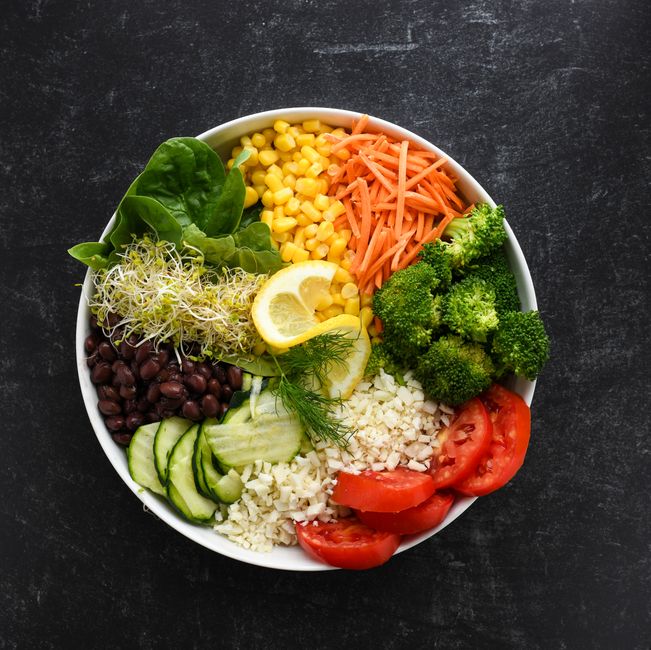
Cauliflower Rice and Black Bean Fajita Bowls: A Flavorful & Healthy Meal Prep Champion
Cauliflower rice and black bean fajita bowls represent a culinary triumph, masterfully blending the vibrant, zesty flavors of Tex-Mex cuisine with the nutritional powerhouses of cauliflower and legumes. This dish transcends mere sustenance; it’s a testament to how healthy eating can be exceptionally satisfying and deeply flavorful. At its core, this bowl is a celebration of textures and tastes, featuring tender-crisp fajita-style vegetables, fluffy, absorbent cauliflower rice, and hearty, protein-rich black beans, all brought together by a symphony of spices. This makes it an ideal candidate for both weeknight dinners and strategic meal prepping, offering a complete and balanced meal that is naturally gluten-free, often dairy-free, and packed with fiber and essential nutrients. The versatility of the cauliflower rice and black bean fajita bowl is one of its most compelling attributes. It serves as a fantastic canvas for a myriad of toppings, allowing for endless customization to suit individual palates and dietary needs. Whether you’re a seasoned home cook looking for a quick and healthy weeknight option or a beginner seeking an approachable yet impressive recipe, this guide will equip you with the knowledge to create this delicious and nutritious dish. We will delve into the fundamental components, explore ingredient substitutions and additions, and provide actionable tips for maximizing flavor and optimizing meal prep strategies. The journey to crafting the perfect cauliflower rice and black bean fajita bowl begins with understanding the role each element plays in the overall success of the dish.
The Foundation: Cauliflower Rice
Cauliflower rice, the star of the "rice" component, is a game-changer for those seeking to reduce carbohydrate intake or simply incorporate more vegetables into their diet. It mimics the texture and appearance of traditional rice while offering a significantly lower calorie and carbohydrate count and a wealth of vitamins and minerals, including Vitamin C, Vitamin K, and folate. Preparing cauliflower rice is remarkably straightforward. The most common method involves breaking down cauliflower florets into a rice-like consistency using a food processor. Pulse the florets until they resemble coarse grains of rice. Over-processing will result in a mushy texture, so caution is advised. Alternatively, a box grater can be used for a similar effect, though it is more labor-intensive. Once prepared, cauliflower rice can be cooked in a variety of ways, each imparting a slightly different character. Sautéing in a hot pan with a touch of oil until tender-crisp is a popular choice, as it develops a slightly nutty flavor and prevents it from becoming watery. Steaming is another option, though it can sometimes lead to a softer texture. Baking is also a viable method, often resulting in a drier, more distinct "grain" texture. For fajita bowls, sautéing is generally preferred for its ability to absorb the flavors of the surrounding ingredients and achieve a pleasing bite. The neutral flavor of cauliflower rice also makes it an excellent vehicle for absorbing the vibrant spices that define fajitas, ensuring that every spoonful is infused with zesty goodness. The ability to absorb marinades and sauces is a key functional benefit of cauliflower rice, making it an integral part of the flavor profile in this dish.
The Hearty Core: Black Beans
Black beans are the protein and fiber backbone of this fajita bowl, providing a satisfying chew and a substantial nutritional boost. These small, dark legumes are a nutritional powerhouse, offering a significant amount of plant-based protein, dietary fiber, iron, magnesium, and antioxidants. Their earthy flavor and slightly creamy texture complement the crispness of the vegetables and the tenderness of the cauliflower rice beautifully. For this recipe, canned black beans are a convenient and readily available option. It’s important to rinse canned beans thoroughly under cold water to remove excess sodium and any starchy residue. If using dried black beans, they will require soaking overnight and then simmering until tender, a process that is more time-consuming but can offer a superior texture and flavor. The preparation of black beans for fajita bowls typically involves a simple sauté with some of the fajita seasoning to allow them to absorb those signature flavors. This integration ensures that the beans are not just an afterthought but a fully contributing element to the overall taste experience. The fiber content in black beans is particularly beneficial, contributing to satiety and promoting digestive health, making these bowls a truly filling and nourishing meal. Their versatility extends to their ability to be mashed slightly to create a creamier texture or kept whole for a more distinct bite.
The Vibrant Ensemble: Fajita Vegetables
The soul of any fajita dish lies in its expertly seasoned and perfectly cooked vegetables. For these bowls, a classic combination of bell peppers and onions is paramount. Slicing these vegetables into uniform strips, or "fajita-style," ensures even cooking and a pleasing visual presentation. Red, yellow, and green bell peppers are ideal, offering a spectrum of sweetness and a beautiful visual appeal. The sweetness of the red and yellow peppers contrasts wonderfully with the slight bitterness of the green peppers. Yellow onions, with their inherent sweetness when caramelized, are the go-to choice for fajita-style cooking. The key to achieving the signature fajita flavor in the vegetables is the seasoning blend. A robust mix of chili powder, cumin, paprika, garlic powder, onion powder, and a pinch of cayenne pepper creates that unmistakable smoky, savory, and slightly spicy profile. This blend should be applied generously to the vegetables before cooking, allowing the spices to adhere and bloom in the hot pan. The cooking method for the fajita vegetables is crucial. High-heat sautéing or stir-frying is preferred to achieve a tender-crisp texture. This means cooking them until they are softened but still retain a slight bite, avoiding the mushiness that can occur with overcooking. A well-seasoned cast-iron skillet or a large sauté pan is ideal for this purpose, allowing for good heat distribution and caramelization of the vegetables. The caramelization process, where natural sugars in the vegetables are brought to the surface and browned, adds a depth of flavor that is essential to the fajita experience.
The Spice Symphony: Crafting the Fajita Seasoning
The distinct taste of fajitas is predominantly derived from its expertly crafted spice blend. For cauliflower rice and black bean fajita bowls, this seasoning is a non-negotiable element that elevates simple ingredients into a flavor explosion. A classic homemade fajita seasoning typically includes: chili powder (for smoky heat), cumin (for earthy depth), smoked paprika (for a deeper smoky flavor and color), garlic powder (for pungent aroma), onion powder (for savory notes), dried oregano (for herbal complexity), and cayenne pepper (for adjustable heat). A pinch of salt and black pepper is also essential for enhancing all the other flavors. The beauty of making your own fajita seasoning is the ability to control the spice level and customize the flavor profile to your personal preferences. For a milder version, reduce or omit the cayenne pepper and chili powder. For a spicier kick, increase the cayenne or incorporate a hotter chili powder. The proportions of these spices can be adjusted to emphasize certain notes. For example, a higher ratio of cumin will lend a more intensely earthy flavor. It’s advisable to make a larger batch of this seasoning blend and store it in an airtight container in a cool, dry place. This pre-made blend can then be used not only for these fajita bowls but also for marinating meats, seasoning roasted vegetables, or adding a flavor boost to dips and sauces. When preparing the vegetables and beans, tossing them thoroughly with this seasoning is paramount. The goal is for each component to be coated evenly, ensuring that every bite delivers a consistent and vibrant flavor experience. The way the spices toast and bloom in the hot pan during the cooking process unlocks their full aromatic potential, transforming the dish from ordinary to extraordinary.
Assembly and Toppings: The Finishing Touches
The assembly of a cauliflower rice and black bean fajita bowl is a delightful process, akin to building your own culinary masterpiece. The base of the bowl is the prepared cauliflower rice, which acts as a neutral, absorbent foundation for the more intensely flavored toppings. Next, a generous portion of the seasoned black beans is layered onto the cauliflower rice. The star of the show, the sautéed fajita vegetables, are then artfully arranged over the beans and cauliflower rice. This creates a visually appealing and texturally diverse foundation for the finishing touches. The real magic happens with the toppings, where personalization and flavor enhancement take center stage. Classic fajita toppings include: salsa (a fresh pico de gallo or a roasted salsa verde offers bright acidity and a burst of flavor), guacamole or avocado slices (for creamy richness and healthy fats), fresh cilantro (for herbaceous brightness), lime wedges (for a final squeeze of zesty citrus), and shredded lettuce or chopped romaine (for a cool, crisp counterpoint). For those who include dairy, a dollop of sour cream or Greek yogurt, and shredded cheese (like cheddar or Monterey Jack) are popular additions. Vegan alternatives for creamy toppings include cashew cream or a dairy-free sour cream substitute. The key is to offer a variety of textures and flavors that complement the core components of the bowl. The interplay of the warm, spiced elements with the cool, fresh toppings creates a dynamic and satisfying culinary experience. Each topping adds another layer of complexity, from the acidity of the lime to the creaminess of the avocado, culminating in a truly harmonious and deeply satisfying meal. The visual appeal of a well-assembled fajita bowl, with its vibrant colors and diverse textures, is as much a part of the dining experience as the taste itself.
Meal Prep Mastery: Strategies for Success
Cauliflower rice and black bean fajita bowls are a meal prep champion for good reason. Their inherent structure and component-based nature lend themselves perfectly to preparation in advance, saving valuable time during busy weeks. The key to successful meal prepping lies in proper storage and reheating. The cauliflower rice can be cooked and cooled completely before being portioned into meal prep containers. It’s crucial to ensure it’s not overly wet, as this can lead to a mushy texture upon reheating. The black beans, once seasoned and cooked, can also be stored separately or mixed with the cauliflower rice. The fajita vegetables are best cooked just before serving for optimal crispness, but they can be pre-chopped and seasoned to expedite the cooking process. Alternatively, they can be sautéed ahead of time and reheated gently to avoid overcooking. For the most satisfying reheated meal, it’s often recommended to store the cauliflower rice and beans together, and then gently reheat them in a skillet or microwave. The vegetables can be quickly sautéed again just before serving to regain their tender-crisp texture. Toppings like salsa, guacamole, and avocado are best added fresh to avoid them becoming watery or brown. However, pre-portioned salsa can be stored in small containers. Lime wedges can be cut and stored in an airtight container. If including dairy like cheese or sour cream, these should also be added just before serving. The freezer is also an option for longer-term storage. Cooked cauliflower rice, seasoned beans, and even pre-cooked fajita vegetables (though they may lose some texture) can be frozen in individual portions. Thaw overnight in the refrigerator and then reheat as usual. This strategic approach to meal prep ensures that a delicious, healthy, and flavor-packed meal is always within reach, eliminating the temptation for less healthy convenience foods.
Nutritional Benefits and Dietary Considerations
The cauliflower rice and black bean fajita bowl is a nutritional powerhouse, offering a wide array of health benefits and catering to various dietary needs. Primarily, it’s an excellent source of dietary fiber, which is crucial for digestive health, promoting satiety, and helping to regulate blood sugar levels. The abundance of fiber from both the cauliflower rice and black beans contributes to a feeling of fullness, making this a highly satisfying meal that can aid in weight management. Protein is another significant component, primarily from the black beans, which are a complete plant-based protein source when combined with other plant foods. This protein is vital for muscle repair, immune function, and overall bodily processes. The dish is inherently rich in vitamins and minerals. Cauliflower provides Vitamin C (an antioxidant that supports the immune system), Vitamin K (essential for blood clotting and bone health), and folate (important for cell growth and development). Black beans contribute iron (crucial for oxygen transport), magnesium (involved in numerous biochemical reactions), potassium (important for blood pressure regulation), and various B vitamins. The vibrant bell peppers are packed with Vitamin C and various antioxidants like beta-carotene, which the body converts to Vitamin A.
This dish is naturally gluten-free, making it suitable for individuals with celiac disease or gluten sensitivity. It can also be easily adapted to be dairy-free by omitting cheese, sour cream, or yogurt, and utilizing dairy-free alternatives or vegan toppings like avocado and cashew cream. For those following a vegan or vegetarian diet, this bowl is an excellent choice, providing substantial protein and nutrients from plant-based sources. The versatility of the seasoning blend also allows for sodium control; by using low-sodium canned beans and controlling the amount of added salt in the seasoning, individuals can manage their sodium intake. For those looking for a lower-carbohydrate option, this bowl significantly reduces carbohydrate intake compared to traditional rice-based meals, making it a smart choice for individuals managing diabetes or following a low-carb lifestyle. The healthy fats, particularly from avocado or guacamole, provide monounsaturated fats which are beneficial for heart health. The anti-inflammatory properties of many of the ingredients, such as the antioxidants in peppers and cumin, contribute to overall well-being. Ultimately, the cauliflower rice and black bean fajita bowl offers a nutrient-dense, customizable, and delicious meal that supports a variety of health goals and dietary preferences. Its inherent health benefits, combined with its flavor profile, solidify its status as a culinary and nutritional triumph.
Beyond the Basics: Ingredient Variations and Additions
While the classic cauliflower rice and black bean fajita bowl is undeniably delicious, the beauty of this dish lies in its adaptability and the potential for creative additions. The fajita vegetable component can be expanded beyond the traditional bell peppers and onions. Sliced zucchini and yellow squash offer additional texture and subtle sweetness. Portobello mushrooms, sliced and sautéed, provide a rich, umami depth. Corn, either fresh off the cob or frozen, adds bursts of sweetness and a different textural element. For those seeking a more robust flavor, consider adding sliced jalapeños or serrano peppers to the vegetable sauté for an extra kick of heat.
Protein variations are also abundant. While black beans are a staple, other legumes like pinto beans or kidney beans can be used interchangeably or in combination. For non-vegan options, grilled chicken breast or steak, seasoned with the fajita spice blend, makes for a classic fajita addition. Shrimp, quickly sautéed with the vegetables, offers a lighter, more delicate protein. Tofu, pressed and pan-fried or baked until firm and then tossed with the fajita seasoning, is an excellent vegan protein alternative.
The "rice" component itself can also be varied. While cauliflower rice is the focus, a blend of cauliflower rice and quinoa can offer a more complete protein profile and a slightly different textural experience. For a lower-carb alternative that’s not cauliflower, riced broccoli can be used, though it will impart a more distinct broccoli flavor.
Herbs and aromatics play a crucial role in elevating the flavor. Beyond the spice blend, consider adding minced fresh garlic and ginger to the sautéing vegetables for an extra layer of aromatic complexity. Fresh lime juice is essential, but a splash of orange juice can also add a subtle sweetness and tang. For a smoky depth, a touch of liquid smoke can be incorporated into the bean seasoning.
The toppings, as previously mentioned, offer a vast playground for customization. Consider adding pickled red onions for a tangy crunch, roasted corn for sweetness and char, or a sprinkle of toasted pepitas (pumpkin seeds) for a nutty, satisfying crunch. A drizzle of sriracha or your favorite hot sauce can be added for those who crave an extra level of heat. Each variation and addition allows you to tailor the cauliflower rice and black bean fajita bowl to your exact preferences, ensuring that this versatile dish remains a culinary adventure. The exploration of these variations underscores the fundamental appeal of the dish: its ability to be both a dependable staple and an exciting canvas for culinary creativity.


