Salmon Crudo: A Culinary Masterpiece Born from Simplicity and Italian Flair

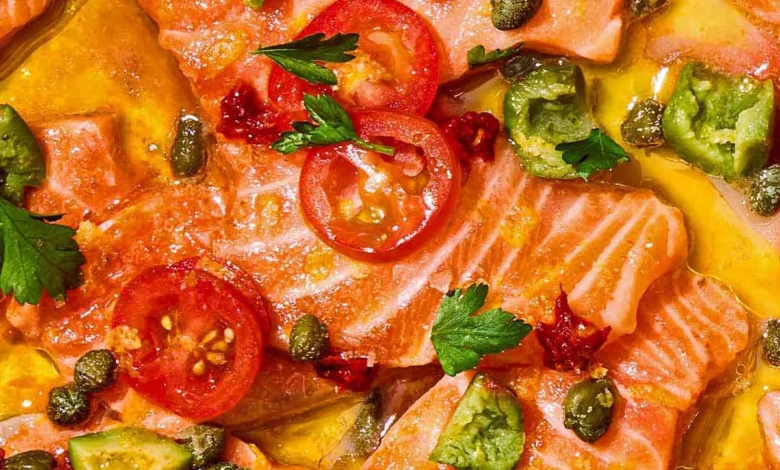
The world of fine dining often conjures images of elaborate preparations and exotic ingredients. However, some of the most exquisite culinary experiences are born from the simplest of concepts, focusing on the inherent quality of the ingredients themselves. Salmon crudo, a dish that elegantly pairs delicate raw salmon with the vibrant, tangy notes of a classic pasta puttanesca, is a prime example of this philosophy. This seemingly effortless appetizer, requiring no cooking and minimal equipment, offers a restaurant-quality experience achievable in any home kitchen.
The art of crudo, meaning "raw" in Italian, transcends mere preparation; it is a celebration of pristine ingredients presented in their most natural state. While traditionally applied to fish, the term can encompass raw beef, fruits, and vegetables, all serving as a canvas to showcase their inherent deliciousness. For this particular rendition, the inspiration draws from the robust and zesty profile of a puttanesca sauce, a beloved Italian pasta dish renowned for its bold flavors of olives, capers, and a subtle hint of spice.
A New Perspective on an Italian Classic
The genesis of this salmon crudo recipe can be traced back to the formative years of chef Sara May, a seasoned culinary professional with a deep understanding of both savory and pastry kitchens, honed through her time in Philadelphia’s vibrant restaurant scene and her education at the Natural Gourmet Institute in New York City. May’s approach to cooking is characterized by a focus on whole foods, accessible ingredients, and a playful, yet precise, execution.
"I was first introduced to crudo as a young line cook, and I’ve been chasing it ever since," May recounts, reminiscing about the reverent way her former chef would handle a razor-sharp fillet knife, meticulously demonstrating the art of cleanly sectioning fish into perfect, bite-sized pieces. This early exposure instilled in her a profound appreciation for the technique and the potential of raw preparations.
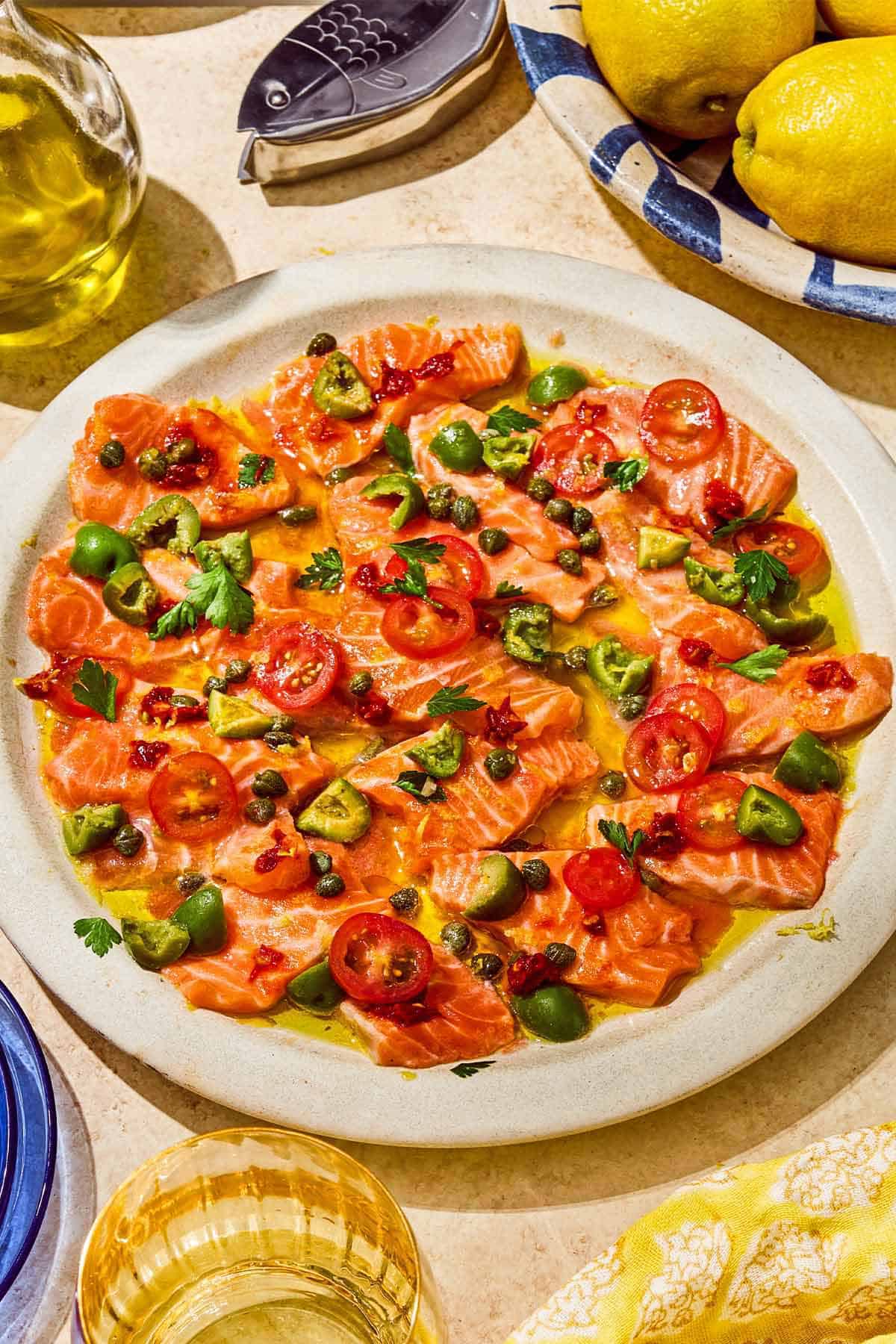
In this innovative salmon crudo, May ingeniously substitutes the anchovies, a traditional component of puttanesca, with the rich, unctuous flavor of fresh salmon. To further amplify the umami notes of the fish and echo the depth of the puttanesca sauce, she incorporates grated tomato into the dressing, a clever addition that enhances the natural savory qualities of the salmon.
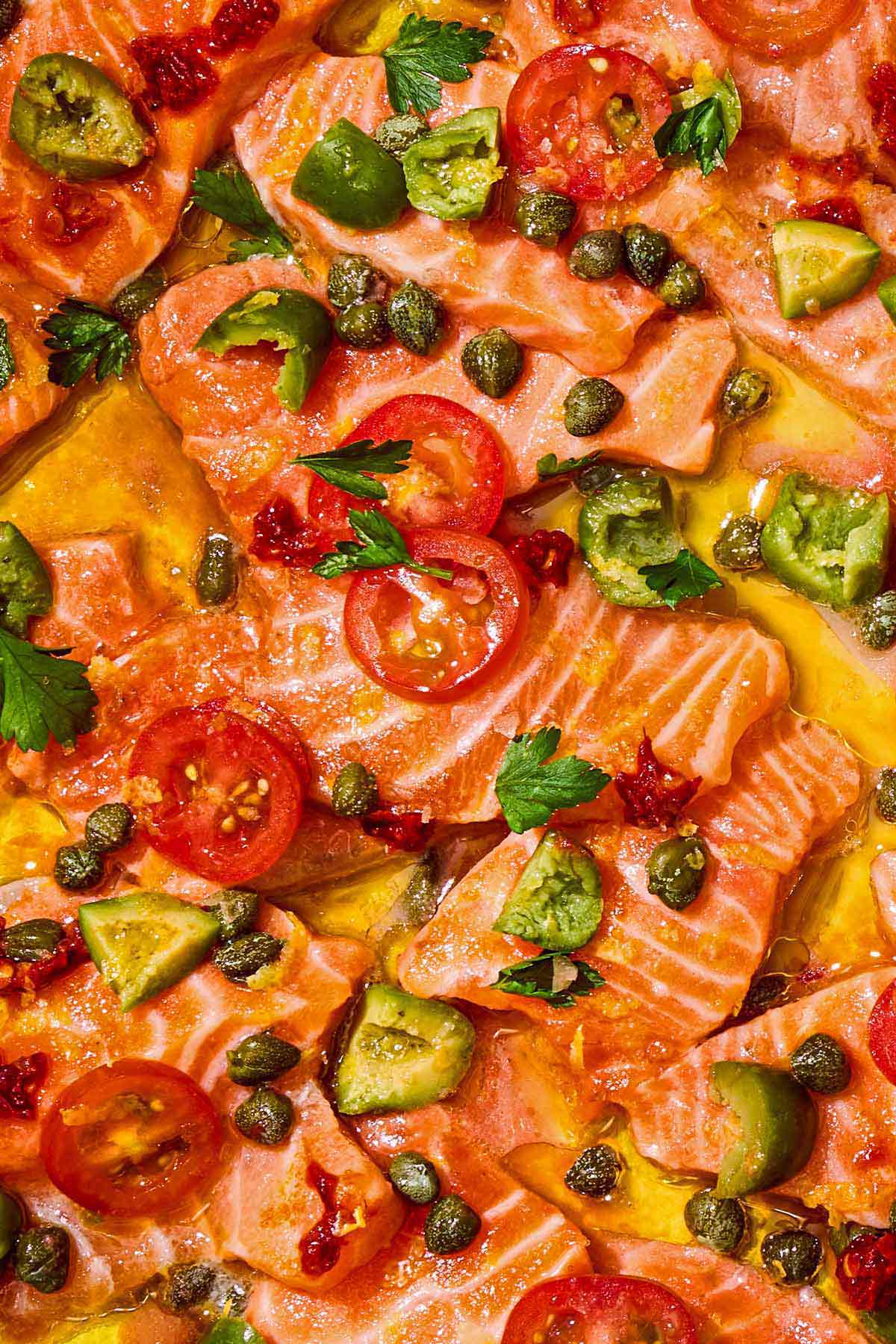
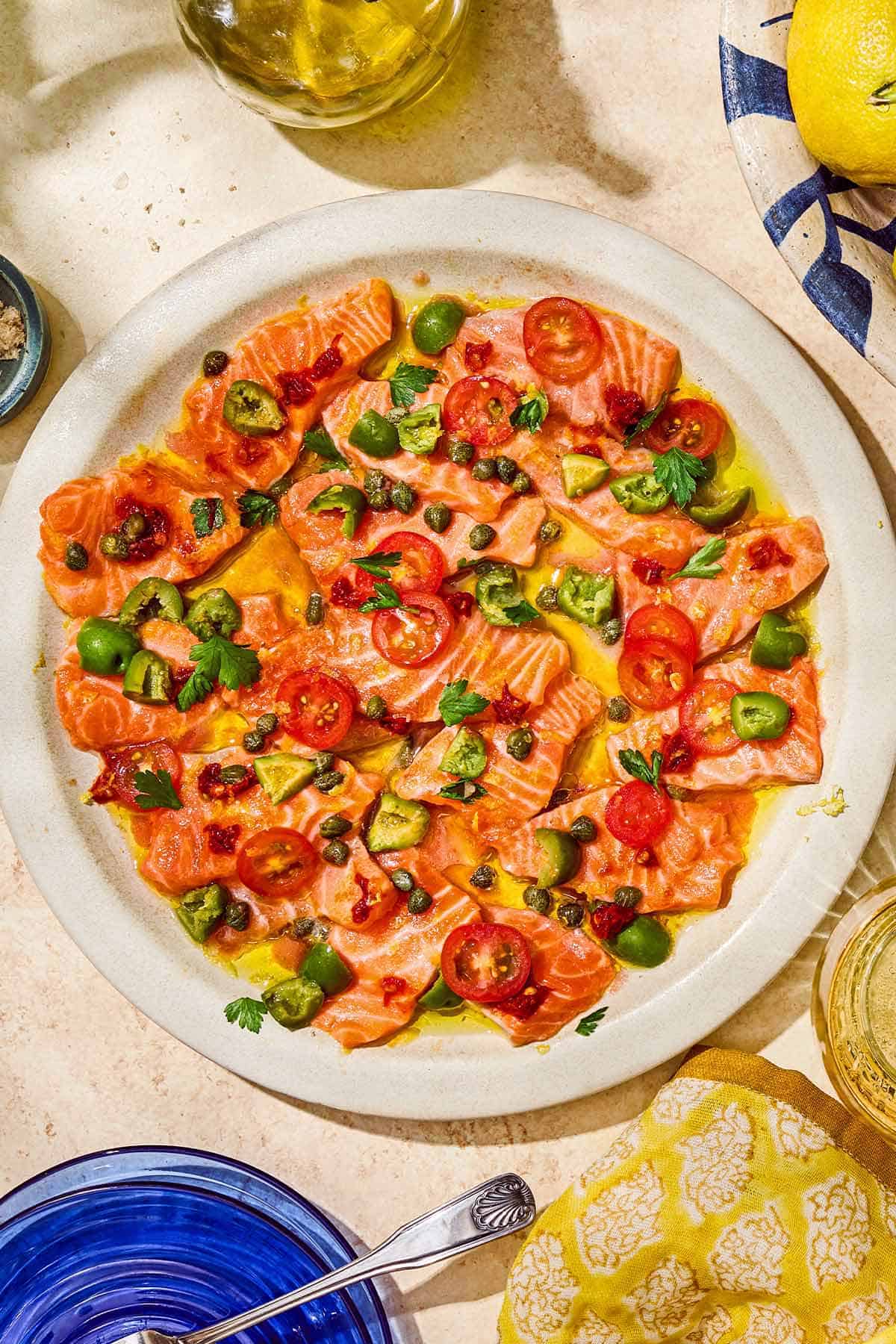
The garnishes are carefully chosen to provide bright counterpoints and textural intrigue. Fresh parsley offers a burst of herbaceous freshness, while lemon zest lends a vibrant citrusy aroma. A nod to the sophisticated crudo preparations she encountered in professional kitchens, May finishes the dish with flaky sea salt, which enhances the salmon’s natural salinity, and whisper-thin slices of tomato, adding a delicate sweetness and visual appeal. The philosophy behind crudo is to dress it lightly just before serving, ensuring the raw fish remains the undisputed star of the culinary show.
The Foundation of Excellence: Sourcing and Preparation
The success of any crudo hinges on the quality of its primary ingredient: the fish. For this recipe, sourcing sushi-grade salmon is paramount. This designation signifies that the fish has been handled and processed with the utmost care to ensure its safety for raw consumption. A crucial step in the process is engaging with your fishmonger. Open communication about your intended use of the salmon – specifically for crudo – allows them to guide you towards the freshest and most suitable cuts. If the salmon is not at its peak that day, a knowledgeable fishmonger can suggest excellent alternatives such as black bass, arctic char, scallops, or hamachi, all of which lend themselves beautifully to raw preparations.
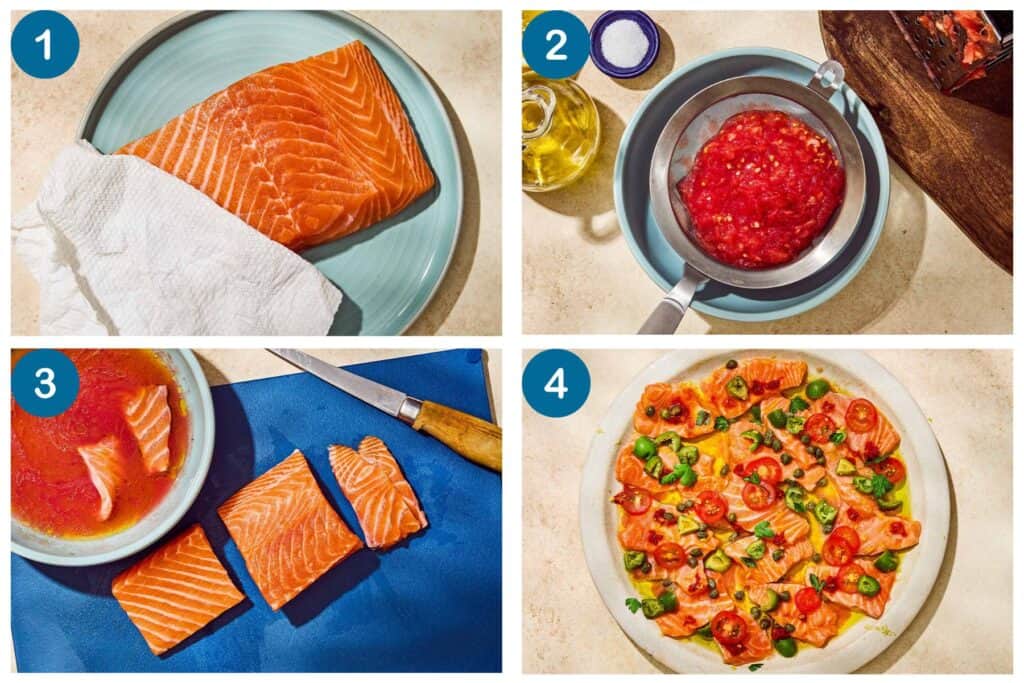
For those who prefer to streamline the process, many fishmongers are willing to skin the salmon fillets for you. However, mastering this technique can be a rewarding culinary skill. The process begins with ensuring the fish is thoroughly chilled. Placing the salmon in the freezer for a short period, typically no more than 30 minutes, makes it significantly easier to handle and slice cleanly. It is vital to avoid over-freezing, as this can compromise the texture of the fish. Simultaneously chilling serving plates adds an extra touch of refinement, ensuring each portion remains perfectly cool upon arrival at the table.
The choice of knife is equally important. A long, flexible fillet knife offers the most control for precise slicing, its thin blade allowing it to glide effortlessly through the delicate flesh. However, a well-sharpened chef’s knife can also achieve excellent results. The key takeaway is the sharpness of the blade; a dull knife will tear the fish, resulting in an unappealing texture and appearance.
Once the salmon is chilled and the skin removed, the fillet is typically halved lengthwise, following any natural seams. Slicing is then performed against the grain, aiming for slices approximately 1/4-inch thick. The goal is not paper-thin slivers, but substantial, yet delicate, pieces that showcase the fish’s texture. If the slices begin to adhere to the knife, a quick rinse under cool water can remedy the situation, allowing for continued smooth cutting.
A Symphony of Flavors: The Puttanesca Inspiration
The "Tomato-Lemon Dressing" is the heart of the flavor profile, cleverly designed to complement the raw salmon. The base of this dressing is a grated tomato, which provides a subtle sweetness and a hint of acidity. This is then balanced with fresh lemon juice, offering a bright, zesty counterpoint. Extra virgin olive oil, a cornerstone of Mediterranean cuisine, binds the flavors together and adds a luxurious richness. A pinch of red pepper flakes introduces a gentle warmth, echoing the subtle spice found in traditional puttanesca. Finally, finely chopped garlic adds a pungent depth, while a touch of sea salt and freshly ground black pepper enhance the overall taste.
The "Gremolata" offers a vibrant herbaceous element. Fresh parsley, minced finely, provides a fresh, clean flavor. This is often complemented by lemon zest, which intensifies the citrus notes and adds an aromatic complexity.
Beyond the core recipe, the beauty of crudo lies in its adaptability. The fundamental formula – raw seafood + acid + oil + something crunchy – serves as a versatile template for culinary creativity. Variations can include incorporating briny elements like chopped Kalamata olives, adding a touch of heat with finely diced jalapeño, or introducing textural contrast with toasted pine nuts or slivered almonds. The possibilities are limited only by the chef’s imagination and the availability of fresh, high-quality ingredients.
Nutritional Profile and Broader Implications
From a nutritional standpoint, salmon crudo is a powerhouse of lean protein and healthy fats. A typical serving, as indicated by the provided nutritional information, contains approximately 209.2 kcal, with a balanced macronutrient profile. The protein content, around 15.5g, is essential for muscle repair and growth. The healthy fats, primarily monounsaturated and polyunsaturated, contribute to cardiovascular health and provide sustained energy. The presence of vitamins and minerals such as Vitamin A, Vitamin C, calcium, and iron further underscores its value as a nutritious dish.
The popularity of crudo, and dishes like this salmon crudo, reflects a growing global appreciation for fresh, minimally processed foods. As consumers become more health-conscious and discerning about ingredient sourcing, raw preparations that highlight the natural quality of ingredients are gaining traction. This trend not only appeals to culinary enthusiasts but also aligns with a broader movement towards sustainable and mindful eating. The ability to create a sophisticated appetizer with minimal cooking also speaks to the modern diner’s desire for both convenience and culinary excellence.
The recipe itself, presented in a clear, step-by-step format, empowers home cooks to recreate restaurant-quality dishes. The emphasis on quality ingredients, proper technique, and balanced flavors provides a valuable lesson in fundamental culinary principles.
In conclusion, salmon crudo, inspired by the bold flavors of puttanesca, is more than just a recipe; it is an embodiment of culinary elegance derived from simplicity. It celebrates the purity of raw salmon, elevated by a vibrant dressing and thoughtful garnishes. This dish stands as a testament to the fact that with the right ingredients and a touch of culinary artistry, one can achieve remarkable flavors and textures without ever turning on a stove. It is a dish that invites exploration, encouraging chefs of all levels to experiment and make it their own, ensuring its place as a cherished appetizer for years to come.