The Technical Foundations of Three-Ingredient Braising
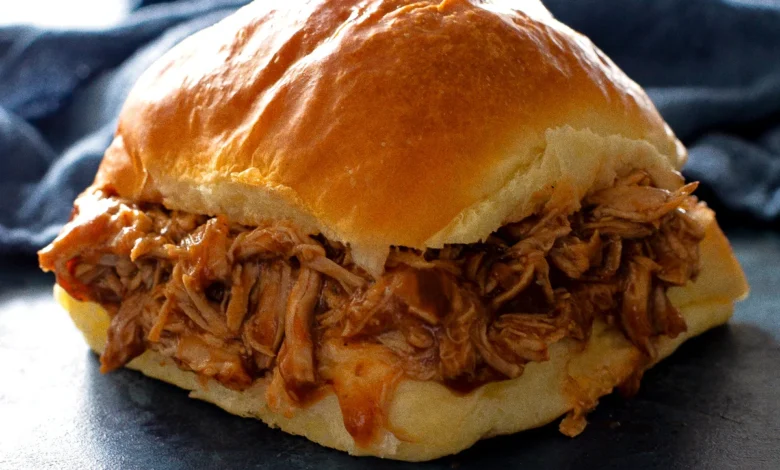
The efficacy of the Root Beer Pulled Pork Sandwich lies in its streamlined ingredient profile: a pork roast, a carbonated root beer beverage, and a prepared barbecue sauce. While traditional barbecue often demands complex dry rubs, wood-smoke profiles, and multi-stage mopping processes, this method utilizes the chemical properties of carbonated soft drinks to achieve a similar end-result in a fraction of the active labor time.
Root beer serves a dual purpose in the cooking process. First, the carbonation and specific acidity of the soda—typically hovering at a pH level between 2.5 and 4.0—act as a chemical tenderizer. The phosphoric or citric acids present in the beverage assist in the denaturing of proteins and the breakdown of collagen, the connective tissue prevalent in the pork shoulder. Second, the high sugar content of the root beer provides a flavor base that mimics the molasses and brown sugar notes found in traditional regional barbecue sauces. As the liquid reduces over a six-to-eight-hour cooking cycle, it creates a concentrated syrup that permeates the muscle fibers of the meat.
Analysis of Meat Selection: Shoulder vs. Loin
The success of the dish is heavily dependent on the selection of the pork cut. Culinary experts and food scientists generally recommend the use of the pork shoulder, often marketed as "Boston butt" or "picnic roast." This cut is anatomically situated in the upper part of the front leg and is characterized by a high ratio of intramuscular fat and connective tissue.
During the slow-cooking process, the internal temperature of the meat must reach approximately 190°F to 205°F (88°C to 96°C). At this threshold, the collagen undergoes a physical transformation into gelatin. This process is what allows the meat to be "pulled" or shredded with minimal resistance. In contrast, leaner cuts such as the pork tenderloin or center-cut loin lack the necessary fat content to withstand prolonged heat exposure. If utilized in a root beer braise, these leaner cuts require significantly reduced cooking times to prevent the fibers from becoming dry and stringy, as they lack the self-basting properties of the fat-heavy shoulder.
Chronology of the Preparation Process
The lifecycle of the Root Beer Pulled Pork Sandwich follows a specific chronological sequence designed to maximize flavor extraction and texture:
- Phase One: Preparation and Submersion. The pork roast is placed in the cooking vessel. In the slow cooker method, the meat is typically submerged in approximately 12 ounces of root beer per 2 to 3 pounds of meat. This ratio ensures sufficient liquid for steam generation and acid-based tenderization.
- Phase Two: Thermal Transformation. The vessel is sealed, and heat is applied. In a slow cooker, the "low" setting for 8 to 10 hours is preferred for maximum collagen breakdown. In an Instant Pot, the pressure-cooking function can achieve a similar result in 60 to 90 minutes, though some purists argue that the rapid transition can lead to a slightly different fiber texture.
- Phase Three: Drainage and Shredding. Once the internal temperature has stabilized at the shredding point, the residual cooking liquid—now a mixture of rendered fat, water, and soda remnants—is discarded. This step is critical to prevent the final product from becoming overly greasy or "soupy."
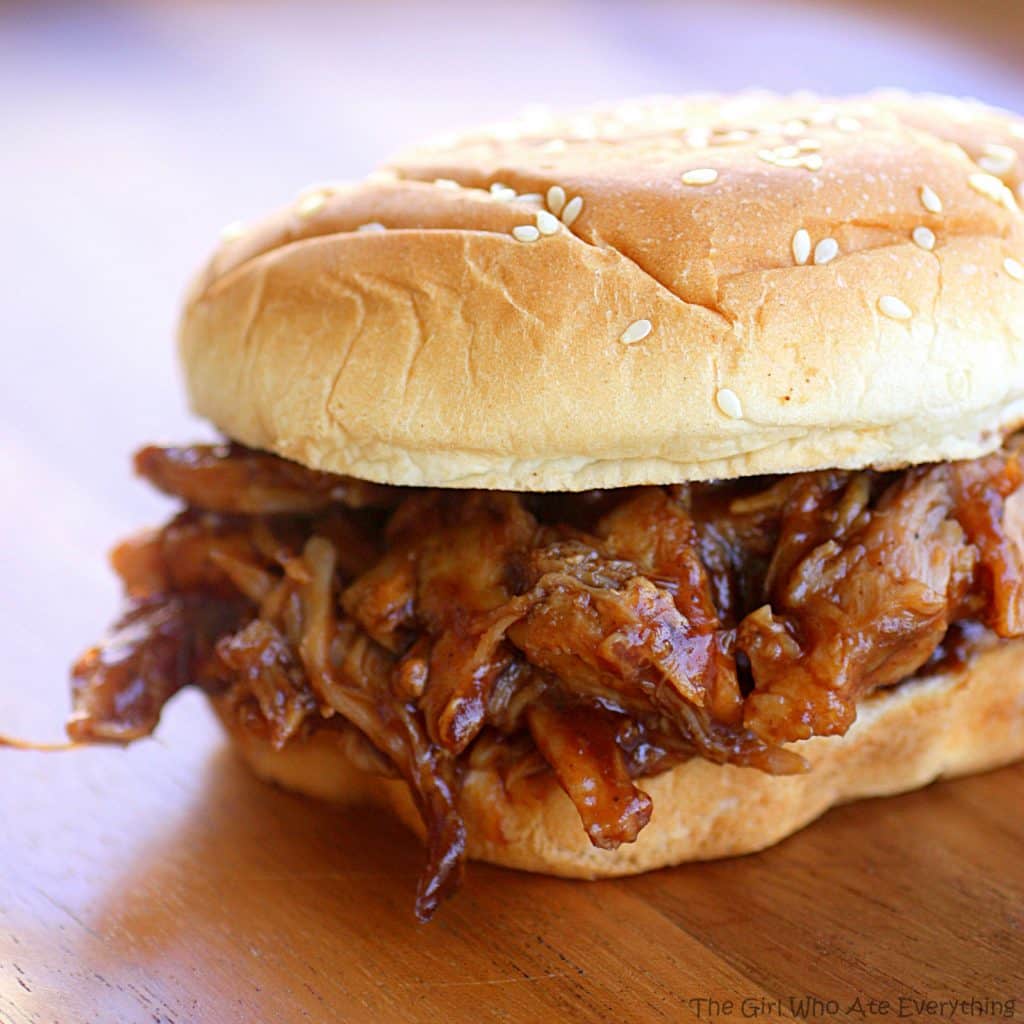
- Phase Four: Final Integration. The meat is shredded using forks or specialized "claws." A barbecue sauce of choice is then integrated. This stage allows the dry, shredded fibers to absorb the sauce, creating the final moisture profile of the sandwich filling.
Supporting Data and Economic Implications
The popularity of the Root Beer Pulled Pork Sandwich is supported by broader trends in the American grocery and appliance markets. According to data from the National Pork Board, the pork shoulder remains one of the most cost-effective proteins available to consumers, often retailing at a lower price point per pound than beef or poultry. This makes it an ideal candidate for "feeding a crowd," a primary use case for this specific recipe.
Furthermore, the rise of the "set-it-and-forget-it" culinary culture is reflected in the saturation of slow cookers in American households. Market research indicates that over 80% of U.S. households own a slow cooker, while the rapid adoption of multi-cookers like the Instant Pot has seen double-digit growth annually since 2016. The three-ingredient pork recipe aligns perfectly with the consumer demand for "minimalist" cooking, where the complexity of the flavor is outsourced to pre-processed ingredients like root beer and bottled barbecue sauce.
Culinary Science: The Role of Carbonation in Braising
While root beer is the primary liquid discussed, the methodology extends to other carbonated beverages. Dr. Pepper and Coca-Cola are frequent substitutes, each offering a slightly different flavor profile due to varying spice notes and acidity levels. The chemical reaction remains consistent: the sugars provide a "maillard-like" depth of flavor in the absence of actual searing, while the carbonation assists in the mechanical breakdown of the meat’s surface area.
Culinary historians note that the use of soda in meat preparation likely originated in the mid-20th century, coinciding with the mass marketing of carbonated beverages and the invention of the Naxon Beanery (the precursor to the Crock-Pot) in 1940. This period saw a shift toward "industrial-adjacent" home cooking, where branded consumer goods were integrated directly into traditional recipes to save time.
Safety Standards and Best Practices
From a food safety perspective, the preparation of slow-cooked pork must adhere to USDA guidelines. The "danger zone" for bacterial growth is between 40°F and 140°F. When utilizing a slow cooker for a large pork shoulder, it is imperative that the equipment reaches a safe cooking temperature quickly. Professional chefs recommend that the pork be at least partially thawed if frozen, as cooking a completely frozen roast in a slow cooker can keep the meat in the danger zone for an unsafe duration.
Additionally, the post-cooking phase requires careful handling. Once the pork is shredded and sauced, it must be kept at an internal temperature of at least 140°F if being served over a period of hours, such as at a party or social gathering. Leftovers must be cooled rapidly and refrigerated to maintain integrity.
Broader Impact on Modern Meal Planning
The Root Beer Pulled Pork Sandwich represents more than just a meal; it is a solution to the "time-poverty" experienced by modern families. By reducing the ingredient list to three items, the cognitive load of grocery shopping and meal prep is significantly lowered. This "shortcut" cooking does not necessarily indicate a decline in culinary interest, but rather a pivot toward strategic resource management.
The dish also serves as a gateway for novice cooks. The high success rate of the root beer method—due to the forgiving nature of the pork shoulder’s fat content—provides a "low-stakes" entry point into home cooking. The psychological impact of successfully "feeding a crowd" with a three-ingredient recipe can increase a home cook’s confidence, leading to further experimentation with more complex slow-cooking techniques.
In conclusion, the Root Beer Pulled Pork Sandwich is a triumph of functional cooking. It leverages basic chemical principles of acidity and sugar-based braising to deliver a consistent, high-yield product. Whether prepared in a traditional crockpot for a slow Sunday meal or in an Instant Pot for a rapid weekday dinner, the dish remains a staple of the modern American repertoire, proving that in the realm of domestic culinary arts, simplicity is often the most effective strategy for both the palate and the clock.