The Ultimate One-Bowl Vegan Brownies: A Recipe for Health-Conscious Indulgence

The pursuit of delicious, satisfying desserts that also align with dietary preferences and health consciousness has led many home bakers to explore the world of vegan baking. Among the most beloved and sought-after treats are brownies, and the quest for the perfect vegan version often culminates in a recipe that is not only plant-based but also remarkably simple and incredibly rich in flavor. This article delves into the creation and appeal of a particular one-bowl vegan brownie recipe, highlighting its ease of preparation, ingredient substitutions, and the underlying philosophy that celebrates homemade indulgence.
The Allure of the Perfect Brownie
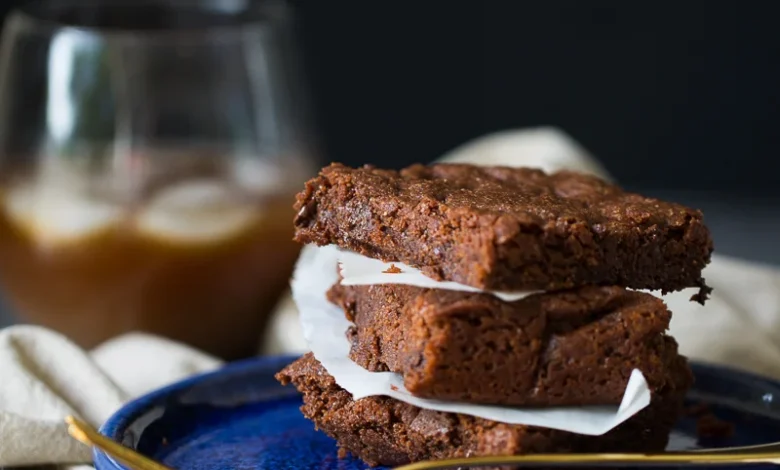
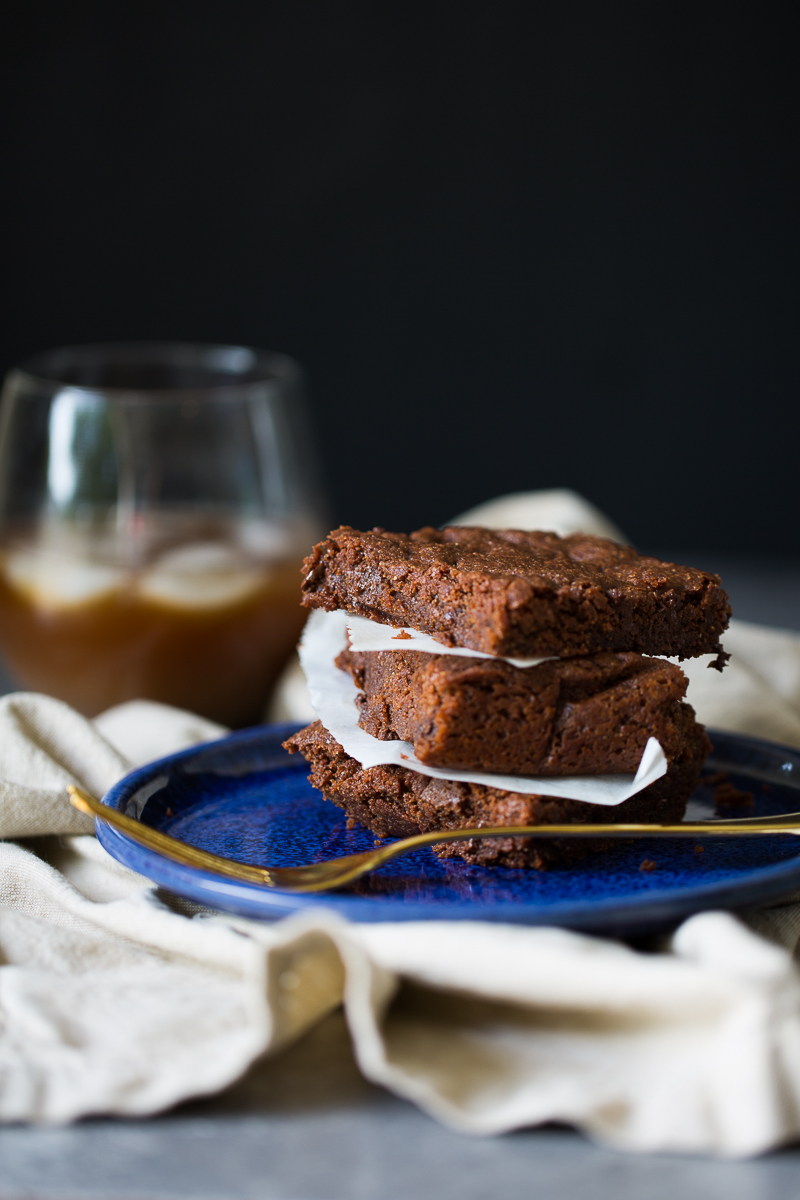
The quintessential brownie is often described by its textural dichotomy: a firm, slightly chewy exterior giving way to a dense, fudgy, and lusciously gooey center. For many, this combination is the pinnacle of chocolatey perfection. This recipe, originating from Piloncillo y Vainilla, promises to deliver precisely that experience, but with a vegan twist. The recipe’s primary draw lies in its "one-bowl" approach, a significant time and effort saver in any kitchen, and its straightforward, two-step process. This simplicity makes it an accessible option for bakers of all skill levels, from seasoned vegan enthusiasts to those just beginning their plant-based culinary journey.
Beyond the ease of preparation, the recipe champions the use of wholesome ingredients and mindful consumption. The foundational philosophy presented is that homemade treats, even those traditionally considered indulgent like chocolate cake, pies, or ice cream, are perfectly acceptable as part of a balanced diet, provided they are prepared at home. This perspective emphasizes control over ingredients, allowing individuals to omit excessive sugars, artificial additives, and undesirable chemicals often found in commercially produced baked goods. The recipe embodies this by utilizing a flax egg in place of traditional eggs and oil instead of butter, making it entirely egg-free and dairy-free. This not only caters to vegans but also to individuals with egg allergies or those seeking to reduce their intake of animal products.
Deconstructing the Recipe: Ingredients and Substitutions
The core of this exceptional brownie recipe lies in its carefully selected ingredients, designed to mimic the texture and flavor of traditional brownies while adhering to vegan principles. The author notes that while specific quantities are detailed in the accompanying recipe card, understanding the role of each component and potential substitutions is crucial for culinary adaptability.
The "Flax Egg": A Binder’s Tale
In vegan baking, eggs are typically replaced with a binder that mimics their leavening and binding properties. For this recipe, the chosen substitute is a flax egg. A flax egg is created by combining ground flaxseed with water and allowing it to sit for a few minutes until it forms a gel-like consistency. This gel effectively binds the ingredients together, contributing to the chewy texture of the brownies. Ground flaxseed, also known as flax meal, is readily available in most health food stores and well-stocked supermarkets. For those unable to use flaxseed, other common vegan egg substitutes include chia seeds (creating a similar gel), mashed banana, applesauce, or commercial egg replacers. Each substitution may subtly alter the final texture and flavor, so experimentation might be necessary to achieve the desired outcome.
The Fat Component: Oil’s Dominance
Butter, a staple in traditional brownie recipes, is replaced by oil in this vegan iteration. The choice of oil can influence the final product. While the recipe doesn’t specify a particular type of oil, common choices for baking include vegetable oil, canola oil, or melted coconut oil. Vegetable and canola oils are neutral in flavor and contribute to a moist crumb. Coconut oil, when melted, can impart a subtle coconut flavor and a slightly different texture, particularly if it solidifies during the baking process. For a richer flavor profile, some bakers might opt for melted vegan butter or even a high-quality olive oil, though the latter can impart a more pronounced flavor. The oil’s role is critical in providing moisture and richness, contributing to the brownie’s characteristic fudgy texture.
The Chocolate Foundation: Dark Chocolate’s Richness
The heart of any brownie is its chocolate content. This recipe emphasizes the use of dark chocolate, which is naturally vegan (though it’s always advisable to check ingredient labels for hidden dairy). Dark chocolate offers a more intense, less sweet chocolate flavor that balances the sweetness of the sugar. The recipe also suggests incorporating chocolate chips, and it’s crucial for those adhering to a strict vegan diet to ensure these are dairy-free. Many dark chocolate chips available on the market are indeed vegan, but a quick check of the ingredients list for milk solids, whey, or lactose is always recommended. The combination of cocoa powder and chocolate chips or chunks provides a deep, complex chocolate flavor that is essential for a truly satisfying brownie.
Sweeteners and Flour: The Supporting Cast
The recipe utilizes standard baking ingredients such as all-purpose flour and sugar. The type of sugar used can also impact the final product. While granulated sugar is common, some vegan bakers prefer to use coconut sugar or brown sugar, which can add a slightly richer, caramel-like flavor and a chewier texture. The recipe’s mention of almond butter likely contributes to the richness and moisture, adding a nutty undertone and a luxurious mouthfeel. If almond butter is unavailable or undesirable, other nut butters like cashew butter or sunflower seed butter (for a nut-free option) could be considered, each bringing its unique flavor profile.
Tips for Achieving Brownie Perfection
To elevate the homemade brownie experience, several key tips can be employed. These are not merely procedural suggestions but insights into the science and art of baking that contribute to superior results.
The Importance of Not Overmixing: Overmixing the brownie batter can lead to tough brownies. Once the wet and dry ingredients are combined, it’s best to mix only until just incorporated. A few streaks of flour remaining are often acceptable, as they will disappear during baking. Overdevelopment of gluten in the flour can result in a bread-like texture rather than the desired fudgy density.
The Baking Time Sweet Spot: Brownies are notoriously forgiving, but achieving the perfect texture hinges on precise baking time. The recipe suggests a baking time of approximately 20 minutes, but oven temperatures can vary. The ideal indicator of doneness is when the edges are set and a toothpick inserted into the center comes out with moist crumbs attached, not completely clean. Overbaking will lead to dry, cakey brownies, while underbaking may result in a batter that is too wet to set properly. Allowing the brownies to cool completely before cutting is also crucial for achieving clean slices and allowing the texture to fully develop.
Cooling for Optimal Texture: The cooling process is as important as the baking. Brownies continue to cook slightly from residual heat after being removed from the oven. Allowing them to cool in the pan on a wire rack is essential. For the chewiest texture, some bakers even recommend refrigerating the brownies for a period after they have cooled to room temperature, as this can firm up the fudgy interior.
The Philosophy of Home Baking: A Healthier Approach
The author’s sentiment that "it’s perfectly fine to eat chocolate cake… as long as you make it yourself" resonates deeply in an era increasingly focused on health and wellness. This philosophy is not about restriction but about empowerment. By taking control of the ingredients and the preparation process, individuals can make conscious choices that align with their dietary goals without sacrificing the joy of indulging in favorite treats.
This approach fosters a more mindful relationship with food. When baking at home, there’s an inherent understanding of what goes into the food. This transparency is invaluable, particularly for individuals managing allergies, dietary restrictions, or seeking to reduce their intake of processed foods. The ability to adjust sugar levels, choose healthier fats, and incorporate nutrient-dense ingredients like flaxseed and dark chocolate transforms a simple dessert into a more wholesome experience.
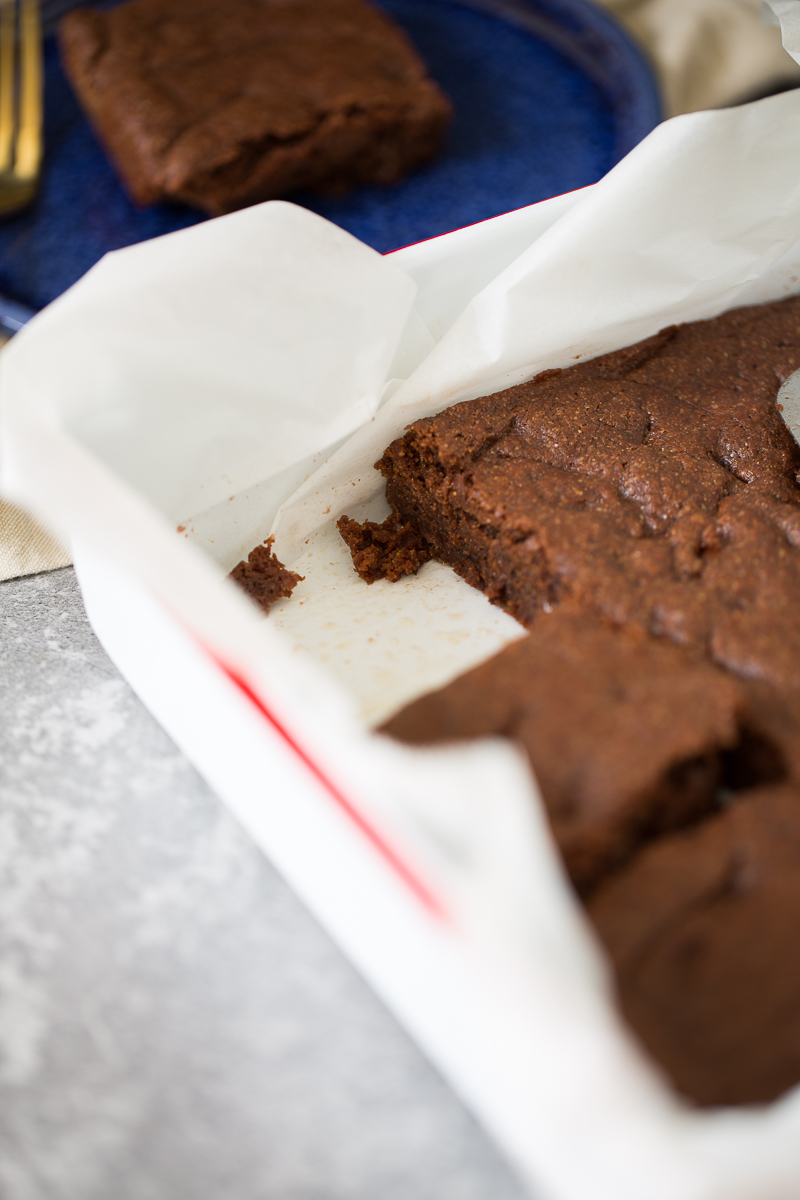
The concept extends beyond just brownies. Whether it’s a batch of cookies, a fruit pie, or a decadent cake, the act of homemade preparation offers a sense of accomplishment and a tangible connection to the food we consume. It’s a way to celebrate flavors and textures while prioritizing well-being.
Broader Implications and Trends in Vegan Baking
The popularity of recipes like these one-bowl vegan brownies reflects a broader trend towards plant-based eating and increased interest in accessible vegan baking. Data from market research firms consistently show a significant rise in the demand for vegan products across various food categories, including baked goods. This surge is driven by a combination of factors, including growing awareness of the environmental impact of animal agriculture, ethical considerations, and perceived health benefits.
The success of recipes that simplify vegan baking, such as the one-bowl method, is crucial for wider adoption. By demystifying vegan cooking and making it less intimidating, these recipes encourage more people to experiment with plant-based alternatives. The use of readily available ingredients and straightforward techniques removes common barriers to entry.
Furthermore, the emphasis on flavor and texture is critical. For many, the perceived trade-off for vegan or healthier options has historically been a compromise on taste and enjoyment. Recipes that demonstrably deliver on the classic appeal of indulgent treats like brownies are instrumental in changing these perceptions and making plant-based desserts a mainstream choice.
Storage and Enjoyment
The practicality of this recipe extends to its storage. The brownies can be stored in an airtight container at room temperature for up to three days, in the refrigerator for up to a week, or frozen for up to three months. The author notes that the brownies often become even chewier and more delicious on the second day, a testament to their well-balanced moisture content. This makes them an ideal make-ahead treat for busy households.
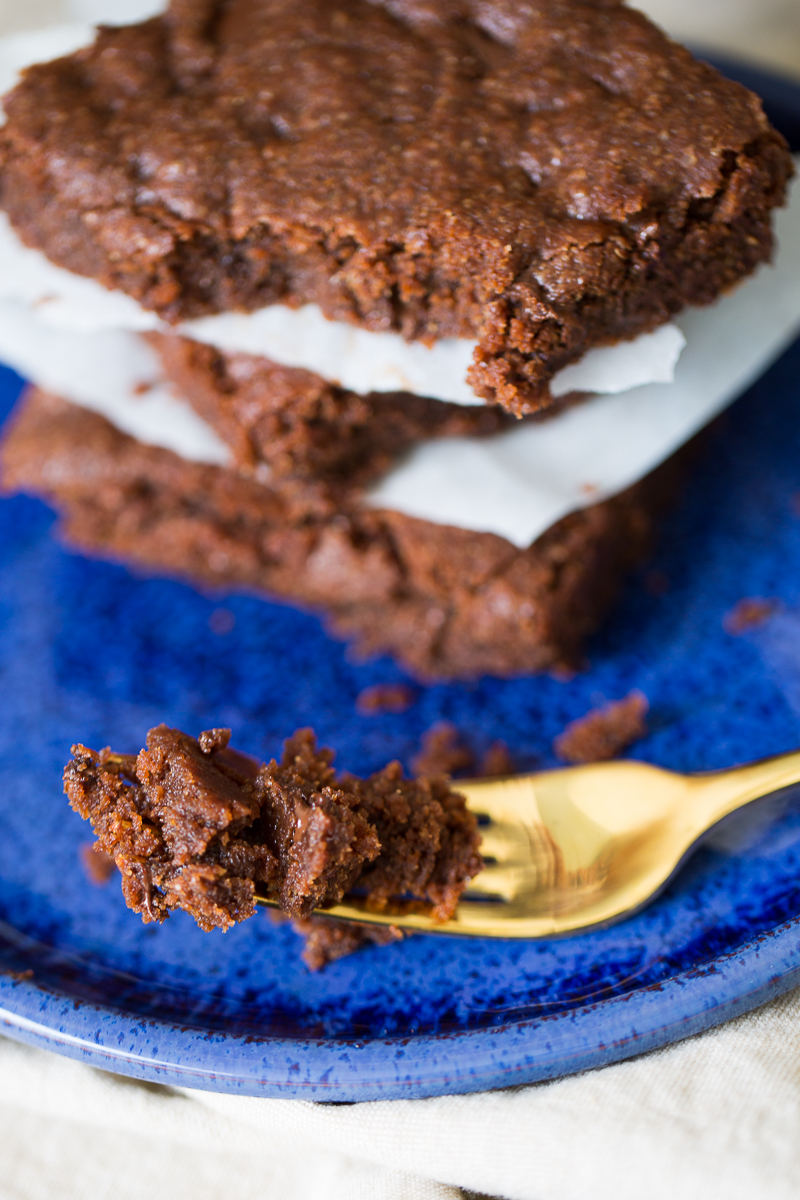
The final product, a batch of chewy, chocolatey vegan brownies, stands as a testament to the power of simple, thoughtful baking. It offers a delicious solution for those seeking to enjoy a classic indulgence without compromising their dietary preferences or health goals. The recipe, born from a philosophy of mindful eating and home preparation, proves that it is indeed possible to have your cake—or in this case, your brownie—and eat it too, in the most satisfying and health-conscious way.
Related posts: