Nasi Goreng: A Nutritious and Practical School Lunch Solution for Indonesian Children

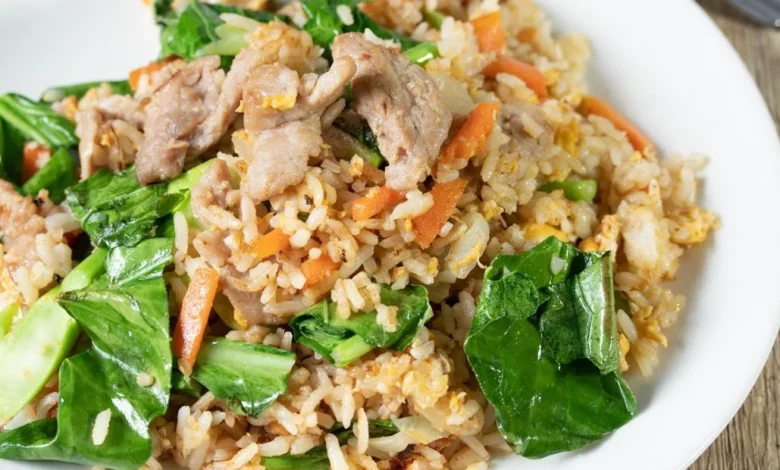
Nasi goreng, or Indonesian fried rice, is increasingly being recognized as an ideal, flavorful, and nutritionally robust option for children’s school lunches, offering a compelling blend of convenience for parents and essential nutrients for growing bodies. This beloved staple, traditionally a popular breakfast or dinner item, is now championed by culinary experts and parents alike for its versatility and ability to incorporate a balanced mix of protein, carbohydrates, and vegetables into a single, appealing dish. The ease of preparation, combined with its widespread appeal among children, positions nasi goreng as a go-to meal that addresses the challenges of providing healthy, home-cooked food in busy modern lifestyles.
The Enduring Cultural Significance of Nasi Goreng
Nasi goreng holds a revered place in Indonesian culinary heritage, often considered one of the nation’s most iconic dishes. Its origins are steeped in practicality and resourcefulness, believed to have evolved from a Chinese culinary tradition of not wasting leftover rice. Over centuries, it adapted to local tastes and available ingredients, transforming into the diverse and flavorful dish known today. From humble street food stalls to upscale restaurants, nasi goreng is ubiquitous across the Indonesian archipelago, with regional variations showcasing unique spices, proteins, and condiments. It is not merely a meal but a cultural touchstone, evoking feelings of home and comfort for many Indonesians. Its global recognition, often cited alongside other famous Asian dishes, further cements its status as a culinary ambassador for Indonesia. This deep cultural roots make it a familiar and comforting choice for children, increasing the likelihood they will consume their entire meal.
Addressing the Nutritional Needs of Growing Children
A well-balanced lunch is paramount for children’s development, directly impacting their concentration, energy levels, and overall health throughout the school day. Nutritionists consistently emphasize the importance of meals that provide sustained energy from complex carbohydrates, essential amino acids from protein, and a wide array of vitamins and minerals from fresh vegetables. The featured nasi goreng recipe, incorporating chicken and an assortment of vegetables, is an exemplary model of such a balanced meal.
- Carbohydrates for Energy: The base of cold white rice provides complex carbohydrates, which are slowly digested to release glucose, offering a steady supply of energy necessary for cognitive functions and physical activities. This sustained energy release prevents the sugar crashes often associated with highly processed snacks.
- Protein for Growth and Satiety: The inclusion of chicken and eggs serves as an excellent source of lean protein. Protein is fundamental for muscle development, tissue repair, and the production of enzymes and hormones. Furthermore, protein contributes significantly to satiety, helping children feel full and satisfied for longer, thereby reducing the likelihood of unhealthy snacking between meals.
- Vitamins, Minerals, and Fiber from Vegetables: The recipe specifically calls for mustard greens (sawi) and carrots (wortel). Mustard greens are rich in vitamins K, A, and C, as well as folate and calcium, supporting bone health, vision, and immune function. Carrots are renowned for their beta-carotene content, a precursor to Vitamin A, crucial for eye health, and also provide dietary fiber, which aids digestion and promotes gut health. The addition of these vegetables significantly boosts the micronutrient profile of the meal, contributing to a child’s holistic well-being.
- Healthy Fats: While used in moderation, the vegetable oil provides essential fatty acids necessary for hormone production and nutrient absorption. The overall composition ensures a comprehensive nutritional intake crucial for optimal growth and learning.
The Practicality and Convenience Factor for Busy Parents
Modern parenting often involves a delicate balance between work, household responsibilities, and childcare, leaving limited time for elaborate meal preparations. This is where the practicality of nasi goreng shines as a school lunch option. Educational bodies and parenting experts frequently highlight the benefits of home-cooked meals over processed alternatives or cafeteria offerings, yet acknowledge the time constraints faced by many families.
- Utilizing Leftovers: One of the most significant advantages of nasi goreng is its optimal use of leftover rice. Day-old, chilled rice is preferred for fried rice as it is drier, less sticky, and results in a better texture that prevents the dish from becoming mushy. This not only minimizes food waste but also streamlines meal preparation, as the most time-consuming component (cooking rice) is already done.
- Speed of Preparation: The actual stir-frying process is remarkably quick. Once ingredients are prepped, a delicious and wholesome nasi goreng can be cooked in under 15-20 minutes, making it feasible even on hectic mornings. This efficiency is a major draw for parents seeking healthy yet fast meal solutions.
- Versatility and Customization: The basic nasi goreng recipe is highly adaptable. Parents can easily swap out proteins (e.g., shrimp, tofu, beef) or incorporate a wider variety of vegetables based on what’s available in the refrigerator or what their child prefers. This flexibility ensures that the meal remains interesting and can cater to evolving tastes or dietary needs without requiring entirely new recipes.
- Portability: Nasi goreng is an excellent portable meal. It holds up well when packed in a lunchbox, maintaining its flavor and texture, and can be enjoyed at room temperature, which is often a consideration for school lunches without access to heating facilities.
A Detailed Look at the Recipe and Culinary Techniques
The provided recipe for "Nasi Goreng Ayam dan Sayuran" offers a straightforward yet flavorful approach, emphasizing savory notes without relying on the sweetness often found in some variations.
Ingredients Breakdown:
- 4 sdm minyak sayur (4 tbsp vegetable oil): Provides the medium for stir-frying and contributes to the overall flavor and texture. Can be substituted with other neutral oils like canola or sunflower oil.
- 3 butir bawang merah, cincang (3 shallots, minced) & 2 siung bawang putih, cincang (2 cloves garlic, minced): These aromatics form the foundational flavor base. Shallots provide a sweeter, milder onion flavor compared to regular onions, while garlic adds pungency and depth. Proper sautéing of these is crucial for developing the dish’s aroma.
- 100 g daging ayam, iris tips kasar (100 g chicken meat, roughly thinly sliced): Lean protein source. Thin slicing ensures quick and even cooking, keeping the chicken tender and juicy. Chicken breast or thigh can be used.
- 50 g wortel, iris memanjang tipis (50 g carrots, thinly julienned): Adds natural sweetness, vibrant color, and a pleasant crunch. Julienne cut helps them cook quickly and blend seamlessly.
- 2 butir telur, kocok (2 eggs, beaten): Adds richness, additional protein, and texture. Scrambled eggs are a classic component of nasi goreng.
- 400 g nasi putih dingin (400 g cold white rice): The cornerstone of the dish. As discussed, using cold, day-old rice is essential for a non-clumpy, perfectly textured fried rice.
- 5 lembar sawi, iris kasar (5 sheets mustard greens, roughly sliced) & 1 batang daun bawang, iris kasar (1 stalk scallions, roughly sliced): Provide freshness, vitamins, and a slight peppery bite from the mustard greens, along with a mild oniony flavor from the scallions. Added towards the end to retain their texture and vibrant color.
- 2 sdm saus tiram (2 tbsp oyster sauce): A key flavoring agent, providing a rich umami taste and a savory depth. For a vegetarian option, mushroom oyster sauce can be used.
- 1 sdm kaldu jamur (1 tbsp mushroom powder): A popular seasoning in Indonesian cooking, enhancing the umami and overall savory profile, acting as a natural flavor booster.
- 1/2 sdt garam (1/2 tsp salt): Basic seasoning to balance and enhance all other flavors.
Chronology and Cooking Process:
- Aromatic Foundation: The process begins by heating the oil in a large wok or frying pan. The minced shallots and garlic are then added and sautéed until fragrant and lightly golden. This step is critical for building the flavor base.
- Protein Introduction: Thinly sliced chicken is added next, stirred until it turns white and is cooked through. This ensures the chicken is tender and fully integrated.
- Vegetable Integration (Staged): Carrots are introduced and stirred until slightly tender but still retaining a pleasant crispness. They are cooked before the eggs to ensure proper texture. The partially cooked ingredients are then pushed to the side of the wok.
- Egg Scramble: The beaten eggs are poured into the empty space in the wok and quickly scrambled until just set. Once scrambled, they are mixed with the chicken and carrots, creating a cohesive base.
- Rice and Greens: The cold white rice, mustard greens, and scallions are added to the wok. At this point, the heat is increased significantly. This high heat is crucial for achieving the characteristic "wok hei" (breath of the wok), which imparts a smoky, slightly charred flavor, and ensures the rice grains are separate and lightly toasted, not steamed.
- Seasoning and Final Toss: Oyster sauce, mushroom powder, and salt are added. The mixture is then stirred vigorously and quickly to ensure all ingredients are thoroughly combined and evenly coated with the seasonings. This rapid stir-frying prevents the rice from sticking and promotes even cooking.
- Serving: Once everything is well mixed and heated through, the nasi goreng is immediately lifted from the wok and served warm. For a school lunch, it would be cooled slightly before packing.
Variations and Customization for Diverse Preferences
The beauty of nasi goreng lies in its adaptability, allowing parents to customize it to their children’s specific tastes, dietary restrictions, or simply to utilize ingredients they have on hand.
- Vegetarian/Vegan Options: For families following plant-based diets, chicken can be easily replaced with firm tofu (pressed and diced or crumbled), tempeh, or a mix of mushrooms (shiitake, oyster). Ensure to cook these plant-based proteins until well-browned for maximum flavor.
- Other Proteins: Shrimp, thinly sliced beef, meatballs, or even shredded fish can be excellent alternatives to chicken, each offering a distinct flavor profile.
- Expanded Vegetable Palette: Beyond carrots and mustard greens, consider adding finely diced bell peppers, green beans, corn kernels, peas, or cabbage. The key is to cut them small enough to cook quickly and blend well with the rice.
- Flavor Adjustments: For children who enjoy a bit of heat, a tiny amount of sambal (chili paste) can be added. A splash of sweet soy sauce (kecap manis) can introduce a different dimension of flavor, though the original recipe specifically avoids it for a purely savory profile. A sprinkle of fried shallots (bawang goreng) as a garnish adds extra crunch and aroma.
- Allergy Considerations: For gluten sensitivities, ensure to use gluten-free oyster sauce or a gluten-free soy sauce alternative. If there are egg allergies, simply omit the eggs or use an egg substitute.
Broader Implications: Food Culture, Family Well-being, and Sustainability
Beyond its immediate benefits as a school lunch, promoting home-cooked meals like nasi goreng has broader positive implications for family well-being and sustainability.
- Fostering Healthy Eating Habits: When children are exposed to home-cooked meals featuring fresh ingredients, they are more likely to develop a palate for healthy foods and understand the importance of balanced nutrition. Preparing and packing lunches also provides an opportunity for parents to involve children in the process, teaching them about food preparation and mindful eating.
- Cultural Connection: For Indonesian families, sharing nasi goreng is a way to pass down culinary traditions and connect children with their cultural heritage. For non-Indonesian families, it introduces children to diverse global cuisines, fostering an appreciation for different cultures.
- Economic and Environmental Benefits: Cooking at home is generally more cost-effective than purchasing pre-made meals or frequently eating out. Furthermore, utilizing leftover rice and fresh, locally sourced vegetables can contribute to reducing food waste and supporting local agricultural economies, aligning with broader sustainability goals.
- Family Bonding: The act of preparing and sharing meals, even if packed for school, strengthens family bonds and creates positive associations with food.
In conclusion, the simple yet profound act of preparing a nasi goreng for a child’s school lunch transcends mere sustenance. It embodies a holistic approach to nurturing children’s health, respecting cultural traditions, and embracing practical solutions for modern family life. With its balanced nutritional profile, ease of preparation, and universal appeal, nasi goreng stands as a testament to the power of traditional recipes in meeting contemporary needs, solidifying its place not just as a national dish, but as a global standard for wholesome and convenient eating.