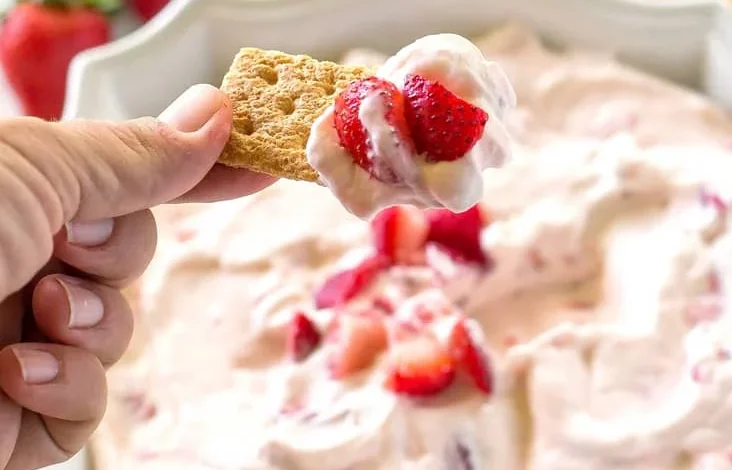
The culinary landscape of the mid-2010s saw a significant shift toward communal, "deconstructed" dining, a trend that continues to influence home entertaining and professional catering alike. At the forefront of this movement is the Strawberry Cheesecake Dip, a recipe that reimagines the traditional, labor-intensive baked cheesecake as a versatile, social appetizer. Developed by culinary influencer Christy Denney of the established food platform "The Girl Who Ate Everything," this dish represents a intersection of convenience and classic flavor profiles, specifically designed for the peak strawberry harvest of the summer season. By utilizing a blend of sweetened cream cheese, fresh whipped cream, and macerated strawberries, the recipe offers a streamlined alternative to traditional confectionery while maintaining the structural flavor integrity of its namesake dessert.
The Evolution of the Deconstructed Dessert Trend
The rise of "deconstructed" dishes in the 21st century can be traced back to high-end molecular gastronomy, where chefs sought to break down classic recipes into their core components to highlight texture and individual ingredient quality. However, as this trend moved into the domestic sphere, its purpose shifted toward efficiency and "snackability." The Strawberry Cheesecake Dip is a prime example of this transition. Rather than requiring the several hours of baking and cooling necessary for a standard New York-style cheesecake, the dip version can be assembled in under twenty minutes.
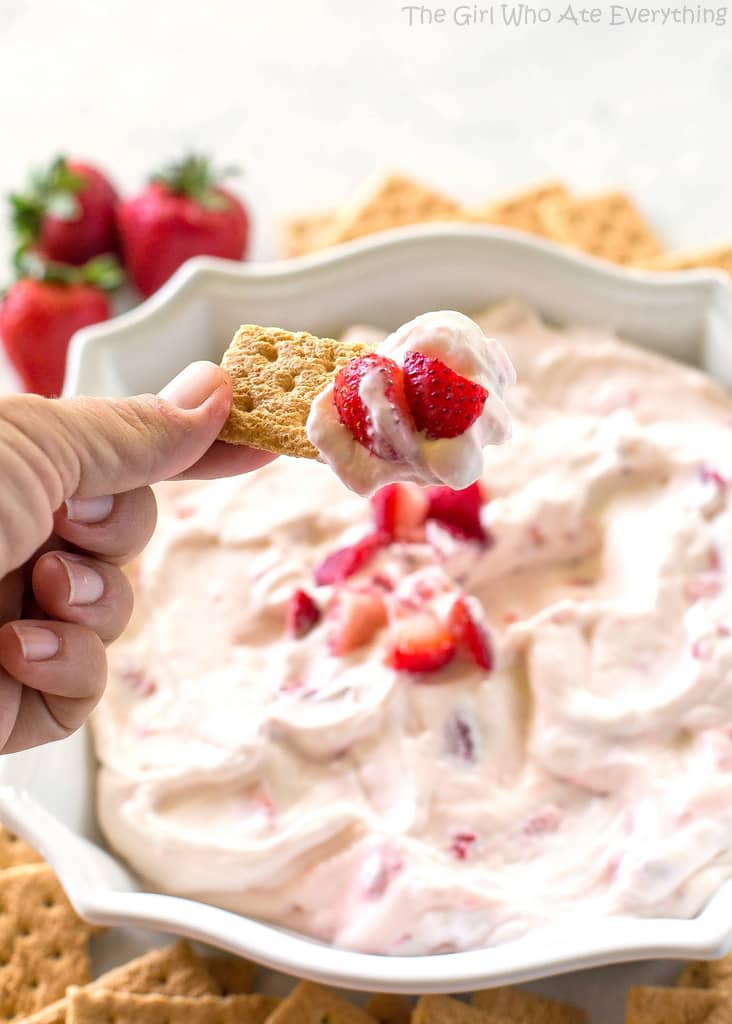
Industry analysts suggest that the popularity of such recipes is driven by a broader cultural shift toward "grazing" or "heavy hors d’oeuvres" style entertaining. In this format, guests are encouraged to interact with their food through dipping, allowing for portion control and a more casual social atmosphere. The use of graham crackers as the "dipping" vessel serves as a functional replacement for the traditional buttery crust, completing the flavor profile without the need for a springform pan or a water bath.
Seasonal Significance and the Strawberry Market
The timing of the Strawberry Cheesecake Dip’s prominence is inextricably linked to the agricultural cycle of the strawberry (Fragaria × ananassa). In the United States, the strawberry industry is a multi-billion dollar sector, with California and Florida serving as the primary hubs of production. According to the United States Department of Agriculture (USDA), California alone produces approximately 90% of the nation’s strawberries. The peak season, stretching from late spring through mid-summer, provides the high-sugar, low-moisture fruit necessary for the best results in cream-based desserts.
The use of fresh strawberries in the dip is not merely a matter of flavor but of culinary chemistry. Fresh berries provide a tart acidity that cuts through the fat content of the cream cheese and heavy cream. From a journalistic perspective, the reliance on seasonal produce highlights a growing consumer preference for "farm-to-table" home cooking, even in dishes that are unabashedly indulgent. The economic impact of seasonal recipes is significant; food retailers often see a correlated spike in the sale of cream cheese and heavy whipping cream during the months of June and July, driven by viral seasonal recipes circulated on social media and food blogs.
Technical Composition and Culinary Methodology
The Strawberry Cheesecake Dip relies on a specific ratio of fats and stabilizers to achieve its signature light, airy texture. The process begins with softened cream cheese, which acts as the structural base. Cream cheese, a product pioneered in its modern form by William Lawrence in 1872, provides the tangy "cheesecake" foundation. When beaten with sugar, the cream cheese undergoes aeration, which is then further enhanced by the folding in of whipped cream.
A critical distinction in the recipe’s development is the choice between fresh whipped cream and stabilized whipped toppings (such as Cool Whip). While the original creator, Christy Denney, notes that stabilized toppings can be used for convenience, the professional culinary standard favors fresh whipped cream for its superior mouthfeel and lack of hydrogenated oils. However, fresh cream presents a challenge in terms of stability. The recipe is traditionally best consumed within 24 hours of preparation, as the air bubbles in the whipped cream eventually collapse, leading to a loss of volume—a process known as syneresis.
Chronology of Development and Digital Media Influence
The timeline of the Strawberry Cheesecake Dip’s popularity is a case study in the power of digital food media. Originally published in June 2017, the recipe was released during a period when Pinterest and Instagram were becoming the primary drivers of domestic food trends. Christy Denney, a prominent figure in the "mom-blogger" culinary niche, leveraged her platform to reach millions of home cooks looking for "kid-friendly" yet "party-ready" solutions.
- Early 2010s: The "dip" category expands beyond savory options (like spinach artichoke) into "dessert dips."
- June 2017: Denney publishes the Strawberry Cheesecake Dip, emphasizing its nostalgic connection to summer childhood memories, such as outdoor play and water-based activities.
- 2018–2020: The recipe gains viral status on visual discovery engines, leading to numerous iterations including chocolate chip, pumpkin, and blueberry variants.
- Present Day: The recipe remains a staple of summer "potluck" culture, frequently cited in "Top Summer Dessert" lists across major lifestyle publications.
The success of the recipe also underscores the evolution of the recipe developer’s role. No longer just a list of instructions, recipes like the Strawberry Cheesecake Dip are often framed within a personal narrative. Denney’s inclusion of the "whine of the hose" and the "456,397 water balloons" creates an emotional resonance with her audience, framing the food as part of a lifestyle rather than just a caloric intake.
Economic and Practical Implications for the Consumer
For the average consumer, the Strawberry Cheesecake Dip offers a cost-effective alternative to purchasing a pre-made cheesecake from a bakery. As of 2024, the average cost of ingredients for a batch of this dip—including a pound of strawberries, a block of cream cheese, and a pint of heavy cream—ranges between $10 and $15, depending on the region and the organic status of the produce. In contrast, a high-quality, artisanal cheesecake can retail for $40 to $60.
Furthermore, the versatility of the dip serves various dietary needs. While the base recipe is high in fat and sugar, it is easily adaptable. Food analysts have noted a rise in "healthy" modifications to this specific recipe, including the use of Greek yogurt as a substitute for a portion of the cream cheese, or the use of sugar-free sweeteners. This adaptability ensures the recipe’s longevity in a market that is increasingly conscious of nutritional density.
Official Responses and Culinary Expert Insights
While there are no "official" governing bodies for dessert dips, culinary experts often weigh in on the structural integrity of such dishes. Pastry chefs emphasize the importance of temperature during the assembly of the Strawberry Cheesecake Dip. "The primary failure point in cream-cheese-based dips is the temperature of the dairy," notes one industry consultant. "If the cream cheese is too cold, it will result in a lumpy texture that fails to incorporate the whipped cream. If it is too warm, it loses the ability to hold the air required for a ‘cheesecake’ feel."
From a food safety perspective, health departments remind consumers that dairy-based dips must be kept at or below 40°F (4°C) to prevent the growth of foodborne pathogens. This is particularly relevant for the Strawberry Cheesecake Dip, which is frequently served at outdoor summer events. Experts recommend serving the dip in a bowl nestled within a larger bowl of ice to maintain the necessary temperature for both safety and texture.
Broader Impact on the Food Industry
The Strawberry Cheesecake Dip is more than a simple recipe; it is a symptom of the "snackification" of the American diet. The USDA and various food marketing groups have identified a long-term trend where traditional three-course meals are being replaced by frequent, smaller eating occasions. Dessert dips fit perfectly into this model, providing a "light" end to a meal that feels less formal than a sliced cake.
Additionally, the recipe has influenced the product development of major food corporations. In recent years, brands like Philadelphia Cream Cheese have released pre-whipped, flavored cream cheese "cheesecake crumbles" and dipping tubs, directly capitalizing on the DIY trend started by bloggers like Denney. This "top-down" influence—where a home-grown blog recipe eventually dictates corporate product lines—highlights the democratizing power of the modern internet on the global food economy.
Conclusion: The Future of Commensality
As the Strawberry Cheesecake Dip enters its eighth year as a seasonal favorite, its impact on home entertaining remains significant. It stands as a testament to the fact that culinary innovation does not always require new technology or obscure ingredients; often, it simply requires the reconfiguration of familiar flavors into more accessible formats. By bridging the gap between the nostalgia of a childhood summer and the sophistication of a classic dessert, the dip has secured its place in the modern American culinary canon. Whether served at a backyard barbecue or a formal brunch, it continues to facilitate "commensality"—the act of eating together—proving that the simplest ideas are often the most enduring.