The Enduring Legacy of Sayur Lodeh: A Culinary Journey into Javanese Tradition

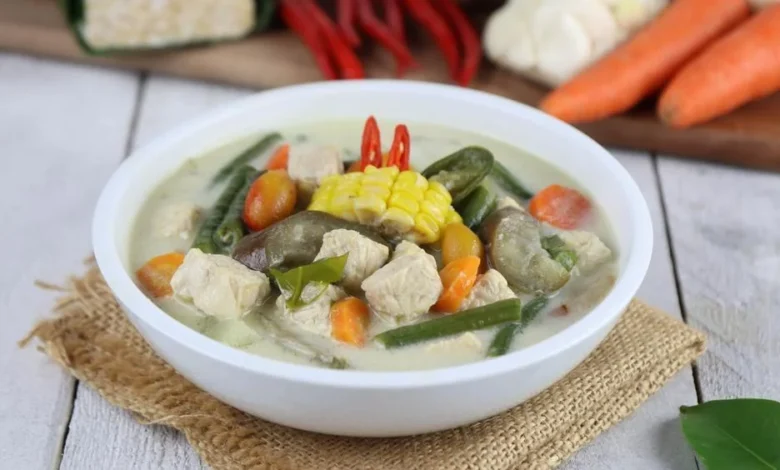
Jakarta, Indonesia – Sayur Lodeh, a quintessential Javanese vegetable soup bathed in rich coconut milk, stands as a culinary cornerstone, offering a harmonious blend of flavors and textures that has captivated palates for generations. Often considered an ideal midday meal, this traditional dish exemplifies the depth and diversity of Indonesian gastronomy, serving as both a daily staple and a cultural touchstone. Its preparation, while seemingly straightforward, involves a nuanced understanding of ingredients and culinary heritage, ensuring that each spoonful delivers an authentic taste of Java.
The essence of Sayur Lodeh lies in its vibrant medley of fresh vegetables, typically including chayote (labu siam), long beans (kacang panjang), eggplant (terong), and sweet corn (jagung manis). These components are simmered in a fragrant coconut milk broth, creating a comforting and wholesome dish that is both nutritious and deeply satisfying. Beyond its basic composition, what truly distinguishes Javanese Sayur Lodeh is the deliberate inclusion of tempe semangit, a partially fermented or "aged" tempeh, which imparts a unique, complex umami flavor and an unparalleled aroma that elevates the entire dish. The broth itself can vary in appearance, ranging from a creamy white to a richer, reddish-brown hue, depending on the addition and type of chili used in its spice paste.
A Glimpse into Javanese Culinary Heritage
Javanese cuisine is renowned for its intricate flavors, often balancing sweetness with savory notes, and its emphasis on fresh, local ingredients. Sayur Lodeh is a perfect embodiment of this culinary philosophy. Its origins are deeply rooted in the agricultural landscape of Java, where an abundance of vegetables and coconut palms provided the essential components for this nourishing soup. Historically, dishes like Sayur Lodeh were central to the diet of Javanese communities, offering a complete meal that was both economical and rich in nutrients. It is a testament to the resourcefulness and culinary ingenuity of the Javanese people, transforming simple garden produce into a dish of profound flavor and cultural significance.
While a precise timeline for the emergence of Sayur Lodeh is elusive, its presence can be inferred from historical records and traditional texts that describe communal meals and the use of coconut milk and various vegetables in ancient Javanese cooking. The technique of fermenting soybeans into tempeh, a practice believed to have originated in Java centuries ago, further solidifies the dish’s historical lineage. The inclusion of tempe semangit specifically points to a long-standing tradition of utilizing all parts of available produce, even those undergoing natural fermentation, to enhance flavor and reduce waste. This culinary wisdom has been passed down through generations, ensuring Sayur Lodeh remains a beloved classic.
The Anatomy of Authenticity: Key Ingredients and Their Roles
To truly appreciate Sayur Lodeh, one must delve into the specific roles of its core ingredients, each contributing to the dish’s distinct character.
1. The Coconut Milk (Santan): The Creamy Foundation
Coconut milk is arguably the most defining characteristic of Sayur Lodeh. Extracted from grated coconut flesh, santan provides the creamy texture and rich flavor that forms the dish’s luxurious base. Traditional preparation often involves pressing fresh coconut multiple times to yield both thick (santan kental) and thin (santan encer) milk. The thinner milk is typically used first to simmer harder vegetables, allowing them to soften and absorb flavor, before the thicker, richer milk is added towards the end to prevent curdling and maintain its full body. Beyond its flavor, coconut milk offers beneficial medium-chain triglycerides (MCTs) and contributes to the dish’s overall caloric value, making it a satisfying meal.
2. The Vegetable Medley: A Symphony of Textures and Nutrients
The choice of vegetables in Sayur Lodeh is highly versatile, allowing for customization based on seasonal availability and personal preference.
- Chayote (Labu Siam): A mild, slightly sweet squash that becomes tender and absorbs the broth’s flavors beautifully. It provides dietary fiber and vitamins.
- Long Beans (Kacang Panjang): Offering a pleasant crunch and earthy flavor, long beans are a good source of vitamins A and C, and iron.
- Eggplant (Terong): Varieties such as purple or green eggplant soften significantly when cooked, contributing a slightly spongy texture that soaks up the coconut milk.
- Sweet Corn (Jagung Manis): Adds a touch of sweetness and bursts of texture, along with carbohydrates and fiber.
- Young Jackfruit (Nangka Muda): A traditional inclusion in many Javanese lodeh recipes, young jackfruit has a firm, meaty texture when cooked and readily absorbs the flavors of the broth.
- Melinjo Leaves (Daun Melinjo): Often used in some variations, these leaves impart a slightly bitter, earthy note that complements the richness of the coconut milk.
- Carrots, Cabbage, and Potatoes: While less traditional, these vegetables are sometimes added for extra bulk and nutritional variety.
This diverse selection ensures a comprehensive nutritional profile, rich in fiber, vitamins, and minerals, making Sayur Lodeh a wholesome meal choice.
3. Tempe Semangit: The Umami Secret
Perhaps the most unique and critical component for an authentic Javanese Sayur Lodeh is tempe semangit. Unlike fresh tempeh, tempe semangit refers to tempeh that has been fermented for an extended period, resulting in a stronger, more pungent aroma and a deeper, more complex savory (umami) flavor profile. While some might describe its smell as "overripe" or "slightly spoiled," culinary connoisseurs understand that this partial fermentation process unlocks a depth of flavor that cannot be replicated by fresh tempeh. It adds a distinctive funkiness and richness that is foundational to the traditional Javanese lodeh experience, setting it apart from other vegetable stews. This ingredient showcases the Javanese tradition of valuing and utilizing ingredients through various stages of their natural process.
4. The Bumbu Halus (Spice Paste): The Aromatic Heart
The complex flavor of Sayur Lodeh is built upon a meticulously ground spice paste, known as bumbu halus. This paste typically includes:
- Shallots (Bawang Merah) and Garlic (Bawang Putih): Forming the aromatic base.
- Candlenut (Kemiri): Adds a creamy texture and nutty flavor to the paste.
- Kencur (Kaempferia Galanga): A rhizome related to ginger, offering a unique, earthy, and slightly peppery aroma distinct to Javanese cuisine.
- Turmeric (Kunyit): Provides a warm, earthy note and a subtle yellow hue.
- Chili (Cabe): Red or green chilies are added for heat, with the quantity adjusted to preference. The type and amount of chili can influence the final color of the broth, ranging from mild white to a spicier reddish tint.
- Coriander (Ketumbar) and Cumin (Jintan): Often included for their warm, aromatic qualities.
- Terasi (Shrimp Paste): A small amount of fermented shrimp paste is often added for an additional layer of umami and depth, though vegetarian versions may omit this.
These ingredients are traditionally ground using a mortar and pestle, releasing their essential oils and creating a fragrant paste that is then sautéed to unlock its full potential before being incorporated into the coconut milk broth.
5. Aromatic Enhancers:
Beyond the spice paste, additional aromatics like lemongrass (serai), galangal (lengkuas), and kaffir lime leaves (daun jeruk) are often bruised and added to the simmering broth. These ingredients infuse the soup with refreshing, citrusy, and herbaceous notes, balancing the richness of the coconut milk and the complexity of the spices.
Preparation and Regional Nuances
The general cooking process for Sayur Lodeh involves first sautéing the bumbu halus until fragrant, then adding the hardier vegetables and tempe semangit, followed by the thin coconut milk to simmer. As the vegetables soften, the remaining ingredients and thick coconut milk are added, and the soup is gently simmered until all components are tender and the flavors have melded. Careful attention is paid to not overcook the vegetables or boil the thick coconut milk too vigorously, which can cause it to separate.
While the Javanese version is distinct, variations of lodeh exist across Indonesia, each reflecting local ingredient availability and culinary preferences. For instance, some regions might use different types of chilies or add seafood. However, the Javanese Sayur Lodeh, with its specific reliance on tempe semangit and a characteristic spice blend featuring kencur, maintains its unique identity and remains the benchmark for this beloved dish.
Cultural and Socio-Economic Impact
Sayur Lodeh transcends its role as mere sustenance; it is a symbol of Javanese hospitality, community, and tradition. It is frequently prepared for family gatherings, communal meals, and even certain traditional ceremonies, signifying togetherness and shared heritage. Its comforting nature makes it a quintessential "comfort food" for many Indonesians, evoking memories of home-cooked meals and family warmth.
From an economic perspective, the enduring popularity of Sayur Lodeh directly supports local agriculture and small-scale industries. Farmers cultivate the vast array of vegetables used in the dish, while producers of tempeh, coconut milk, and spices find a consistent market for their goods. This interconnected web of production and consumption strengthens local economies and preserves traditional farming practices. The demand for fresh, high-quality ingredients for Sayur Lodeh ensures that traditional markets continue to thrive as vibrant hubs of commerce and social interaction.
Nutritional Profile and Health Implications
Sayur Lodeh offers a surprisingly balanced nutritional profile. The diverse vegetables provide a wealth of dietary fiber, essential vitamins (A, C, K, B vitamins), and minerals (potassium, magnesium, iron). Fiber is crucial for digestive health and helps in maintaining satiety. While coconut milk is rich in saturated fat, it also contains beneficial medium-chain triglycerides (MCTs) which are metabolized differently and can be a quick source of energy. When consumed as part of a balanced diet, Sayur Lodeh can be a healthy and fulfilling meal. Nutritionists often highlight the importance of consuming a variety of vegetables, and Sayur Lodeh excels in this regard, offering multiple vegetable servings in a single dish.
Modern Adaptations and Global Appeal
In contemporary times, Sayur Lodeh continues to evolve while retaining its core identity. Health-conscious consumers might opt for lighter versions with reduced coconut milk or incorporate lean proteins. Vegetarian and vegan adaptations are easily achieved by omitting terasi (shrimp paste) from the spice blend, as the dish is predominantly plant-based. Gourmet restaurants in Indonesia and abroad have begun to present Sayur Lodeh with elevated plating and refined techniques, introducing this traditional dish to a wider, international audience.
Culinary experts and cultural anthropologists view Sayur Lodeh not just as a recipe, but as a living artifact of Javanese culture. Dr. Amalia Putri, a Jakarta-based culinary historian, states, "Sayur Lodeh is more than just food; it’s a narrative of Java’s agricultural bounty, its intricate spice trade, and its people’s ability to create profound flavors from simple ingredients. The use of tempe semangit is a beautiful example of zero-waste cooking long before the term became trendy." Similarly, representatives from the Indonesian Ministry of Tourism have subtly promoted dishes like Sayur Lodeh as part of culinary tourism initiatives, aiming to showcase the richness of Indonesian cuisine to global visitors.
Challenges and the Future Outlook
Despite its enduring popularity, Sayur Lodeh faces challenges common to many traditional dishes in a rapidly modernizing world. The time-consuming preparation of bumbu halus and fresh coconut milk can be daunting for younger generations with busy lifestyles. There is a need to balance convenience with authenticity, perhaps through the development of high-quality, ready-to-use spice pastes that accurately capture the traditional flavor profile. Furthermore, ensuring the sustainable sourcing of ingredients, particularly coconut and diverse vegetables, is crucial for the long-term viability of this culinary tradition.
Nevertheless, the future of Sayur Lodeh appears secure. Its deep cultural roots, versatile nature, and delicious taste ensure its continued presence on Indonesian dining tables. Efforts by culinary schools, cultural foundations, and home cooks to document and share authentic recipes contribute significantly to its preservation. As the world increasingly seeks out unique and wholesome culinary experiences, Sayur Lodeh stands poised to garner even greater international recognition, offering a flavorful and authentic window into the heart of Javanese tradition. Its appeal as a balanced, comforting, and deeply flavorful dish ensures that Sayur Lodeh will remain a beloved staple for many generations to come, embodying the enduring legacy of Indonesian culinary artistry.