The Great Protein Pivot How Nutritional Science Market Shifts and Pharmaceutical Trends are Redefining the Global Diet


The global food landscape is undergoing a seismic shift as the era of "plant-based" dominance yields to a resurgent focus on high-quality protein. While food trends have historically fluctuated between low-fat and low-carb ideologies, the current obsession with protein represents a fundamental realignment of how consumers perceive health, muscle preservation, and metabolic efficiency. This transition is not merely a marketing phenomenon but is rooted in a convergence of new pharmaceutical developments, evolving nutritional science, and a growing skepticism toward ultra-processed meat alternatives. According to recent market data, the United Kingdom has seen a significant reversal in dietary habits, with plant-based food sales falling by 4.5% in the year leading to January 2025, while meat sales surged by approximately £500 million during the same period.
The Decline of the Plant-Based Era and the Rise of Protein
For much of the last decade, the narrative of "plant-based" eating was positioned as the inevitable future of the human diet. This movement reached its commercial and cultural zenith in 2021, fueled by environmental concerns and a surge in venture capital for "fake meat" startups. However, the momentum has stalled. The most telling sign of this shift occurred when high-profile advocates began to distance themselves from strict veganism. In a notable industry turn, the former head of communications for Veganuary resigned to advocate for a "less and better" meat-eating approach, signaling a move away from total animal-product exclusion toward a focus on nutrient density and sustainable sourcing.
The market reality reflects this ideological shift. As consumers become more discerning about the nutritional value of their food, the "yuk factor" once associated with meat consumption in certain demographics is being replaced by an appreciation for animal-sourced foods—meat, fish, dairy, and eggs—as superior sources of essential nutrients. This trend is particularly evident among women, a demographic that previously drove the plant-based movement but is now increasingly focused on protein for its roles in hormonal health and aging.
The GLP-1 Factor: A New Catalyst for Protein Consumption
One of the most significant and unexpected drivers of the high-protein trend is the rapid adoption of GLP-1 receptor agonists, such as Ozempic, Wegovy, and Mounjaro. Originally developed for type 2 diabetes, these weight-loss drugs have entered the mainstream, with millions of users globally utilizing them to suppress appetite and reduce caloric intake. However, rapid weight loss induced by these drugs often comes at a cost: the loss of lean muscle mass alongside fat.
Medical professionals and nutritional advisors are now increasingly prescribing high-protein diets to counteract this "muscle wasting." For patients on GLP-1 medications, protein is no longer just a dietary choice; it is a clinical requirement for muscle repair and metabolic maintenance. This has birthed a new social media subculture, often referred to as "muscle mummies," where women prioritize resistance training and high protein intake over traditional low-fat cardio routines. The demand for protein-dense foods to support drug-assisted weight loss has created a massive new market segment that traditional diet brands are scrambling to capture.
The Science of Quality: Understanding DIAAS Scores
As the public focus shifts to protein, the conversation is moving beyond quantity to quality. Nutritional science is increasingly highlighting the difference between plant and animal proteins through metrics like the Digestible Indispensable Amino Acid Score (DIAAS). Endorsed by the Food and Agriculture Organization (FAO), the DIAAS is considered the most accurate method for assessing how well the human body can absorb and utilize the nine essential amino acids found in food.
On the DIAAS scale, animal proteins consistently outperform plant-based alternatives:
- Beef: 1.22
- Eggs: 1.12
- Soy: 0.92
- Kidney Beans: 0.61
- Oats: 0.44
While soy remains a high-quality plant protein, its DIAAS score still trails behind beef and dairy. Furthermore, animal-sourced proteins are "complete," meaning they provide all essential amino acids in a highly bioavailable form. Research, including reports from the Sustainable Food Trust, suggests that grass-fed meat and dairy offer superior nutritional profiles compared to grain-fed equivalents, further complicating the "plant-versus-animal" debate with nuances about farming methods.
The Protein Leverage Effect and Metabolic Health
The "Protein Leverage Effect" theory provides another scientific pillar for the current trend. Proposed by researchers such as Professors David Raubenheimer and Stephen Simpson, this theory suggests that the human body has a biological "target" for protein intake. If a diet is low in protein but high in fats and carbohydrates, the body will continue to signal hunger, leading to overconsumption of calories until the protein requirement is met.
This theory offers a compelling explanation for the obesity epidemic in environments where ultra-processed, low-protein foods are ubiquitous. By prioritizing protein, consumers report higher levels of satiety, making it easier to maintain a healthy weight without the constant drive to overeat. This focus on satiety is also driving interest in the perimenopause and menopause communities. As estrogen levels decline, women face an increased risk of muscle loss and metabolic slowing; increasing protein intake is now widely viewed as a primary strategy to stabilize metabolism and maintain bone health during this life stage.
Market Winners: From Bone Broth to Cottage Cheese
The economic beneficiaries of the protein boom are diverse, ranging from traditional livestock farmers to innovative dairy producers. In 2025, the UK meat industry saw a £500 million increase in sales, a clear indicator that meat is no longer "on the naughty step." Simultaneously, traditional health foods are being reimagined for the modern era.
Bone broth, once a staple of the "grandmother’s kitchen," has become a premium health product. Rich in collagen and amino acids like glycine and proline, bone broth is marketed for joint health and gut integrity. Consumers who were previously squeamish about meat are now purchasing liquid bone broth at prices as high as £7 per 500ml, or opting for concentrated powders as a modern alternative to traditional meat extracts like Bovril.
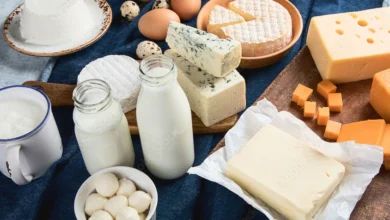
The dairy sector has also seen a remarkable resurgence, particularly in products like Skyr and cottage cheese. Cottage cheese, once viewed as a relic of 1960s dieting, has experienced a viral resurgence on platforms like TikTok. Scottish dairy producer Grahams reported a 40% growth in cottage cheese sales in 2024 alone, largely driven by the release of "Protein Cottage Cheese" products that offer 25% more protein than standard versions.
The "Halo Effect" and the Risks of Ultra-Processed Protein
Despite the genuine health benefits of increased protein intake, the trend has not escaped the influence of the ultra-processed food (UPF) industry. Manufacturers are increasingly using "high protein" labels to create a "health halo" around products that are otherwise nutritionally poor. This includes everything from high-protein crisps and chocolate bars to pizza dough and meal-replacement shakes.
A critical examination of these products often reveals a different story. For example, some "High Protein Chocolate Porridges" sold by major retailers contain upwards of 21% sugar, qualifying them as high-sugar foods despite their protein claims. To achieve high protein counts in processed foods, manufacturers often use isolates—such as whey protein isolate, soy fractions, or pea protein isolates.
These hyper-processed ingredients often have a chalky texture and a bitter taste, requiring the addition of emulsifiers, stabilizers, and artificial sweeteners to make them palatable. There is currently a lack of robust, long-term research on how these highly synthesized forms of protein affect human health compared to whole-food sources. Experts warn that while these products may help hit a protein target, they lack the complex matrix of micronutrients found in natural meat, fish, and dairy.
Agricultural Implications: "It’s Not the Cow, But the How"
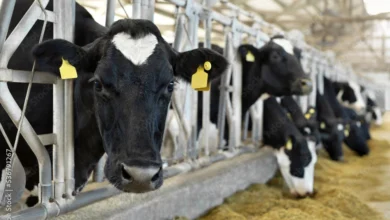
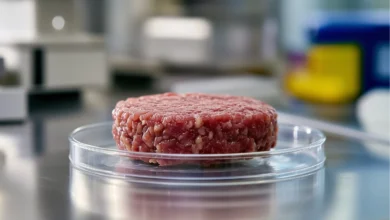
The renewed interest in animal protein has profound implications for the future of agriculture. As consumers move away from "fake meats"—which are often highly processed and reliant on industrial monocrops like soy and peas—there is a growing movement toward sustainable livestock farming. The Sustainable Food Trust’s report, Grazing Livestock: It’s Not the Cow, But the How, emphasizes that ruminant animals (cows and sheep) can play a vital role in regenerative agriculture by building soil health and sequestering carbon when managed correctly.
This perspective shifts the environmental focus from the total elimination of animal products to the support of farming systems that produce nutrient-dense food while maintaining ecological balance. For livestock farmers, this represents an opportunity to market their products not just as a source of protein, but as a premium, ecologically responsible choice.
Conclusion: A Shift Toward Nutrient Density
The high-protein trend appears to be more than a passing fad; it is a correction of several decades of dietary advice that prioritized low-fat, high-carbohydrate consumption and, more recently, highly processed plant-based alternatives. The convergence of the "Protein Leverage Effect," the clinical needs of GLP-1 users, and a better understanding of amino acid bioavailability has placed animal-sourced foods back at the center of the nutritional conversation.
However, the trend also presents a challenge. As the market becomes flooded with "high protein" ultra-processed snacks, the responsibility falls on the consumer to distinguish between nutrient-dense whole foods and industrially formulated substitutes. The shift toward protein is a move toward valuing what is in our food rather than just what has been taken out (like fat or calories). For those who prioritize home cooking and whole ingredients, the protein pivot offers a scientifically backed path to better metabolic health, muscle preservation, and long-term vitality.