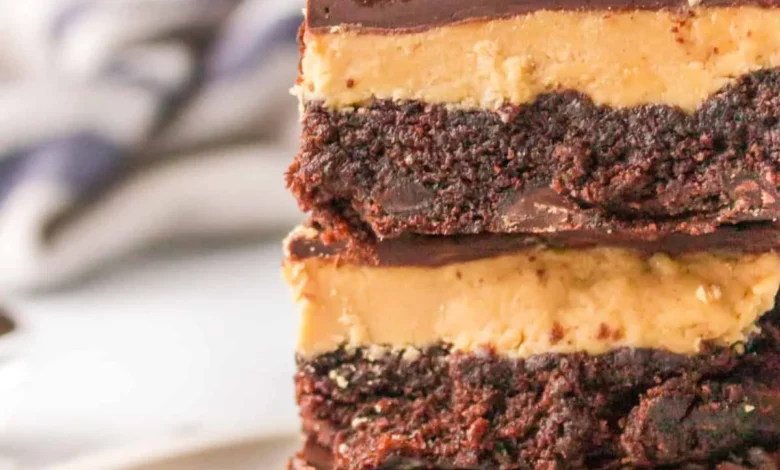
The convergence of regional American confectionery traditions and modern convenience baking has yielded a dessert staple that continues to dominate domestic kitchens and commercial bake sales alike. Known as Buckeye Brownies, this multi-layered confection adapts the profile of the traditional Ohio Buckeye candy—a peanut butter fudge partially dipped in chocolate to resemble the nut of the Ohio State tree—into a robust, portable bar format. By layering a dense cocoa-based foundation with a sweetened peanut butter center and a tempered chocolate ganache or shell, the recipe represents a strategic intersection of texture, flavor contrast, and preparation efficiency.
Historical Context and Regional Significance
The Buckeye Brownie finds its ancestral roots in the Buckeye candy, which rose to prominence in the mid-20th century. While the exact origin of the candy is often debated among culinary historians, it is widely attributed to Gail Tabor, an Ohio resident who reportedly created the treat in the 1960s. The candy was designed to mimic the appearance of the Aesculus glabra, or the Ohio Buckeye nut, which is dark brown with a light tan patch.
Over the decades, the "Buckeye" flavor profile—defined by the specific ratio of salty peanut butter to sweet milk or dark chocolate—moved beyond the sphere of individual candies. It transitioned into cakes, pies, and most successfully, brownies. The brownie variant gained traction due to its structural integrity, making it easier to transport and serve at large gatherings, such as the tailgating events associated with Ohio State University athletics, where the Buckeye remains a potent cultural symbol.
The Anatomy of the Contemporary Recipe
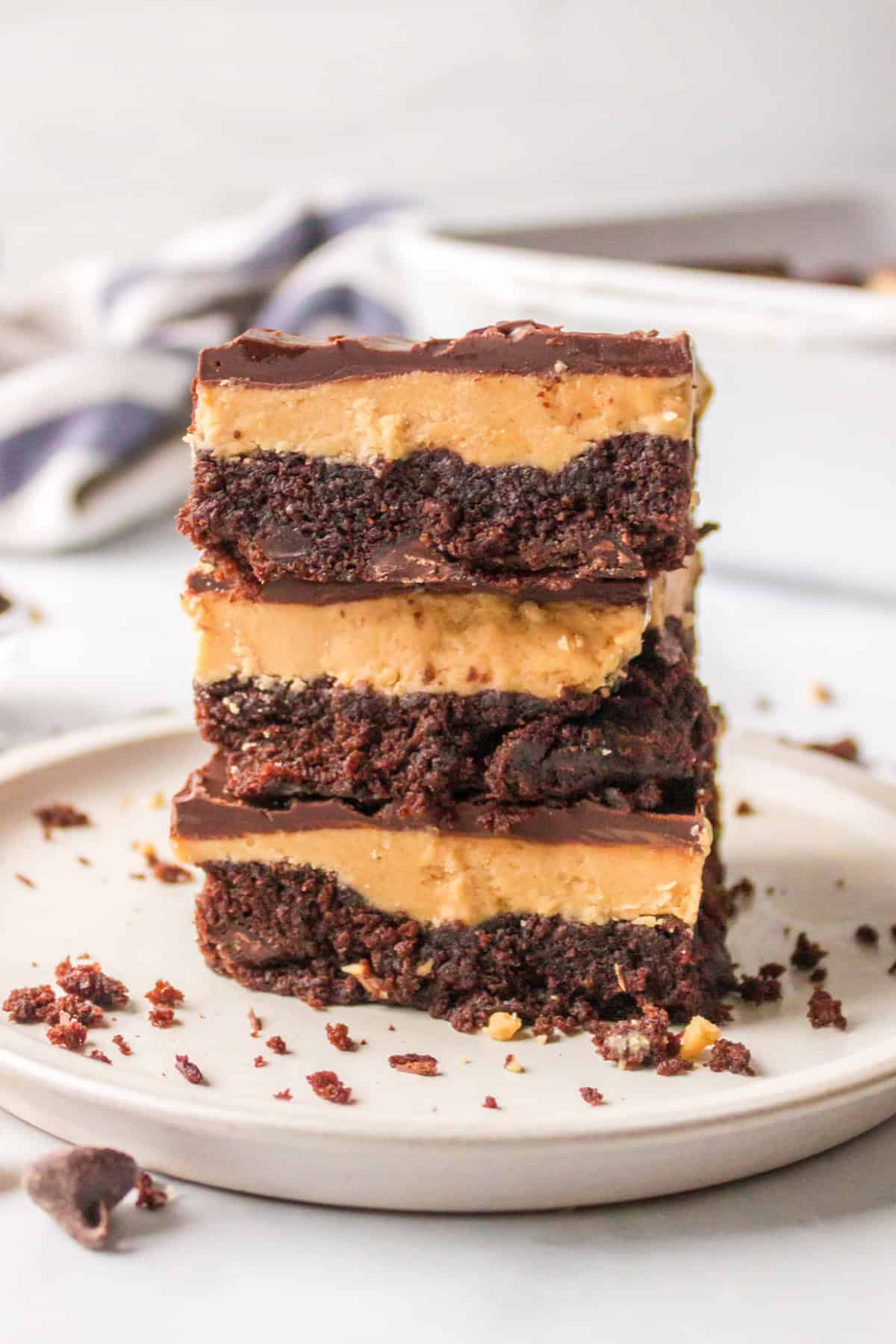
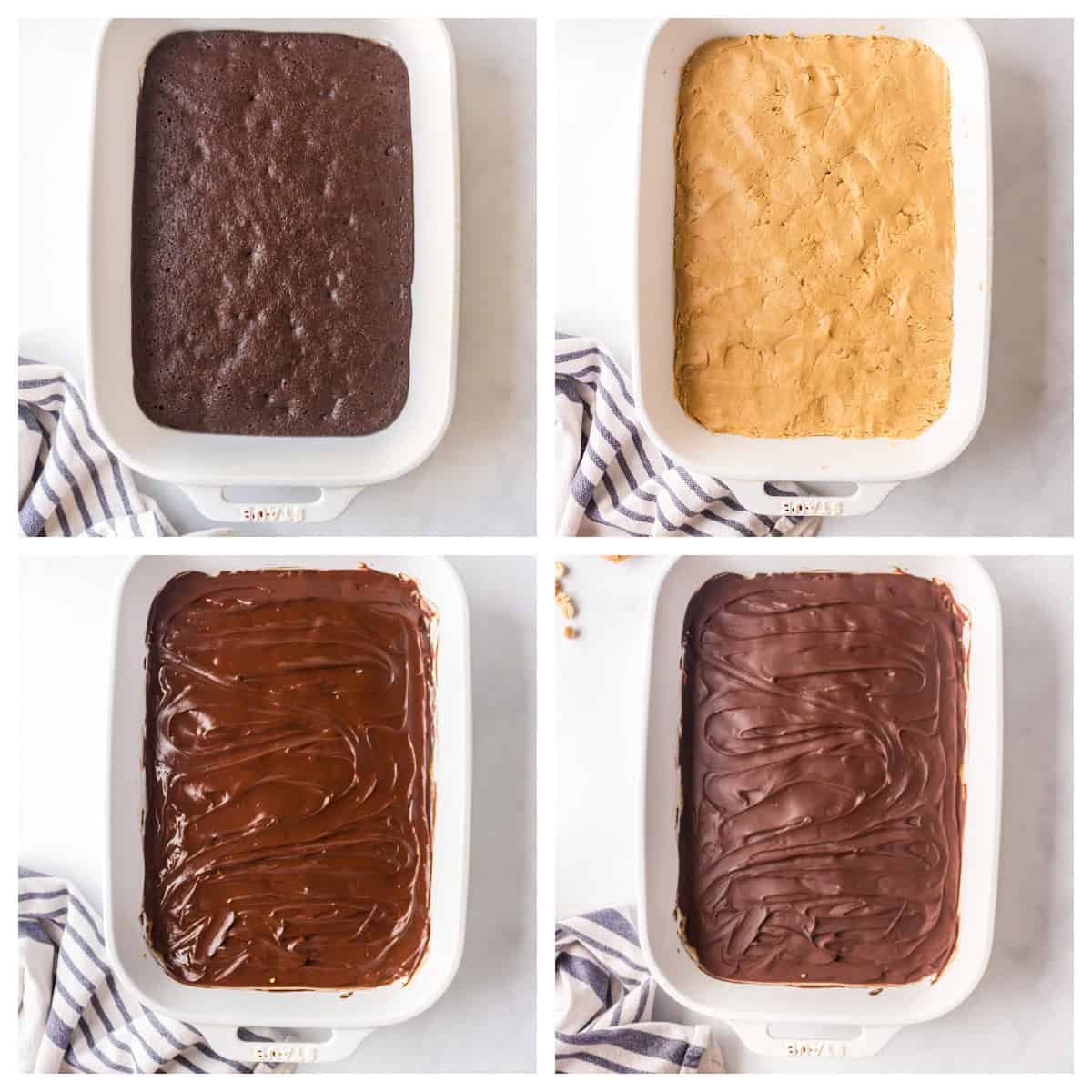
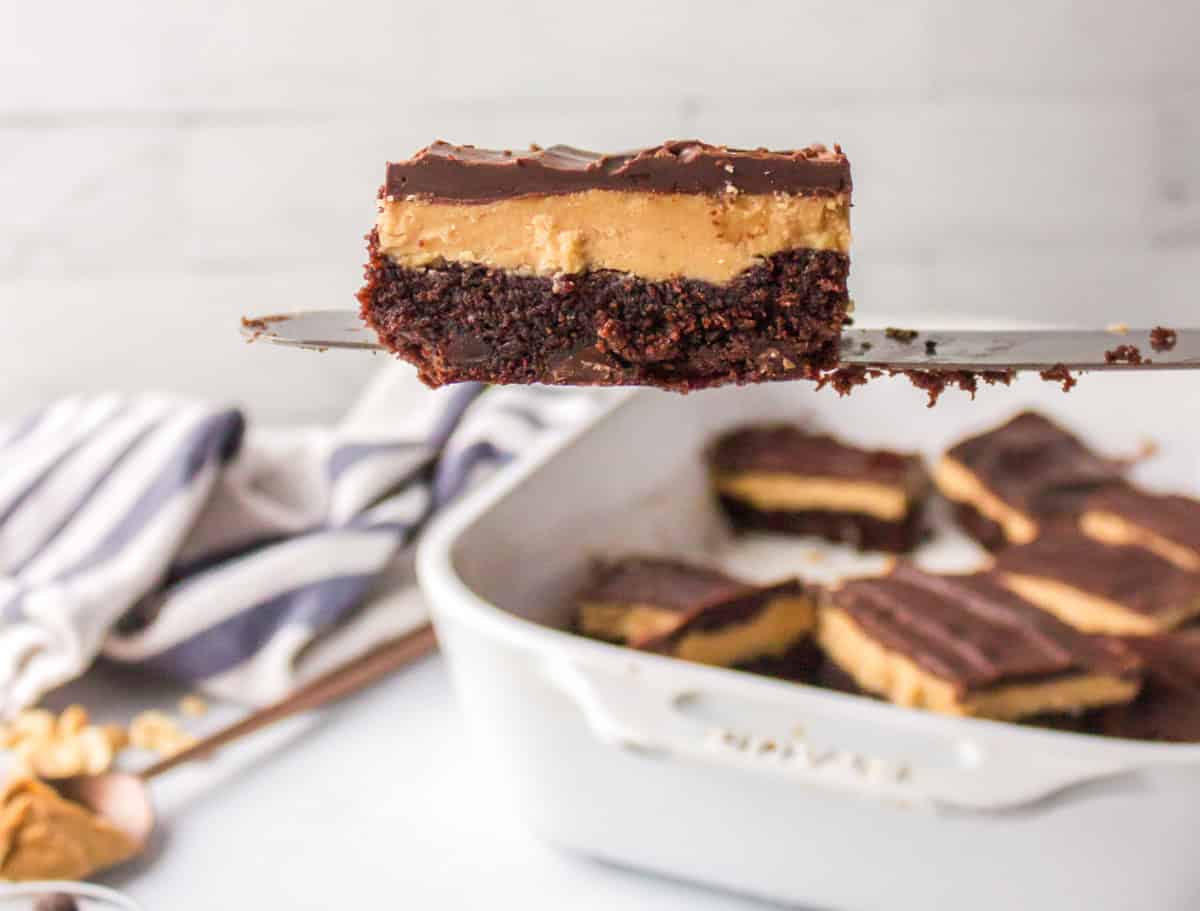
The modern iteration of the Buckeye Brownie is characterized by three distinct strata, each serving a specific culinary purpose.
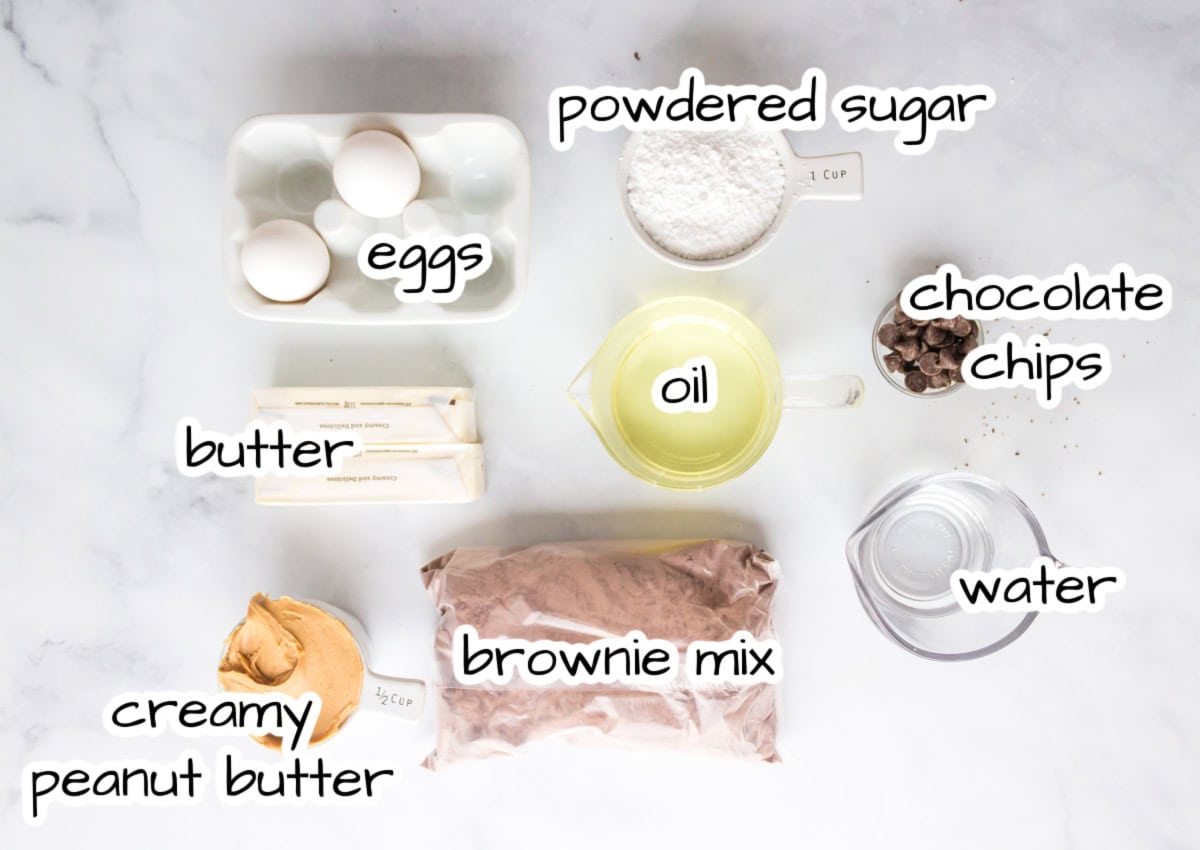
- The Base Layer: Professional bakers and home enthusiasts often utilize a high-quality boxed brownie mix as the foundation. This choice is frequently a matter of "smart shortcutting," a trend noted by food industry analysts. Using a pre-formulated mix ensures a consistent moisture level and structural density, which is necessary to support the weight of the subsequent layers. This base provides a deep, slightly bitter cocoa contrast to the sweetness that follows.
- The Peanut Butter Filling: This central layer is a composite of creamy peanut butter, butter, and confectioners’ sugar. The addition of sugar to the peanut butter serves a dual purpose: it sweetens the legume paste and acts as a stabilizing agent, creating a fudge-like consistency that prevents the layer from oozing when the brownie is sliced.
- The Chocolate Topping: The final layer is typically a smooth chocolate finish. This is often achieved by melting chocolate chips with a small amount of fat (such as butter or shortening) to ensure a glossy sheen and a "snap" that isn’t so hard it shatters upon contact with a fork.
Technical Preparation and Chronology
The production of Buckeye Brownies is a time-sensitive process that requires specific thermal management to achieve the desired aesthetic and textural results.
- Phase I: The Foundation (35 Minutes): The process begins with the baking of the brownie base. According to standard culinary guidelines, the brownie must be baked until just set. Overbaking at this stage can result in a crumbly base that fails to adhere to the peanut butter layer.
- Phase II: Cooling and Integration (60-90 Minutes): Crucially, the base must be allowed to cool completely before the peanut butter layer is applied. Applying the fat-heavy peanut butter mixture to a hot brownie would result in the melting of the sugars and an undesirable oily separation.
- Phase III: The Topping and Setting (2+ Hours): Once the peanut butter layer is smoothed over the base, the chocolate topping is applied. The final, and perhaps most critical, step is the refrigeration period.
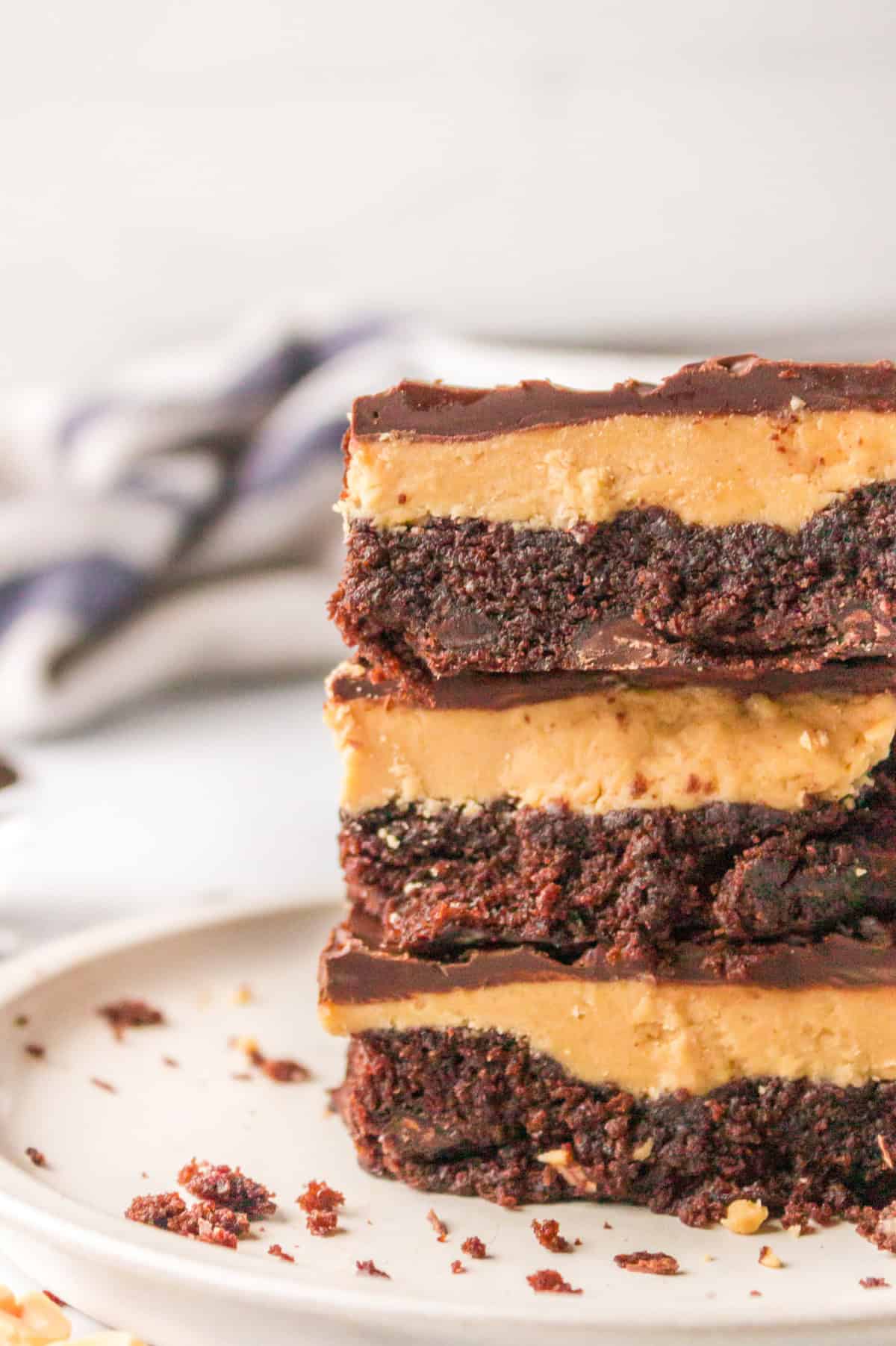
Industry experts emphasize that chilling is not optional. The refrigeration process allows the saturated fats in the peanut butter and the cocoa butter in the chocolate to recrystallize. This "sets" the dessert, facilitating clean, "bakery-style" slices. Without this period of cold stabilization, the layers tend to compress and smear during the cutting process, compromising the visual appeal of the tripartite structure.
Nutritional Data and Market Analysis
From a nutritional standpoint, Buckeye Brownies are classified as a high-density caloric treat. Data indicates that a standard yield of 36 brownies from a single recipe produces an average of 237 calories per serving.
The macronutrient breakdown typically reflects the following:
- Total Fat: 16g (with 5g of saturated fat)
- Carbohydrates: 23g
- Protein: 3g
- Sugar: 17g
While the caloric density is high, the market for such "indulgent" desserts has seen a resurgence. Market research firms have noted a "premiumization" of the brownie category. Consumers are increasingly moving away from plain brownies in favor of "loaded" or "layered" varieties. The Buckeye Brownie fits perfectly into this consumer trend, offering a perceived value-add through its multiple tiers and "gourmet" candy association.
Culinary Implications and Variations
The success of the Buckeye Brownie has led to several culinary offshoots. Professional pastry chefs often experiment with the "Buckeye" ratio to cater to different palettes.
- Texture Variations: Some versions incorporate "crunchy" peanut butter or added chopped peanuts to introduce a kinetic element to an otherwise soft dessert.
- Salt Balance: The use of sea salt flakes as a garnish on the top chocolate layer has become a popular modern modification, utilizing the "salted chocolate" trend to balance the high sugar content of the peanut butter filling.
- The "From Scratch" Debate: While the use of a boxed mix is a common recommendation for efficiency, purists argue for a "from-scratch" cocoa powder base to control the intensity of the chocolate flavor. However, data suggests that for high-volume events like bake sales or holiday parties, the consistency of the mix-based method remains the preferred standard for 70% of home bakers.
Broader Impact on Home Baking Trends
The Buckeye Brownie serves as a case study in the evolution of American home baking. It highlights a shift toward "assemblage baking"—where the skill lies not just in the chemistry of the batter, but in the structural engineering of multiple components.
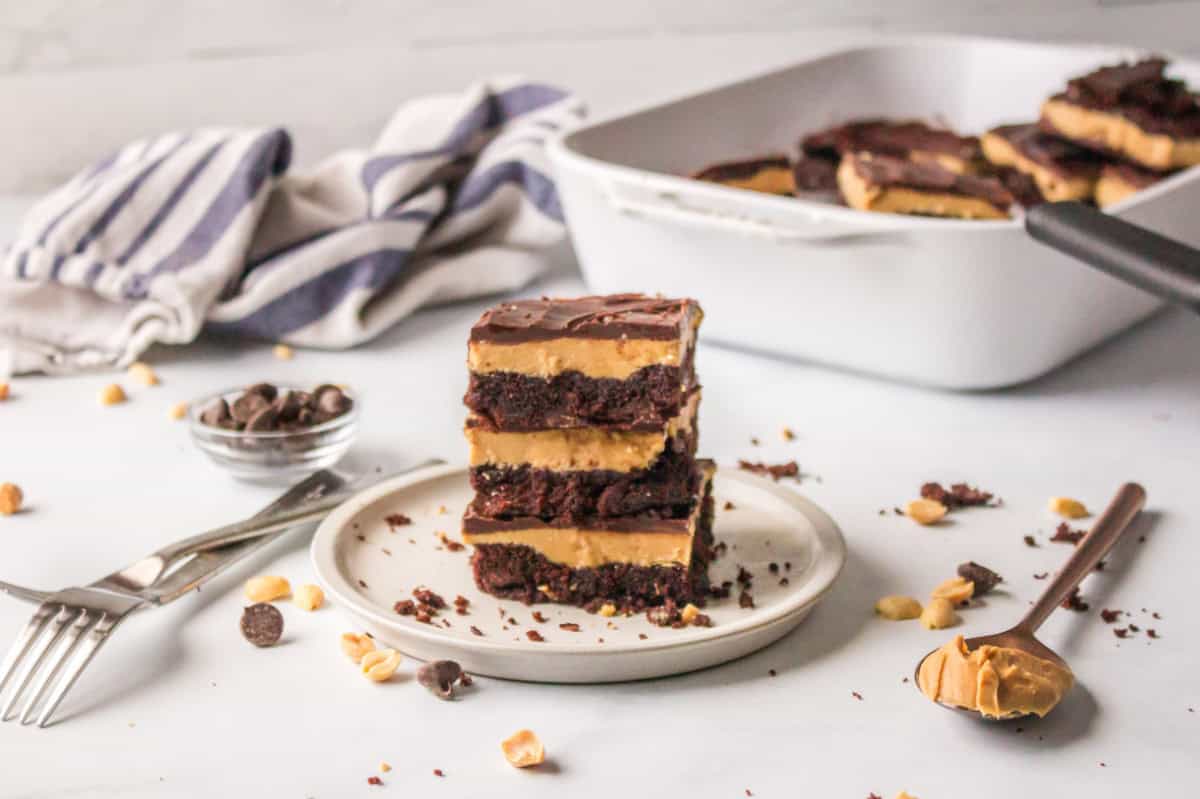
Furthermore, the recipe’s popularity is bolstered by its "shareability" on digital platforms. The clear, defined lines of a chilled Buckeye Brownie make it a highly "Instagrammable" food item. In the current digital economy, the visual appeal of a recipe is often as significant as its taste profile in determining its longevity and viral potential.
Official Responses and Community Reception
While there is no "official" governing body for Buckeye Brownies, culinary influencers and recipe developers consistently rank the combination of chocolate and peanut butter as the most popular flavor pairing in North America. Community feedback from various digital recipe repositories indicates that the primary "failure point" for novice bakers is the lack of patience during the cooling phases.
Statements from culinary instructors often reiterate the importance of temperature control. "The most common error is the rush to slice," notes one professional baker. "A Buckeye Brownie is a lesson in patience. The cold is what transforms it from a messy pan of sweets into a professional-grade confection."
Conclusion
The Buckeye Brownie stands as more than just a dessert; it is a testament to the enduring appeal of regional flavors adapted for a modern, fast-paced world. By utilizing a foundational shortcut—the brownie mix—and focusing effort on the specialized layers that define the "Buckeye" identity, bakers are able to produce a complex, multi-textured treat that satisfies both nostalgic cravings and contemporary aesthetic standards. As the "hybrid dessert" trend continues to evolve, the Buckeye Brownie remains a benchmark for how traditional candies can be successfully reimagined into new, versatile forms. Whether served at an Ohio tailgate or a high-end holiday gathering, its combination of deep chocolate and creamy peanut butter ensures its place in the permanent canon of American baking.