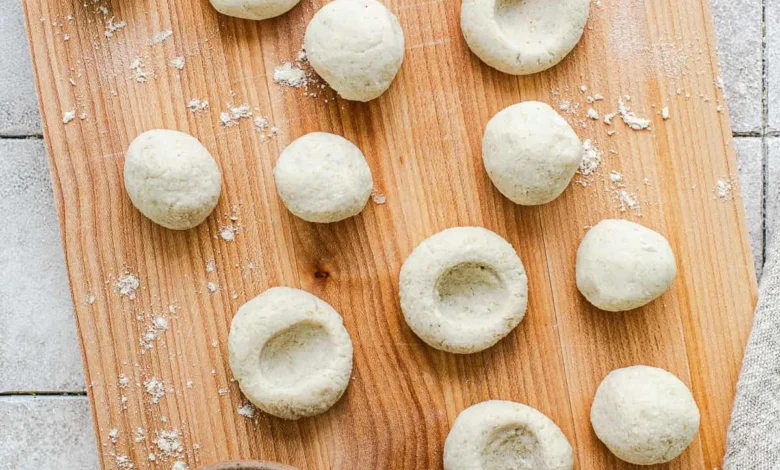
Chochoyotes are the Mexican masa dumplings you didn’t know you were missing. Soft, pillowy, and full of warm corn flavor, they make any bowl of soup feel like a complete meal. These small, comforting morsels, traditionally found in the southern regions of Mexico, are gaining wider recognition for their simple yet profound culinary appeal.
Origins and Cultural Significance
Chochoyotes, essentially Mexico’s answer to dumplings, are crafted from masa harina, a flour made from dried, ground corn that has been treated with an alkali process known as nixtamalization. This ancient technique, dating back to Mesoamerican civilizations, not only enhances the nutritional value of the corn by making niacin more available but also contributes to its distinct flavor and texture. While flour tortillas are a hallmark of Northern and Central Mexican cuisine, masa-based dumplings like chochoyotes are a staple in the culinary traditions of Southern Mexico, particularly in states like Oaxaca and Veracruz. Their presence in simple broths and hearty soups underscores their role as a foundational element in the regional diet, providing sustenance and comfort.
The creator of this recipe, Isabel Orozco Moore, notes her personal journey with chochoyotes. Growing up in Northern and Central Mexico, her family’s culinary landscape featured flour tortillas more prominently than masa dumplings in soups. It was through the process of developing masa harina recipes that she encountered chochoyotes. Despite not having them in her childhood, the first taste was enough to inspire a deep appreciation and a desire to recreate them. This personal connection highlights how traditional recipes, while regional, can travel and be embraced across different culinary backgrounds, enriching the broader tapestry of Mexican gastronomy.
Understanding Chochoyotes: Texture and Taste
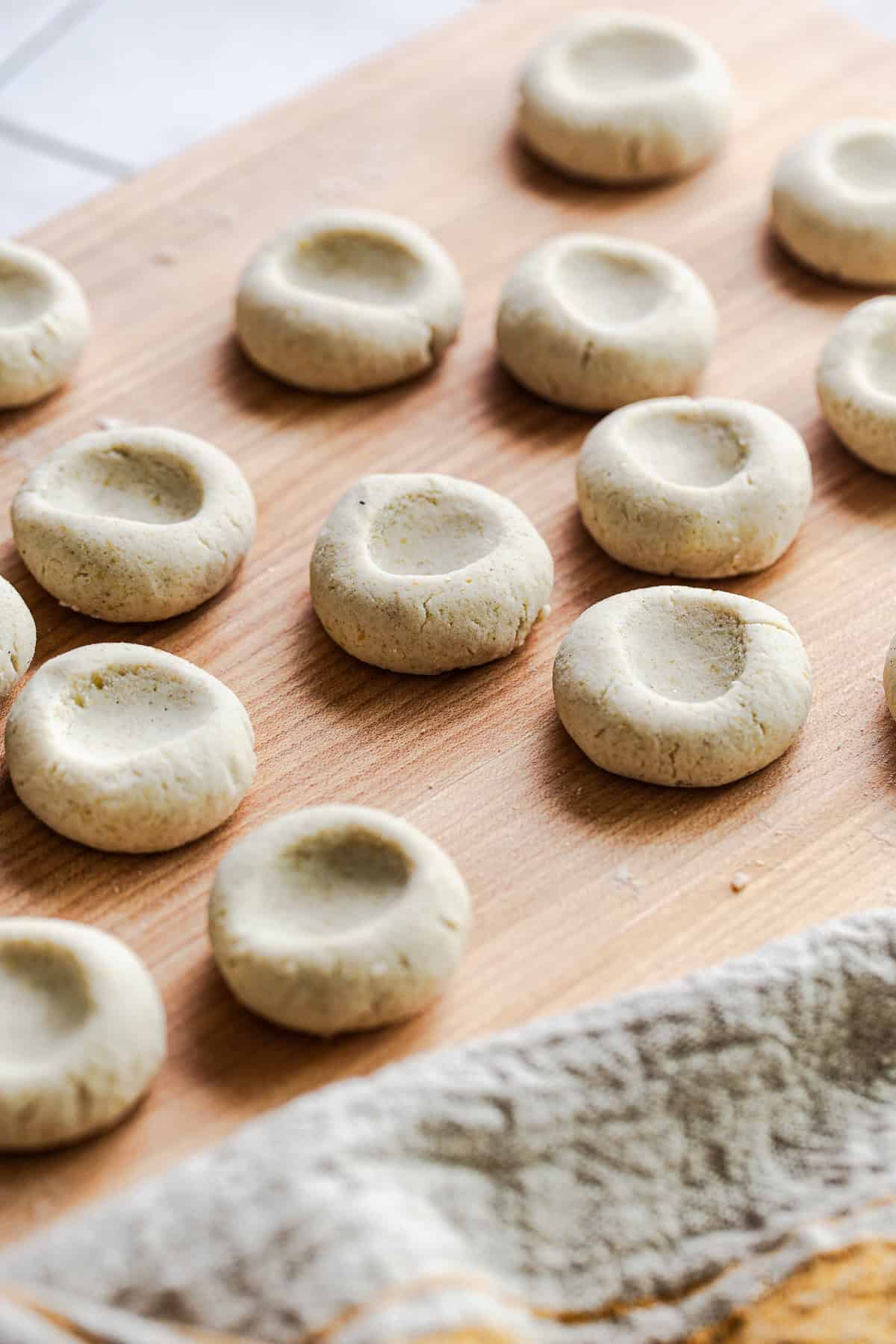
Chochoyotes are characterized by their soft, pillowy texture and a warm, nutty corn flavor that is distinctly masa-based. Unlike their flour-based counterparts, they offer a gluten-free alternative that is both hearty and satisfying. Each dumpling is traditionally shaped with a small indentation pressed into the center, a crucial step that ensures even cooking and allows the dumpling to absorb the flavors of the surrounding broth. This thumbprint is not merely decorative; it’s functional, preventing the chochoyote from becoming dense in the center and ensuring a tender bite throughout.
Ingredients for a Nourishing Soup
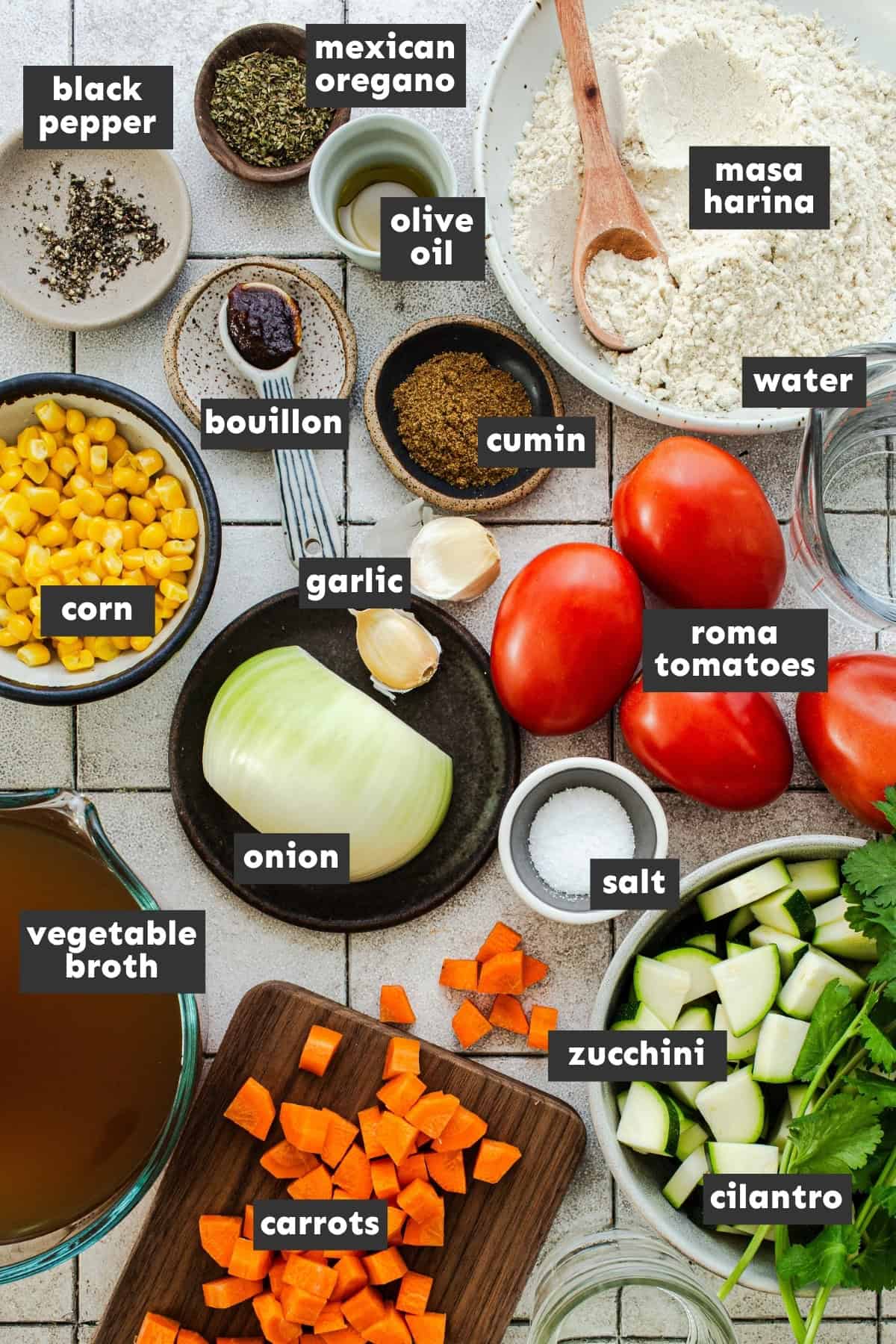
The recipe for chochoyotes in vegetable soup requires a straightforward list of ingredients, emphasizing fresh produce and pantry staples. The soup base typically involves ripe tomatoes, onion, and garlic, blended to create a vibrant and flavorful foundation. Vegetable broth or bouillon provides depth, while fresh zucchini and corn add sweetness and texture. The chochoyotes themselves are made from masa harina and water, with a pinch of salt to enhance the corn’s natural flavor.
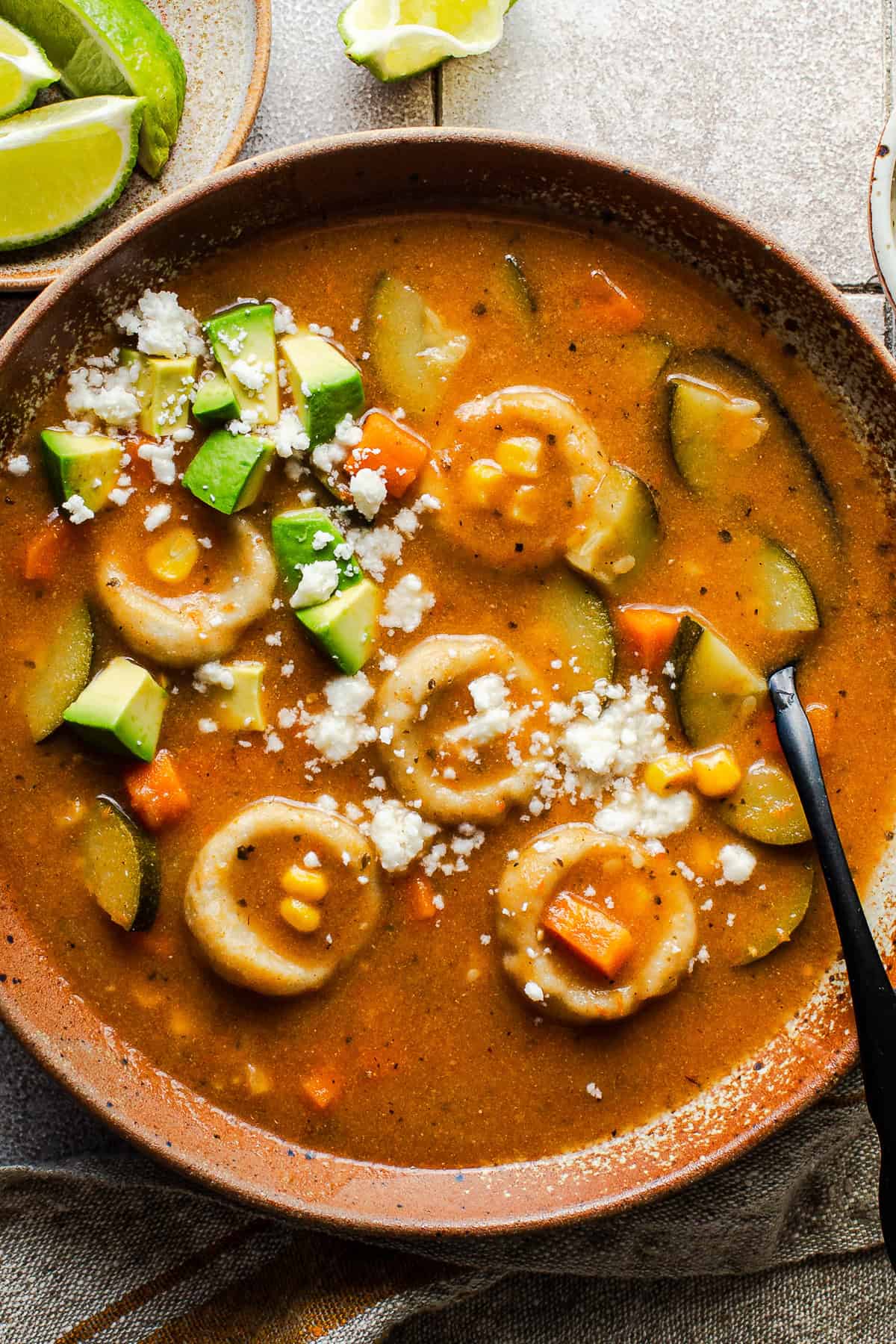
For serving, traditional accompaniments elevate the dish. Crumbled queso fresco offers a salty, creamy counterpoint, while diced avocado adds a rich, smooth element. A squeeze of fresh lime juice provides a bright, acidic finish, cutting through the richness and tying all the flavors together. Fresh cilantro, stirred in at the end or used as a garnish, adds a fragrant herbaceousness.
The Art of Making Chochoyotes
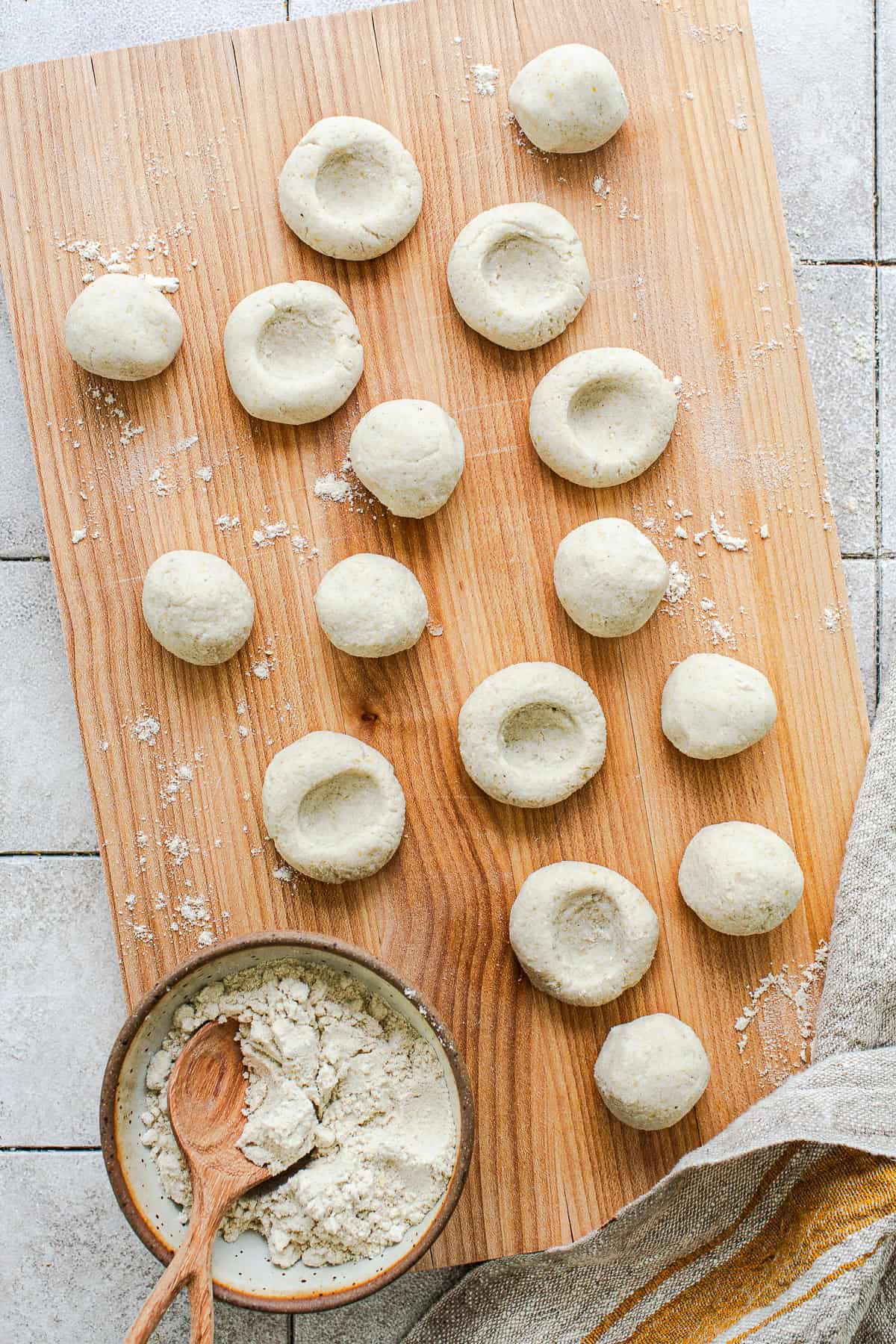
The process of making chochoyotes is relatively simple, making it an accessible dish for home cooks. It begins with preparing the masa dough. Masa harina and salt are combined in a bowl, and warm water is gradually added until a soft, pliable dough forms – often described as having the consistency of playdough. This mixture is then divided into small portions, typically around 16 for a standard batch, and rolled into smooth balls.
The defining characteristic of chochoyotes is then created: pressing a thumb into the center of each ball to form a small indentation. This step is vital for even cooking. Once shaped, the chochoyotes are set aside, often covered with a damp paper towel to prevent them from drying out while the soup is prepared.

Crafting the Vegetable Soup
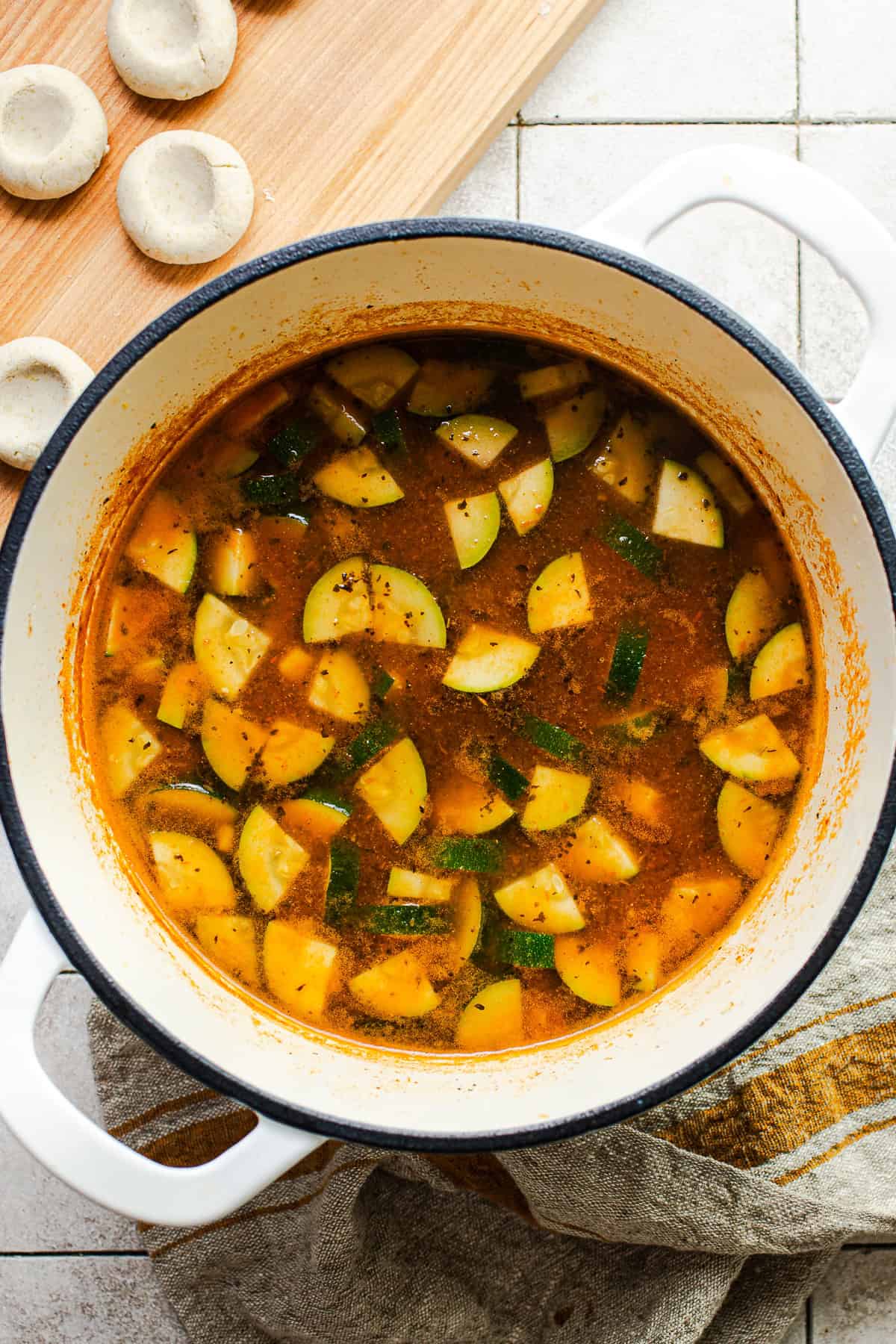
Simultaneously, the vegetable soup is brought to life. Tomatoes, onion, and garlic are blended until smooth, often with a touch of water or broth and vegetable bouillon for added flavor. In a pot, carrots are sautéed in olive oil for a few minutes to soften and release their sweetness. The blended tomato mixture is then added and cooked for about five minutes, allowing the flavors to meld.
The broth, zucchini, corn, and spices are introduced to the pot, and the mixture is brought to a gentle simmer. This simmering stage is crucial, as it prepares the broth to cook the delicate masa dumplings.
Bringing it All Together: Cooking and Serving
The prepared chochoyotes are then gently dropped into the simmering soup. Fresh cilantro sprigs are added, and the pot is covered. The chochoyotes are cooked for approximately 15 minutes, or until they float to the surface, indicating they are fully cooked and have achieved their signature pillowy texture.
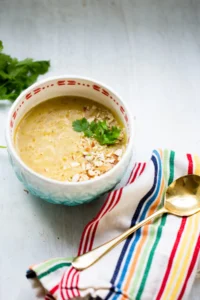
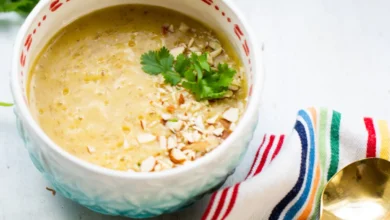
Serving the chochoyotes involves ladling the soup into bowls and generously topping it with the fresh garnishes: crumbled queso fresco, diced avocado, and a final squeeze of lime. The visual appeal, with the vibrant green avocado and white cheese against the rich soup and pale chochoyotes, is as enticing as the flavors.
Tips for Success and Variations
To ensure the best results, several tips can be followed. The dough consistency is key; it should be soft and manageable, not sticky. If the dough is too dry, add a little more water; if too wet, a touch more masa harina. When adding the chochoyotes, the soup should be at a gentle simmer, not a rolling boil, to prevent them from breaking apart. This gentle cooking method ensures their delicate texture is maintained.
For those seeking to personalize the dish, several variations are possible. While this recipe features a simple vegetable soup, chochoyotes can be adapted to various broths, including chicken or beef consommés, or even more complex mole-based soups. Herbs like epazote or parsley can be incorporated into the masa dough for an added layer of flavor. Some regional variations might include a touch of lard or oil in the masa for a richer texture, though this recipe opts for a lighter, water-based dough.
Frequently Asked Questions Addressed
Where do chochoyotes come from?
Chochoyotes are a traditional dish originating from Southern Mexico, particularly prevalent in the culinary landscapes of Oaxaca and Veracruz. They are typically served in brothy soups and stews.
What is the taste and texture of chochoyotes?
They possess a soft, pillowy texture and a delightful warm, nutty corn flavor, reminiscent of a corn tortilla transformed into a dumpling. They are naturally gluten-free.
Why might my chochoyotes have fallen apart?
The most common reasons for chochoyotes falling apart are an overly wet dough, making them too fragile, or adding them to a broth that is boiling too vigorously. Maintaining a playdough-like dough consistency and a gentle simmer in the broth are crucial for success.
Can I substitute fresh masa for masa harina?
Absolutely. If fresh masa is accessible, it can be used in place of masa harina and water. However, the amount of water may need to be adjusted based on the moisture content of the fresh masa.
Storing and Reheating Leftovers
Leftover chochoyotes and soup can be stored in an airtight container in the refrigerator for up to three days. To reheat, transfer the mixture to a pot and warm it over medium heat. Adding a splash of broth or water can help reconstitute the soup if it has thickened during storage. However, freezing is not recommended, as the chochoyotes tend to become gummy and lose their desirable soft texture upon thawing.
Beyond the Soup: More Masa Harina Delights
Chochoyotes are just one example of the versatility of masa harina. This essential ingredient forms the base for a wide array of beloved Mexican dishes. Tlacoyos, for instance, are oval-shaped masa pockets stuffed with various fillings like beans or cheese, then griddled. Tetelas are triangular masa pockets filled and folded, offering a unique texture and flavor. Gorditas, meaning "little fat ones," are thick masa discs that are typically split and filled with savory ingredients. These dishes, along with many others, showcase the rich culinary heritage rooted in masa harina.
This recipe, with its focus on simple ingredients and straightforward preparation, invites cooks to explore the comforting world of chochoyotes. It offers a delicious and wholesome way to experience a taste of Southern Mexican tradition, proving that sometimes, the most profound culinary discoveries are the ones we didn’t know we were missing.
This article was compiled based on information regarding the preparation and cultural context of chochoyotes, a traditional Mexican masa dumpling. The nutritional information provided is an approximation and may vary based on specific ingredients and preparation methods. Photography credit is attributed to Ashley McLaughlin.