The Future of the Dairy Aisle: How Lab-Grown Proteins and Precision Fermentation are Redefining Sustainable Nutrition

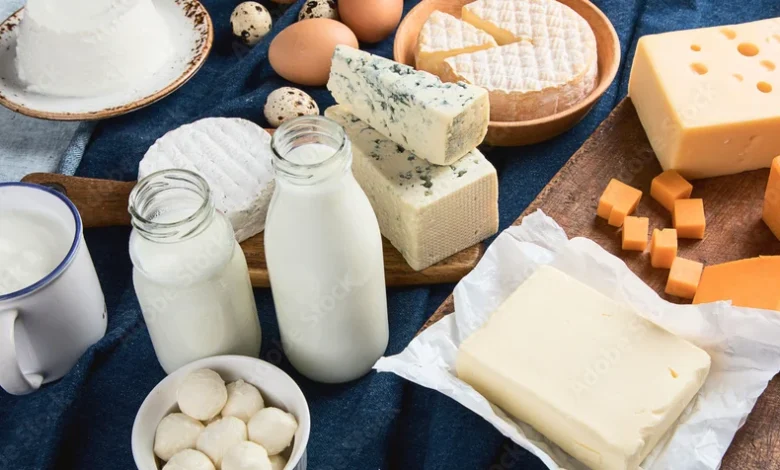
The ability to produce milk proteins in a laboratory environment without the necessity of raising livestock, separating calves from mothers, or utilizing intensive breeding cycles represents a fundamental shift in the global food production paradigm. Jennifer Behr, the director of plant-based initiatives at the international nonprofit Mercy For Animals, describes this emerging technology as a transformative solution that removes the inherent complications and ethical dilemmas associated with industrial animal agriculture. As the global population approaches an estimated 10 billion by 2050, the dairy industry finds itself at a crossroads, balancing traditional heritage against a pressing need for resource efficiency and climate mitigation.
The Evolution of Lab-Grown Dairy Technology
The journey of lab-grown dairy—often categorized under "cellular agriculture"—is primarily defined by two distinct scientific methodologies: precision fermentation and cell-based cultivation. While both aim to produce dairy that is molecularly identical to the product derived from a cow, their processes differ significantly.
Precision fermentation is the more mature of the two technologies. It utilizes genetically modified microorganisms, such as yeast or fungi, which act as biological "factories." By inserting the DNA sequence responsible for milk protein production into these microbes, scientists can induce them to produce casein and whey when fed simple sugars in a controlled fermentation tank. This process is not entirely new to the food industry; it has been used for decades to produce chymosin, the primary enzyme in rennet used for cheesemaking, which was previously harvested from the stomachs of calves. Today, approximately 90% of the world’s cheese is made using fermentation-derived rennet.
The second, more nascent method involves the direct cultivation of bovine mammary cells. In this approach, cells are placed in a bioreactor where they are provided with a nutrient-rich "media" that mimics the cow’s biology. These cells then naturally secrete whole milk, containing the complex matrix of proteins, fats, and carbohydrates found in traditional dairy. This method promises a product that is not just a substitute, but a biological twin to cow’s milk, potentially offering a more complete nutritional profile than fermentation-based alternatives.
Environmental Imperatives and Resource Efficiency
The shift toward animal-free dairy is largely driven by the staggering environmental footprint of the traditional livestock industry. Current data indicates that the global dairy sector is responsible for approximately 4% of all human-induced greenhouse gas emissions. When viewed within the context of total agricultural output, dairy accounts for nearly one-sixth of the sector’s overall emissions.
The inefficiency of the biological "middleman"—the cow—is a central point of concern for sustainability experts. Research suggests that only about 25% of the calories fed to a dairy cow are successfully converted into milk. The remaining 75% is expended on the animal’s metabolic processes, bone growth, and heat production. Furthermore, the sheer volume of resources required to maintain a national herd is immense. In the United States alone, dairy farming accounts for 3% of total freshwater withdrawals.
Hanna Tuomisto, a professor of sustainable food systems at the University of Helsinki, has conducted extensive life-cycle assessments on these technologies. Her research into a hypothetical precision-fermented dairy product revealed that such alternatives could achieve a 55% reduction in carbon footprint and an 80% reduction in land use compared to conventional dairy milk. For more concentrated products like cheese, the benefits are even more pronounced. Traditional cheese production is notoriously water-intensive, requiring roughly 5,000 liters of water to produce a single kilogram of product. Startups like New Culture, based in the San Francisco Bay Area, estimate that their fermentation-derived mozzarella can reduce greenhouse gas emissions by 80% and land and water use by over 95%.
Ethical Considerations and Animal Welfare
Beyond the environmental metrics, the push for lab-grown dairy is rooted in a growing public consciousness regarding animal welfare. Traditional dairy production requires cows to be in a constant state of pregnancy or lactation to maintain milk yields. This cycle involves the repeated separation of calves from their mothers shortly after birth—a practice that Jennifer Behr notes is highly distressing for both the mother and the offspring.
The veal industry is also inextricably linked to dairy farming; male calves, which cannot produce milk, are often considered a byproduct of the industry and are slaughtered at a young age. By moving production to the laboratory, these cycles of birth and slaughter are eliminated. Additionally, lab-grown dairy offers a safer environment for human workers. Dairy farming consistently ranks as one of the most hazardous occupations in the United States, with workers facing high risks of respiratory diseases, injuries from heavy machinery, and fatal accidents involving livestock or manure pits.
Market Dynamics and Consumer Acceptance
The commercial landscape for alternative dairy is expanding rapidly. While plant-based milks made from soy, almonds, and oats have secured roughly 14% of the U.S. milk market, they often struggle to replicate the functional properties of dairy—specifically the way cheese melts or the way milk foams in coffee. Lab-grown dairy aims to bridge this "sensory gap" by providing the exact proteins (casein and whey) responsible for those textures.
Market research from the Good Food Institute suggests that plant-based milks accounted for over a third of all plant-based food dollar sales in 2025, signaling a strong consumer appetite for alternatives. However, the target demographic for lab-grown dairy is not just vegans. Benjamin Freedman, Vice President of Commercial at New Culture, notes that 80% of consumers interested in their animal-free cheese are regular meat and dairy eaters. These "flexitarians" are primarily motivated by a desire to reduce their environmental impact without sacrificing the culinary experience of real dairy.
A study covering consumers in the U.S. and the U.K. found that over 70% would be willing to purchase lab-grown milk, yogurt, and cheese if the price point were competitive with traditional products. The lack of lactose, cholesterol, hormones, and antibiotics in lab-grown dairy serves as an additional health-based incentive for many shoppers.
Regulatory Hurdles and Political Resistance
Despite the technological promise, the path to market saturation is fraught with regulatory and political obstacles. In the European Union, the Novel Foods Regulation imposes strict safety assessments that have slowed the introduction of these products. Conversely, the U.S. Food and Drug Administration (FDA) has been more receptive, granting "no questions" letters to several companies, essentially clearing the way for commercial sale.
However, domestic opposition is rising in agricultural heartlands. In mid-2024, Mississippi became the first U.S. state to ban the sale of cell-based dairy, following similar legislative moves to ban cultivated meat in states like Florida and Alabama. These bans are often framed as protections for traditional farming interests and the "integrity" of food labeling.
Vikash Kumar, a research scholar at the National Dairy Research Institute in India, points out that cultural taboos also play a role. In many regions, there is a deep-seated skepticism toward "man-made" or "synthetic" foods. The use of genetic engineering in precision fermentation remains a point of contention, even though the final protein product does not contain any GMO DNA.
Economic Scalability and the Path Forward
The final barrier to the widespread adoption of lab-grown dairy is the "valley of death" in scaling production. Currently, many lab-produced milks cost two to three times as much as conventional dairy. The primary driver of this cost is the high capital expenditure required for large-scale bioreactors and the specialized nutrient broths needed to feed the cells or microbes.
Industry analysts predict that the market for cellular dairy will grow by over 18% annually through 2033. To reach price parity, the industry must transition from pilot-scale facilities to massive industrial hubs. Freedman argues that precision fermentation has a distinct advantage over cultivated meat in this regard, as the fermentation infrastructure is already well-established in the pharmaceutical and enzyme industries.
As the world grapples with the dual challenges of food security and climate change, the ability to decouple dairy production from land-intensive livestock farming may prove essential. While traditional dairy will likely remain a fixture of global agriculture for the foreseeable future, the rise of the laboratory-grown alternative offers a parallel track—one that promises to satisfy the global craving for cheese and milk while significantly lowering the cost to the planet and its inhabitants. The evolution of the dairy aisle is no longer just about choosing between almond or soy; it is about a fundamental reimagining of what "real" dairy can be.
Related posts: