Chicken Tongseng: A Culinary Exploration of Indonesia’s Adaptable Sweet and Savory Delicacy

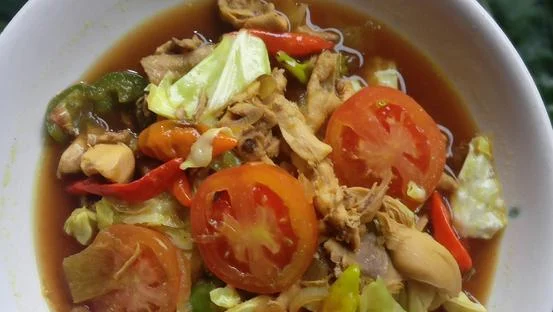
The Indonesian culinary landscape, rich with diverse flavors and traditions, celebrates dishes like Tongseng Ayam, a fragrant and hearty chicken stew known for its distinctive sweet and savory, slightly thickened gravy. Originating from the heart of Central Java, specifically Solo, Tongseng is a testament to the archipelago’s ingenious use of local spices and ingredients, transforming simple poultry into a complex, satisfying meal suitable for various occasions, from a quick office lunch to a cherished home dinner. This beloved dish, while traditionally associated with lamb, has found a versatile and increasingly popular iteration in its chicken form, making it accessible to a broader audience while retaining its authentic Javanese essence.
The Historical Roots and Evolution of Tongseng
Tongseng’s lineage traces back to Solo, a city renowned for its refined Javanese culture and sophisticated cuisine. Historically, Tongseng was almost exclusively prepared with mutton or goat meat (kambing), a preference that stemmed from both cultural practices and the availability of livestock. The name "Tongseng" itself is often speculated to derive from the sound or action of stir-frying (similar to "oseng-oseng" in Indonesian), indicating the fundamental cooking technique involved in its preparation. The traditional kambing tongseng is characterized by its robust flavor, often attributed to the rich, gamey notes of lamb, balanced by an intricate blend of spices and the ubiquitous Javanese sweet soy sauce, kecap manis.
The dish’s evolution reflects broader culinary trends and societal shifts in Indonesia. As communities diversified and dietary preferences evolved, chefs and home cooks began experimenting with alternative proteins. Beef tongseng emerged as a popular variant, offering a different texture and flavor profile while maintaining the core spice blend. However, it is the chicken (ayam) version that has truly democratized the dish, making it a staple in many Indonesian households and eateries. This adaptation underscores the inherent flexibility of Indonesian cuisine, where foundational recipes are often reimagined to suit contemporary tastes, ingredient availability, and health considerations. Culinary historians often point to such adaptations as evidence of a living, evolving food culture that continuously innovates while honoring its heritage.
Dissecting the Flavors: Key Ingredients and Their Roles
The magic of Tongseng Ayam lies in its harmonious blend of ingredients, each contributing to the dish’s signature sweet, savory, and subtly spicy profile. The foundation of the flavor comes from a bumbu halus (fine spice paste), typically consisting of shallots, garlic, ginger, galangal, turmeric, candlenuts, and sometimes a touch of white pepper or coriander. These ingredients are ground into a paste, often using a traditional mortar and pestle (cobek) or a modern food processor, then stir-fried until fragrant. This crucial step, known as menumis, releases the aromatic compounds of the spices, forming the flavor base.
Beyond the bumbu halus, several other components are indispensable:
- Kecap Manis (Sweet Soy Sauce): This is perhaps the most defining ingredient in Javanese cuisine and Tongseng. A thick, syrupy soy sauce sweetened with palm sugar, it imparts a deep, caramelized sweetness and umami richness that is central to the dish’s character. Its dark color also gives Tongseng its distinctive hue.
- Santan (Coconut Milk): Added towards the later stages, coconut milk contributes a creamy texture and a subtle richness, thickening the gravy to its desired consistency. It also helps to mellow the spiciness and bind the flavors together, creating a luxurious mouthfeel.
- Aromatic Leaves and Spices: Lemongrass (serai), kaffir lime leaves (daun jeruk), and bay leaves (daun salam) are often added whole during the stir-frying process, infusing the dish with their fresh, citrusy, and herbaceous notes.
- Fresh Vegetables: Cabbage (kol) and green tomatoes (tomat hijau) are common additions, providing a pleasant crunch, a touch of tanginess, and freshness that cuts through the richness of the gravy. For those who enjoy a fiery kick, a generous amount of sliced bird’s eye chilies (cabai rawit merah) is incorporated, allowing for customizable levels of heat.
- Chicken: Lean and versatile, chicken absorbs the flavors of the spices and sauces beautifully. Typically, boneless chicken thighs or breast are cut into bite-sized pieces, ensuring even cooking and ease of eating.
The interplay of these ingredients creates a complex flavor profile that is both comforting and exciting, a hallmark of well-executed Indonesian cuisine.
The Art of Preparation: A Culinary Journey in 30 Minutes
One of the appealing aspects of Tongseng Ayam, as noted by home cooks and culinary enthusiasts, is its relative ease of preparation and quick cooking time. With an estimated duration of just 30 minutes, it is an ideal meal for busy weekdays or when a flavorful, hearty dish is desired without extensive culinary effort. The process typically begins with preparing the bumbu halus and slicing the additional aromatics and vegetables.
The cooking sequence generally follows these steps:
- Sautéing the Aromatics: The ground spice paste is sautéed in a hot pan with a little oil until fragrant and cooked through, often indicated by the spices separating from the oil. This step is critical for developing deep flavors. Whole aromatics like lemongrass, kaffir lime leaves, and bay leaves are often added at this stage.
- Adding the Chicken: Chicken pieces are introduced and stir-fried until they are lightly browned and sealed, absorbing the initial flavors of the spice paste.
- Building the Gravy: Water or chicken stock is added, followed by a generous pour of kecap manis. The mixture is brought to a simmer, allowing the chicken to cook through and the flavors to meld.
- Enriching with Coconut Milk and Vegetables: Coconut milk is stirred in, bringing the gravy to its desired creamy consistency. Finally, the sliced cabbage, green tomatoes, and chilies are added, cooked briefly until just tender-crisp, ensuring they retain their texture and freshness.
- Final Seasoning: A taste test allows for adjustments to salt, sugar, and kecap manis to achieve the perfect balance of sweet, savory, and spicy notes.
This methodical approach ensures that each ingredient contributes optimally to the final dish, resulting in a rich, multi-layered flavor experience that is both authentic and deeply satisfying.
Nutritional Profile and Dietary Considerations
From a nutritional standpoint, Tongseng Ayam offers a balanced meal, particularly when served with a side of steamed white rice. Chicken, especially lean cuts like breast, provides an excellent source of protein, essential for muscle repair and growth. The inclusion of various spices not only enhances flavor but also offers potential health benefits; for instance, turmeric is known for its anti-inflammatory properties, while garlic and ginger are recognized for their immune-boosting qualities.
The vegetables—cabbage and green tomatoes—contribute dietary fiber, vitamins (such as Vitamin C and K), and minerals. While coconut milk adds richness and flavor, it also contributes saturated fats. However, in moderation, it can be part of a healthy diet. For those conscious of calorie or fat intake, adjustments can be made by using lighter coconut milk, reducing the amount of kecap manis (which contains sugar), or increasing the proportion of vegetables. Compared to its lamb counterpart, chicken tongseng generally offers a leaner protein option, making it a favorable choice for those monitoring their red meat consumption. Culinary experts often suggest pairing Tongseng Ayam with a fresh side salad or a clear vegetable soup to further enhance its nutritional completeness.
Cultural Significance and Broader Impact
Tongseng, in all its variations, holds a significant place in Indonesian culinary culture. It is not merely a dish but a symbol of communal dining, hospitality, and the enduring legacy of Javanese culinary traditions. Its presence is ubiquitous, found in bustling street-side warungs (food stalls), modest home kitchens, and upscale Indonesian restaurants alike. This widespread appeal speaks to its versatility and its ability to resonate with diverse palates across different socio-economic strata.
The dish also serves as an ambassador for Indonesian cuisine globally. As Indonesian food gains increasing international recognition, dishes like Tongseng are at the forefront of this culinary diplomacy. Its complex yet approachable flavors, combined with its relatively straightforward preparation, make it an attractive option for those exploring Southeast Asian cuisine. Local chefs and food advocates actively promote these traditional dishes, emphasizing the use of authentic Indonesian spices and techniques to preserve their cultural integrity. The growing interest in home cooking and authentic ethnic foods has further fueled the popularity of Tongseng Ayam, encouraging more people to explore the rich tapestry of Indonesian flavors.
The video "Menikmati Masakan Rumahan Enak Khas Jatim di Kuluk Kuluk Rumahan," while specifically highlighting East Javanese home cooking, broadly encapsulates the spirit of Indonesian culinary heritage that Tongseng embodies. It speaks to the value placed on traditional recipes, the comfort derived from home-cooked meals, and the regional diversity that makes Indonesian food so captivating. Tongseng, originating from Central Java, contributes to this narrative, showcasing how distinct regional flavors and cooking styles collectively form the rich mosaic of Indonesia’s national cuisine. This emphasis on regional specialties and home-style cooking underscores a broader movement to celebrate and preserve culinary traditions against the backdrop of globalization.
Economic and Culinary Implications
The popularity of Tongseng Ayam has tangible economic and culinary implications. Locally, it supports the agricultural sector by creating demand for fresh produce such as chilies, cabbage, tomatoes, and the myriad of spices used in its preparation. Small-scale farmers and spice traders benefit directly from this consistent demand. For small and medium-sized enterprises (SMEs) in the food sector, Tongseng represents a viable business opportunity, with numerous eateries specializing in this dish, contributing to local economies and employment.
From a culinary innovation perspective, Tongseng provides a canvas for creativity. While the classic recipe is highly cherished, contemporary chefs are exploring fusion versions, incorporating elements from other cuisines or presenting the dish in novel ways to appeal to modern diners. This balance between tradition and innovation is crucial for keeping a culinary heritage vibrant and relevant. Furthermore, the accessibility of chicken as a protein source means Tongseng Ayam can be scaled for larger production, potentially reaching wider markets and contributing to the broader food industry.
Future Prospects and Global Recognition
As Indonesian cuisine continues to make inroads into the global culinary scene, dishes like Tongseng Ayam are poised for even greater recognition. Its adaptability, flavorful profile, and relatively easy preparation make it a strong candidate for international appeal. Efforts to promote Indonesian food through culinary festivals, cooking classes, and media coverage play a vital role in elevating its status. Food critics and international chefs who have experienced authentic Tongseng often praise its depth of flavor and the skillful balance of sweet, savory, and spicy elements.
The ongoing global dialogue about sustainable and ethnically diverse food options also positions Tongseng favorably. Its reliance on fresh, local ingredients and its ability to be adapted to various dietary preferences (e.g., making it vegetarian with tofu/tempeh or adjusting spice levels) enhance its appeal to a health-conscious and globally aware consumer base. The future of Tongseng, particularly its chicken variant, appears bright, destined to continue delighting palates both within Indonesia and across the world, standing as a proud representative of the nation’s rich and dynamic culinary heritage.
In conclusion, Tongseng Ayam is more than just a recipe; it is a cultural artifact, a testament to culinary adaptability, and a beloved staple in Indonesian homes. Its evolution from a traditional lamb dish to a popular chicken variant reflects the dynamism of Indonesian food culture, capable of embracing change while staying true to its flavorful roots. With its harmonious blend of spices, sweet soy sauce, and fresh vegetables, Tongseng Ayam offers a deeply satisfying gastronomic experience, affirming its place as a cherished jewel in Indonesia’s diverse culinary crown.