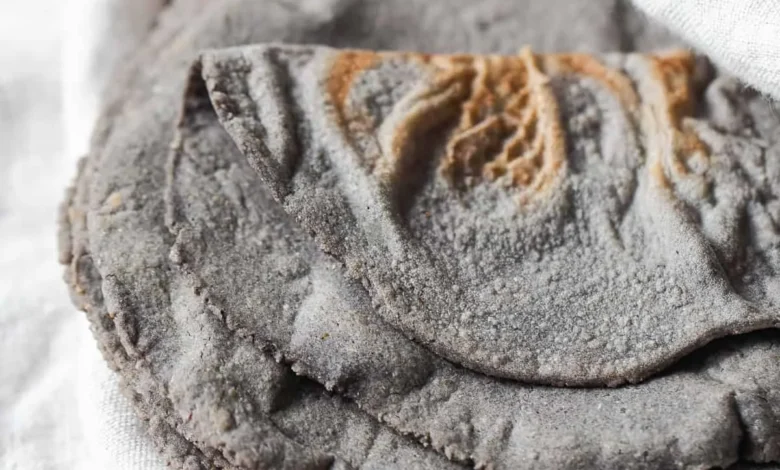
The resurgence of blue corn in the contemporary culinary landscape marks a significant shift in how consumers perceive traditional Mexican staples. While white and yellow corn varieties have dominated the commercial market for decades, blue corn—or maíz azul—is experiencing a surge in popularity among home cooks and professional chefs alike. This rise is attributed not only to its distinct, nutty flavor profile but also to an increasing consumer interest in the heritage, nutritional density, and agricultural history of ancient crops.
The Science and History of Nixtamalization
To understand the blue corn tortilla, one must first understand the process of nixtamalization. This ancient Mesoamerican technique involves cooking and soaking dried corn kernels in an alkaline solution, typically lime (calcium hydroxide) and water. This chemical reaction is transformative; it removes the pericarp (the outer skin of the kernel), increases the bioavailability of essential nutrients like niacin, and alters the proteins to allow for the creation of cohesive, pliable dough, known as masa.
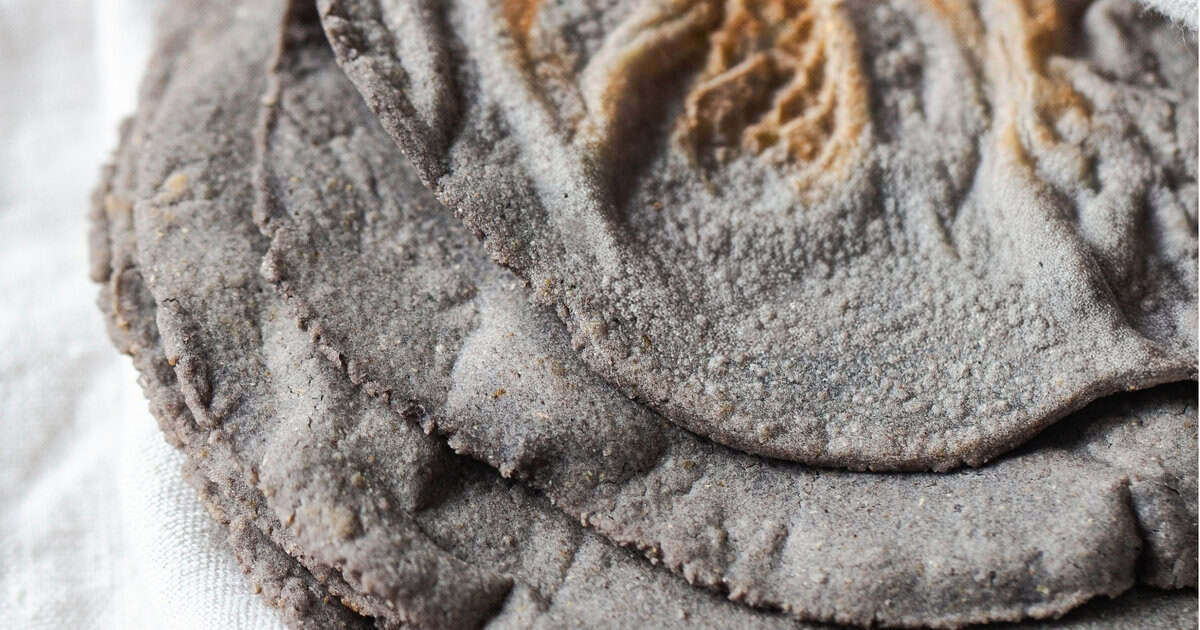
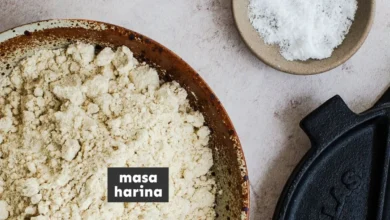
While the fundamental process remains consistent across all corn varieties, blue corn masa harina is derived specifically from heirloom blue corn strains. The striking, deep indigo color of these kernels is entirely natural, resulting from high concentrations of anthocyanins. These are the same water-soluble pigments found in blueberries, blackberries, and purple cabbage, known for their potent antioxidant properties. Unlike commercial food dyes, the coloration in blue masa is an intrinsic characteristic of the grain’s genetic profile.
Comparative Nutritional Analysis
Nutritionally, blue corn distinguishes itself from its white and yellow counterparts through a superior chemical composition. According to recent agricultural research, blue corn varieties often exhibit a higher protein content, frequently exceeding standard field corn by 15% to 20%.
Furthermore, the presence of anthocyanins provides a distinct metabolic advantage. Studies suggest that these pigments may assist in reducing inflammation and improving glucose regulation, which explains why blue corn products often carry a lower glycemic index (GI) compared to those made from white corn. For consumers prioritizing health-conscious dietary choices without sacrificing traditional textures, the blue corn tortilla offers a functional alternative that aligns with modern nutritional standards.
Regional Origins and Cultural Significance
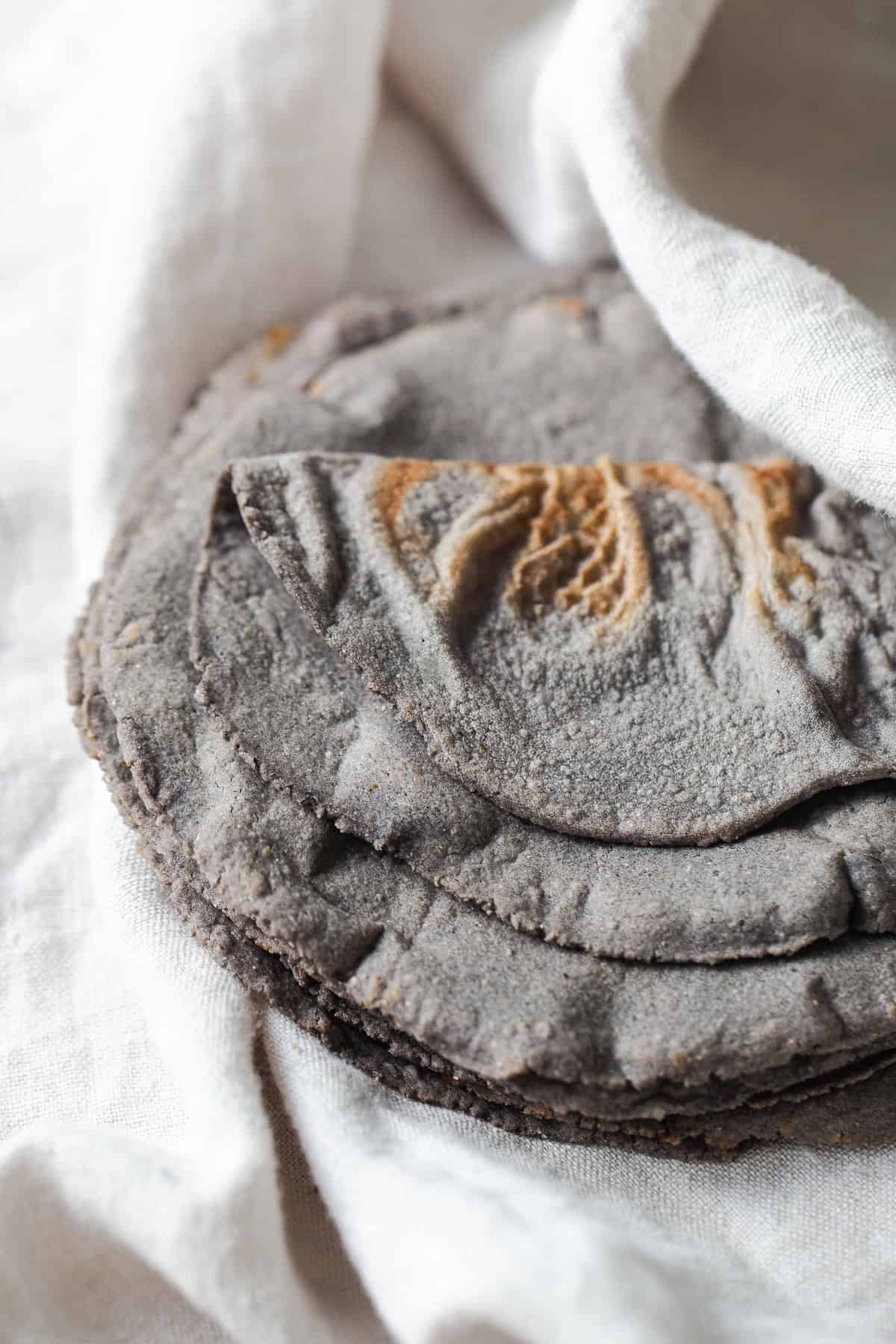
The prevalence of blue corn in traditional Mexican cooking is deeply tied to geography. While northern regions of Mexico have historically favored white and yellow corn for their specific flavor profiles and yield characteristics, the central and southern regions—most notably the states of Mexico, Tlaxcala, and Puebla—have long championed blue corn.
In these regions, blue corn is not merely an ingredient; it is a cultural marker. It is a staple in local markets and traditional dishes like tlacoyos, huitlacoche quesadillas, and atole. The current global interest in blue corn reflects a broader movement toward preserving biodiversity in agriculture. By driving demand for these specific, often open-pollinated varieties, the international market supports smallholder farmers who maintain these genetic lines, effectively protecting the agricultural heritage of the Mexican highlands.
Technical Preparation: Mastering the Dough
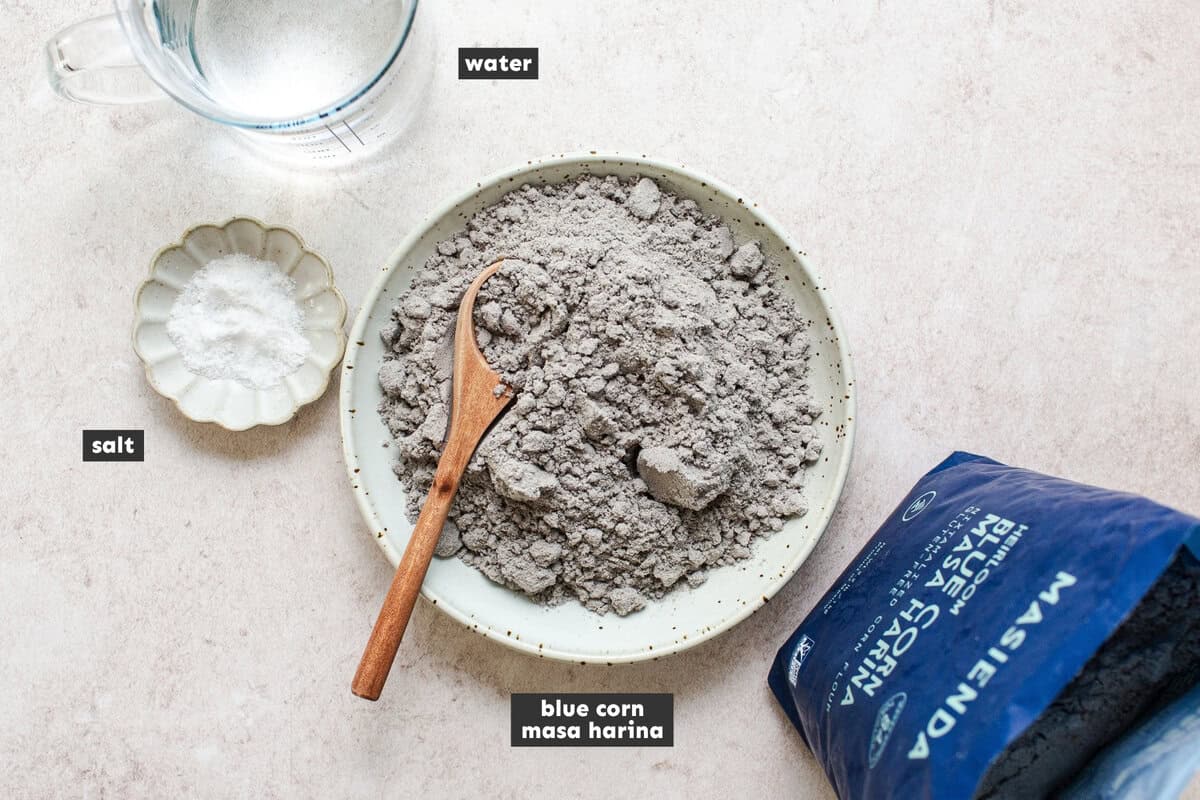
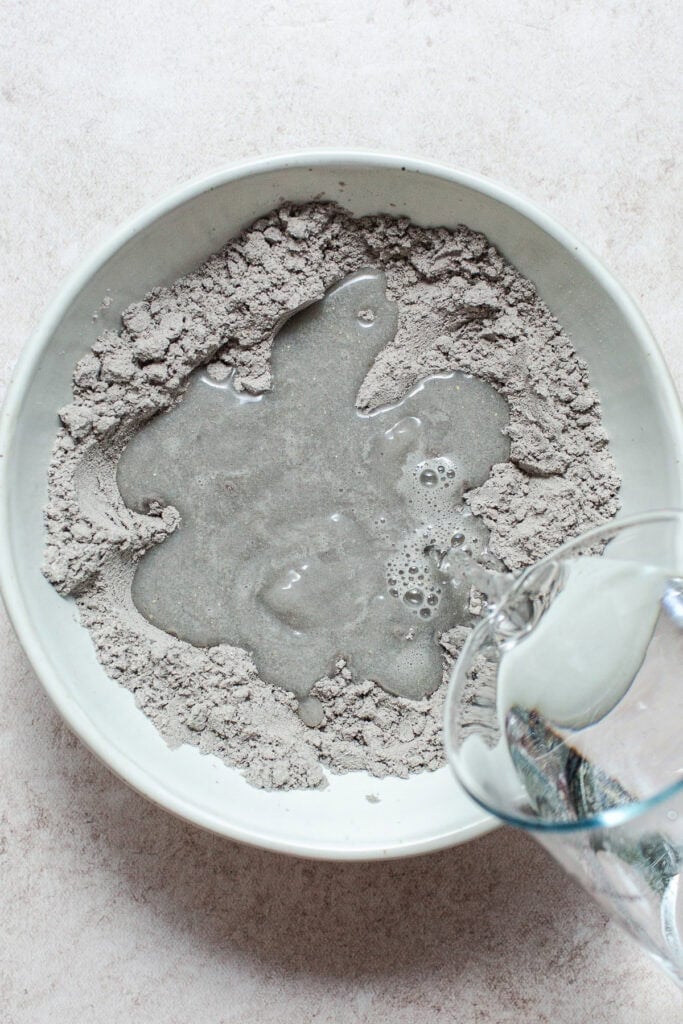
The transition from purchasing pre-packaged tortillas to producing them from masa harina is a task requiring precision. The preparation of blue corn tortillas typically requires only three ingredients: blue corn masa harina, fine sea salt, and tempered, warm water.

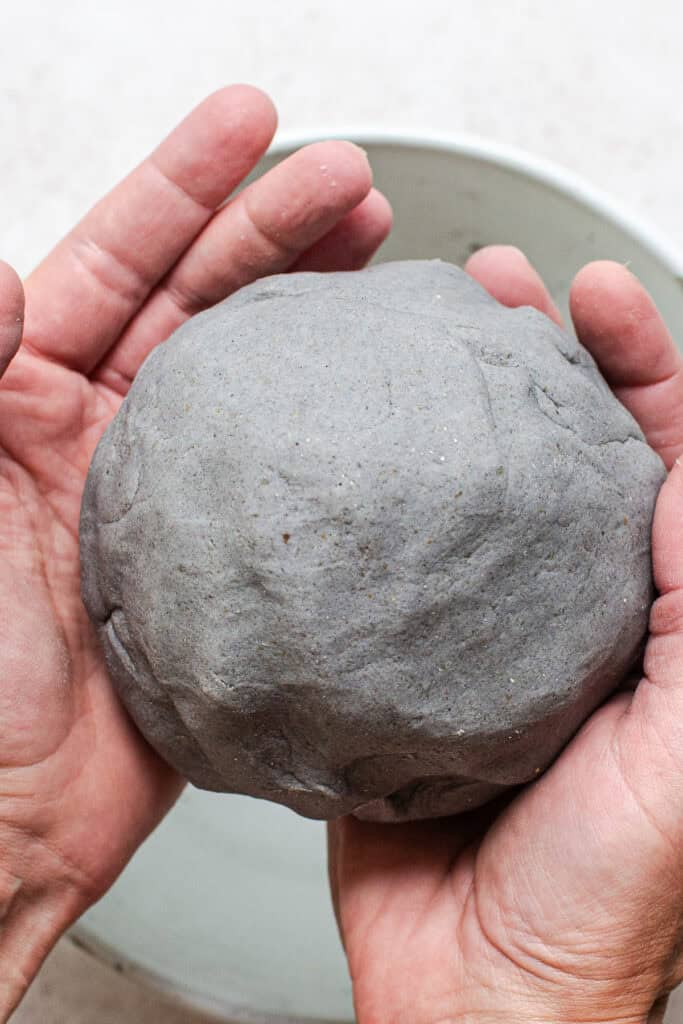
The hydration phase is the most critical step in the process. Because blue corn masa can behave slightly differently than white masa—often absorbing water at a different rate due to its starch composition—the cook must achieve a specific texture. The dough should feel like soft clay, pliable enough to flatten without cracking at the edges. If the dough exhibits fissures during the pressing process, it is a clear indication of insufficient hydration. A standard ratio typically begins with a 1:1 cup measurement of masa to water, adjusted incrementally by the tablespoon until the desired elasticity is reached.
Culinary Versatility and Market Integration
From a professional standpoint, the versatility of blue corn is significant. Its flavor profile—often described as "earthier" and more savory—complements a wide array of proteins and fats. It pairs exceptionally well with fatty ingredients like avocado, pork carnitas, or rich moles, as the intensity of the corn flavor can stand up to complex, bold seasonings.
Beyond the standard taco, the utility of blue corn masa extends into a variety of regional preparations. Chefs have successfully utilized the dough for gorditas, sopes, and huaraches, as well as modern innovations like corn-based biscuits. Because the structural integrity of the masa is identical to white or yellow corn, the transition requires no modification to existing recipes, making it an accessible point of entry for those looking to diversify their culinary repertoire.
Addressing Common Technical Failures
In both home and commercial kitchens, the most common failure point in tortilla production is the "cracking" phenomenon. This occurs when the moisture content is too low, preventing the proteins from binding effectively during the brief, high-heat cooking phase.
Experts emphasize that the temperature of the skillet—or comal—is equally critical. A surface that is too cool will result in a dry, brittle tortilla, whereas a surface that is too hot will sear the exterior before the interior has had a chance to steam and puff. The ideal temperature range typically hovers between 350°F and 400°F. When prepared correctly, a blue corn tortilla should exhibit a distinct "puff," a sign that the moisture has converted to steam, resulting in a light, airy center protected by a firm, toasted exterior.
Storage and Shelf-Life Considerations
For consumers accustomed to the long shelf life of commercially processed, preservative-laden tortillas, fresh blue corn tortillas present a different logistical challenge. Without additives, these tortillas are best consumed immediately upon cooking. However, for those preparing in advance, proper storage is paramount.
Tortillas should be cooled to room temperature before being placed in an airtight container or a heavy-duty freezer bag. If refrigerated, they remain viable for approximately three to five days; however, they will naturally lose moisture and flexibility. To restore the texture, a brief, high-heat exposure on a flat-top grill or skillet is the recommended method. Reheating in a microwave is generally discouraged, as the uneven distribution of heat can cause the starch to harden, resulting in a rubbery texture.
Economic and Environmental Implications
The move toward blue corn is not purely aesthetic or gustatory; it is part of a larger, systemic shift toward sustainable food systems. As climate change continues to impact global grain production, the resilience of heirloom corn varieties—many of which have been adapted over centuries to specific micro-climates—becomes an asset to food security.
Furthermore, the rise of the "tortilla industry" within the artisan food sector has provided a new revenue stream for traditional millers. As consumers increasingly demand transparency in their supply chains, the ability to trace the origin of the corn used in a bag of masa harina has become a competitive advantage for producers. This transparency encourages more ethical trade practices and ensures that the financial benefits of the blue corn "trend" are shared with the farming communities that have cultivated the grain for generations.
Conclusion
The blue corn tortilla stands as a testament to the intersection of tradition and innovation. By blending the ancient practice of nixtamalization with the distinct, nutrient-dense profile of heirloom blue corn, cooks can create a product that is both culturally significant and nutritionally superior. As the market continues to evolve, the continued integration of blue corn into mainstream pantries serves as a bridge between the culinary past and a more diversified, sustainable future. Whether utilized in simple street tacos or refined modern dishes, the blue corn tortilla remains a fundamental pillar of authentic flavor and nutritional integrity.
Related posts: