The Cultural and Culinary Significance of Calabaza en Tacha: A Deep Dive into Mexico’s Time-Honored Autumn Tradition

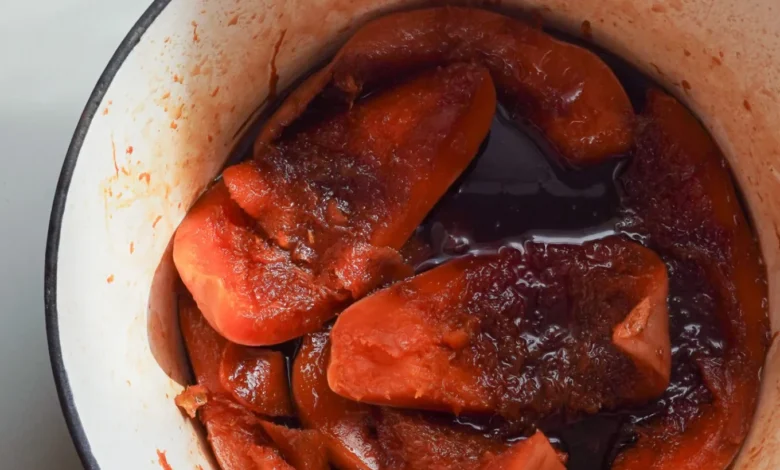
Every autumn, as a crisp breeze begins to sweep across Mexico, markets and home kitchens undergo a vibrant seasonal transformation. Among the most iconic markers of this period is the ubiquitous appearance of thick, deeply golden rebanadas de calabaza—pumpkin slices—slow-simmered in an aromatic, bubbling cauldron of unrefined cane sugar and fragrant spices. Known traditionally as calabaza en tacha, this candied pumpkin dessert is far more than a simple seasonal treat; it is a profound culinary artifact deeply embedded in the cultural heritage, agricultural history, and spiritual observances of Mexico, most notably during the nationwide celebrations of Día de los Muertos (Day of the Dead).
Historical Roots and Indigenous Origins
To understand the enduring popularity of calabaza en tacha, one must examine its deep historical roots, which stretch back deep into Mesoamerican history. Long before the arrival of Spanish conquistadors, indigenous communities across what is now Mexico cultivated various species of squash (Cucurbita spp.) as part of the foundational agricultural trio known as the "Three Sisters," which also included maize and climbing beans. These crops formed the nutritional and economic backbone of pre-Hispanic civilizations, celebrated for their resilience, rich caloric content, and ability to thrive in symbiotic agricultural ecosystems.
Following the Spanish conquest in the 16th century, European culinary traditions merged with indigenous ingredients. The introduction of sugarcane revolutionized regional diets, leading to the creation of piloncillo—cone-shaped, unrefined whole cane sugar that retains its rich molasses flavor. Indigenous squashes, previously baked, boiled, or stewed in savory preparations, began to be preserved and cooked down in thick syrups flavored with introduced spices such as true cinnamon (Cinnamomum verum) and star anise, alongside native flavors like orange peel.
The name "tacha" itself originates from the colonial era, referencing the large copper vats—known as tachos—that were historically used in sugar mills to boil down sugarcane juice. Over generations, the large vats used to candy massive quantities of pumpkin for local festivals and religious observances lent their name to the finished dish.
Culinary Craftsmanship: The Art of Slow Cooking
While modern commercial dessert preparations often emphasize speed and convenience, traditional calabaza en tacha remains a testament to the virtues of patience and slow cooking. Culinary historian and recipe developer Alejandra Graf notes that the preparation relies heavily on minimal intervention, allowing the physics of gentle heat and osmosis to transform raw, fibrous squash into a glistening, translucent delicacy.
The process typically begins with large-fruited winter squashes, such as calabaza de castilla or locally adapted varieties of butternut and pumpkin, which feature thick, pale beige rinds and intensely bright orange flesh. The squash is chopped into large, manageable chunks or wedges, retaining the seeds and fibrous core in many traditional methods to impart extra body and flavor to the cooking liquid.
These wedges are layered into heavy-bottomed pots or traditional copper casedos alongside massive cones of piloncillo, cinnamon sticks, cloves, and sometimes strips of fresh citrus peel. As the heat builds, the piloncillo dissolves into a rich, dark liquid, while the natural moisture of the pumpkin releases into the pot. Over the course of approximately one hour to ninety minutes, the simmering syrup penetrates the dense cellular structure of the squash, caramelizing the natural sugars and yielding tender pieces that are simultaneously firm enough to hold their shape and meltingly soft on the palate.
Cultural Integration into Día de los Muertos
The peak preparation period for calabaza en tacha directly coincides with the late-October lead-up to Día de los Muertos, celebrated annually on November 1st and 2nd. During this sacred period, families across Mexico construct elaborate ofrendas (altars) in their homes and public spaces to welcome the returning souls of deceased loved ones.

Food plays a central role in these rituals, acting as a sensory bridge between the mortal world and the spiritual realm. Calabaza en tacha occupies a place of honor on the altar, situated alongside traditional items like pan de muerto (bread of the dead), fresh marigold flowers (cempasúchil), copal incense, and photographs of the departed. Anthropologists note that the inclusion of seasonal fruits and squash on the altar historically celebrated the autumn harvest, thanking ancestral spirits and earth deities for agricultural abundance before the onset of the leaner winter months.
Beyond its ritual placement, the dish serves a practical domestic function during the multi-day festivities. Because the high concentration of sugar acts as a natural preservative, calabaza en tacha can be stored safely in household refrigerators for up to a week without spoiling. This made it an ideal pantry staple for families hosting visiting relatives or participating in extended community celebrations.
Nutritional Profile and Modern Dietary Adaptations
From a nutritional perspective, calabaza en tacha offers a complex profile typical of traditional whole-food preparations. Standard nutritional breakdowns for a single standard serving (approximately one wedge with accompanying syrup) indicate an energy content of roughly 267 kilocalories. While the dish is notably high in carbohydrates (approximately 59 grams) and natural sugars (around 45 grams) due to the piloncillo reduction, it also provides significant dietary fiber (3 grams) and modest amounts of protein (4 grams).

Crucially, winter squashes are exceptionally rich micronutrient powerhouses. A single serving can supply massive quantities of Vitamin A—often exceeding several hundred percent of the recommended daily intake—primarily driven by high concentrations of beta-carotene, an essential antioxidant. Additionally, the dish delivers notable levels of Vitamin C (around 42 milligrams), potassium (approximately 1,200 milligrams per serving), calcium, and iron.
In recent years, contemporary home cooks and culinary professionals have begun experimenting with modern serving variations while honoring the core traditional flavor profile. While historical preparations from regions such as Mexico City typically feature the candied pumpkin served plainly in its own concentrated syrup, modern adaptations often incorporate accompaniments. These include toasted and chopped nuts, coconut-based whipped creams, or cold pours of traditional dairy milk, almond milk, and horchata de almendra to balance the intense sweetness of the spiced molasses syrup.
Broader Economic and Agricultural Implications
The seasonal surge in demand for suitable squash varieties also highlights vital economic linkages within Mexico’s agricultural sector. Small- and medium-scale farmers across central and southern states dedicate significant acreage to cultivating heritage squashes specifically harvested for the autumn holiday season. Agricultural economists observe that traditional holiday demand provides a crucial annual economic boost for rural farming communities, helping to preserve agrobiodiversity by maintaining the cultivation of native heirloom crop varieties that might otherwise be displaced by uniform commercial produce.

Furthermore, the rising global interest in authentic Mexican gastronomy has propelled traditional sweets like calabaza en tacha beyond domestic borders. Food cultural exchange programs, international culinary tourism, and digital recipe platforms have introduced the technique to global audiences, positioning the dish not merely as a localized holiday food, but as a sophisticated, plant-based culinary masterpiece rooted in sustainable, historic agricultural practices.
As modern life accelerates, the deliberate, unhurried preparation of calabaza en tacha serves as a culinary anchor, reminding practitioners of the value of ancestral wisdom, seasonal eating, and the enduring power of food to connect generations past and present.