Air Fryer Mofongo Video Recipe Offers Lighter Take on Caribbean Classic Without Oil Splatters

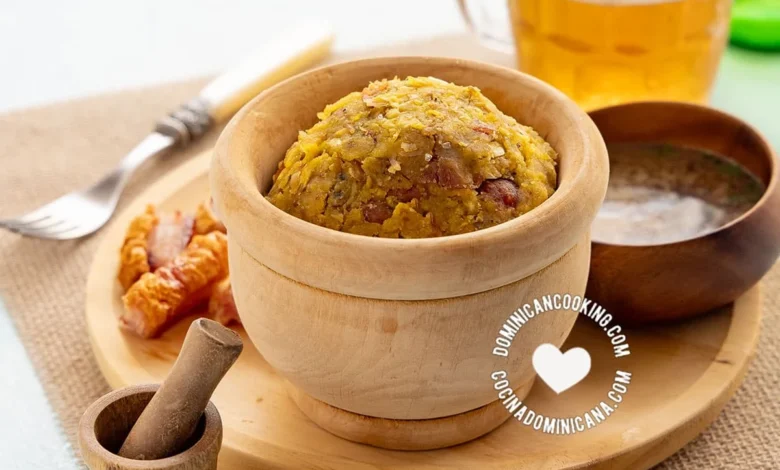
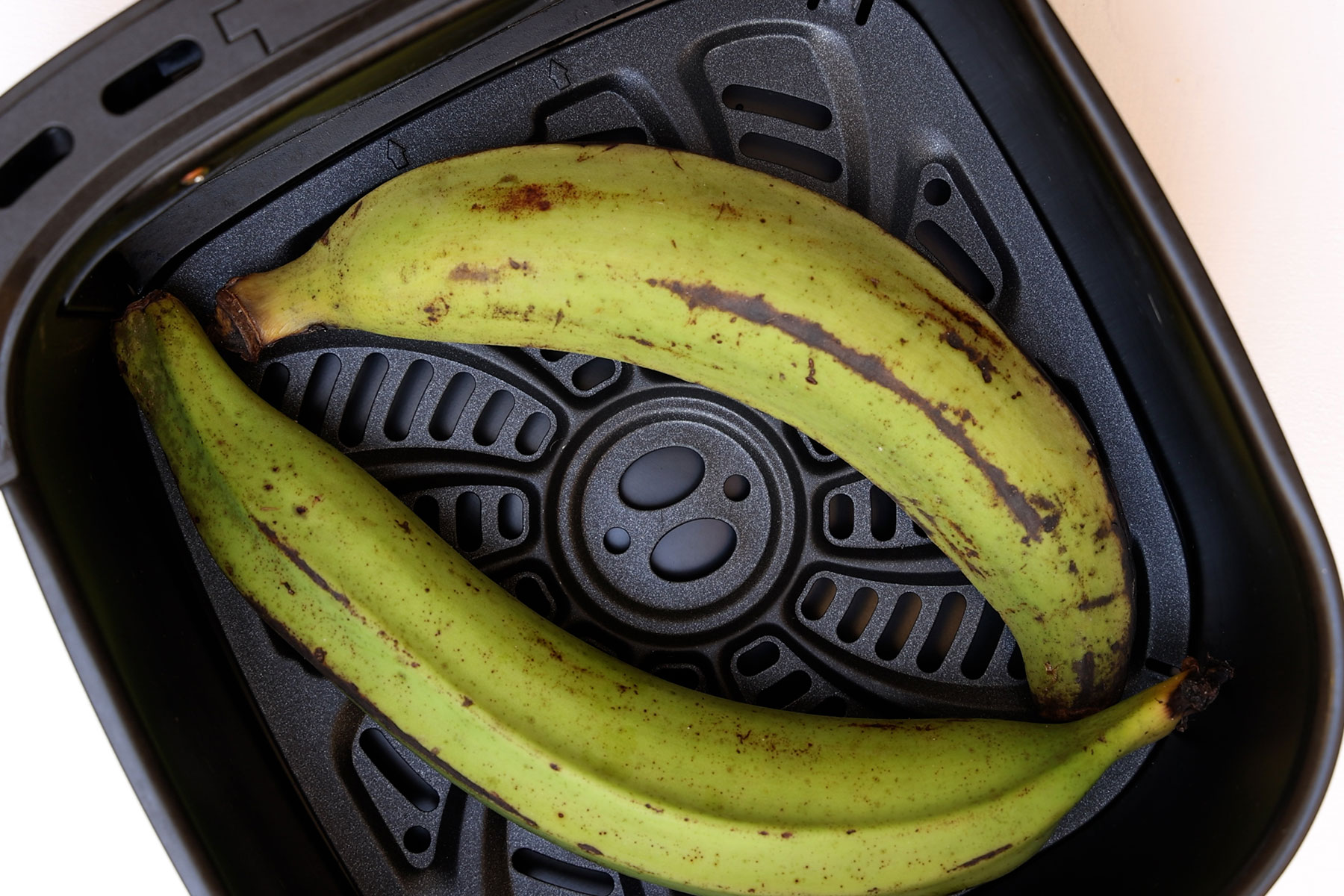
The culinary landscape of Caribbean cuisine is undergoing a quiet revolution as home cooks and professional chefs alike seek innovative ways to preserve traditional flavor profiles while adapting to modern health-conscious lifestyles. Among the latest adaptations gaining traction across digital cooking platforms is a modernized approach to mofongo, a beloved staple rooted in Dominican and Puerto Rican culinary traditions. Developed by culinary creator Clara Gonzalez of Dominican Cooking, a newly released video recipe demonstrates how the ubiquitous kitchen appliance—the air fryer—can successfully transform green plantains into a lighter, less labor-intensive version of the iconic dish.
Mofongo historically holds a revered place in Caribbean gastronomy. Characterized by its dense texture, savory umami undertones, and prominent garlic infusion, the dish traditionally features green plantains that are peeled, sliced, fried until tender, and subsequently mashed in a traditional wooden mortar and pestle—known as a pilón—alongside chicharrón (crispy pork skin), garlic, and broth or oil. While deep-frying remains the most prevalent method of preparation in both Dominican and Puerto Rican households, it carries distinct drawbacks that modern consumers increasingly wish to avoid. High caloric density and the burdensome cleanup associated with splattering cooking oil have prompted a search for alternative techniques.
The newly introduced air fryer adaptation draws inspiration from historical precedents rather than a complete departure from tradition. Culinary historians note that early iterations of Caribbean mofongo occasionally utilized roasted plantains rather than fried ones, a technique paralleling the preparation methods used for sweet potatoes and other root vegetables in the region. By substituting deep-frying with air-frying technology, home cooks are able to replicate the essential tenderness and exterior texture of the plantains while drastically minimizing the volume of added fats.

According to nutritional data accompanying the recipe, a standard serving of the air-fried variation yields approximately 690 kilocalories, paired with 58 grams of carbohydrates, 37 grams of protein, and 36 grams of fat. Preparation and cooking timelines are streamlined to accommodate contemporary schedules, requiring roughly 15 minutes of active preparation time and 35 minutes of thermal processing, bringing the total time investment to approximately 50 minutes for a yield of four servings.
The integration of air fryers into traditional Caribbean cooking reflects a broader global trend in kitchen automation. Over the past decade, air fryers have transitioned from novelty kitchen gadgets to essential household appliances across Latin America and diaspora communities in North America. Culinary analysts observe that this technological shift allows cultural staples to survive in fast-paced modern environments where traditional, time-intensive cooking methods are less frequently practiced. By bridging ancestral flavors with contemporary cooking hardware, platforms like Dominican Cooking are effectively lowering the barrier to entry for novice cooks interested in heritage cuisine.
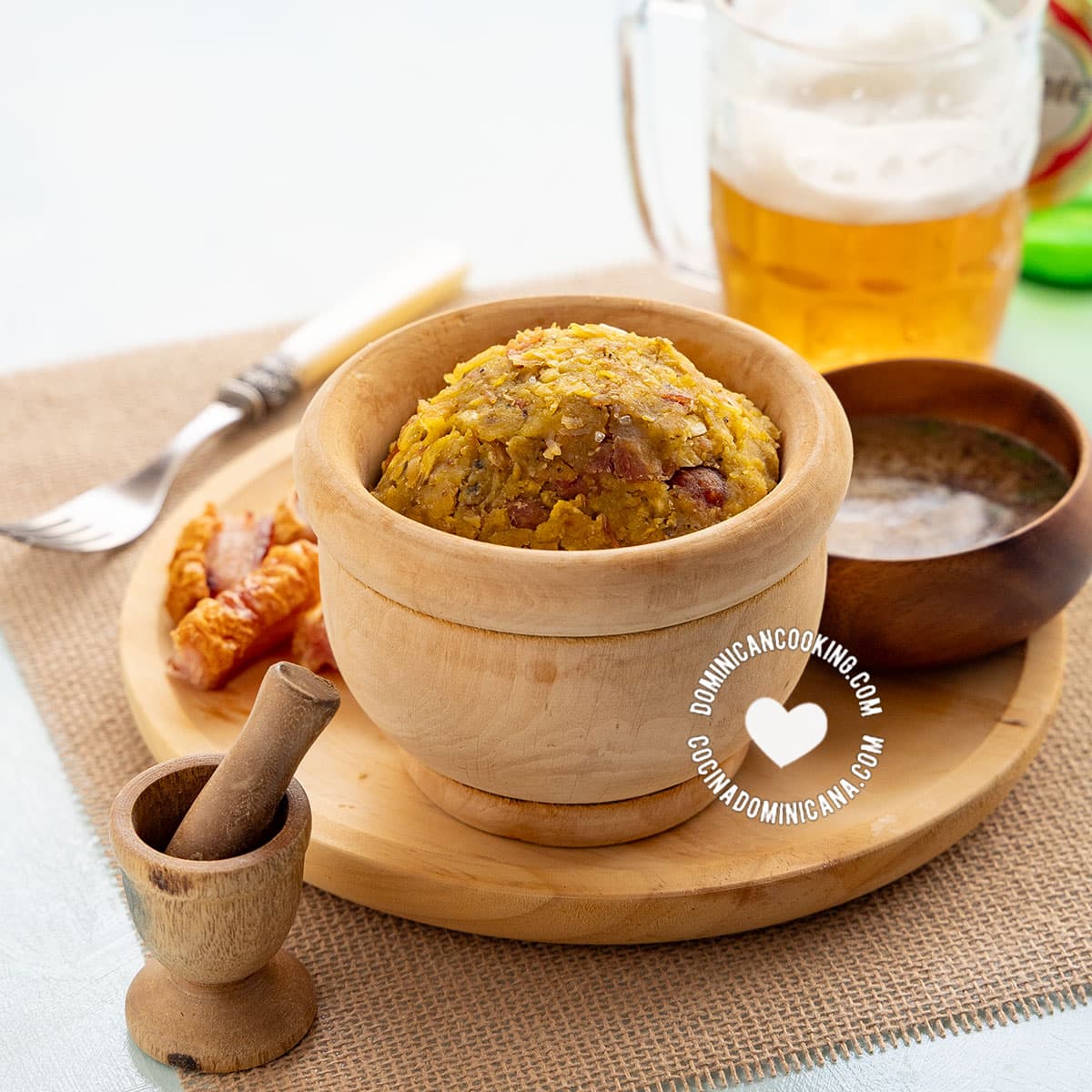
Reactions from the culinary community and home cooking enthusiasts have underscored the practical appeal of the adaptation. Digital metrics surrounding plantain-based recipes—ranging from traditional mofongo and mangú to tostones and pastelón—indicate sustained consumer interest in heritage foods that offer nutritional flexibility. For culinary creators, the challenge lies in maintaining sensory authenticity—specifically the characteristic interplay of crisp exterior edges, dense starch, and aromatic garlic—without relying on traditional immersion frying.
Beyond the immediate kitchen benefits, the proliferation of air-fried Caribbean recipes speaks to the evolution of regional diasporic foodways. As second- and third-generation cooks navigate urban kitchens often constrained by space and ventilation limits, adaptations that eliminate smoke and excessive grease make frequent preparation of complex dishes far more viable. Furthermore, public health initiatives across the Caribbean and the United States have increasingly emphasized the reduction of saturated fats and high-calorie diets, aligning traditional recipe modifications with broader nutritional guidelines.
The release of the air fryer mofongo tutorial also highlights the growing digital infrastructure supporting Caribbean gastronomy online. Through platforms that combine video demonstrations with precise ingredient metrics and nutritional breakdowns, regional recipes are reaching international audiences while simultaneously providing diaspora communities with accessible connections to their culinary heritage. As cooking appliance technology continues to evolve, further adaptations of traditional criollo dishes are anticipated, signaling a dynamic future for Caribbean cuisine where heritage and modern convenience successfully intersect.