Crispy Salmon Bites Sushi Bowls Deliver Restaurant-Quality Asian-Inspired Dining Straight to the Home Kitchen

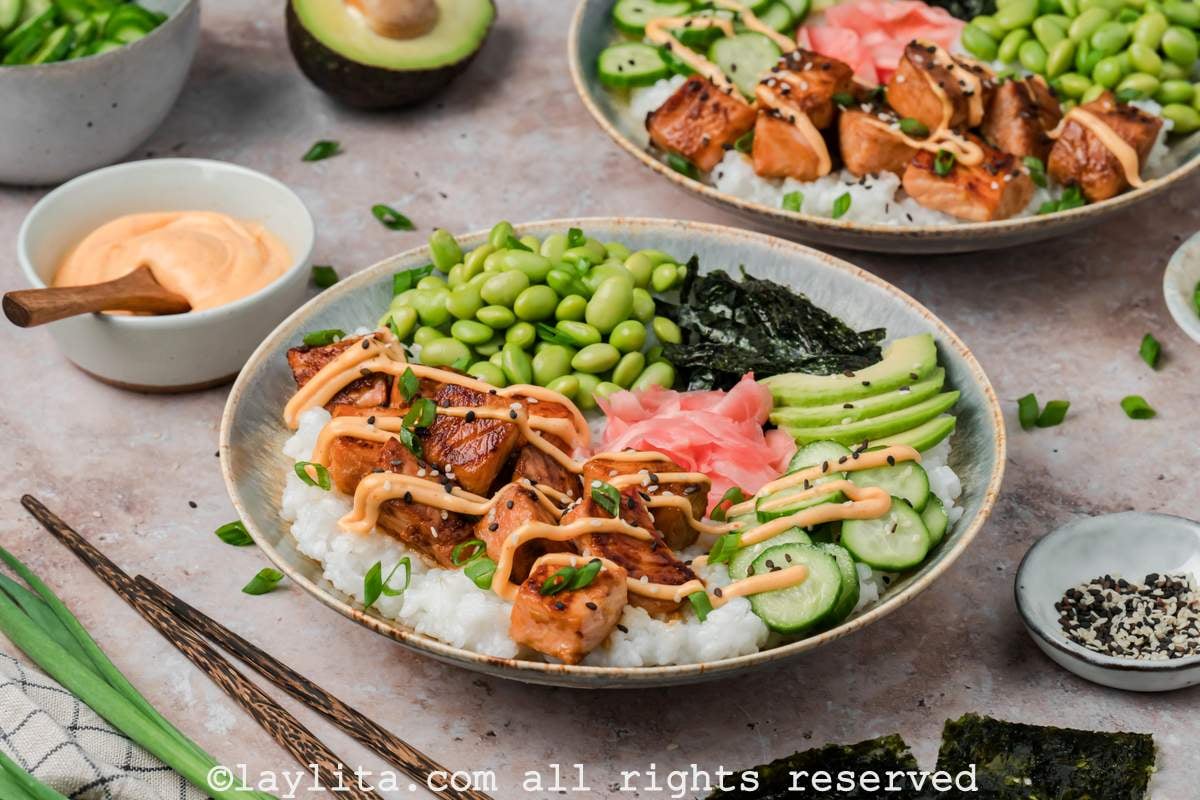
The culinary landscape has undergone a significant transformation in recent years, heavily influenced by the rise of social media food culture and a growing consumer demand for restaurant-quality meals that can be executed efficiently at home. Among the latest trends capturing the attention of home cooks and gastronomy enthusiasts alike is the crispy salmon bites sushi bowl. This deconstructed dish successfully encapsulates the complex flavor profiles and aesthetic appeal of traditional sushi rolls while entirely eliminating the technical barriers typically associated with Japanese cuisine, such as the use of bamboo rolling mats and precise knife skills.
Culinary Evolution and Background Context
The popularity of sushi bowls—often referred to as poke bowls or chirashizushi-inspired formats—surged internationally over the past decade. Food historians and culinary analysts trace this shift to a broader movement toward casualization in dining, where consumers seek the vibrant flavors of high-end establishments packaged in approachable, comforting formats.
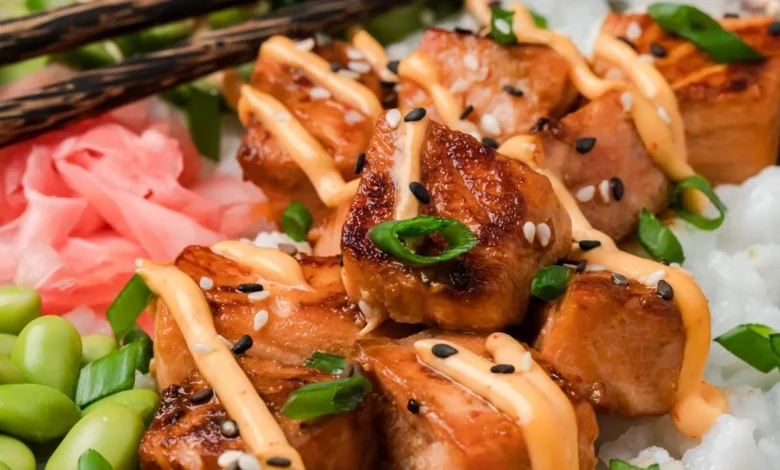
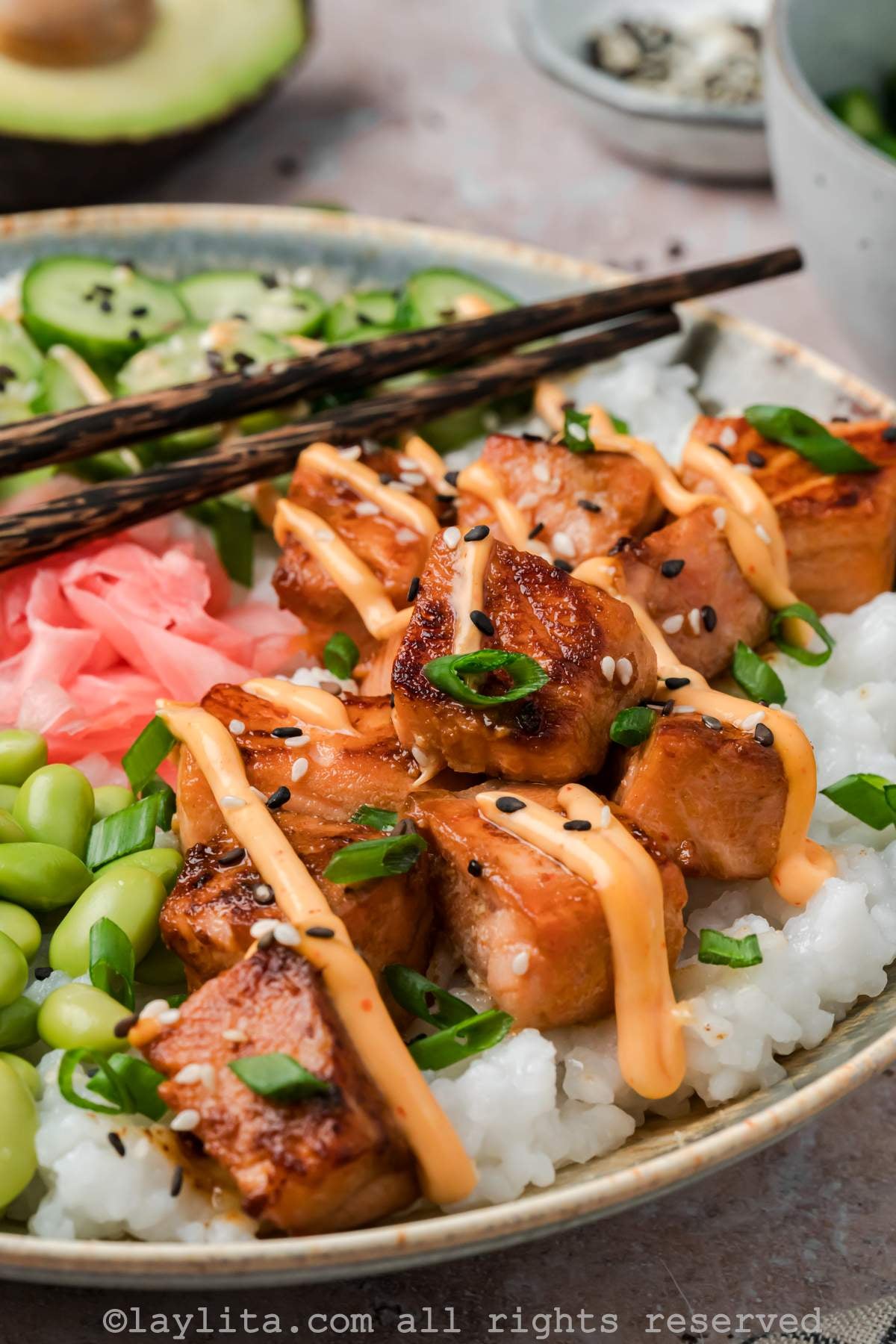
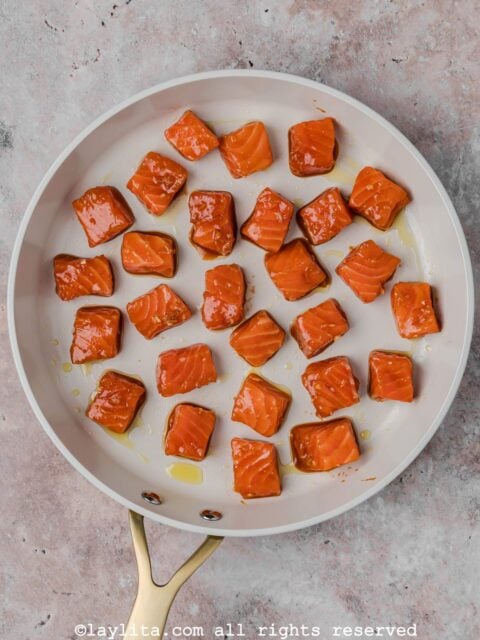
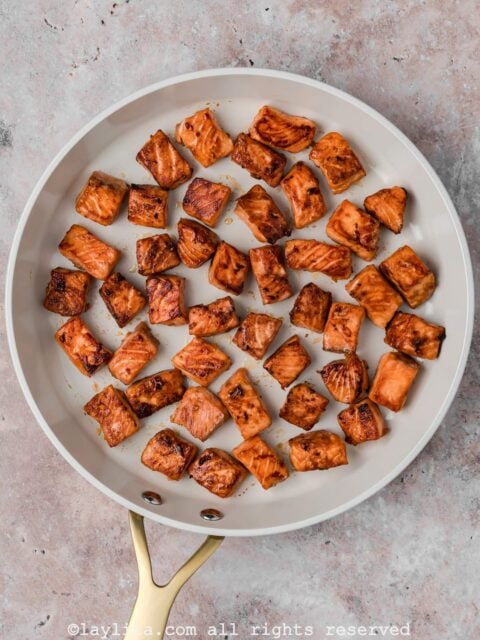
The introduction of crispy salmon bites into this specific bowl configuration marks a distinct evolution. While traditional sushi formats frequently rely on raw fish, the adaptation toward cooked, pan-seared, and caramelized salmon addresses both dietary preferences and food safety comfort levels for a wider demographic. Food trend analysts note that recipes featuring bite-sized proteins have experienced a massive surge in digital engagement due to their visual appeal and ease of preparation. By cutting the salmon into uniform cubes, home cooks maximize the surface area exposed to heat, resulting in a desirable textural contrast: a crispy, caramelized exterior paired with a tender, moist interior.
Anatomy of the Dish: Ingredients and Preparation
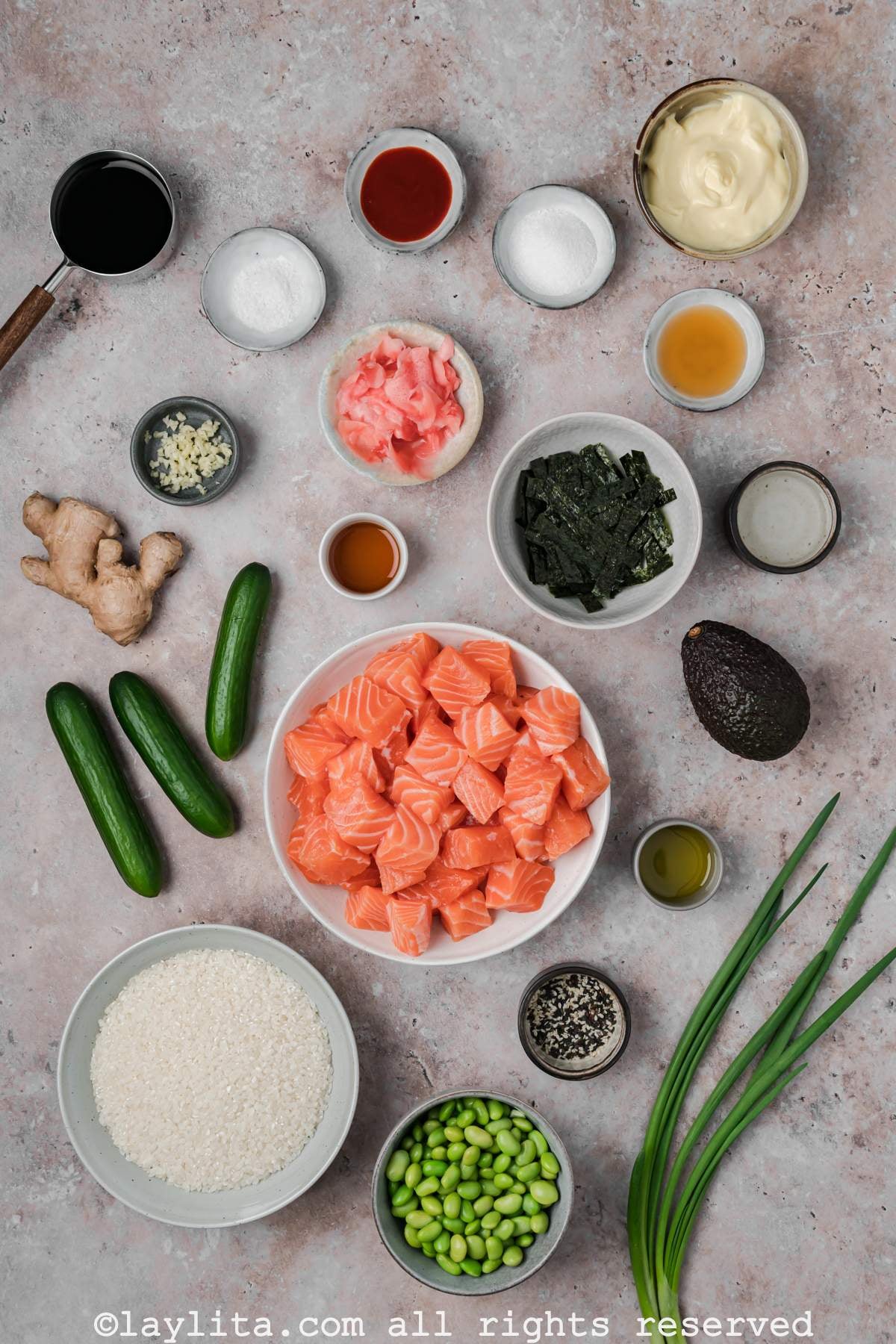
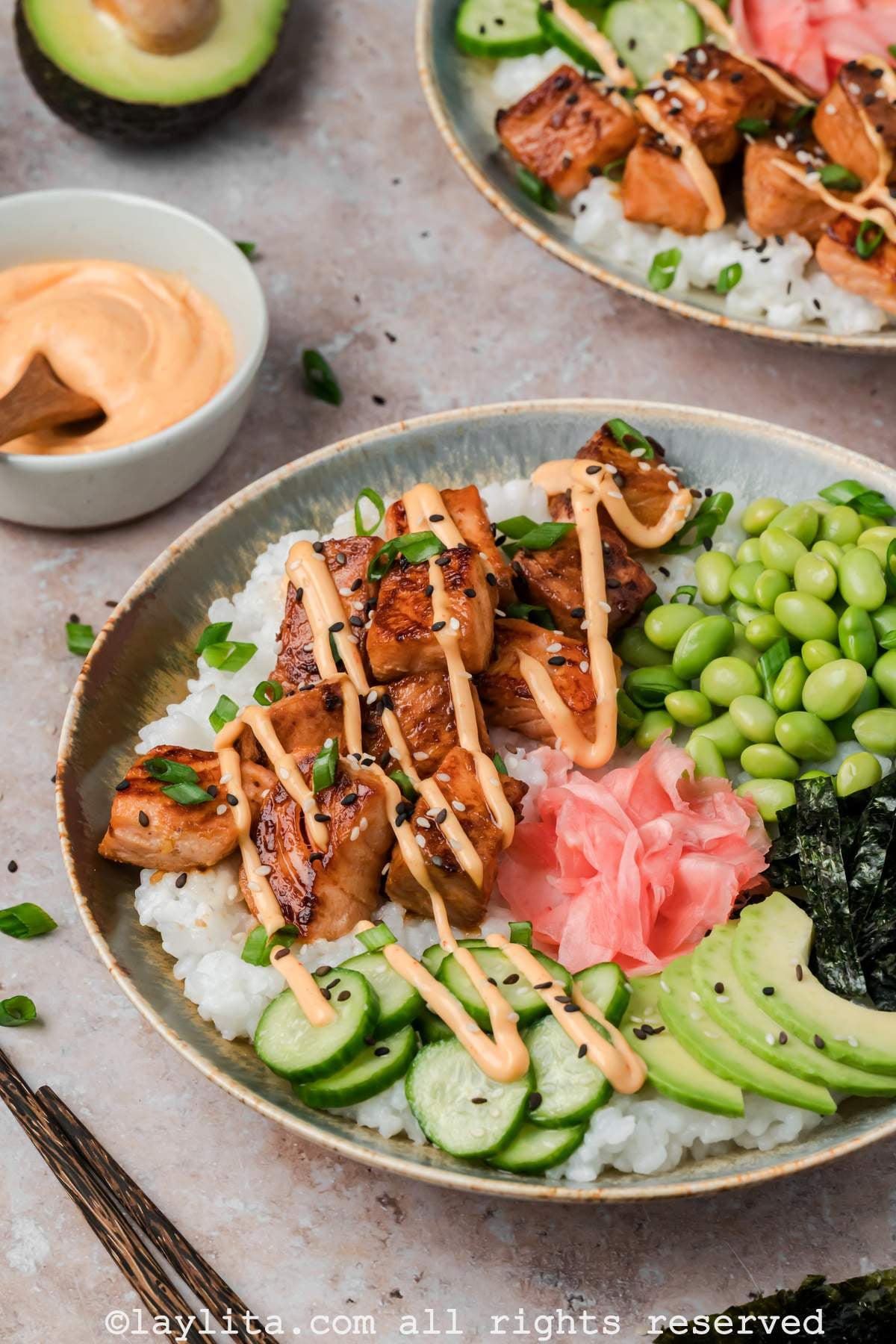
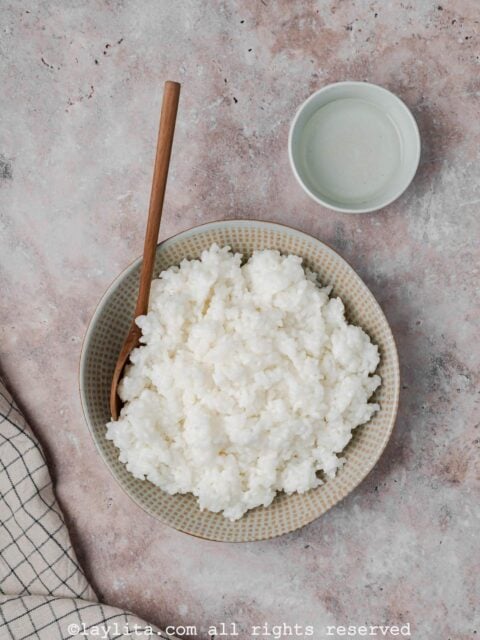
A standard crispy salmon bites sushi bowl relies on a carefully balanced matrix of starches, proteins, acids, and fats. The foundation of the dish traditionally begins with short-grain sushi rice. Unlike standard long-grain varieties, sushi rice possesses a high starch content and sticky consistency, achieved through the addition of seasoned rice vinegar, sugar, and salt after cooking. This adhesive quality serves as an ideal anchor for the remaining components.
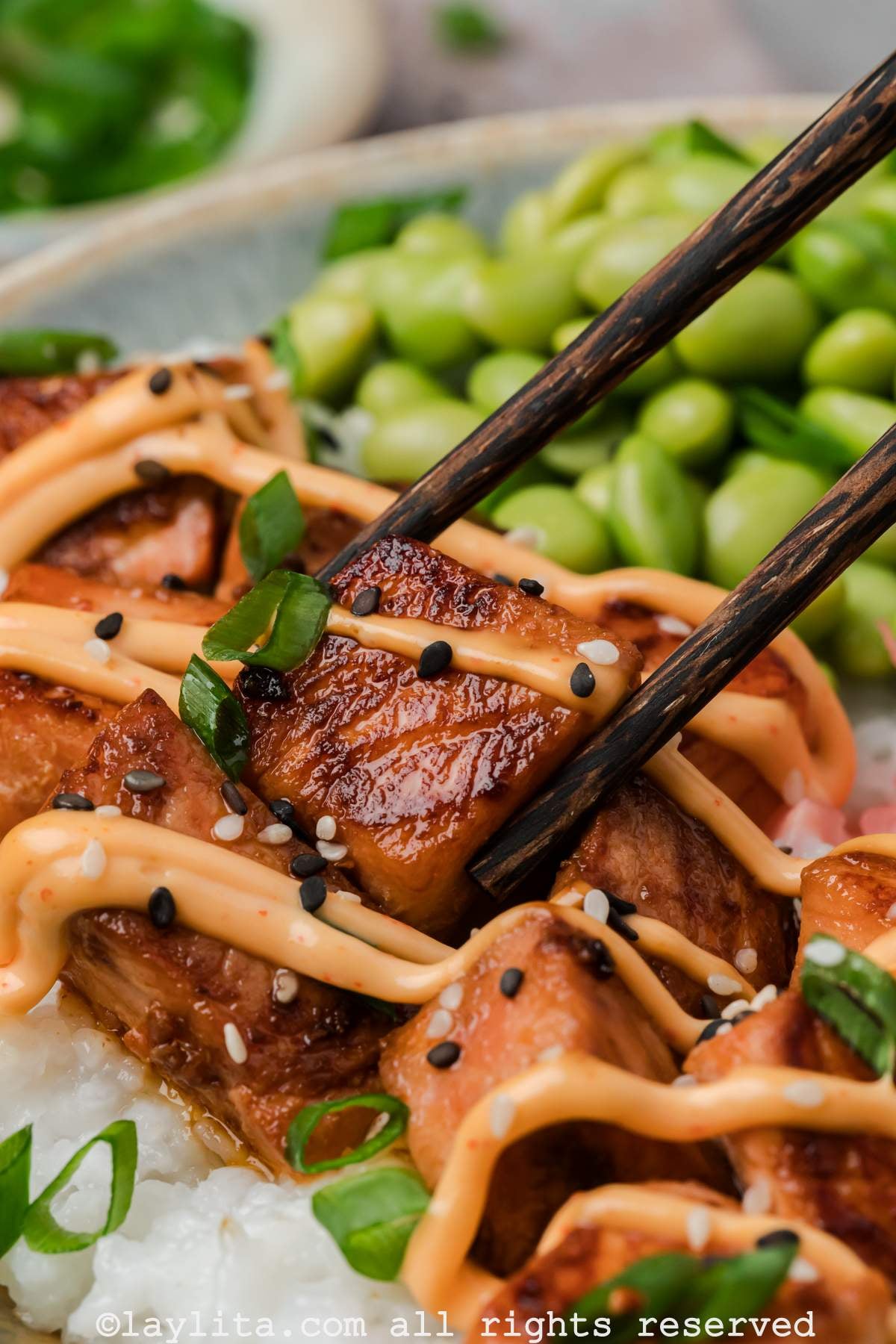
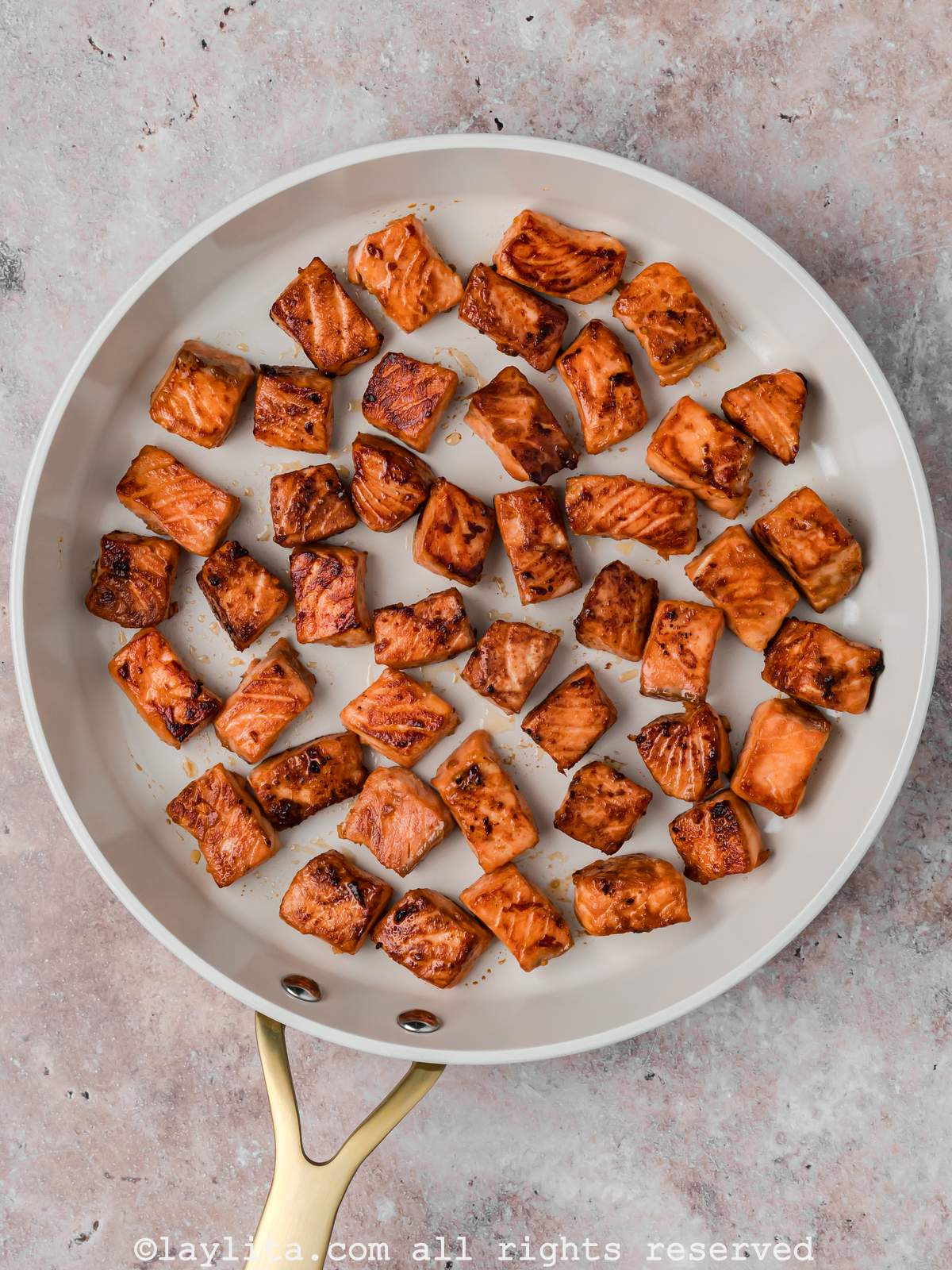
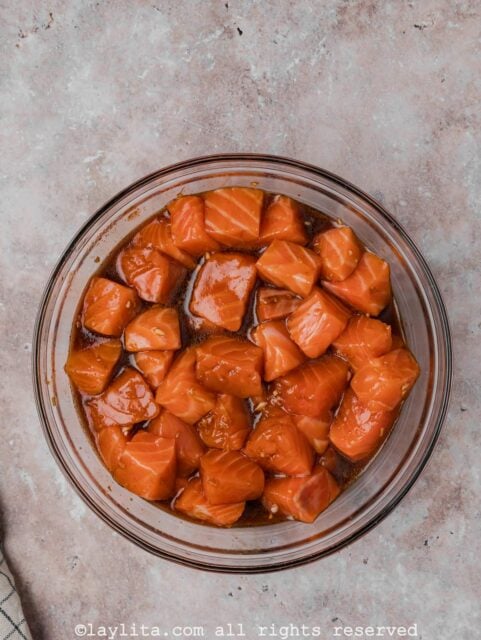
The protein component—the salmon bites—requires minimal ingredients but precise execution. Fresh or thoroughly thawed and patted-dry salmon fillets are diced into uniform pieces, lightly marinated, and pan-seared in a hot skillet. The caramelization process is critical, often enhanced by natural fats within the fish or a light coating of oil, creating a rich umami flavor profile.
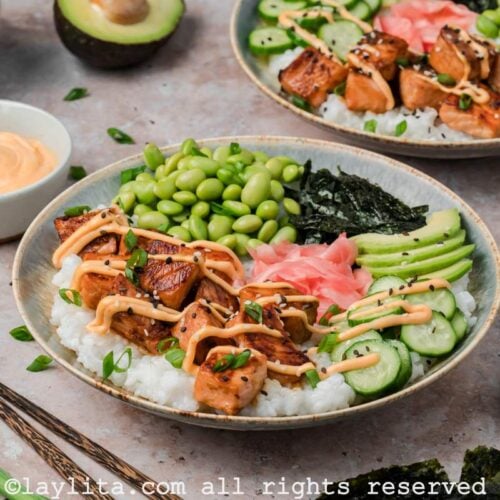
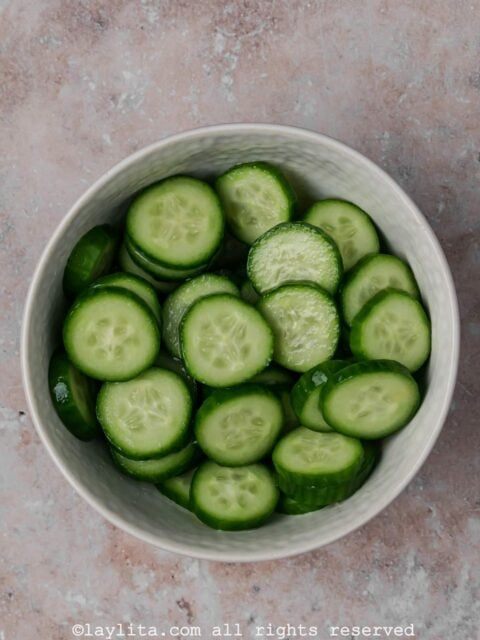
To cut through the richness of the seared fish and sticky rice, acidity is introduced via pickled cucumbers and pickled ginger. Quick-pickling cucumbers in a solution of vinegar, sugar, and salt provides an essential crunch and a tangy contrast. Additional fresh and vibrant elements routinely integrated into the bowl include sliced ripe avocado for creaminess, protein-rich edamame, and finely chopped green onions.
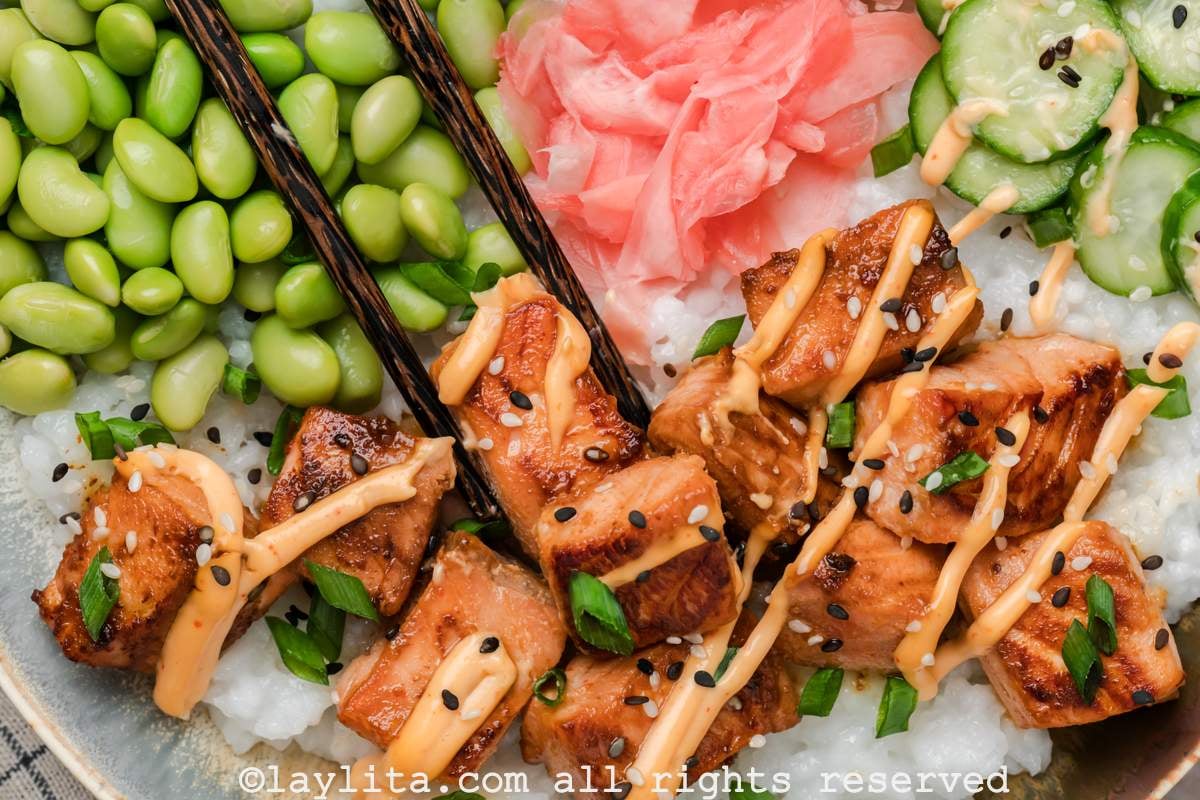
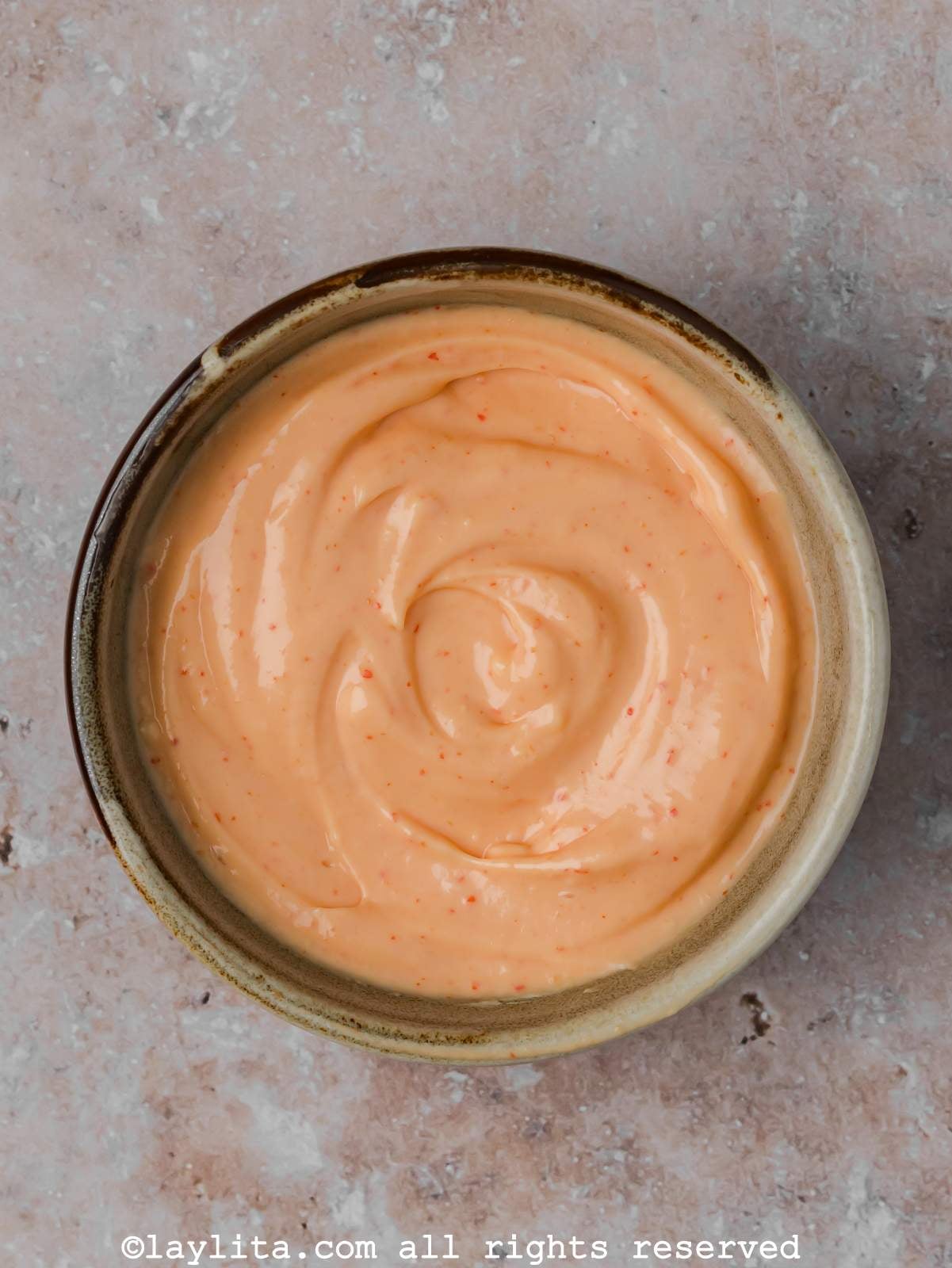
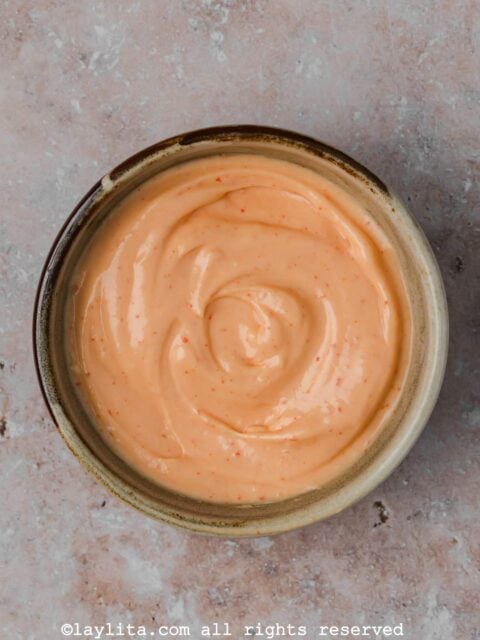
The final unifying element is the spicy sriracha mayonnaise. This condiment is rapidly whisked together using mayonnaise as a base, combined with sriracha hot sauce and frequently a splash of citrus or sesame oil. Drizzled generously over the top just before serving, the sauce ties the disparate elements together with a creamy, moderate heat.
Nutritional and Dietary Implications
From a nutritional standpoint, the crispy salmon bites sushi bowl aligns well with contemporary dietary recommendations focusing on healthy fats, lean proteins, and complex carbohydrates. Salmon is widely recognized by nutritional scientists as an exceptional source of omega-3 fatty acids, which are vital for cardiovascular and neurological health. Additionally, the inclusion of edamame and avocado introduces plant-based proteins, monounsaturated fats, and dietary fiber.
Culinary nutritionists point out that the modular nature of the sushi bowl allows for extensive customization to meet various dietary restrictions. For individuals pursuing low-carbohydrate or ketogenic diets, the sushi rice can be seamlessly substituted with cauliflower rice or finely shredded cabbage. Similarly, brown rice or protein-packed quinoa serve as viable alternatives for those seeking whole-grain benefits.
Scalability and Meal Prep Efficiency
In the context of modern household management, meal preparation efficiency has become a primary driver of culinary choices. Industry surveys indicate that consumers increasingly value recipes that can be partially or fully prepared in advance without sacrificing taste or texture.
The crispy salmon bites sushi bowl model is particularly well-suited for meal prep protocols. Food safety guidelines recommend that the individual components—including the cooked sushi rice, the seared salmon bites, the quick-pickled cucumbers, and the spicy mayo—be stored separately in airtight containers within refrigeration environments for up to three days. Avocados, which are prone to rapid enzymatic browning when exposed to oxygen, are best sliced immediately prior to assembly. This segmented storage approach ensures that textures remain uncompromised, allowing individuals with demanding schedules to assemble a fresh, vibrant meal in under five minutes.
Broader Industry Impact
The widespread adoption of recipes like the crispy salmon bites sushi bowl reflects a permanent shift in how international flavors are domesticated. By breaking down complex restaurant dishes into accessible, deconstructed formats, home cooking has become more adventurous yet frictionless. Food industry observers anticipate that hybrid comfort-food concepts leveraging familiar global flavor profiles will continue to dominate domestic recipe publishing and grocery purchasing trends for the foreseeable future.