Beyond the Plate: How the Real Mediterranean Lifestyle Delivers a Blueprint for Longevity

For decades, nutritional science has pointed to the Mediterranean basin as a golden standard for human health and longevity. Widely recognized as one of the most thoroughly investigated dietary frameworks in the world, the Mediterranean diet consistently ranks at the top of global health indexes. However, contemporary public health research increasingly indicates that the celebrated longevity of Mediterranean communities cannot be attributed to dietary composition alone. Instead, a comprehensive synthesis of nutrition, organic daily movement, robust social infrastructure, and deliberate rest forms a holistic lifestyle blueprint that dramatically reduces the incidence of chronic disease and mitigates cognitive decline.
To understand the mechanics of this phenomenon, researchers have studied blue zones and traditional Mediterranean societies for generations. The resulting data presents a multifaceted picture of human health where food acts as a primary catalyst, but community and routine sustain it over decades.
The Nutritional Science of the Authentic Mediterranean Diet
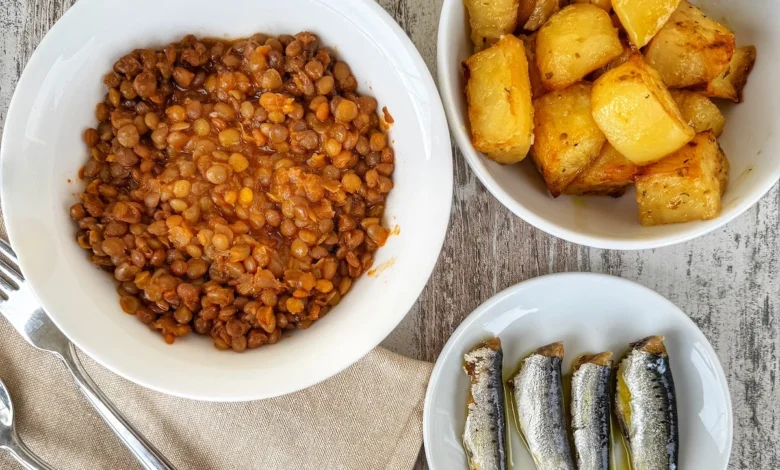
At the core of the traditional Mediterranean lifestyle is a predominantly plant-based nutritional framework. Unlike modern Western diets that frequently position meat as the centerpiece of a meal, traditional Mediterranean culinary traditions treat vegetables, legumes, and grains as main courses. This foundational shift in dietary design ensures a high daily intake of essential micronutrients, dietary fiber, and complex carbohydrates.
Greens, wild-harvested herbs, seasonal fruits, and vibrant vegetables dominate local markets and home kitchens. Crucially, these plant foods are rich in polyphenols and antioxidants—potent chemical compounds that neutralize free radicals, reduce systemic inflammation, and protect cellular structures from oxidative stress. This biochemical defense mechanism is widely cited by epidemiologists as a primary driver behind the diet’s capacity to lower the risk of chronic conditions such as cardiovascular disease, type 2 diabetes, and metabolic syndrome.
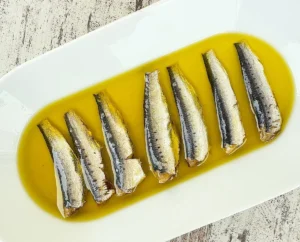
In addition to plant matter, the traditional intake features generous quantities of extra virgin olive oil, which serves as the principal source of dietary fat. Rich in monounsaturated oleic acid and powerful antioxidants like oleocanthal, high-quality olive oil supports lipid profiles and arterial health. Fatty fish, such as sardines and mackerel, provide essential omega-3 fatty acids, which further safeguard cardiovascular function.
Beyond general metabolic health, longitudinal studies have linked this nutritional pattern to a lower incidence of neurodegenerative disorders. The anti-inflammatory and antioxidant properties of the Mediterranean diet help preserve cognitive function, offering notable protection against dementia and age-related memory loss. Furthermore, geriatric nutrition studies demonstrate that adherence to this diet correlates with significantly lower rates of physical frailty among older adults, enabling populations to maintain independence and vitality well into their later years.
The Architecture of Social Connection and Community Health
While the biochemical benefits of olive oil and leafy greens are well-documented, public health experts emphasize that nutrition is only one pillar of the Mediterranean longevity model. Human connection plays an equally vital role in physiological well-being, influencing hormonal balance, stress management, and immune function.
In traditional Mediterranean villages, social structures are deeply embedded in daily life. Individuals maintain close-knit relationships not only within immediate family units but also across the broader community. This dense web of social support fosters a profound sense of belonging and purpose, which behavioral scientists associate with lower levels of chronic psychological stress. Prolonged stress triggers sustained cortisol elevation, which can damage cardiovascular and immune systems over time. Strong social ties act as a buffer against these physiological tolls.
Community engagement is frequently woven into institutional and cultural routines. Regular attendance at local religious services, participation in civic or cultural organizations, and involvement in collective projects ensure that isolation remains rare. Anthropologists and sociologists frequently point to the concept of "third places"—neutral environments distinct from home and the workplace where people gather to converse, exchange news, and build mutual trust. In Mediterranean towns, these spaces manifest organically as village squares, local coffee shops, bustling open-air markets, and community gathering halls. These micro-interactions build social capital and emotional resilience, which translate directly into improved long-term health outcomes.
Everyday Movement Versus Structured Exercise
Modern fitness culture often equates health with high-intensity gym workouts, structured running regimens, or heavy resistance training. In contrast, the physical activity observed in long-lived Mediterranean populations is largely informal, integrated, and continuous throughout the day.
Public health data underscores the importance of physical movement in maintaining metabolic equilibrium, regulating body weight, and supporting cardiovascular endurance. Moreover, regular physical activity is a proven modulator of mood, helping to alleviate symptoms of anxiety and clinical depression. However, the unique aspect of traditional Mediterranean movement is its integration into everyday survival and domestic maintenance.
Rather than relying on automobiles for short trips or mechanical conveniences for household chores, residents engage in consistent, low-intensity physical labor as a matter of course. Gardening, manual food preparation, rigorous house cleaning, and walking to local shops or agricultural plots generate a steady baseline of energy expenditure. This unstructured movement protects joint mobility, muscular strength, and functional capacity without the high rates of injury associated with intense, sporadic exercise programs.
Maintaining mobility late into life is critical for self-efficacy. When older adults retain the physical capacity to manage their own affairs, walk through their neighborhoods, and interact face-to-face with peers, they preserve their mental health and sense of purpose. This continuous engagement closes the feedback loop between physical capability and social connection.
Implications for Modern Public Health
Translating the lessons of the Mediterranean lifestyle into the context of fast-paced, industrialized societies presents distinct challenges, yet the underlying principles remain universally applicable. Public health analysts suggest that modern adaptations do not require relocating to a coastal Greek island or an Italian village; rather, individuals can systematically integrate core elements of the Mediterranean model into their current environments.
Nutritionally, shifting the plate proportion toward whole plant foods, replacing refined cooking oils with cold-pressed extra virgin olive oil, and increasing the frequency of plant-based main courses can yield measurable health improvements. Socially, urban planners and individuals alike can benefit from prioritizing community spaces and making deliberate efforts to cultivate meaningful, face-to-face relationships outside of digital networks. Physically, incorporating more walking into daily commutes, engaging in domestic labor with intention, and reducing sedentary time can replicate the baseline activity levels that keep Mediterranean populations mobile and resilient.
As healthcare systems globally grapple with the rising economic and social costs of chronic illnesses and an aging demographic, the holistic Mediterranean model offers a proven, cost-effective framework. By viewing health not as an isolated clinical target, but as the harmonious intersection of wholesome nutrition, active living, and robust social fabric, societies can foster environments where longer lives are synonymous with healthier, more vibrant human experiences.