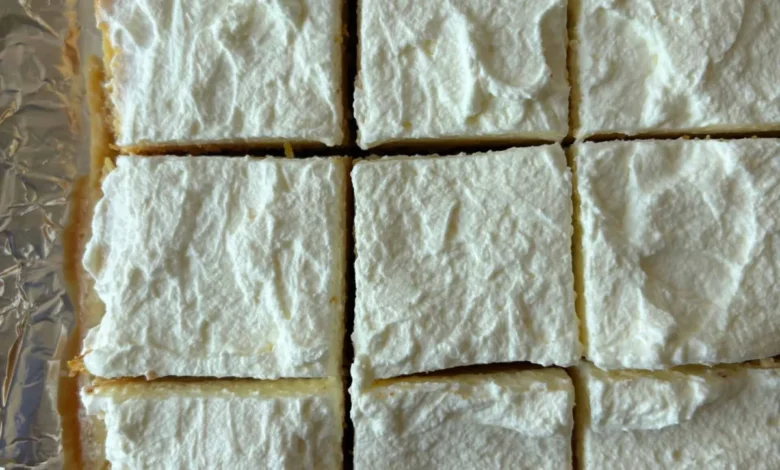
The culinary landscape for seasonal desserts has recently seen a shift toward modernized, simplified classics, with the emergence of Magic Lemon Bars serving as a prime example of this trend. First featured in Southern Living magazine, this recipe has gained significant traction among home cooks for its departure from traditional flour-based lemon squares, opting instead for a streamlined, four-ingredient filling that relies on the chemical interaction between citrus acidity and condensed milk proteins. As consumer interest in "low-effort, high-reward" baking increases, these bars have become a staple for large-scale social gatherings and seasonal event planning.
The Evolution of the Lemon Bar
The traditional lemon bar, a staple of American home baking since the mid-20th century, typically consists of a shortbread crust topped with a mixture of eggs, sugar, flour, and lemon juice. The inclusion of flour in the filling acts as a thickening agent, requiring precise temperature control during the baking process to prevent a gummy texture. The "Magic" variant, however, utilizes the properties of sweetened condensed milk, which provides a high viscosity and sugar content that naturally sets into a custard-like consistency when combined with acidic lemon juice and egg yolks. This process mirrors the chemistry behind traditional Key Lime pie, effectively removing the need for additional starches or flour in the filling.
Technical Specifications and Culinary Methodology
The preparation of these bars requires specific adherence to thermal management to ensure structural integrity. According to the foundational recipe, the process is divided into three distinct phases: crust preparation, filling incorporation, and the critical cooling-chilling cycle.

- The Foundation: The base utilizes graham cracker crumbs, a departure from the traditional butter-and-flour shortbread. This provides a more distinct textural contrast to the dense, creamy filling.
- The Chemical Reaction: The filling relies on the denaturation of egg proteins accelerated by the low pH level of the lemon juice. The addition of fresh lemon zest is not merely for flavor; it contains essential oils (limonene) that elevate the aromatic profile of the dessert without altering the moisture content, a common pitfall in amateur pastry work.
- The Setting Process: The "magic" is realized during the mandatory 1.5-hour refrigeration window. During this phase, the emulsion of fats and sugars achieves a state of semi-solidification. Failure to observe this cooling period typically results in a failure of the bars to hold a clean shape when sliced.
Economic and Logistical Considerations
Data from the test kitchens suggests that the efficiency of this recipe is tied to its batch-processing capability. A single standard baking pan yields 24 individual servings, with a caloric density of approximately 207 kcal per square. From a logistical standpoint, the recipe requires a high volume of raw produce—specifically, one full cup of fresh lemon juice, which corresponds to roughly eight large lemons.
Culinary experts note that the use of fresh juice is non-negotiable for this specific preparation. Bottled lemon juice often contains preservatives and has a flatter, more one-dimensional acidity profile that fails to counteract the intense sweetness of the condensed milk. Furthermore, the reliance on fresh zest means that home cooks must approach the preparation by zesting the fruit prior to extraction, as the physical structure of the lemon is compromised once the juice is removed.

Comparative Analysis of Preparation Techniques
When compared to traditional lemon bars, the Magic Lemon Bar offers a significant reduction in labor. Traditional recipes require the baker to monitor the "set" of the filling closely in the oven, often risking overbaking the edges. The Magic method, which uses a lower-moisture, high-sugar filling, is more forgiving in the oven. However, the requirement for a professional-grade "clean cut" necessitates a specific technique: utilizing a sharp, warmed knife and wiping the blade between each slice. This simple procedural step, often overlooked by home bakers, is the primary reason for the aesthetic difference between homemade squares and those served in commercial bakeries.
Broad Impact on Event Catering
The rise of this recipe has had a observable impact on how event planners approach dessert menus for large-scale functions. Because these bars are designed to be served chilled and can be prepared up to 24 hours in advance, they alleviate the pressure on event staff during the "day-of" service window. Unlike whipped-cream-topped cakes or delicate pastries that may wilt under ambient heat, the density of these lemon bars allows them to maintain structural integrity during the service phase of outdoor gatherings, such as spring barbecues or summer graduations.

Addressing Common Culinary Queries
Market research on home-baking trends reveals several common questions regarding the versatility of this recipe. Industry professionals have provided the following clarifications:
- Ingredient Substitution: While some home cooks inquire about replacing the citrus base, culinary science dictates that only high-acidity citrus, such as lime, will produce the same structural "set." Substitutions with lower-acid fruits will result in a failure of the filling to thicken.
- Storage Protocols: Due to the protein content in the eggs and dairy, these bars are classified as perishable. They must be stored at or below 40°F (4°C) and have a recommended shelf life of 72 to 96 hours.
- Structural Failure: In cases where the bars do not set, professional analysis points toward a lack of sufficient cooling time or an error in the ratio of lemon juice to the sugar-heavy condensed milk, which prevents the protein network from stabilizing.
Conclusion and Future Outlook
As the consumer appetite for accessible, high-quality desserts continues to evolve, the Magic Lemon Bar serves as a testament to the intersection of simple ingredient chemistry and modern convenience. By eliminating the complexities of traditional pastry techniques while retaining the flavor profiles expected of a high-end dessert, the recipe has cemented its place in the modern home-cooking repertoire. Whether served as a standalone treat or as part of a larger dessert spread, its reliance on standardized, high-quality ingredients ensures consistent results, making it a reliable choice for both novice and experienced bakers alike. As the industry moves forward, it is likely that further iterations—perhaps incorporating alternative crusts or varied citrus infusions—will continue to build upon this foundational, "magic" technique.