Mastering the Art of Foolproof Caramel in Under Ten Minutes for Professional and Home Baking

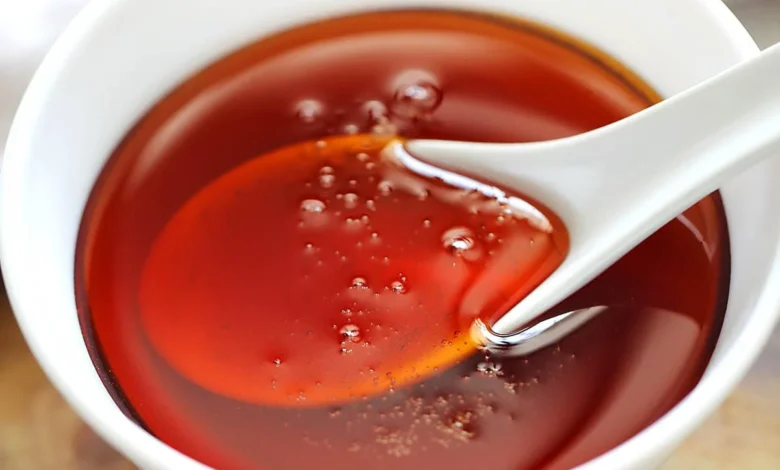
The creation of a flawless, glossy caramel base is widely recognized within the culinary arts as a foundational technique that elevates desserts such as traditional flan and quesillo from simple custards to masterpieces. Despite its widespread use in global gastronomy, the process of melting sugar frequently induces anxiety among home cooks, many of whom rely on specialized candy thermometers and complex measurements to avoid culinary failure. Recent culinary insights, however, highlight that achieving a smooth, dark amber layer requires neither advanced gadgetry nor professional-grade confectionery equipment. By relying on basic food science, precise visual indicators, and a controlled wet-heat method, home cooks can consistently produce superior caramel in under ten minutes, minimizing waste and eliminating common kitchen mishaps like crystallization or scorching.
Background Context and Culinary Science
To understand the mechanics of successful caramelization, one must examine the behavior of sucrose under thermal influence. When white granulated sugar is subjected to dry heat, it undergoes a complex sequence of chemical reactions known as pyrolysis. At approximately 160 degrees Celsius (320 degrees Fahrenheit), sucrose molecules begin to melt, break down, and recombine into hundreds of new volatile compounds that contribute to the characteristic amber color and complex bittersweet flavor profile. However, dry caramelization carries a significant risk: localized hot spots within a pan can cause portions of the sugar to burn and smoke before the remaining crystals have even dissolved.
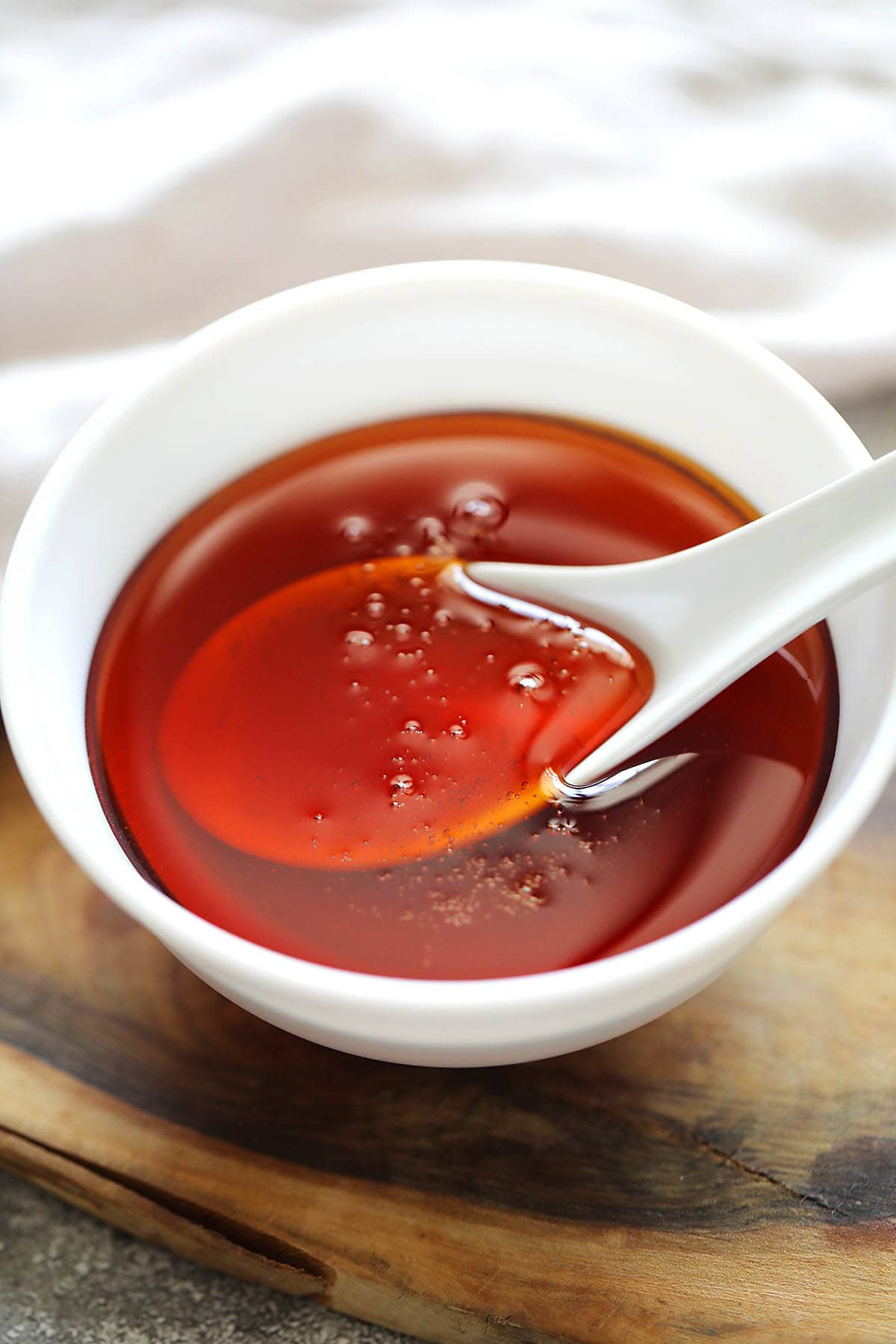
The introduction of water—frequently referred to in professional kitchens as the "wet method"—serves as a vital regulatory mechanism. By dissolving white granulated sugar in a minimal amount of water (typically two tablespoons per standard batch) prior to the application of heat, the sugar distributes evenly across the base of the cookware. As the temperature rises, the water gently evaporates, allowing the sugar solution to reach an equitable boiling point. This aqueous buffer prevents premature scorching and grants the cook exceptional control over the gradual transition from a clear syrup to a luminous golden amber. Culinary experts strongly advise against substituting white sugar with brown sugar for this specific application. Because brown sugar contains residual molasses, it obscures critical color shifts during the cooking process and accelerates burning, thereby undermining the precision required for delicate flan and quesillo molds.
Chronology of the Ten-Minute Preparation Process
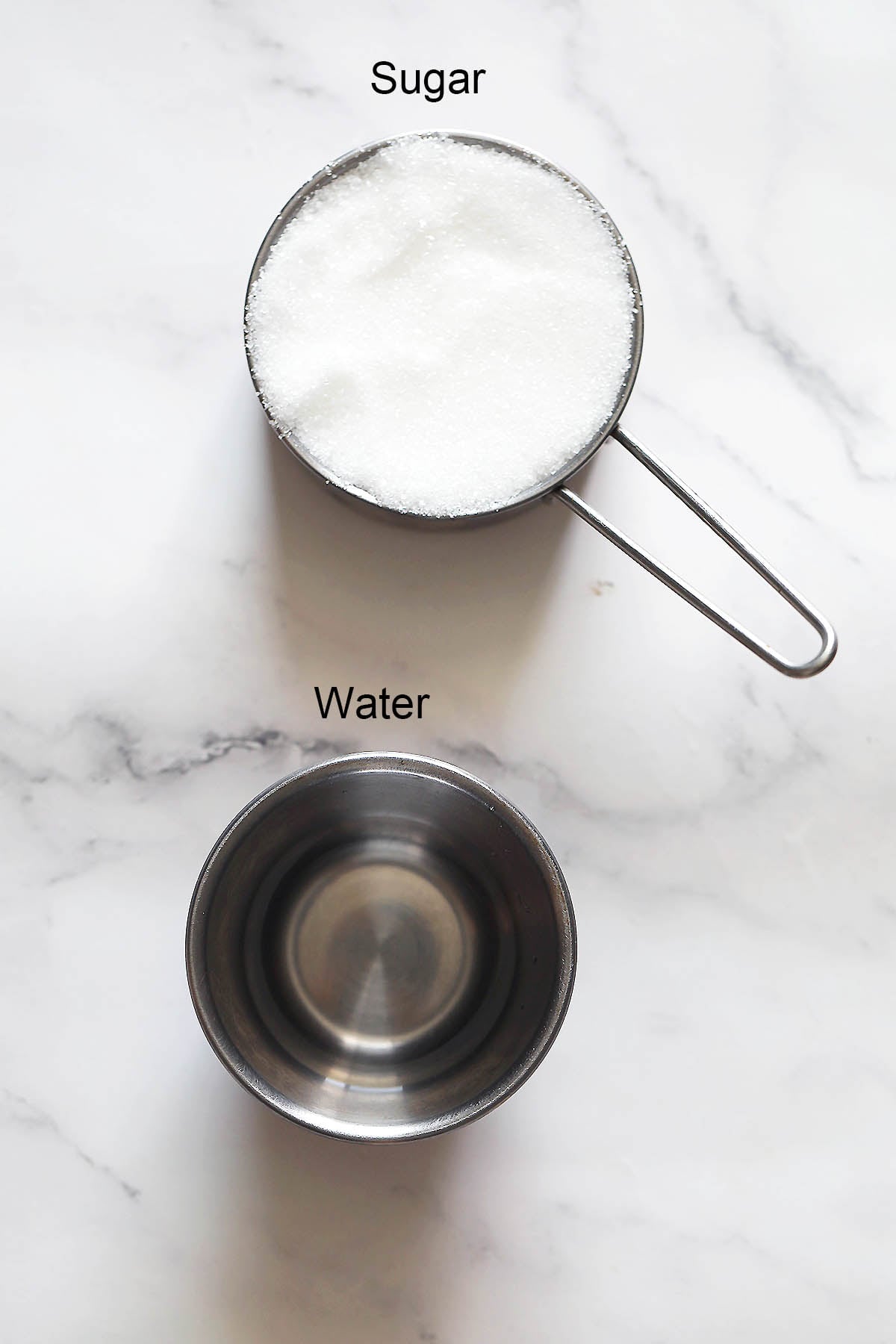
The execution of this foolproof caramel method follows a strict, time-sensitive chronology designed to maximize safety and precision.
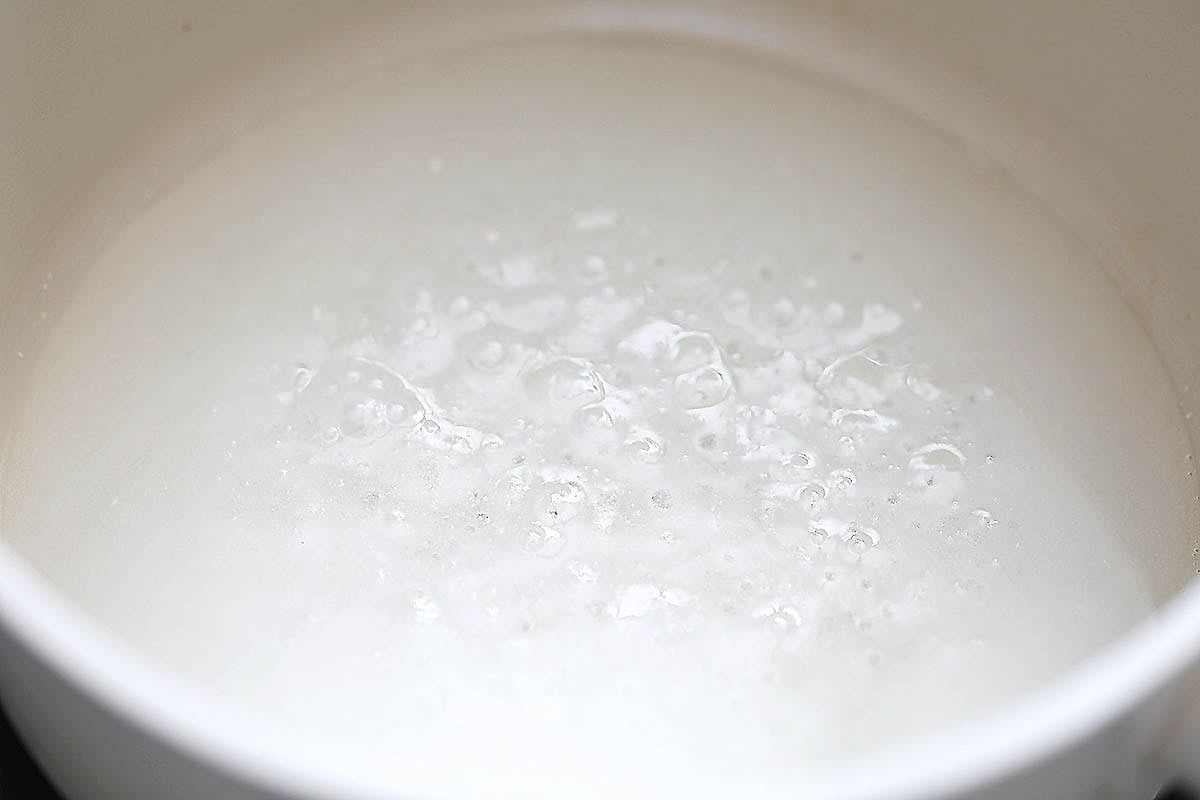
Minutes 0 to 2 involve preparation and initial heating. The cook combines standard white granulated sugar and a measured splash of water within a small, heavy-bottomed saucepan over low heat. It is imperative at this juncture to resist the temptation to introduce utensils. Stirring the liquid introduces rogue sugar crystals back into the solution, a primary catalyst for unwanted crystallization and a grainy, seized-up texture.
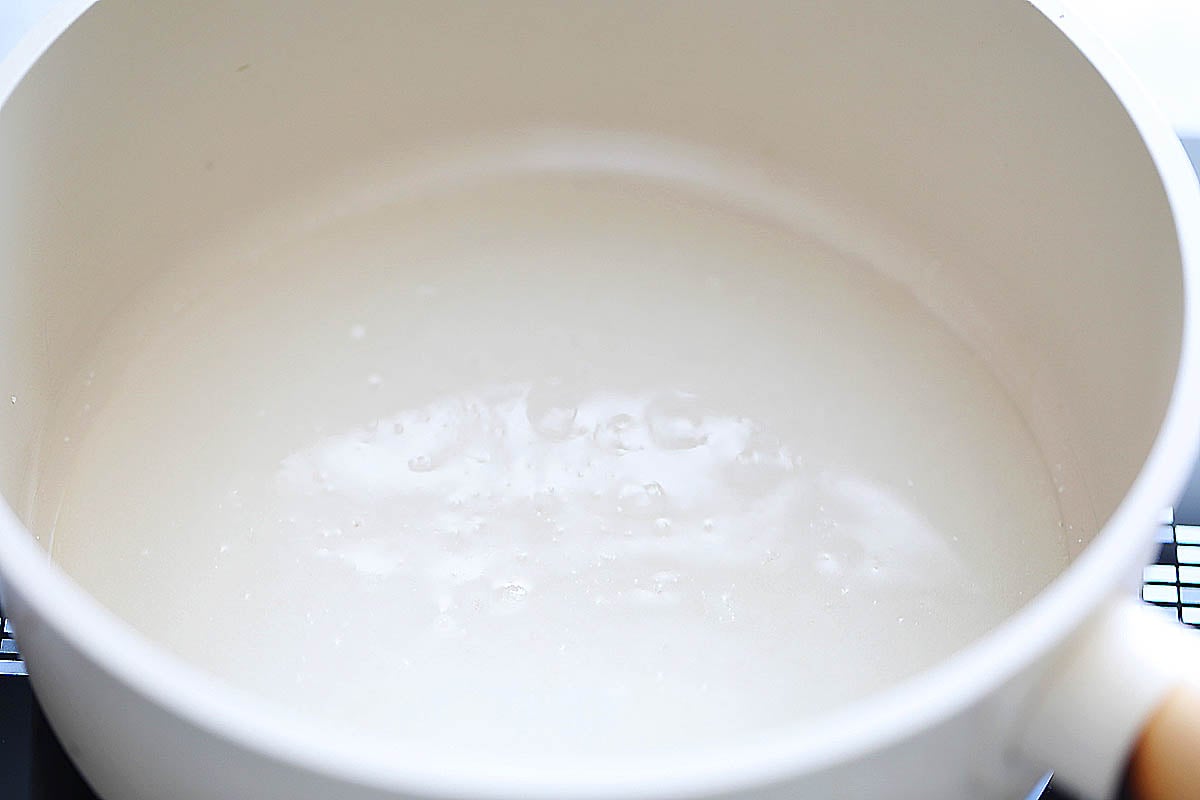
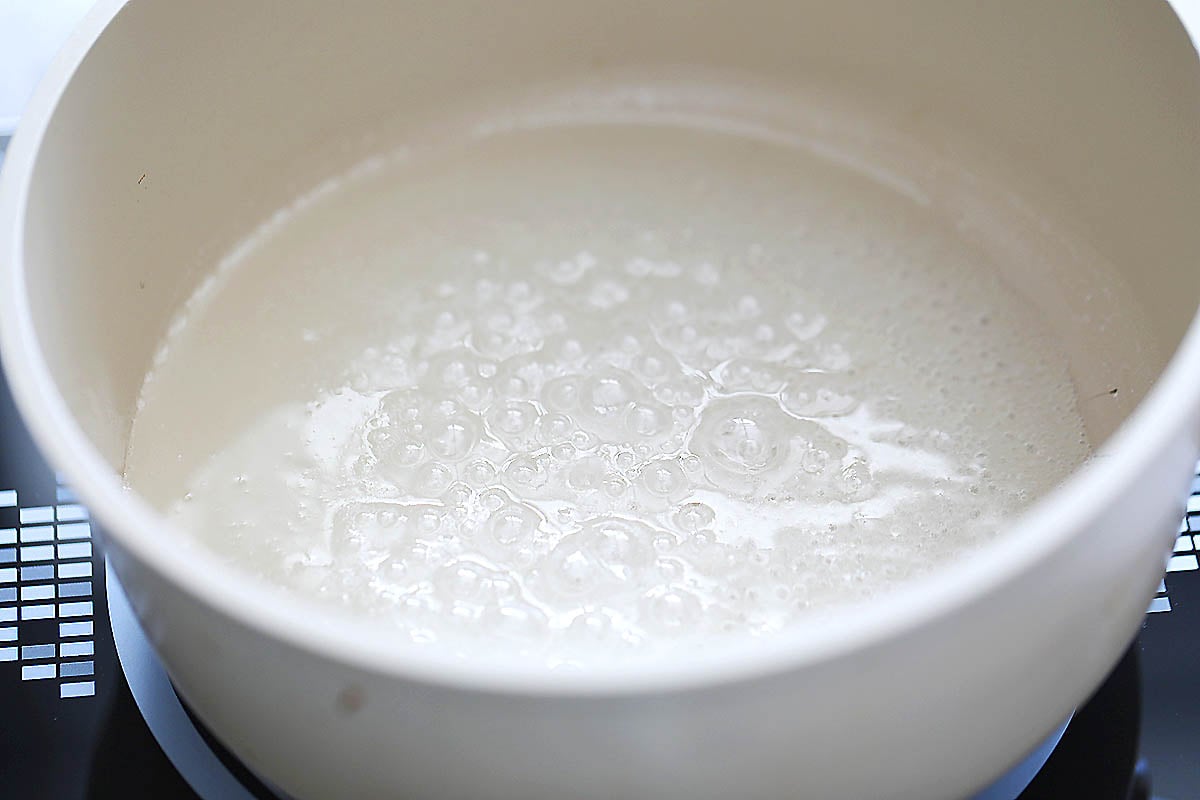
Minutes 3 to 6 encompass the gentle boiling and swirling phase. As the thermal energy penetrates the mixture, the solution transitions from a cloudy suspension to a clear, gently bubbling liquid. To ensure even heat distribution without the use of spoons or spatulas, the cook gently lifts the saucepan by its handle, employing smooth, circular wrist motions to tilt the vessel. This technique moves the liquid syrup across the bottom surface while preventing hot splashes from climbing the interior walls of the pan.
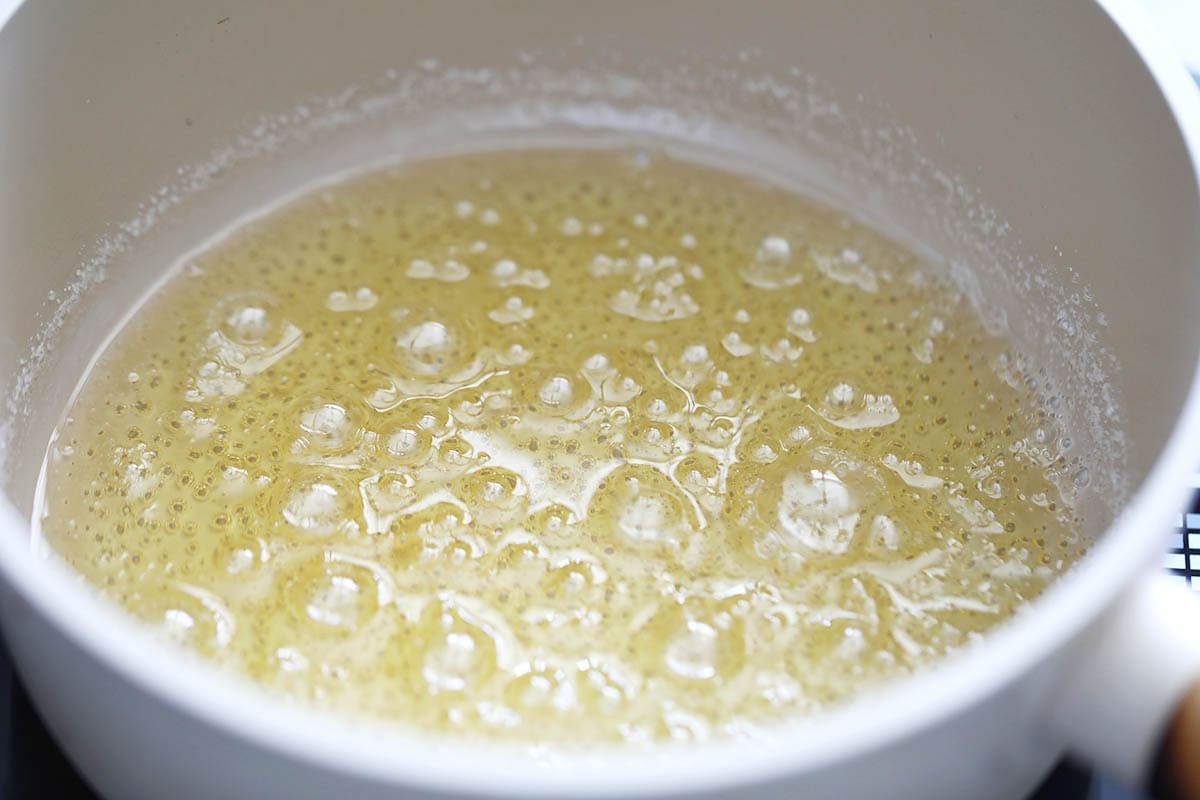
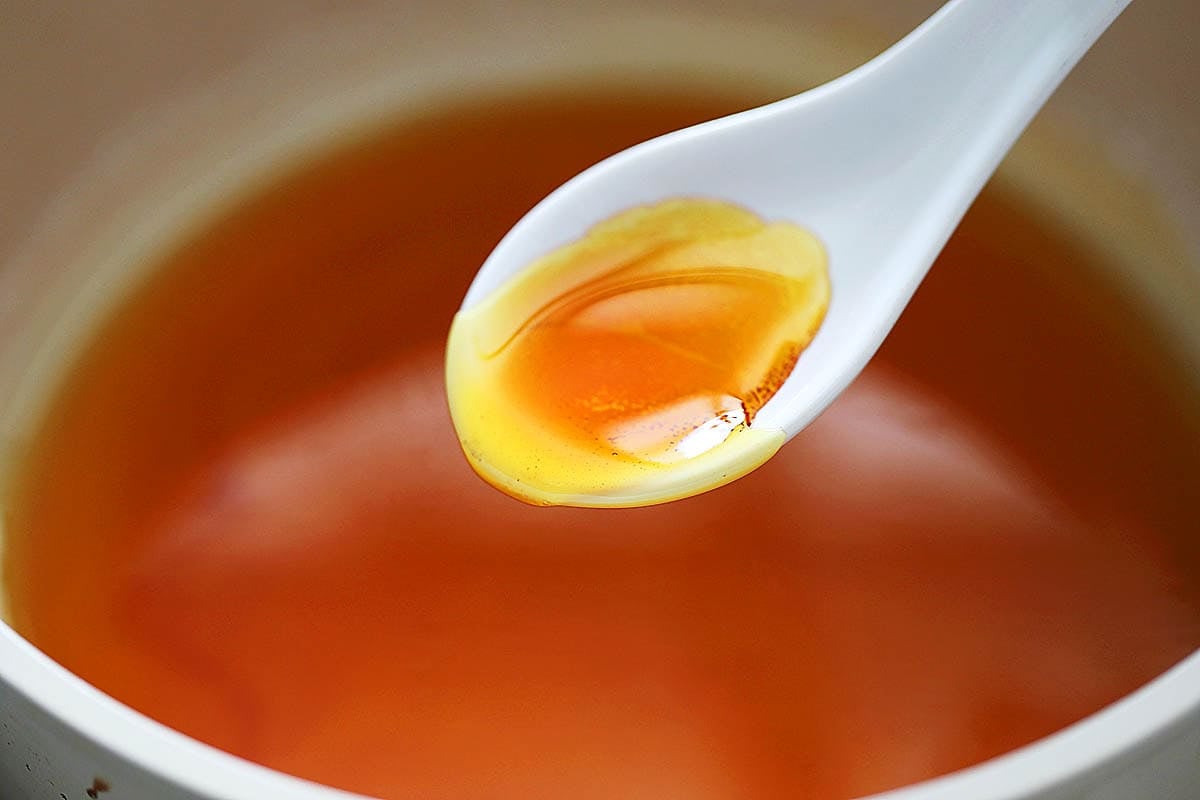
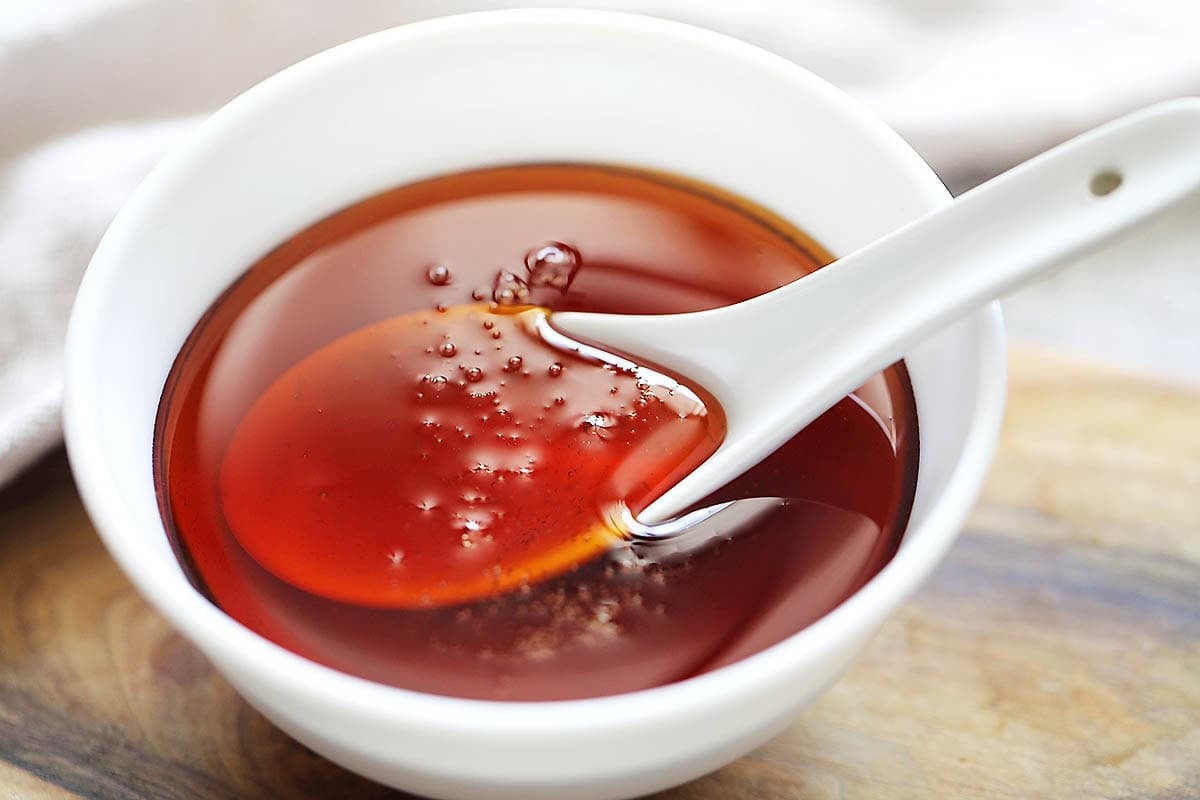
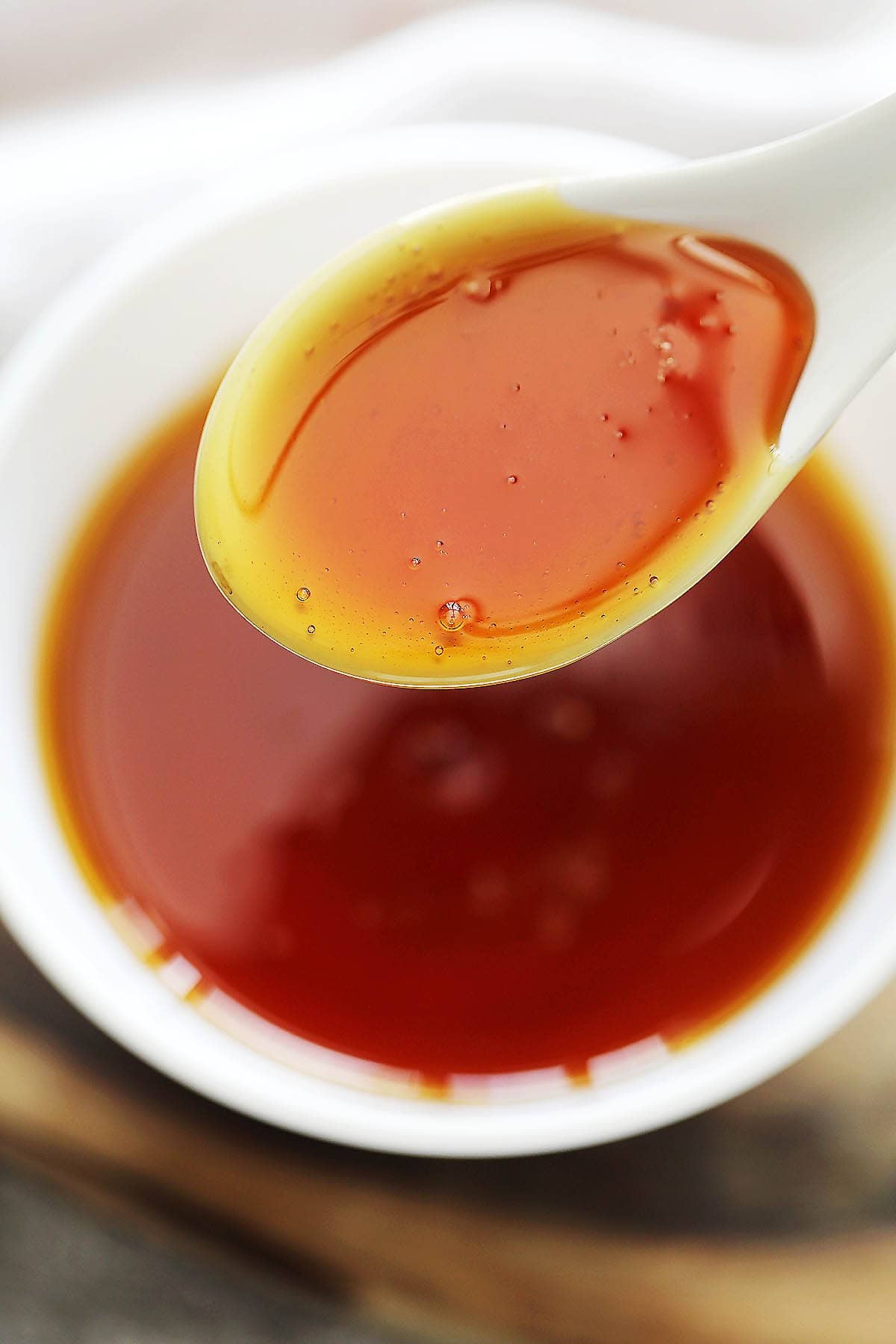
Minutes 7 to 9 mark the critical color transformation. During this narrow window, the syrup shifts progressively from clear to light amber, then to a rich golden amber. Culinary professionals emphasize that remaining stationary beside the stovetop is non-negotiable, as sugar can transition from a desirable golden hue to an acrid, burnt state in a matter of seconds.
Minute 10 represents the final cessation of cooking and immediate application. The moment the caramel achieves the desired golden amber shade, the pan is removed immediately from the burner. Residual heat stored within the metal will continue to drive the chemical reaction, gently darkening the syrup to a deep dark amber off the heat source. Without delay, the molten liquid is poured into the prepared flan or quesillo molds, and the container is tilted rapidly to coat the base before the sugar hardens upon cooling.
Supporting Data and Nutritional Profile
From a nutritional perspective, standard culinary caramel serves primarily as a concentrated source of carbohydrates, valued more for its sensory contribution to texture and flavor than for dietary sustenance. Data compiled for standard single-batch preparations—engineered to coat two six-inch cake pans—indicate an approximate yield of two distinct portions. Each portion contributes roughly 193 kilocalories, consisting almost entirely of 50 grams of carbohydrates and sugars, with negligible amounts of fat (0.2 grams), sodium (1 milligram), potassium (1 milligram), calcium (1 milligram), and iron (0.03 milligrams). Because these figures are mathematically derived from standard ingredient profiles, culinary analysts note that they should be treated as close approximations rather than absolute measurements.
Expert Troubleshooting and Frequently Asked Questions
Even with a streamlined process, home cooks frequently encounter specific technical challenges when working with molten sugar. Culinary educators and pastry chefs have compiled standardized guidelines to address these common scenarios:
-
Necessity of Specialized Equipment: Contrary to popular belief, a candy thermometer is entirely optional when utilizing the wet caramel method. Careful visual observation of the color transition from clear to golden amber provides sufficient data to determine exact doneness.
-
Advance Preparation: Because caramel sets into a rigid, glass-like state almost immediately upon cooling in a mold, preparing the caramel days in advance is generally discouraged. It is most efficient to execute the caramel right before assembling the custard layer, though coated molds can rest safely at room temperature for several hours prior to baking.
-
Scaling the Recipe: Doubling or tripling the quantity of sugar is entirely feasible, provided the cook utilizes a wider saucepan to maintain an even layer of liquid. Larger volumes require slightly more time to reach boiling temperatures, though the final color transition remains rapid.
-
Premature Hardening: If the caramel solidifies within the saucepan before it can be successfully transferred to the mold, placing the vessel back over low heat for a brief interval will gently liquefy the bottom layer, restoring its pourable consistency.
-
Post-Cooking Cleanup: Hardened sugar can present a formidable cleaning challenge if scrubbed mechanically. Culinary professionals recommend a simpler chemical approach: filling the saucepan with water and bringing it to a rolling boil on the stovetop. The boiling water rapidly dissolves the residual sugar within minutes, allowing for effortless cleanup without abrasive pads.
Broader Industry Impact and Culinary Implications
The demystification of caramel-making carries notable implications for the broader baking and confectionery industry. As culinary education shifts toward accessibility, simplifying foundational techniques empowers amateur bakers to explore complex, heritage-based desserts that might otherwise seem intimidating. Dishes deeply rooted in Latin American and global traditions—such as traditional flan, Venezuelan quesillo, and various baked custards—rely fundamentally on the integrity of their caramel coatings. When home cooks master the underlying principles of wet-heat caramelization without relying on proprietary gadgets or commercial shortcuts, the cultural appreciation and domestic preparation of these classic desserts experience a measurable resurgence. Ultimately, this ten-minute methodology bridges the gap between professional confectionery science and domestic kitchen practicality, ensuring that the art of the perfect caramel remains accessible to all.