The nopal, a staple of Mexican gastronomy derived from the prickly pear cactus (Opuntia), has transitioned from a regional survival food to a celebrated ingredient in contemporary international cuisine. Often referred to as cactus paddles, these fleshy stems provide a unique nutritional profile and a distinct flavor profile that has sustained civilizations in the arid regions of North America for millennia. While often associated with home-style cooking, the rise of the "nopales taco" in both street food culture and fine dining marks a shift in how indigenous ingredients are perceived by the global culinary community.
Botanical and Historical Context
The Opuntia cactus is indigenous to the Americas, with Mexico holding the world’s highest diversity of the species. Historically, the Aztecs utilized the nopal not only for sustenance but also as a fundamental element in their cultural iconography; the plant is famously depicted on the Mexican flag, growing from a rock in the center of a lake, symbolizing the founding of Tenochtitlan.
Nutritionally, nopales are considered a functional food. Data from the United States Department of Agriculture (USDA) indicates that one cup of cooked, diced nopales contains approximately 25 calories, 1 gram of protein, and significant amounts of dietary fiber, Vitamin A, and Vitamin C. Furthermore, research published in the Journal of Agricultural and Food Chemistry has highlighted the potential of nopal extract to assist in blood sugar regulation, making it an object of study for nutritional scientists focusing on metabolic health.
The Culinary Evolution of the Cactus Paddle
The preparation of nopales requires specific technical knowledge to manage their unique characteristics. The plant contains a mucilaginous substance, known in Spanish as babas, which is released upon heating. This texture is comparable to okra and is often misunderstood by those unfamiliar with the ingredient. Culinary professionals generally employ one of three methods to mitigate the sliminess: boiling in salted water, dry-grilling, or high-heat sautéing.
In traditional Mexican households, the cleaning process is labor-intensive, involving the removal of the glochids (tiny, hair-like spines) and the woody edges of the paddle. Modern grocery retail in the United States and Mexico has shifted this dynamic; the widespread availability of pre-cleaned, sliced nopales has significantly lowered the barrier to entry for home cooks, leading to an increase in the popularity of cactus-based dishes in non-traditional markets.

The Anatomy of the Modern Nopales Taco
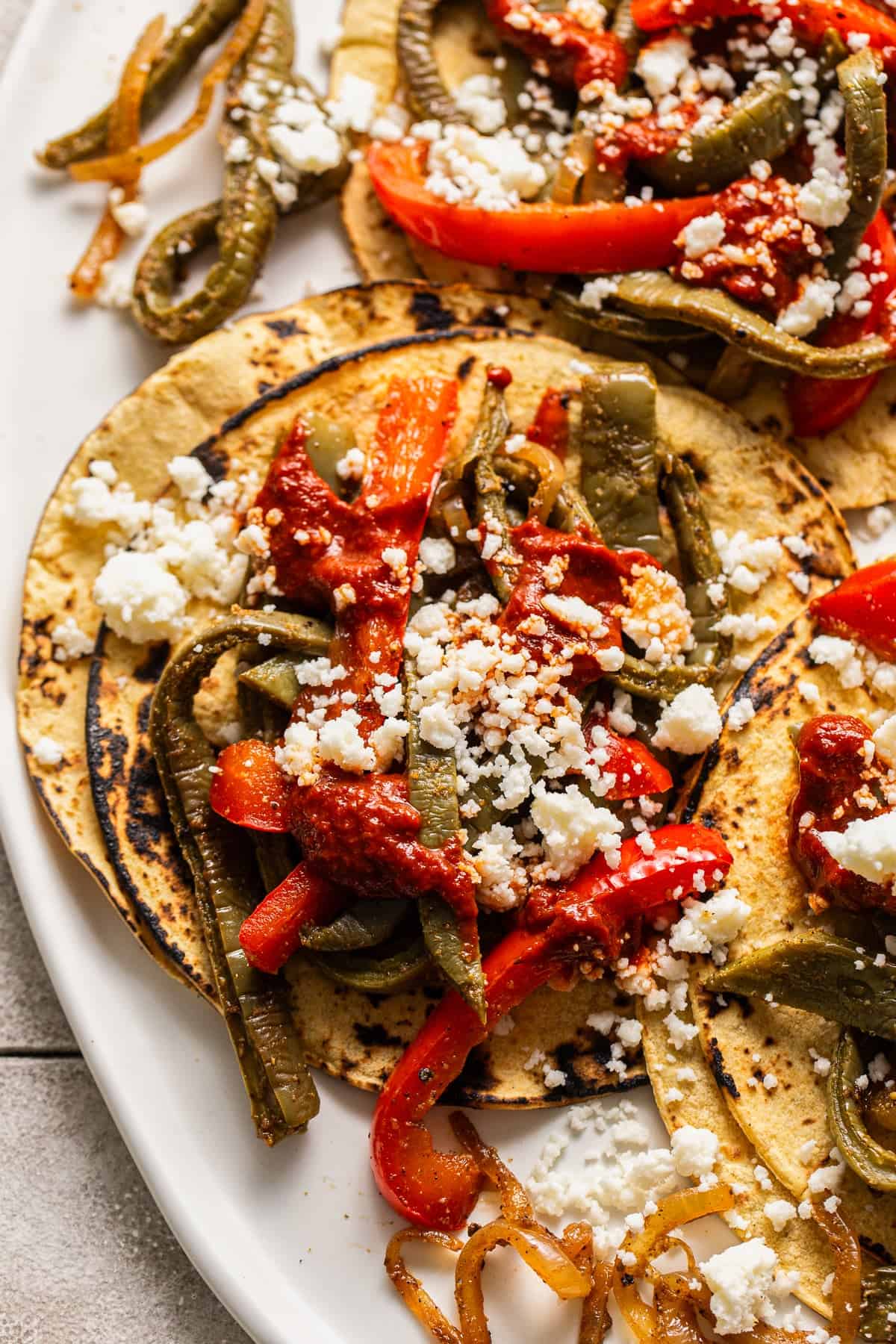
The contemporary nopales taco is a study in balance. Because the cactus itself possesses a tart, slightly acidic flavor—often described as a cross between green beans and asparagus—it requires robust accompaniments.
The traditional preparation, often seen in the central regions of Mexico, involves a "chile rojo" or red chile base. This is achieved by rehydrating dried guajillo chiles—a mild, thin-skinned pepper—and blending them with aromatics such as garlic, tomato, and chipotles in adobo. The guajillo provides a smoky, earthy undertone, while the chipotle adds a layer of depth and heat.
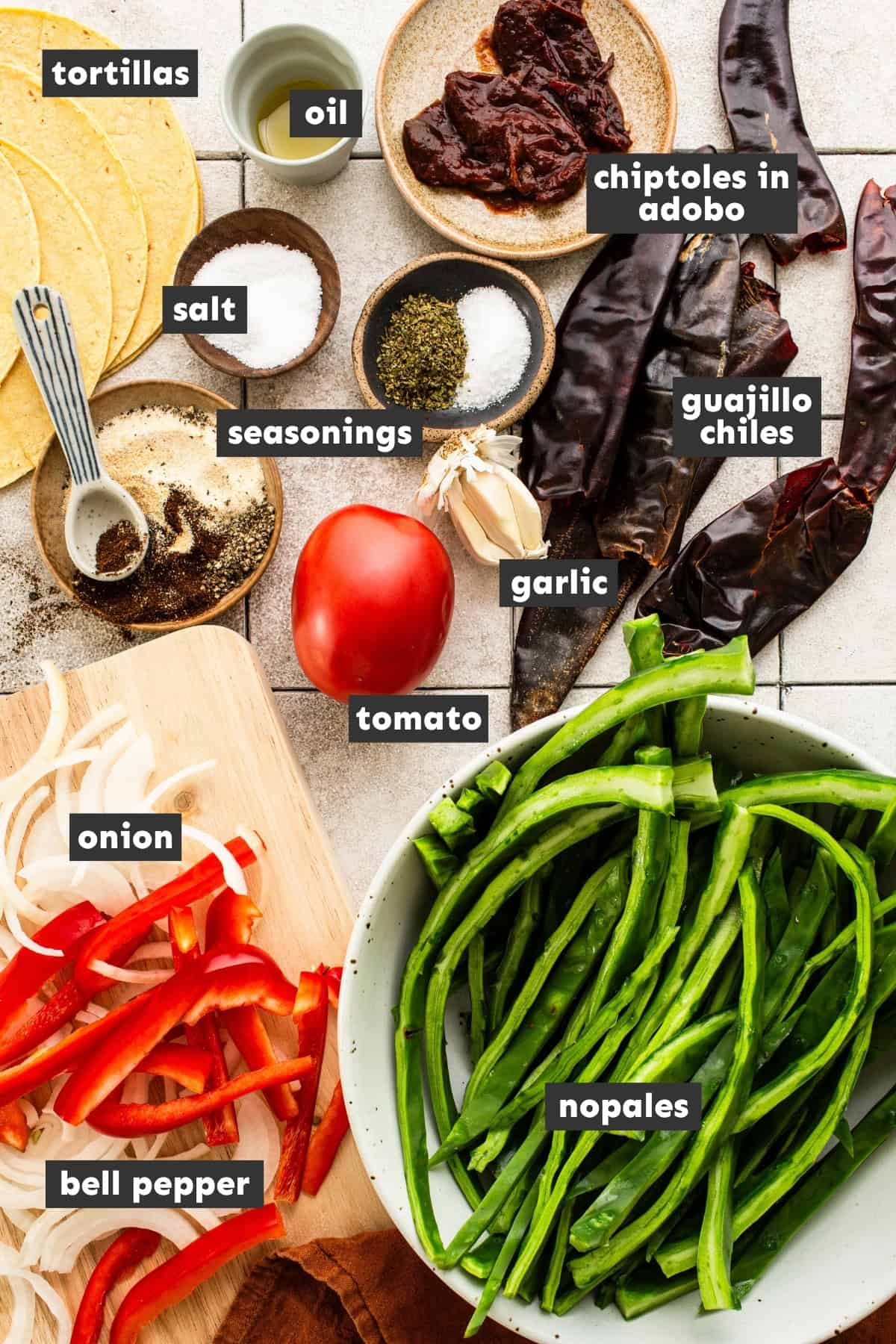
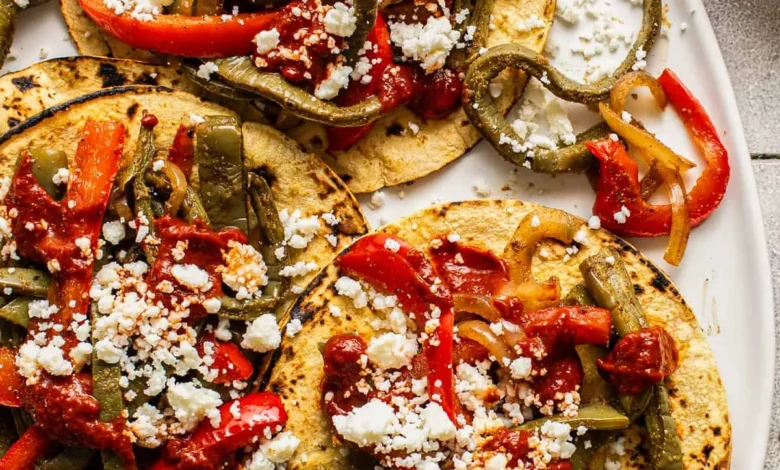
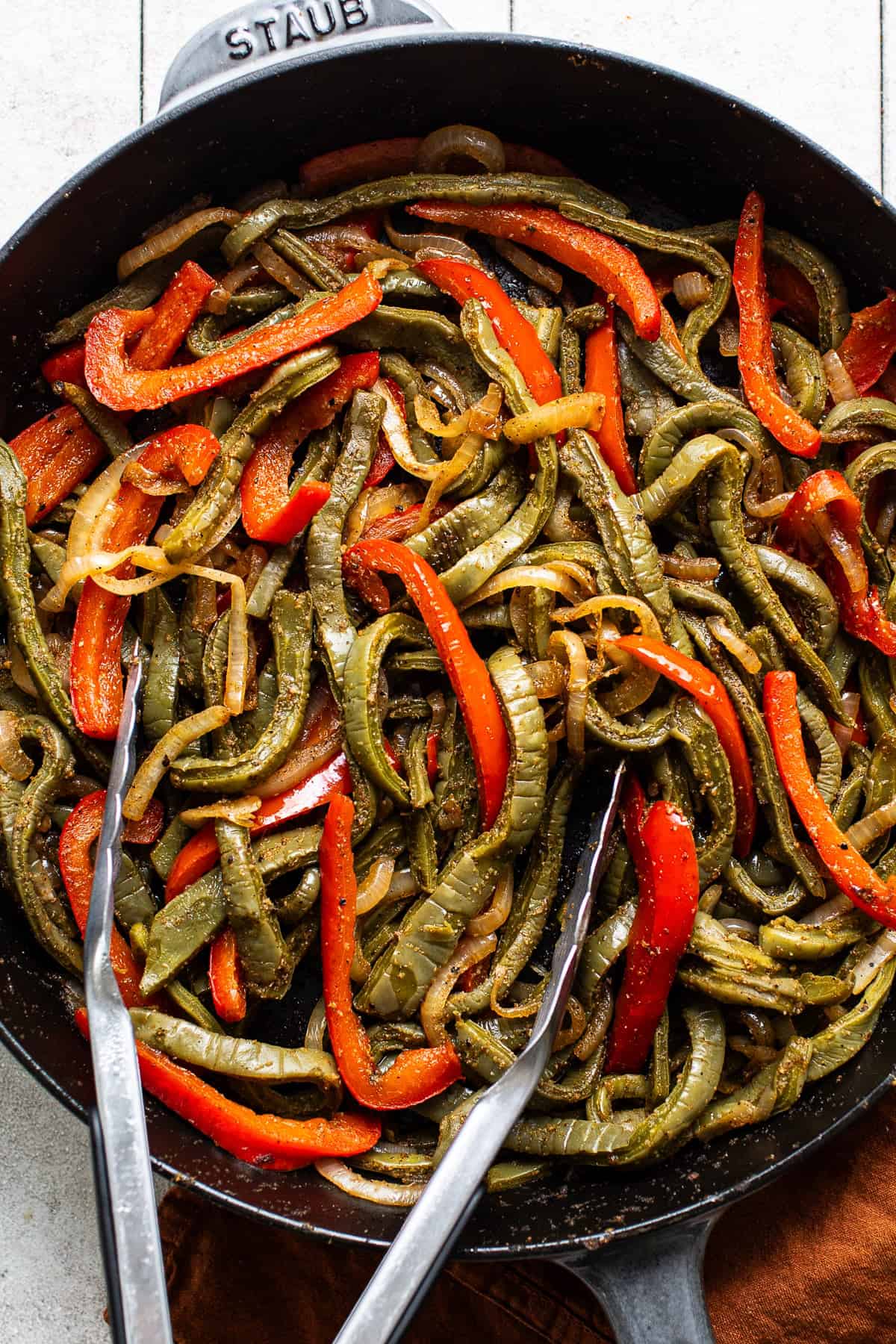
When constructing the taco, the texture of the nopales is balanced by the addition of sweet or pungent aromatics. Sautéed white onions and bell peppers are frequently added to the skillet, providing a necessary crunch and sweetness to counteract the natural sourness of the cactus. The final assembly usually features a fresh, crumbled cheese such as queso fresco or cotija, which introduces a salty, creamy element that stabilizes the acidity of the guajillo salsa.
Preparing Nopales: A Standardized Protocol
For those seeking to prepare this dish, the process involves a disciplined, step-by-step approach to ensure optimal texture and flavor.
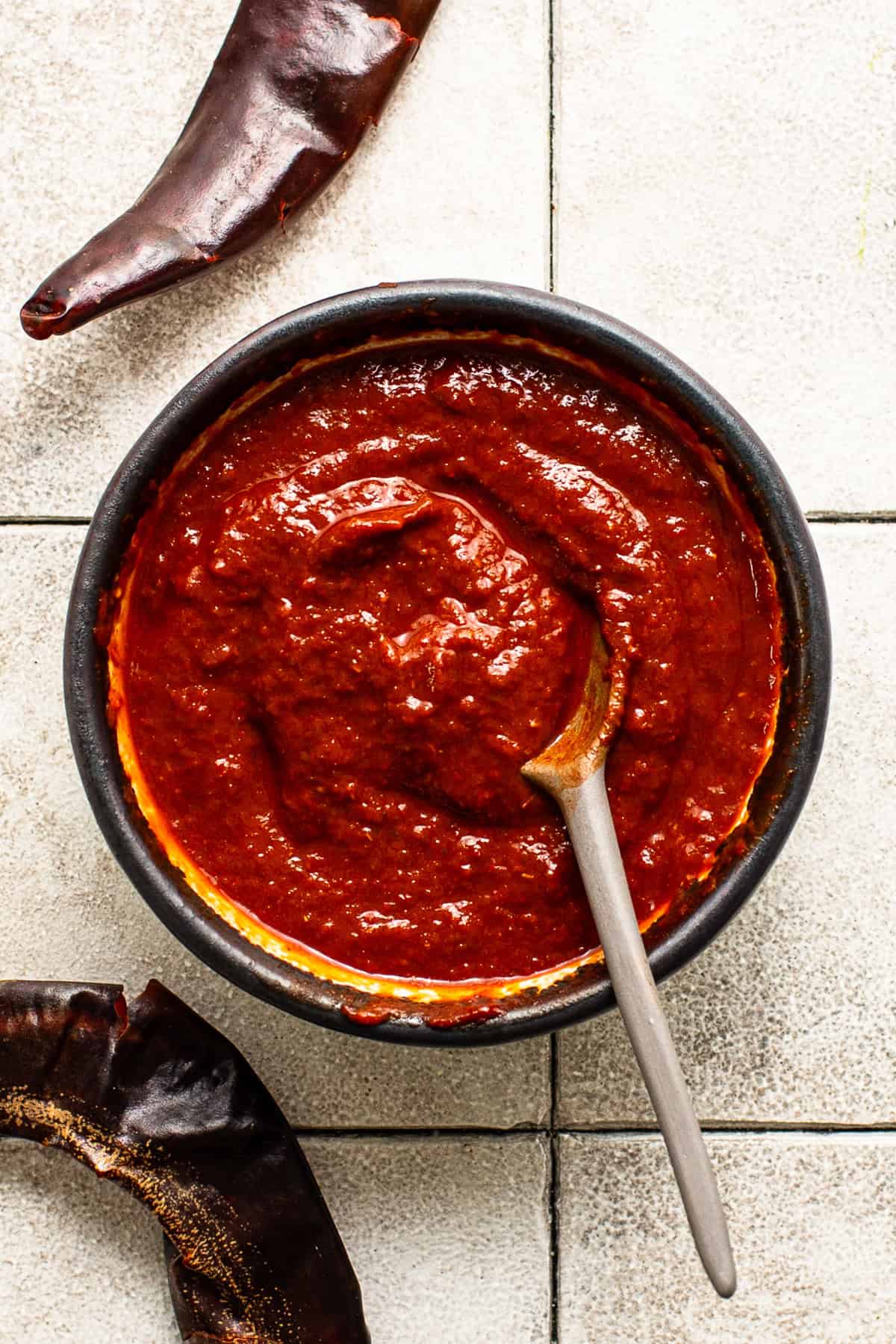
- Salsa Development: The foundation of the flavor profile rests on the guajillo salsa. Dried chiles should be boiled until pliable, then blended with fire-roasted tomatoes, garlic cloves, and a pinch of dried Mexican oregano. This process, typically taking no more than 15 minutes, creates the base sauce.
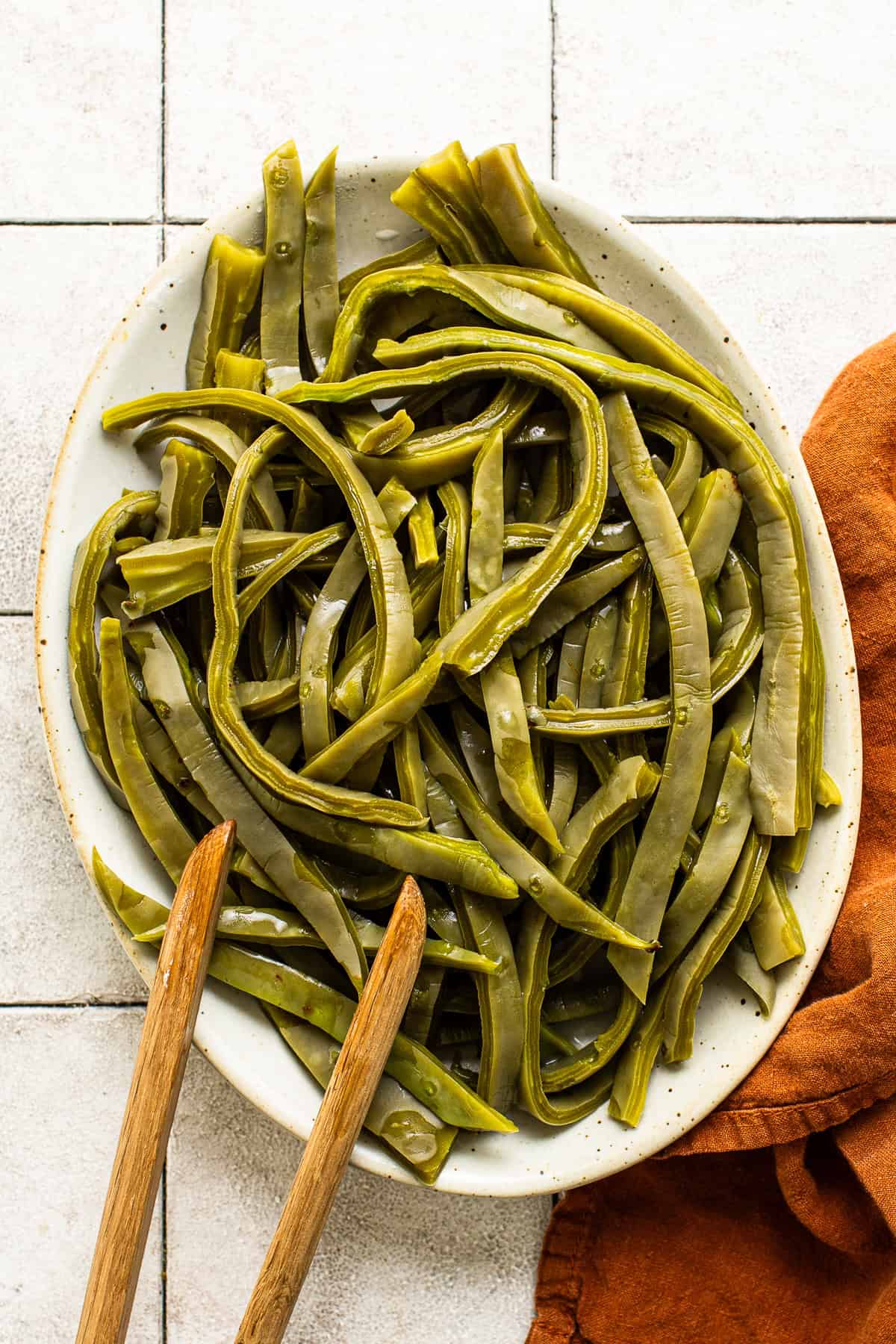
- Cactus Processing: To eliminate the babas, the nopales are boiled in water seasoned with salt for approximately 10 minutes. The transition of the plant from a vibrant green to a dull olive hue signals that the pectin has been sufficiently broken down. Rinsing the boiled nopales in warm—not cold—water is essential to maintain the temperature for the subsequent sauté.
- The Sauté: A hot skillet, typically coated with a neutral oil or olive oil, is required. Onions and peppers should be caramelized to a golden brown before the nopales are introduced. This allows the cactus to absorb the flavors of the aromatics rather than simply stewing in its own juices.
- Assembly: The use of fresh, warm corn tortillas is non-negotiable in maintaining the integrity of the taco. The corn base provides a nutty flavor that complements the earthiness of the cactus.
Challenges and Considerations
Despite its rising popularity, the consumption of nopales faces logistical challenges. Because they have a high water content, the cooked product does not freeze well. Freezing causes the cell walls to rupture, resulting in a mushy, unappealing texture upon thawing. Culinary experts advise against preparing large batches for long-term storage, recommending that the filling be made fresh.
Additionally, the perception of "slime" remains the primary deterrent for new consumers. However, professional chefs emphasize that this is a technical issue, not an inherent flaw. By utilizing dry-grilling methods—where the cactus is placed directly over an open flame or on a cast-iron grill—the babas are evaporated instantly, resulting in a charred, smoky, and non-slimy product that mimics the texture of a roasted vegetable.
Broader Economic and Environmental Impact
The global interest in nopales is not just a trend; it has economic implications for arid-climate farming. As climate change increases the frequency and severity of droughts, the prickly pear cactus—which requires minimal water compared to traditional crops—is being identified as a sustainable agricultural solution.
Research from the Food and Agriculture Organization (FAO) suggests that the Opuntia plant could play a crucial role in food security for regions facing water scarcity. As demand for nopales grows, agricultural sectors in the southwestern United States and Northern Mexico are expanding their cultivation, turning a previously wild or forage-based plant into a commercial commodity.
Conclusion
The nopales taco represents a fusion of ancient agricultural wisdom and modern culinary innovation. By understanding the chemical properties of the cactus paddle and applying proper cooking techniques, cooks can transform a resilient desert plant into a sophisticated, nutrient-dense meal. Whether served in a professional kitchen or a home dining room, the dish serves as a testament to the versatility of Mexican ingredients and their enduring relevance in a globalized food system. As research into the health benefits of the prickly pear continues to expand, it is likely that the nopal will maintain its trajectory from a traditional staple to a mainstay in health-conscious, plant-forward diets worldwide.