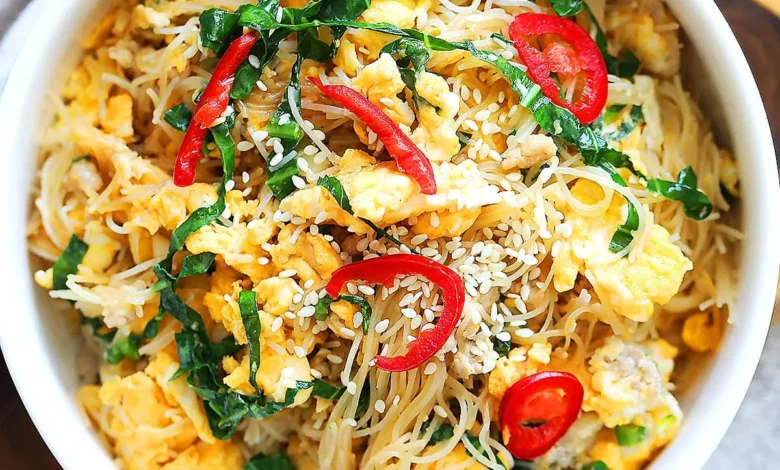
Culinary enthusiasts and home cooks seeking an efficient, flavorful, and nutritionally balanced weeknight dinner have increasingly turned to rapid stir-fry adaptations, with the Chinese egg fried noodle emerging as a preeminent option. Combining delicate rice vermicelli, savory ground pork, crisp gailan (Chinese broccoli), and a generous portion of soft scrambled eggs bound by soy and oyster sauces, this dish represents a masterclass in rapid, one-pan meal preparation. In an era where consumers face mounting time constraints regarding meal planning, streamlined recipes that prioritize authentic Asian flavor profiles without requiring extensive preparation time have gained significant traction across global domestic kitchens.
Background and Culinary Context
The tradition of stir-frying rice noodles spans centuries across various regions of China and Southeast Asia, evolving from street food culture and humble household resourcefulness. Rice vermicelli, known for its rapid rehydration and versatility, serves as a blank canvas capable of absorbing complex umami-rich liquids such as oyster sauce and aged soy sauce. Historically, dishes of this nature were designed to maximize limited kitchen resources—frequently utilizing a single wok over high heat to minimize fuel consumption and cleanup while delivering a high-density caloric meal.
In contemporary home cooking, the integration of protein-dense components like whole eggs and ground pork transforms a carbohydrate-heavy side dish into a complete nutritional package. Dietary data indicates that incorporating four large eggs into a three-to-four-serving noodle dish significantly increases the yield of high-biological-value protein and essential micronutrients, including vitamin A, vitamin C, and iron. This culinary approach bridges the gap between traditional techniques and modern lifestyle demands, offering a standardized method that yields consistent results in under twenty minutes.
Step-by-Step Chronology and Preparation Methodology
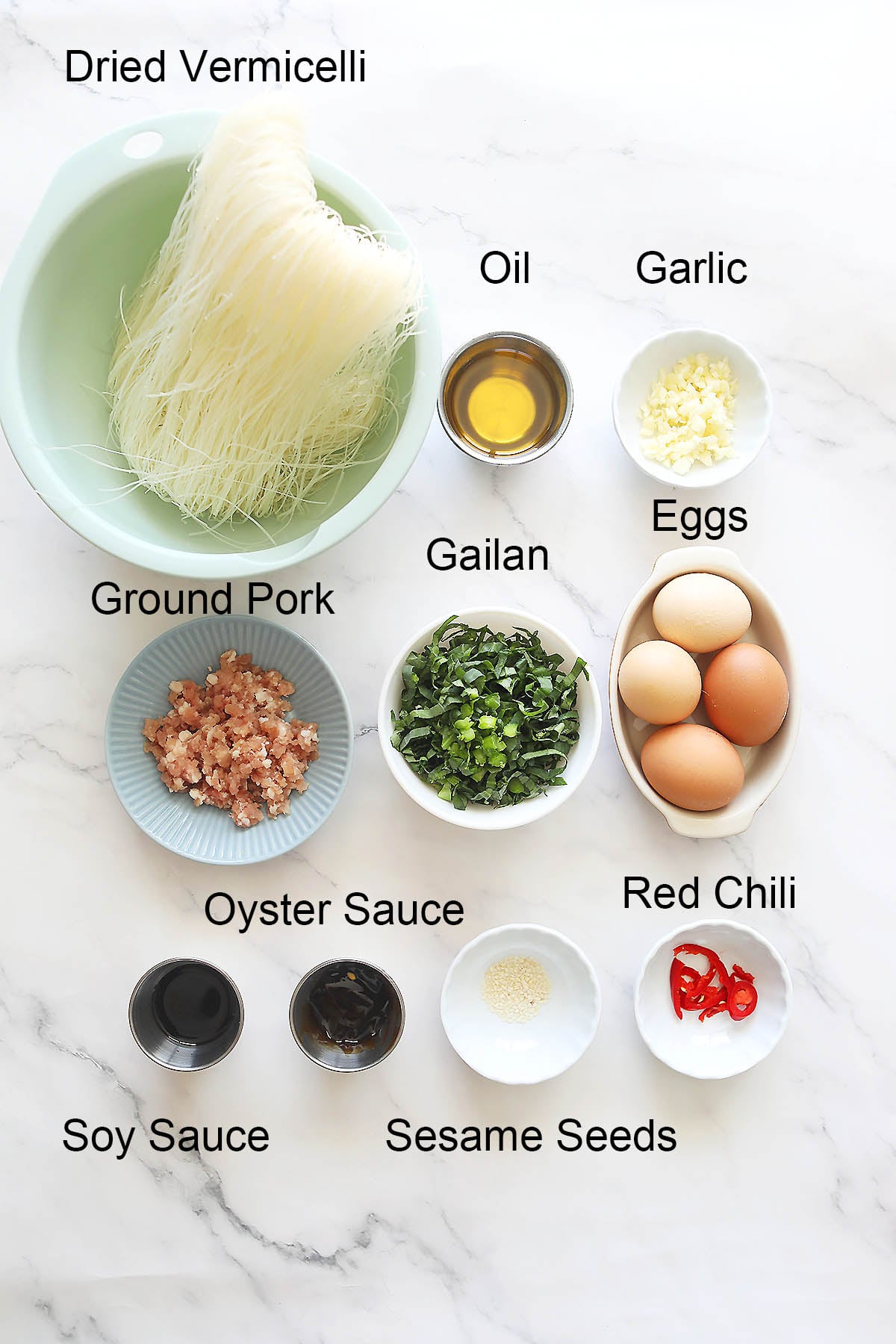
Executing a successful batch of Chinese egg fried noodles requires precise timing and adherence to specific culinary mechanics. The preparation process follows a strict chronological sequence designed to prevent the delicate rice noodles from degrading into an undesirable texture.
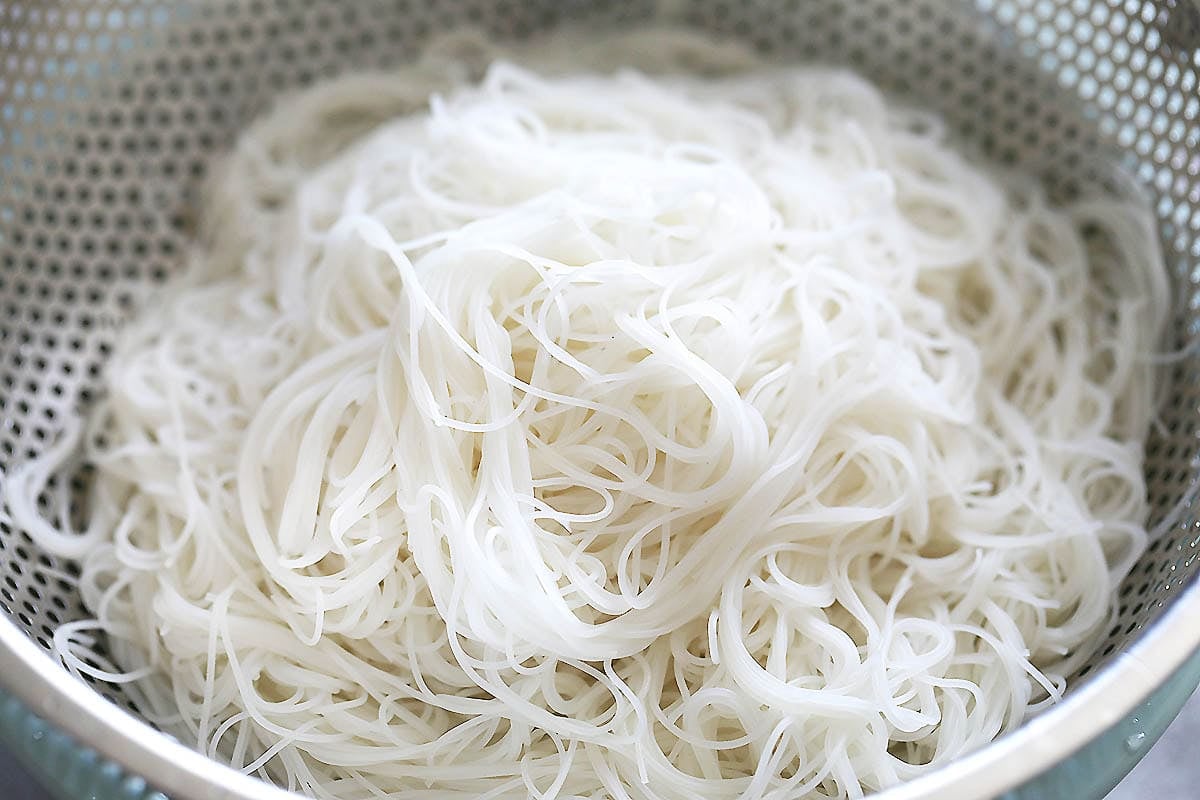
The preparation timeline begins with the crucial rehydration phase. Dried rice vermicelli must be submerged in warm water rather than boiled. Culinary experts emphasize that boiling thin rice varieties initiates immediate structural breakdown, resulting in a mushy product incapable of holding up to the aggressive thermal energy of a wok. Conversely, soaking the noodles in warm water for the duration of the prep work—typically five to seven minutes—allows the strands to absorb moisture evenly while retaining the internal tensile strength necessary for stir-frying.
Once the noodles are sufficiently softened, they must be drained thoroughly. Professional kitchen standards dictate that excess moisture be vigorously shaken out in a colander. Retained surface water causes the ingredients to steam rather than fry when introduced to the hot oil, diluting the caramelization process and creating an uneven texture.
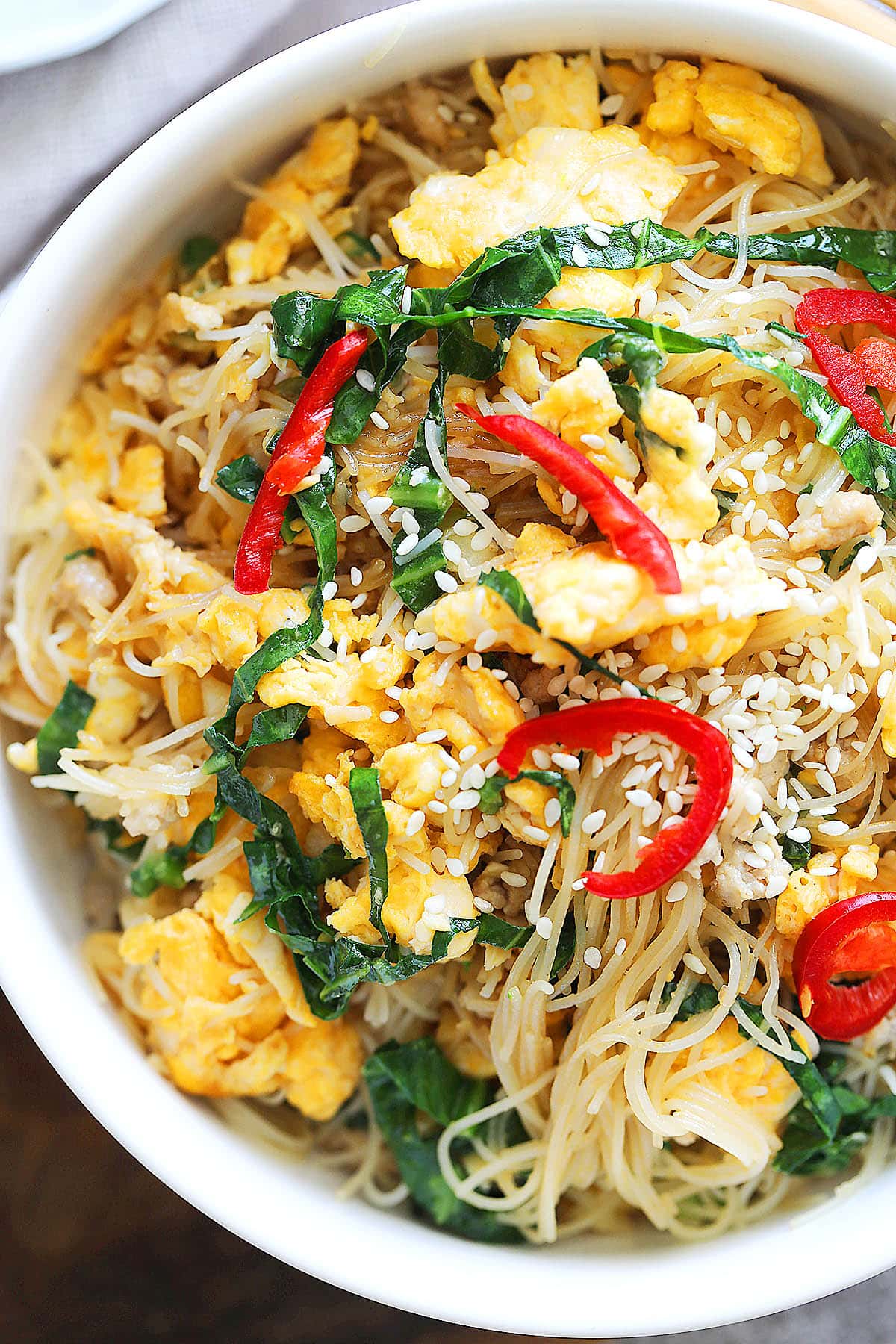
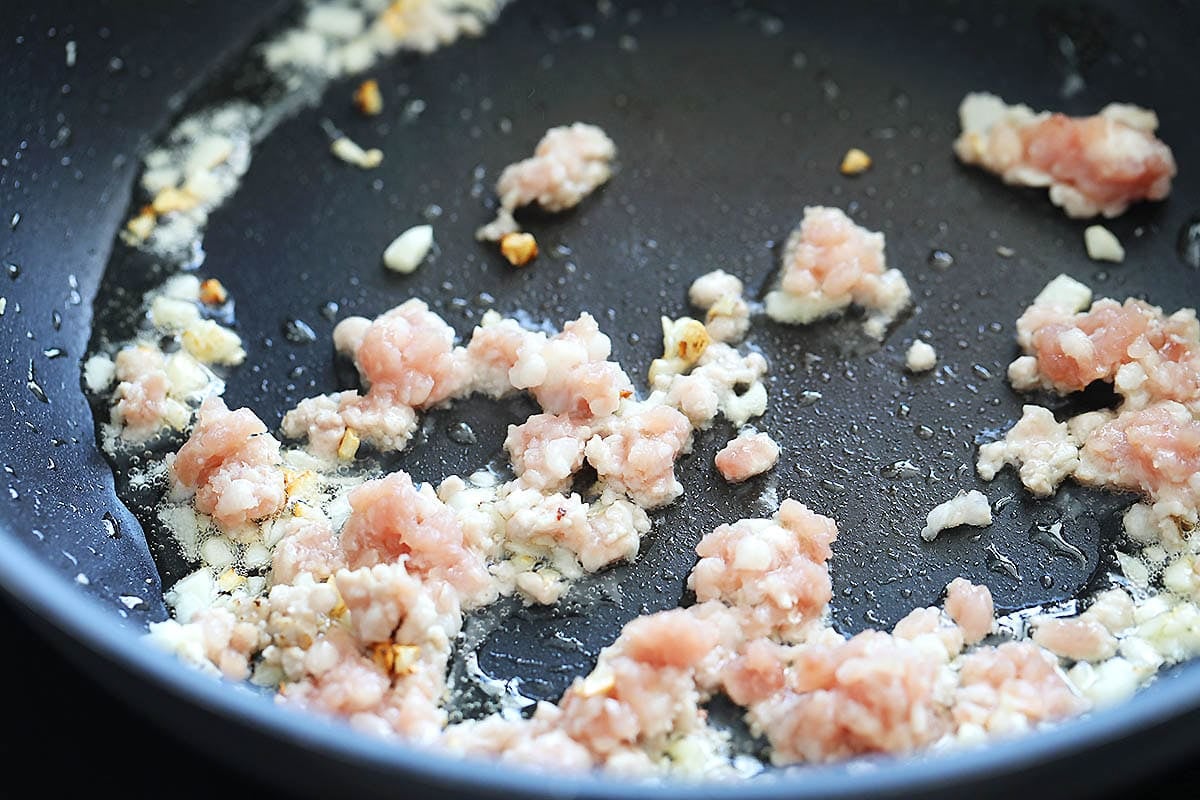
The active cooking sequence commences with the preparation of the flavor base. A high-smoke-point neutral oil—such as canola, peanut, or vegetable oil—is heated in a wok or deep skillet over medium-high heat. Minced garlic is introduced briefly until aromatic, followed immediately by ground pork, preferably featuring an 80/20 meat-to-fat ratio. As the pork sears, the rendered fat contributes essential lipids that coat the wok and impart richness to the subsequent ingredients. The meat is broken down into small, uniform crumbles until fully opaque.
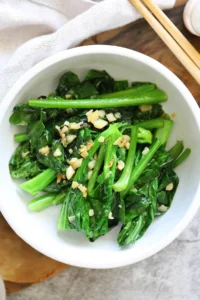
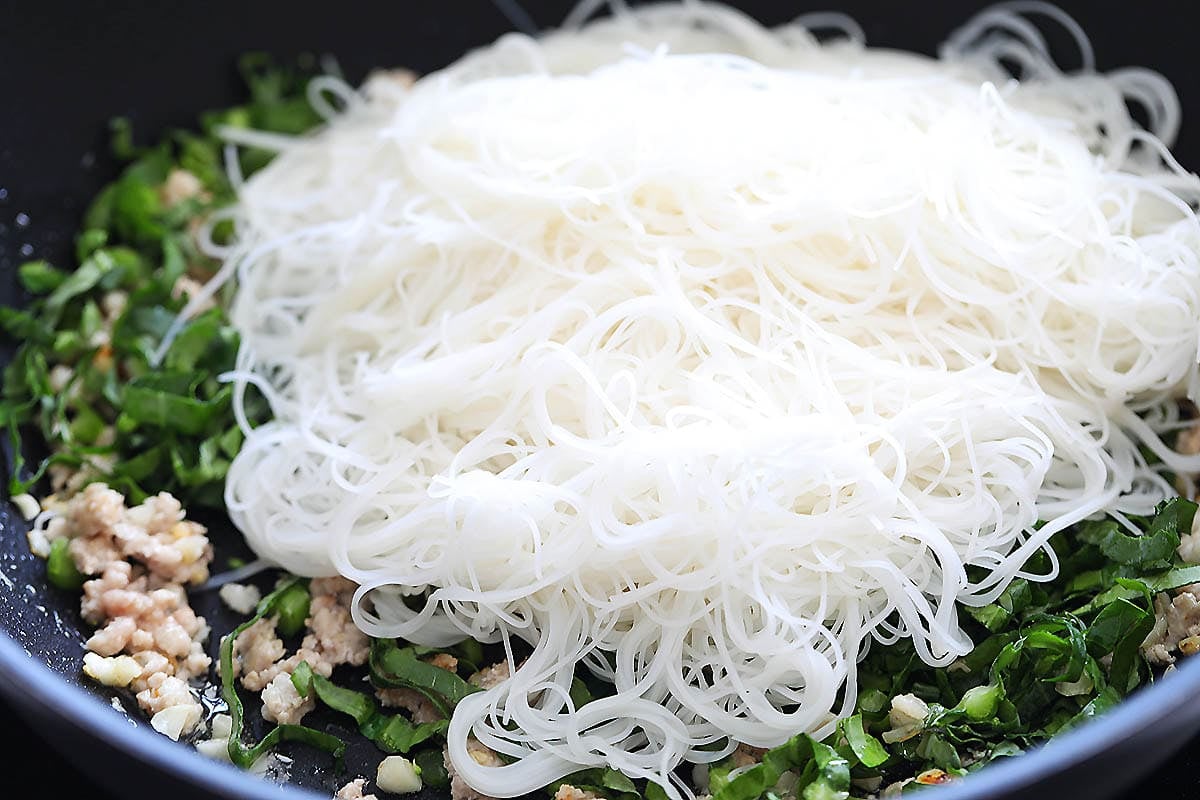
Following the pork, trimmed gailan leaves and slender stems are incorporated, offering a textural contrast and herbaceous bitterness that cuts through the savory sauce. The drained vermicelli is then added to the wok, immediately accompanied by precise applications of soy sauce and oyster sauce. Rather than using the flat surface of a spatula—which risks severing the long noodle strands—cooks are advised to utilize the corner of the utensil to gently lift and fold the mixture, ensuring the sauces coat every component evenly.
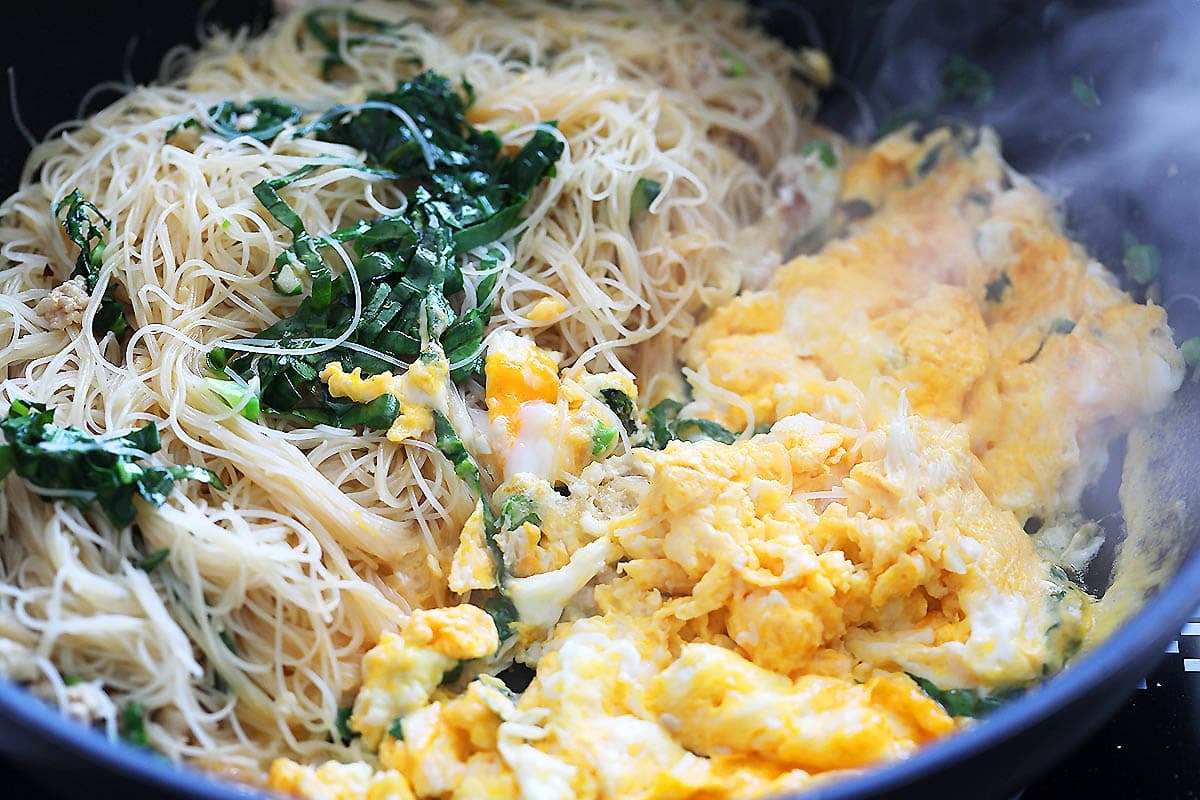
To integrate the eggs without crowding the pan or overcooking the noodles, the solid ingredients are pushed to one side of the wok, clearing a small surface area of the metal. Additional oil is applied to this cleared space, into which whole eggs are cracked directly. The heat is elevated to rapidly produce soft, voluminous curds. Once the eggs are just set, they are broken into smaller fragments and folded entirely into the noodle and pork mixture before final plating.
Nutritional Analysis and Dietary Considerations
From a nutritional perspective, a standard serving of this egg-fried noodle preparation provides a balanced macronutrient profile. Laboratory-calculated nutritional approximations for a recipe yielding three portions indicate an average per-serving breakdown of approximately 389 kilocalories, 43 grams of carbohydrates, 14 grams of protein, and 17 grams of fat, of which 4 grams are saturated fat.
The inclusion of gailan contributes dietary fiber (approximately 2 grams per serving) alongside notable quantities of Vitamin C and calcium, helping to offset the sodium content derived from the soy and oyster sauces, which registers at roughly 939 milligrams per serving. Dietitians note that while sodium levels are moderately high—typical of soy-based Asian stir-fries—the overall caloric density remains controlled, making it an efficient energy source for physically active individuals or those seeking a controlled-portion evening meal.
Substitutions and Adaptability
The versatility of the Chinese egg fried noodle formula allows for extensive adaptation based on dietary restrictions, regional preferences, or pantry availability. While ground pork serves as the standard animal protein, alternative proteins such as minced chicken, lean turkey, finely diced firm tofu, or peeled shrimp integrate seamlessly into the workflow without disrupting the cooking timeline.
Similarly, when gailan is unavailable, home cooks frequently substitute other sturdy greens such as bok choy, yu choy sum, or broccolini. These alternatives share the structural integrity required to withstand high-heat tossing while absorbing the surrounding umami-rich sauces. For those requiring a gluten-free variant, standard soy sauce can be replaced with certified tamari, provided the oyster sauce is also verified as gluten-free.
Storage, Shelf Life, and Food Safety Protocols
Managing leftovers of cooked rice vermicelli requires adherence to strict food safety guidelines to maintain palatability and prevent bacterial proliferation. Prepared noodles stored in an airtight container can be refrigerated safely for three to four days. However, culinary professionals stress that proper cooling is paramount prior to containerization; sealing hot noodles traps steam, which condenses inside the vessel and accelerates the degradation of the noodle texture into an unpalatable, waterlogged consistency.
Regarding rethermalization, microwave reheating is best achieved by covering the portion with a damp paper towel and applying moderate heat in thirty-second intervals, tossing intermittently to ensure even temperature distribution. Alternatively, flash-heating the leftovers in a lightly oiled hot skillet for approximately two minutes restores the desirable wok-charred finish and revitalizes the texture of the rice strands. Freezing is strongly discouraged, as the freezing process alters the starch structure of thin rice vermicelli, resulting in an unacceptably crumbly and watery texture upon thawing.
Broader Culinary Implications and Expert Reception
The popularity of quick-assembly noodle dishes reflects broader shifts in modern food culture toward accessible, home-cooked Asian cuisine. Culinary educators and food media outlets frequently highlight recipes of this nature for their educational value, demonstrating fundamental wok management techniques, temperature control, and the efficient execution of multi-step stovetop cooking within a minimal timeframe.
As consumers continue to seek culinary authenticity paired with weeknight practicality, simplified yet traditional preparations like Chinese egg fried noodles demonstrate the enduring viability of classic techniques in contemporary domestic gastronomy. By emphasizing foundational skills—such as proper noodle hydration and strategic pan-staging—home cooks can achieve results that rival commercial dining establishments while maintaining complete control over ingredient quality and nutritional content.