Elevating the Traditional Dessert: An In-Depth Analysis of the Rhubarb Cheesecake Phenomenon

The classic British pairing of rhubarb and custard has long served as a cornerstone of culinary tradition, balancing the intense, acidic bite of forced or field-grown rhubarb against the smooth, velvety sweetness of a traditional egg-and-cream custard. In recent years, professional pastry chefs and home bakers alike have sought to modernize this duo, resulting in the emergence of the Rhubarb Cheesecake. This dessert serves as a structural evolution of the original pairing, utilizing the natural properties of cream cheese—which is essentially a cultured, stabilized custard—to provide a sophisticated, high-fat vehicle for the vegetable’s unique flavor profile.
Culinary Origins and the Evolution of the Custard Base
The historical foundation of the rhubarb and custard pairing traces back to 19th-century Britain, where rhubarb was frequently cultivated in the "Rhubarb Triangle" of West Yorkshire. Because rhubarb is highly acidic and fibrous, it requires significant sugar and a rich, fatty counterpart to become palatable as a dessert. The standard custard, thickened with eggs and cream, provided the necessary mouthfeel to counteract the astringency of the rhubarb.
The modern cheesecake, as defined in contemporary gastronomy, follows a similar chemical trajectory. By incorporating cream cheese, which is derived from the coagulation of cream, with sugar and eggs, the batter essentially functions as a baked custard. When heat is applied, the proteins in the eggs denature and coagulate, creating a stable, dense structure. This structural integrity allows for the inclusion of fruit compotes—specifically rhubarb—without compromising the overall consistency of the dessert. Culinary experts note that the substitution of traditional liquid custard for a cream cheese-based structure offers a more robust platform for plating and presentation, making it a preferred choice for modern catering and artisanal bakery environments.
The Technical Methodology: Dual-Stage Integration
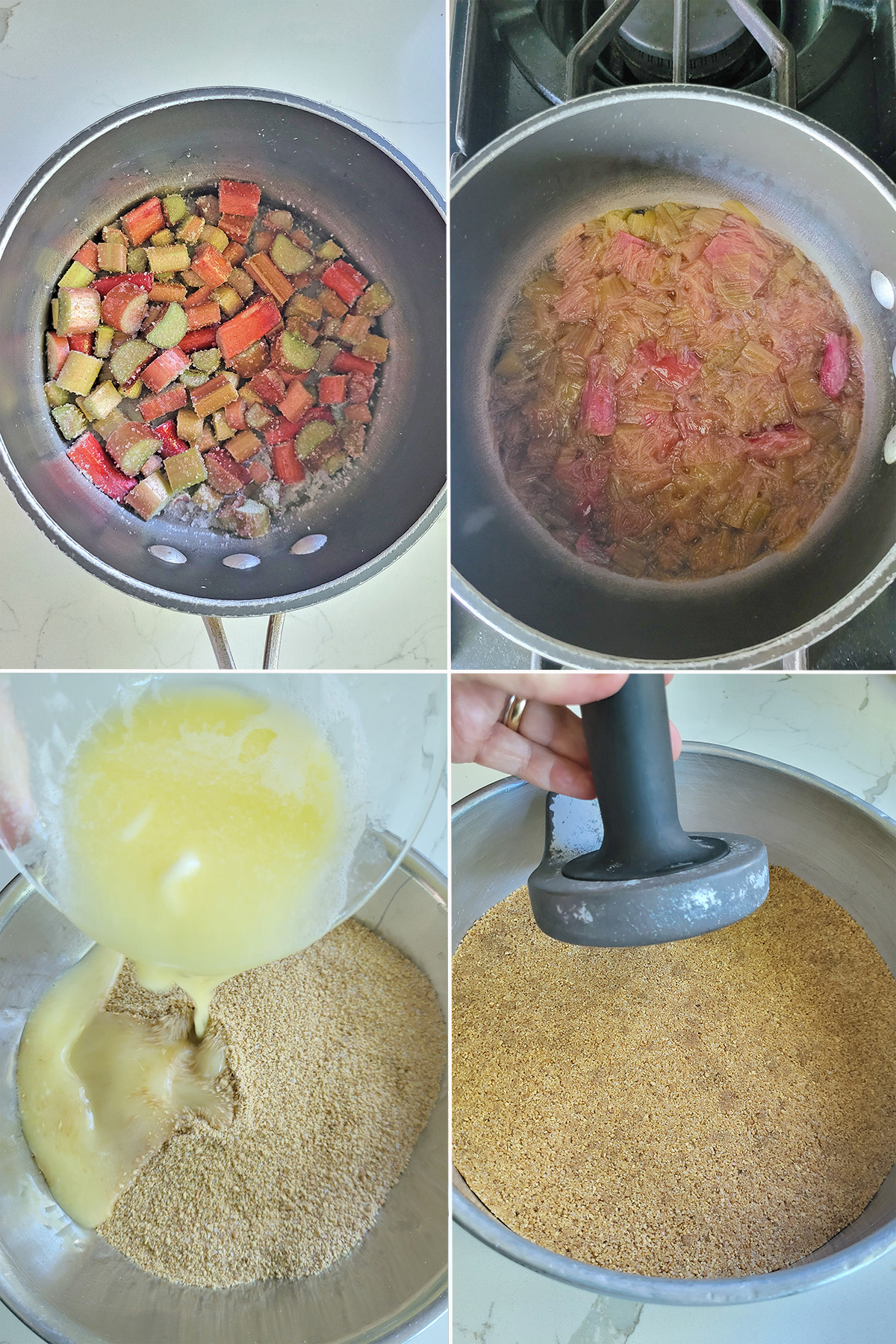
The technical execution of a high-quality rhubarb cheesecake relies on a dual-stage integration process to ensure both flavor penetration and aesthetic appeal. The primary stage involves the creation of a concentrated rhubarb compote. Rhubarb contains approximately 94 percent water, which can pose a challenge in baking; if added directly in raw form, it can release excessive moisture, leading to a soggy crust or a curdled, weeping cheesecake. By reducing the rhubarb into a compote, bakers can evaporate excess water and concentrate the flavor, allowing for a more controlled swirl within the batter.
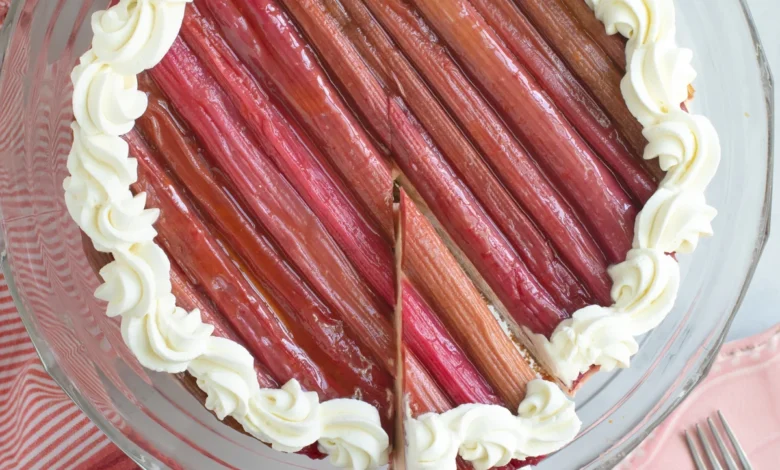
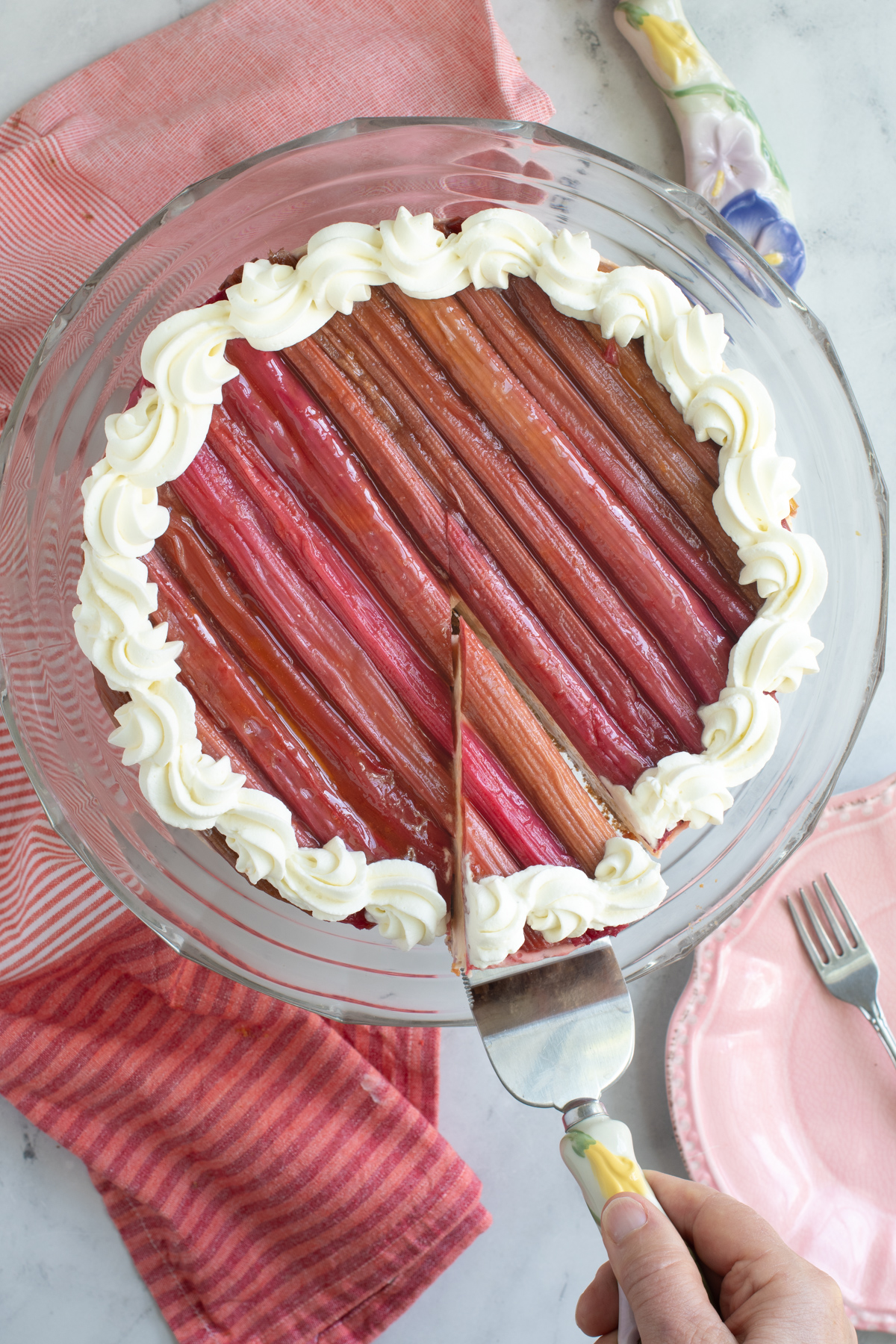
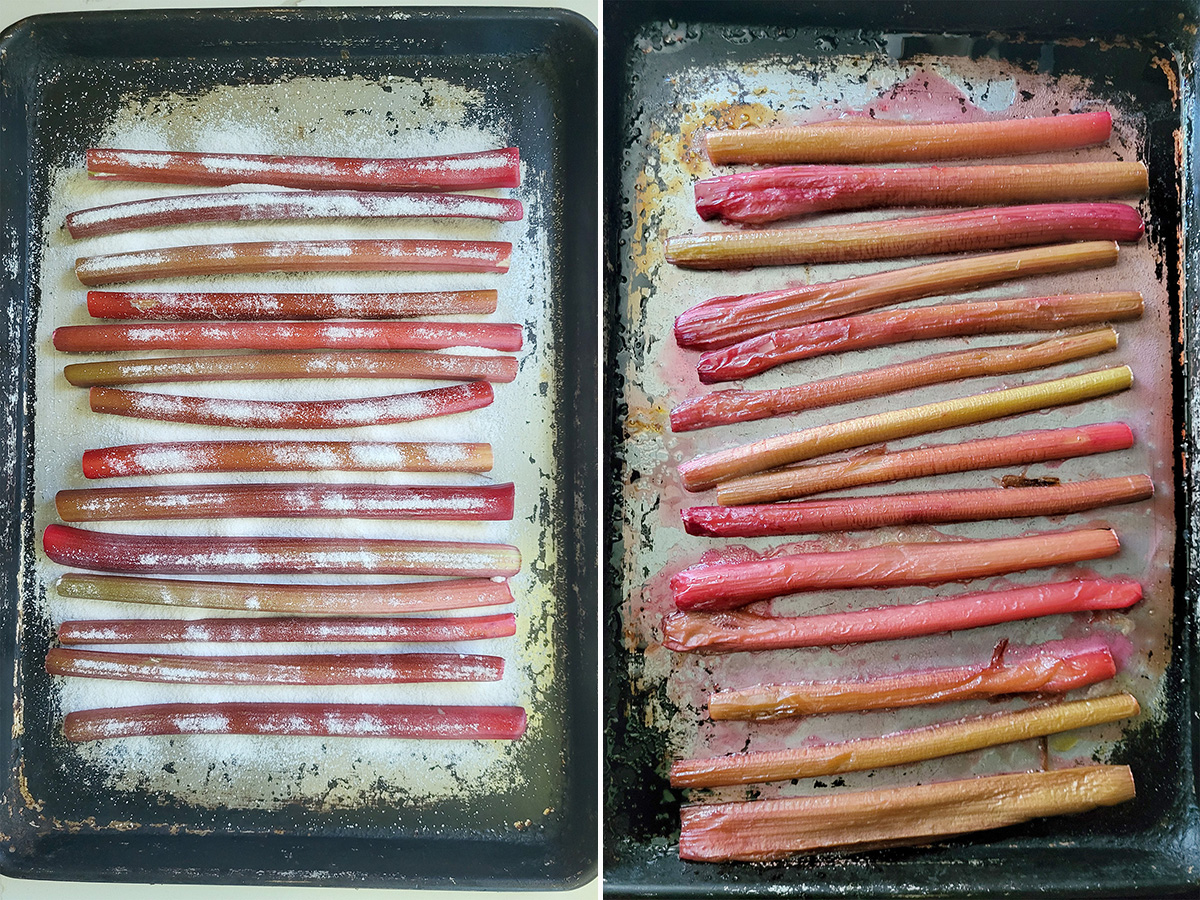
The secondary stage involves the application of a roasted rhubarb topping. Roasting is considered the superior method for preparing the decorative element of the dish because it caramelizes the natural sugars present in the stalks. When subjected to dry heat, the stalks soften while maintaining their structural shape, providing a sharp visual contrast to the uniform, pale cream cheese filling. Data from culinary sensory panels suggest that roasting also intensifies the "tang" by concentrating the oxalic acid present in the plant, ensuring that the topping remains distinct from the sweetened, creamy base.
Chronology of Preparation and Structural Stability
A standard production cycle for this dessert requires careful attention to time management, given the need for stabilization. The process typically adheres to the following timeline:
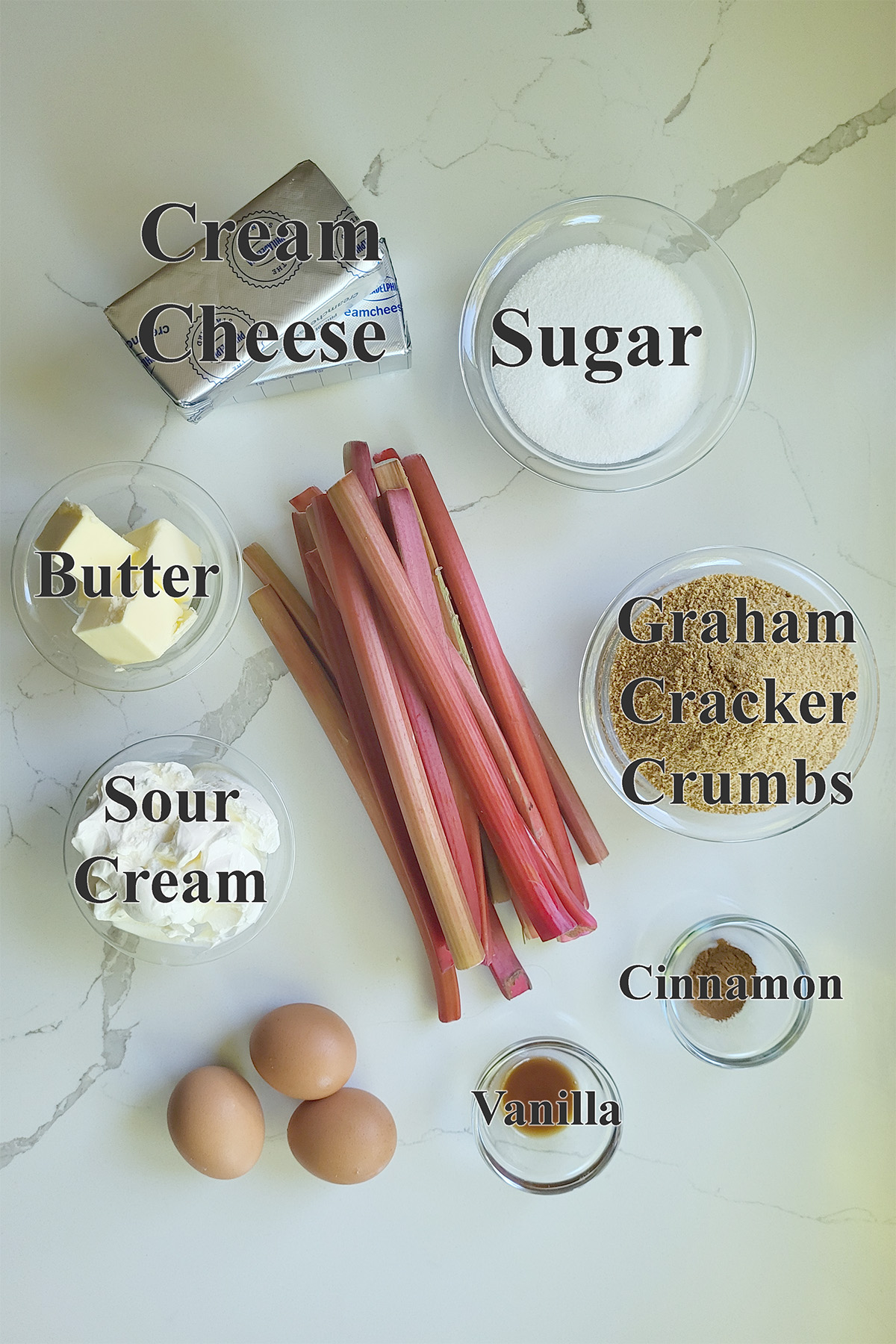
- Phase One: Component Preparation (30–45 minutes): The initial phase involves the reduction of the rhubarb for the compote and the preparation of the base, typically a graham cracker or digestive biscuit crust. The crust must be pre-baked to prevent saturation from the filling.
- Phase Two: The Thermal Process (50–60 minutes): The cheesecake is baked at a controlled, moderate temperature. Professional standards dictate that the center should retain a slight wobble, which will solidify during the cooling process. Overbaking can lead to the structural degradation of the proteins, resulting in a grainy texture.
- Phase Three: The Controlled Cooldown (4–6 hours): This is the most critical phase. The dessert requires a gradual transition to room temperature before moving to refrigeration. Rapid temperature changes can cause the surface of the cheesecake to crack, which is a common failure point in home baking.
- Phase Four: Finishing and Service: The roasted rhubarb topping and any additional garnishes—such as stabilized whipped cream—are added only shortly before service to prevent the acidity of the fruit from breaking down the dairy components.
Nutritional Profile and Dietary Considerations
From a nutritional standpoint, the rhubarb cheesecake is a high-caloric-density item, primarily driven by the fat content of the cream cheese and the sugar required to offset the rhubarb. A standard 18-serving cake provides approximately 323 kilocalories per slice. The macronutrient breakdown is characterized by 19 grams of fat and 37 grams of carbohydrates.
While not traditionally categorized as a health-conscious dessert, the inclusion of rhubarb does provide a minor boost in fiber and Vitamin C, though these are largely mitigated by the sugar content. For individuals with dietary restrictions, the high fat content makes the dish unsuitable for those requiring low-lipid intake, though variations using lower-fat Greek yogurt or strained quark have been documented in recent culinary literature, provided the stabilizer ratios are adjusted accordingly.
Market Implications and Future Trends
The resurgence of rhubarb in high-end pastry menus reflects a broader trend toward "heritage" ingredients and seasonal sourcing. Agriculture experts report that demand for rhubarb has seen a steady increase as consumers seek alternatives to more common, year-round berries. The professional response to this demand has been to treat rhubarb as a versatile ingredient capable of bridging the gap between savory and sweet.
Analysts in the food and beverage industry suggest that the success of the rhubarb cheesecake is a symptom of the "elevated comfort food" movement. By taking a nostalgic pairing and applying professional pastry techniques, bakers are able to command higher price points while utilizing seasonal, locally available produce. The reliance on this specific structural technique—using the cream cheese as a custard—allows for greater experimentation. Future iterations are expected to incorporate flavor infusions such as ginger, cardamom, or rose water, which complement the natural tartness of the rhubarb while adding layers of complexity to the classic custard base.
Storage and Handling Best Practices
Industry standards for the storage of cream-based desserts are strict due to the high moisture and protein content, which makes them susceptible to bacterial growth and structural weeping. The assembled cheesecake, provided it remains free of whipped cream or fresh garnish, can be stored in an airtight environment for up to 48 hours. Once the topping is applied, the shelf life is reduced to approximately 72 to 96 hours.
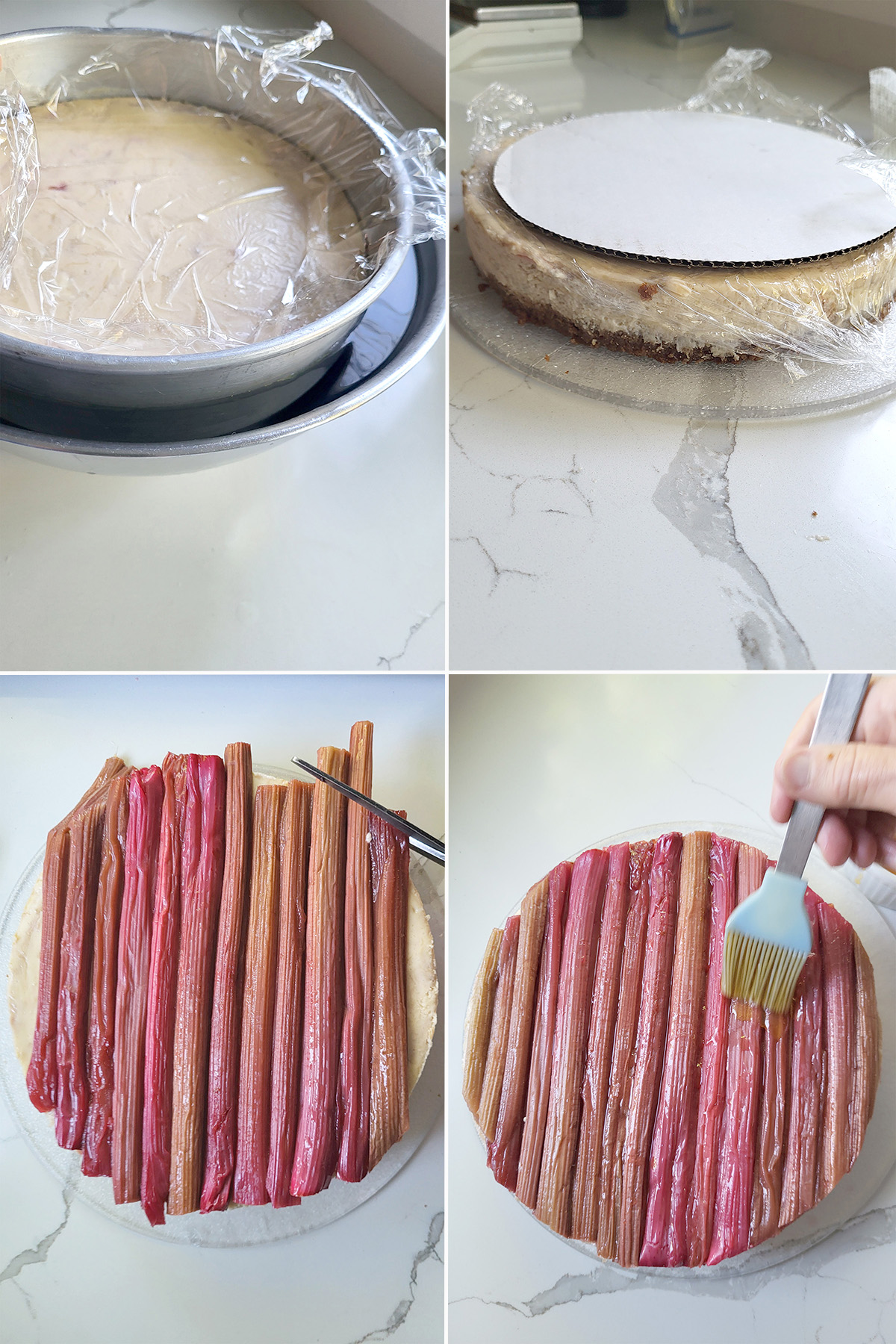
Professional kitchens often advise against storing the finished product with the fruit topping for extended periods, as the fruit’s natural juices will migrate into the cheesecake, causing the crust to soften and the surface of the cake to discolor. For optimal results, the topping should be applied as a "just-in-time" component. This ensures that the aesthetic integrity of the roasted stalks is maintained and that the flavor profile remains sharp and clean, preventing the "muddied" taste that occurs when the components are combined too far in advance. As consumer interest in seasonal baking continues to evolve, the rhubarb cheesecake stands as a testament to the enduring appeal of pairing bold, acidic botanicals with the rich, stabilizing influence of the classic custard.