The culinary landscape of home cooking has increasingly shifted toward cost-effective, nutrient-dense protein sources, placing chicken drumsticks and thighs at the forefront of modern meal planning. As global food inflation continues to impact household budgets, the demand for versatile, budget-friendly cuts of meat has surged. Chicken legs, known for their high fat content compared to breast meat, offer a superior flavor profile and moisture retention that makes them ideal for a wide variety of cooking techniques, including braising, roasting, stewing, and grilling. This report examines ten distinct preparations for chicken legs, analyzing their cultural significance, technical preparation, and role in modern nutritional strategies.
Economic and Culinary Context
According to data from the U.S. Department of Agriculture (USDA), poultry remains the most consumed meat product in the United States, with chicken legs consistently serving as a primary staple due to their affordability. Unlike boneless, skinless breasts, which often carry a premium price, bone-in, skin-on chicken legs are frequently marketed at a lower price point, providing home cooks with an economical way to maintain protein intake.
From a culinary standpoint, the darker meat found in chicken legs contains higher levels of myoglobin and intramuscular fat. This composition allows the meat to withstand longer cooking times—such as those required for traditional stews—without drying out. This technical advantage has solidified the leg’s status as a foundational ingredient in global cuisines, from the slow-simmered Sudado de Pollo of Colombia to the citrus-forward Pollo a la Naranja found across Mediterranean and Latin American cultures.

Chronology of Traditional Preparation
The evolution of these recipes reflects a timeline of domestic cooking practices that prioritize resourcefulness. Historically, chicken stews and braised dishes were developed to stretch small portions of meat to feed larger families. By incorporating aromatic vegetables, citrus acids, and collagen-rich cooking liquids, cooks in regions like South America transformed humble chicken legs into high-yield, flavor-dense meals.
- The Foundation (Early 2000s): Traditional recipes, such as the Sudado de Pollo, were popularized as comfort food staples, emphasizing the use of fresh herbs and local produce to enhance the natural savory notes of the chicken.
- The Mid-Period (2010–2015): The introduction of fusion techniques, such as Pollo a la Coca-Cola or the integration of mushroom-based cream sauces, marked a shift toward incorporating pantry staples and accessible, shelf-stable ingredients into traditional meat preparations.
- The Modern Era (2020–Present): Recent trends emphasize speed and efficiency. Recipes such as the Creamy Mustard Chicken and Roasted Chicken with Lime reflect a growing preference for "one-pan" meals that minimize cleanup and reduce the total time required for meal preparation.
Analysis of Diverse Preparation Methods
Braising and Stewing
Braised dishes, such as Pollo Guisado a la Jardinera and the aforementioned Sudado de Pollo, rely on the principles of low-and-slow heat. By simmering chicken legs in a liquid—often a mixture of broth, tomato, and onion-based aromatics—the connective tissues break down, resulting in a tender texture. Nutritionists often highlight these methods for their ability to incorporate various vegetables into the cooking liquid, effectively increasing the fiber and micronutrient density of the meal.

Roasting and Dry-Heat Cooking
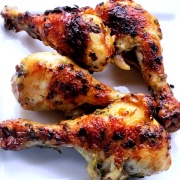
Roasting chicken legs, such as in the Colombian-style asado, allows the skin to render its fat, creating a crispy exterior while protecting the meat from excessive moisture loss. The technical practice of marinating or seasoning the meat overnight, a common practice in many traditional households, is supported by food science. The salt and acidity in the marinade penetrate the muscle fibers, improving moisture retention and intensifying the final flavor profile.
Citrus and Acid-Based Preparations
The inclusion of lime or orange juice in chicken recipes serves a dual purpose. Beyond providing a bright, acidic contrast to the richness of the chicken fat, the citric acid acts as a mild tenderizer. Recipes like Chicken in Orange Sauce utilize this chemical reaction to balance the sweetness of the fruit with the savory depth of the protein, a combination that has proven effective in increasing the palatability of poultry dishes across diverse demographics.

Data on Nutritional and Economic Impact
A comparative analysis of poultry cuts indicates that chicken legs provide approximately 15–20 grams of protein per 3-ounce serving. While the caloric content is higher than that of white meat, the presence of essential amino acids and minerals like zinc and iron remains significant. From an economic perspective, purchasing bone-in legs can save a household an estimated 30% to 50% per pound compared to boneless cuts, according to current retail pricing indices. This cost-efficiency is a critical factor for families navigating rising grocery expenditures.
Professional Perspectives and Culinary Implications
Industry experts and culinary instructors frequently categorize the chicken leg as the "chef’s choice" for home cooks who are learning to manage flavor profiles. Because the meat is forgiving, it allows for experimentation with aggressive seasonings—such as mustard, heavy herbs, or even cola-based reductions—without the risk of the meat becoming unpalatable.
"The versatility of the chicken leg is unparalleled," says culinary researcher Erica Dinho. "Whether one is looking for a quick weeknight meal or a celebratory, slow-roasted dinner, the structure of the bone and the fat content of the meat provide a canvas that is both resilient and flavor-forward."
Broader Implications for Modern Cooking
The sustained popularity of these recipes suggests a broader trend in domestic life: a return to foundational, ingredient-focused cooking. As consumers move away from highly processed convenience foods, the reliance on single, whole-food proteins like chicken legs serves as a cornerstone for sustainable eating habits. The ability to utilize the same protein in vastly different applications—from a creamy mushroom-sauce dish to a hearty rice-based Arroz Atollado—demonstrates the potential for variety without requiring a vast array of specialized ingredients.
Furthermore, the focus on these recipes highlights the importance of cultural preservation through food. Many of the techniques utilized in these ten recipes, such as the specific layering of seasonings in Pollo Encebollado, represent a transfer of knowledge from previous generations. As these practices are codified and shared through digital platforms, they ensure that traditional techniques remain relevant in contemporary kitchens.
Conclusion
The ten recipes highlighted—ranging from the citrus-infused orange sauce to the hearty vegetable-rich stews—demonstrate that high-quality, flavorful dining is attainable through simple, affordable ingredients. By understanding the mechanical properties of chicken legs and applying appropriate heat-transfer methods, home cooks can maximize both the economic and sensory value of their meals. As the food industry continues to evolve, the chicken leg remains a testament to the enduring value of traditional cooking methods, providing a reliable, nutritious, and adaptable solution for the modern, budget-conscious household.