The Ultimate Guide to Six Underrated Italian White Wines That Belong in Your Cellar

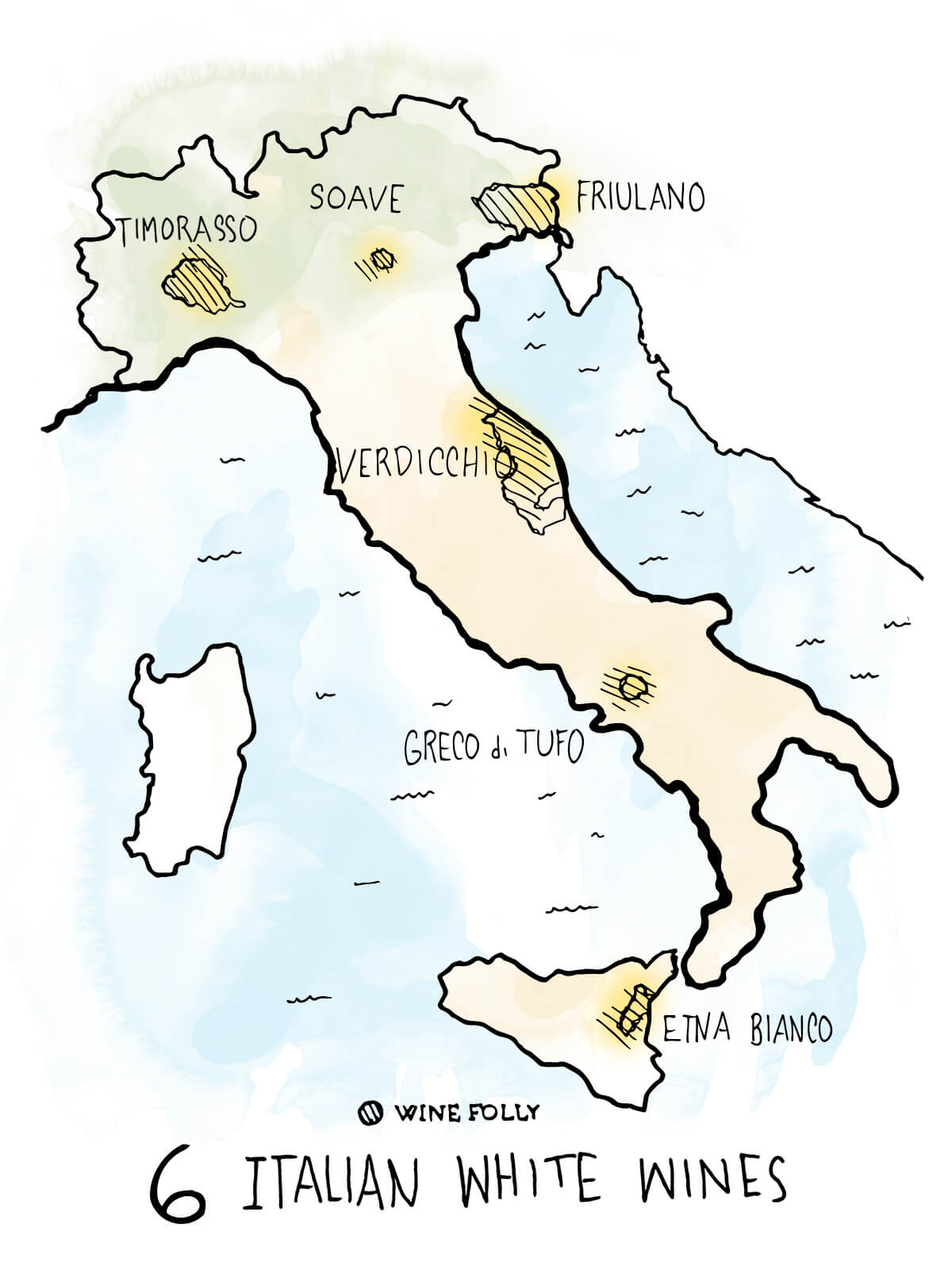
Italy is globally renowned for its monumental red wines, from the structured Barolo of Piedmont to the rich Amarone of the Veneto and the sun-drenched Nero d’Avola of Sicily. However, beneath the shadow of these heavyweights lies an extraordinary, highly diverse, and historically rich landscape of white wines that frequently go overlooked by mainstream consumers. Wine historians and sommeliers note that the Italian peninsula possesses an unmatched wealth of native white grape varieties, shaped by centuries of micro-climatic isolation, ancient migration patterns, and distinct regional winemaking traditions. For the discerning consumer and the savvy collector, exploring Italy’s under-the-radar white wines offers an opportunity to discover world-class bottles at exceptional value, while engaging with a deeply rooted agricultural heritage that stretches back millennia.
Historical Evolution and Viticultural Diversity of the Italian Peninsula
The story of Italian winemaking is inextricably linked to the geography and migratory history of the Mediterranean. Stretching from the snow-capped Alpine peaks in the north down to the sun-baked latitudes of the south, Italy is flanked by the Mediterranean Sea, creating an immense variety of microclimates, soil compositions, and altitudes.
Viticulture on the peninsula began to take sophisticated shape when ancient Greek settlers established colonies in southern Italy, bringing advanced vine-training techniques and Hellenic grape varieties. Simultaneously, indigenous Etruscan populations in central Italy were developing their own distinct indigenous winemaking methods. The subsequent expansion of the Roman Republic and Empire absorbed these overlapping traditions, spreading viticultural expertise across the European continent.
Following the fall of Rome, monastic orders preserved and refined winemaking practices through the Middle Ages. This was followed by the emergence of powerful independent city-states, each fostering hyper-local traditions that survived political fragmentation and coalesced only after the formal Reunification of Italy in 1861. As a result of this fragmented historical evolution, Italy today boasts more native grape varieties and regional styles than virtually any other wine-producing nation on Earth. Despite this vast inventory, global marketing over the past several decades heavily favored high-volume, international varieties or iconic domestic reds, leaving many historic white wine appellations in relative obscurity.
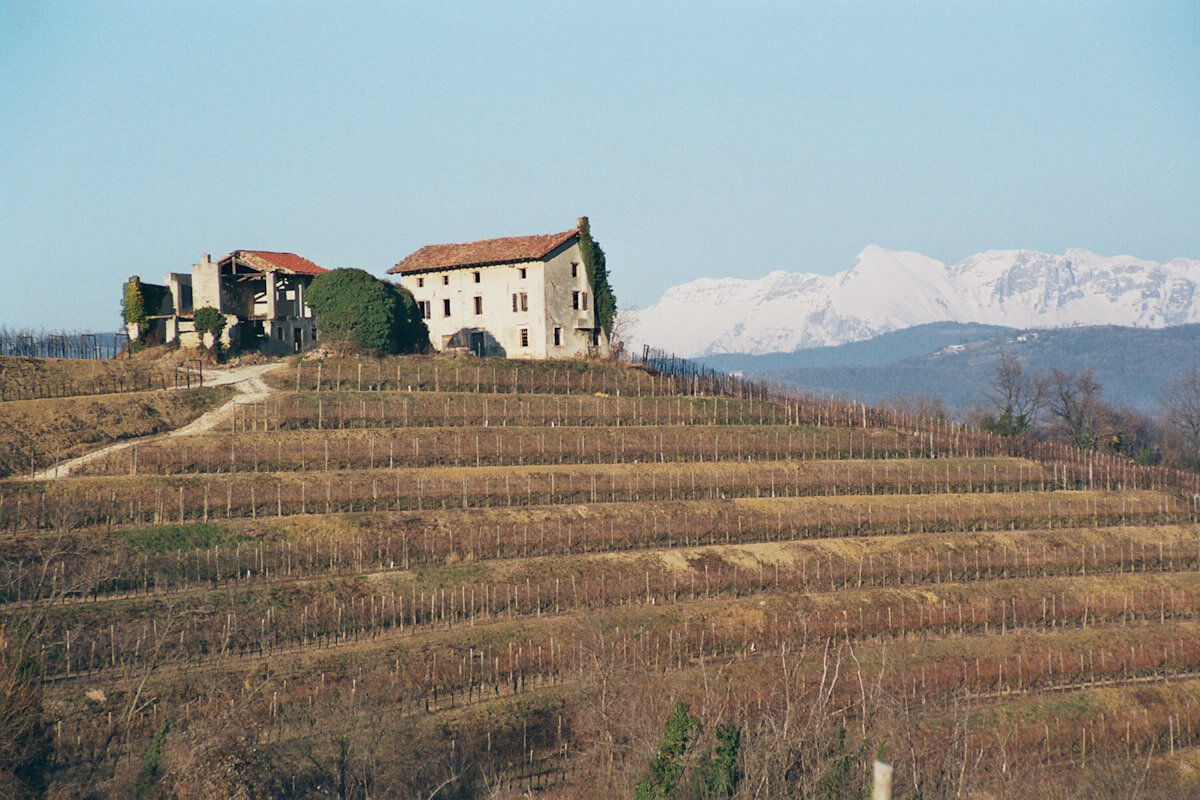
Friulano: The Quintessential Expression of the Northeast
In the northeastern corner of Italy, nestled between the protective barrier of the Alps and the moderating breezes of the Adriatic Sea, lies Friuli Venezia Giulia. This border region, particularly the renowned Collio zone, provides an ideal habitat for Friulano, a grape historically tied to the region’s identity. While some ampelographers trace the vine’s earliest roots to the Savignasse grape of France’s Gironde region, Friulano has found its definitive home in Friuli, where it stands as the most widely planted and culturally significant white variety.
Tasting profiles for Friulano reveal a complex aromatic matrix characterized by subtle notes of jasmine, narcissus, dried fig, orange zest, and green apple, underscored by distinct mineral undertones reminiscent of wet stones and sea salt. On the palate, the wine is distinguished by a silky texture that finishes with a signature, appetizing bitterness reminiscent of raw almonds.
The unique terroir of the Collio zone—protected from harsh northern gales by the Alps while benefiting from warm Mediterranean air currents—creates an ideal diurnal temperature swing. This diurnal shift preserves acidity while allowing phenolic ripeness. Culinary experts recommend pairing Friulano with regionally traditional dishes such as Prosciutto di San Daniele, roasted white fish like cod or halibut, and rich comfort foods such as baked macaroni and cheese.
Soave: From Historical Obscurity to Modern Quality Renaissance
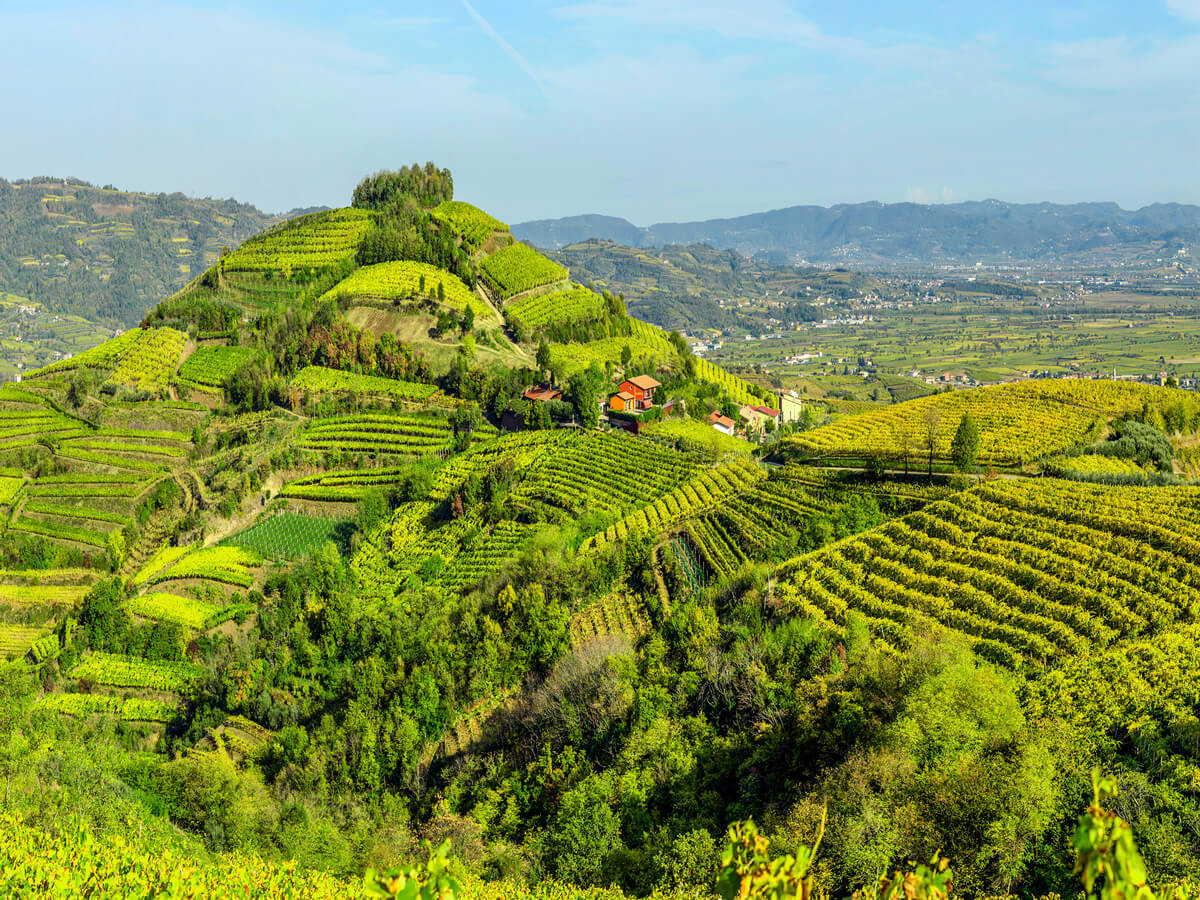
Moving west into the Veneto region, east of the Valpolicella appellation, lies the historic wine zone of Soave. Originally prized as a sweet wine during antiquity, Soave’s reputation waned significantly following the collapse of the Roman Empire. For centuries, it languished as a pleasant, if unremarkable, everyday commercial white wine on the international market.
In recent decades, however, a coalition of dedicated producers has spearheaded a rigorous quality revolution. This movement culminated in the implementation of a strict classification system utilizing MGAs (Menzione Geografica Aggiuntiva, or Additional Geographical Mentions), designed to highlight the distinct terroir and production potential of individual hillside vineyards.
Stylistically, well-crafted Soave exhibits a structured yet refined character, featuring aromatic layers of chamomile, green apple, baked pear, crushed stones, nutmeg, and fresh thyme. Grown predominantly on volcanic and limestone soils in the rolling hills surrounding the medieval town of Soave, the wine combines a refreshing, bracing acidity with a textured, weighty mid-palate. Gastronomic pairings for modern Soave include veal scaloppini, classic fettuccine Alfredo, delicate Dover sole, and simple roasted chicken.
Timorasso: Piedmont’s Rescued Native Giant
Piedmont is universally celebrated for its noble red grapes, Nebbiolo and Barbera, but the southeastern hills of the region—specifically within the provinces of Asti and Alessandria around the town of Tortona—are home to one of Italy’s most remarkable white revival stories: Timorasso.
At the turn of the 20th century, Timorasso was widely cultivated throughout the area. However, the devastating phylloxera epidemic of the late 19th and early 20th centuries, combined with economic shifts toward higher-yielding agricultural products, nearly drove the grape to total extinction. By the late 20th century, only a handful of struggling vines remained.
The revival of Timorasso is largely credited to a dedicated vanguard of winemakers, led by visionary producer Walter Massa, who recognized the grape’s immense aging potential and distinctive structural integrity. Though Timorasso has yet to secure its own dedicated DOCG appellation, producers frequently utilize the historical name "Derthona" on their labels to designate wines made from the variety in the Tortona hills.
Timorasso is an anomaly among Italian whites due to its striking structural heft. Exhibiting aromas of bruised apple, acacia honey, crushed minerals, dried herbs, and lemon confit, the wine is intensely flavored, naturally tannic, and possesses an extraordinary capacity for long-term bottle maturation—qualities derived naturally from the grape rather than heavy-handed winemaking interventions. The sandy, chalky soils of the Alessandria hills provide optimal drainage and mineral concentration. Culinary pairings for Timorasso demand substantial dishes, such as veal chops with wild mushrooms, grilled pheasant breast, and traditional meat-filled ravioli served with butter and sage.
Verdicchio: The Emblematic Green-Hue White of Marche
Positioned along the central eastern coast of Italy, the Marche region is defined by the dramatic topography of the Apennine Mountains sloping down to the Adriatic Sea. Here, Verdicchio reigns supreme as the region’s flagship white variety. The grape derives its name directly from the Italian word "verde" (green), a visual descriptor reflected in the slight greenish-yellow tint of both the grapes and the finished wine.
Verdicchio displays a vibrant flavor profile characterized by lime zest, green papaya, fresh-cut grass, coriander, and kiwi. The appellation structure allows for varied expressions depending on the production tier:
- Standard DOC versions emphasize high natural acidity, crisp green apple, and fresh floral notes designed for youthful consumption.
- Classico designations mandate sourcing from the historic heartland, capturing deeper terroir-driven mineral qualities.
- Riserva Superiore bottlings involve lower vineyard yields and extended aging periods, resulting in profound complexity, texture, and nutty undertones.
The Castelli di Jesi growing area benefits from a dual climatic influence, where maritime breezes from the Adriatic meet continental air masses from the Apennines, generating significant temperature variations between day and night. This environment locks in freshness and aromatic complexity. Verdicchio’s high acidity and textural versatility make it an ideal pairing for diverse global cuisines, including spicy Asian dishes, pulled pork, and fried foods of all kinds.
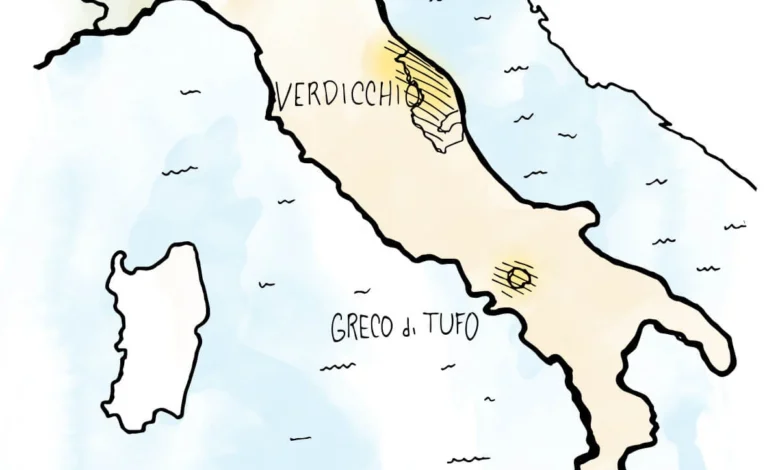
Greco di Tufo: Volcanic Precision from Campania
In the rolling interior hills of Campania, south of Naples, the ancient white grape Greco di Tufo anchors one of southern Italy’s most prestigious white DOCG appellations. Despite persistent popular assumptions linking its name to ancient Greece, ampelographical and genetic studies indicate no direct lineage to modern Greek varietals. Instead, the moniker is historically believed to designate wines produced in the "Greek style"—specifically, sweet or highly concentrated wines produced by ancient agriculturalists.

Today, Greco di Tufo is crafted as a bone-dry, highly structured white wine. Tasting notes typically reveal aromas of white blossoms, dried apricot, and turned earth. On the palate, the wine can initially present as crisp and astringent before opening up into tart green apple, backed by a palate-coating creaminess and a distinctively dry, slightly mineral-tannic finish. Secondary notes of wet leather, hibiscus, flint, honey, and toasted hazelnuts frequently develop as the wine ages.
The primary engine of this wine’s unique character is its origin: the historic Irpinia zone surrounding the village of Tufo. The soil here is rich in "tufo," a porous rock composed of compressed volcanic ash originating from ancient eruptions of nearby geological formations. This volcanic terroir imparts a striking mineral tension to the wine. Culinary matches include traditional buffalo mozzarella with fresh tomatoes, grilled fish drizzled with high-quality olive oil and lemon, and classic fried calamari.
Etna Bianco: High-Altitude Volcanic Elegance in Sicily
At the southern extremity of Italy’s wine landscape lies Mount Etna in Sicily, Europe’s tallest active volcano. While ancient Greek settlers highly prized the volcanic slopes for viticulture, modern commercial interest in Etna’s wine potential largely developed over the past twenty years. Winemakers have increasingly turned their focus to the region’s high-altitude microclimates, indigenous grape varieties, and complex volcanic soils. In 2011, the region formalized the revitalization of "contrade," a historical system of geographical subzones that allows producers to designate specific single-vineyard plots on labels.
Etna Bianco—typically composed of local varieties such as Carricante and Catarratto—defies expectations of heavy, sun-baked southern Italian whites. Instead, the wine offers an intense yet understated profile defined by racy acidity, lower alcohol levels, and pronounced mineral and smoky aromatics coupled with delicate hints of white jasmine. The palate reveals notes of mandarin orange, prickly pear, and bitter melon, concluding with a moderately long finish marked by a clean, saline, and subtly ashy resonance.
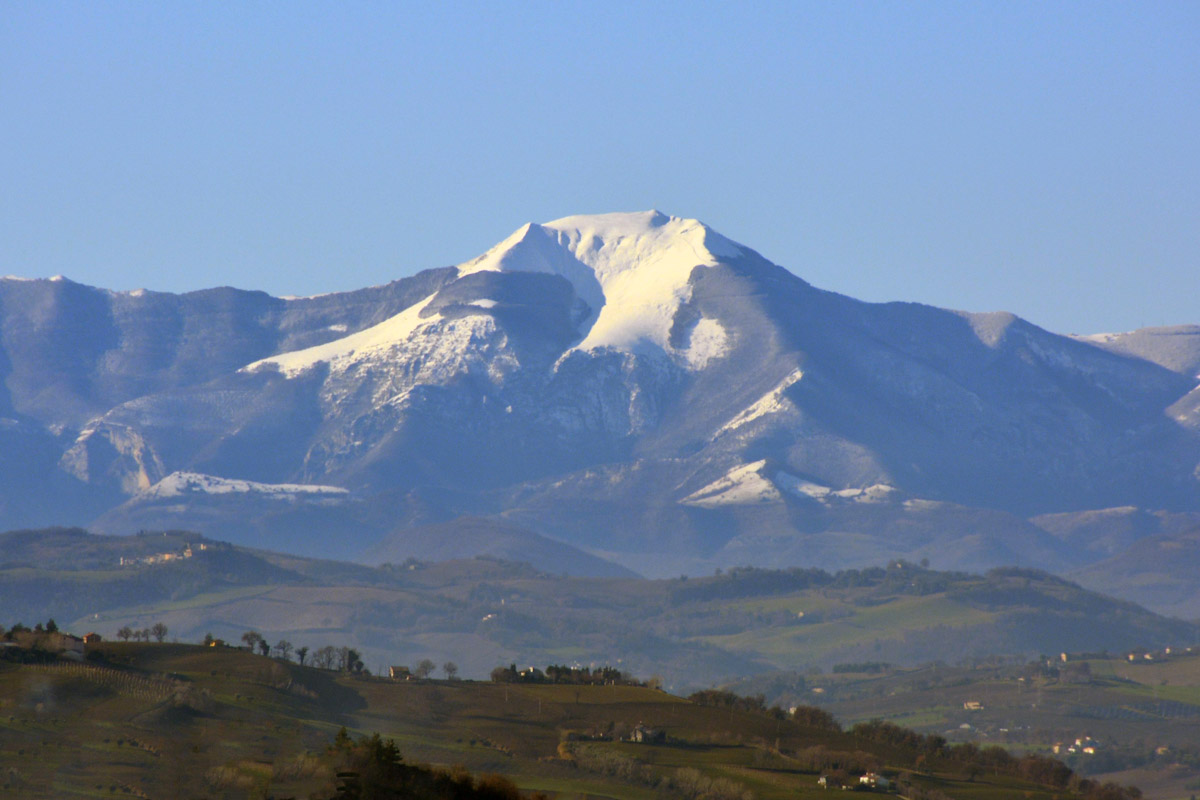
The vineyards of Etna cling to the steep volcanic slopes at altitudes ranging from 400 to over 1,000 meters above sea level. Here, cool mountain air and warm Mediterranean breezes mitigate the intense southern heat, while the fragmented volcanic soils—varying widely in composition and age—infuse the grapes with unique minerality. Etna Bianco pairs exceptionally well with refined seafood dishes such as tuna carpaccio, herb-grilled chicken, Sicilian caponata, cured olives, and aged hard cheeses.
Market Implications and the Future of Italian Whites
The broader commercial implications of this ongoing shift toward underrated Italian white wines are significant for both international wine markets and domestic producers. For decades, export markets remained heavily skewed toward red varietals, driven by the global dominance of iconic names like Barolo and Brunello di Montalcino. However, changing consumer preferences—marked by a rising global demand for lighter, higher-acidity, food-friendly, and terroir-driven white wines—have created a lucrative window of opportunity for regional Italian producers.
By investing in native grape preservation, strict quality controls, and modernized zoning regulations like MGAs and contrade, Italian winemakers are successfully elevating the global standing of their white portfolios. Industry analysts project that as consumers increasingly seek out authenticity and value outside of mainstream French and domestic white varieties, appellations spanning from Friuli to Sicily will continue to gain market share. For collectors and casual drinkers alike, moving beyond the red wine paradigm opens the door to a rich, historically layered world of viticultural excellence that remains remarkably undervalued.
Related posts: